
Mon - Sat 7:00 am to 7:00 pm
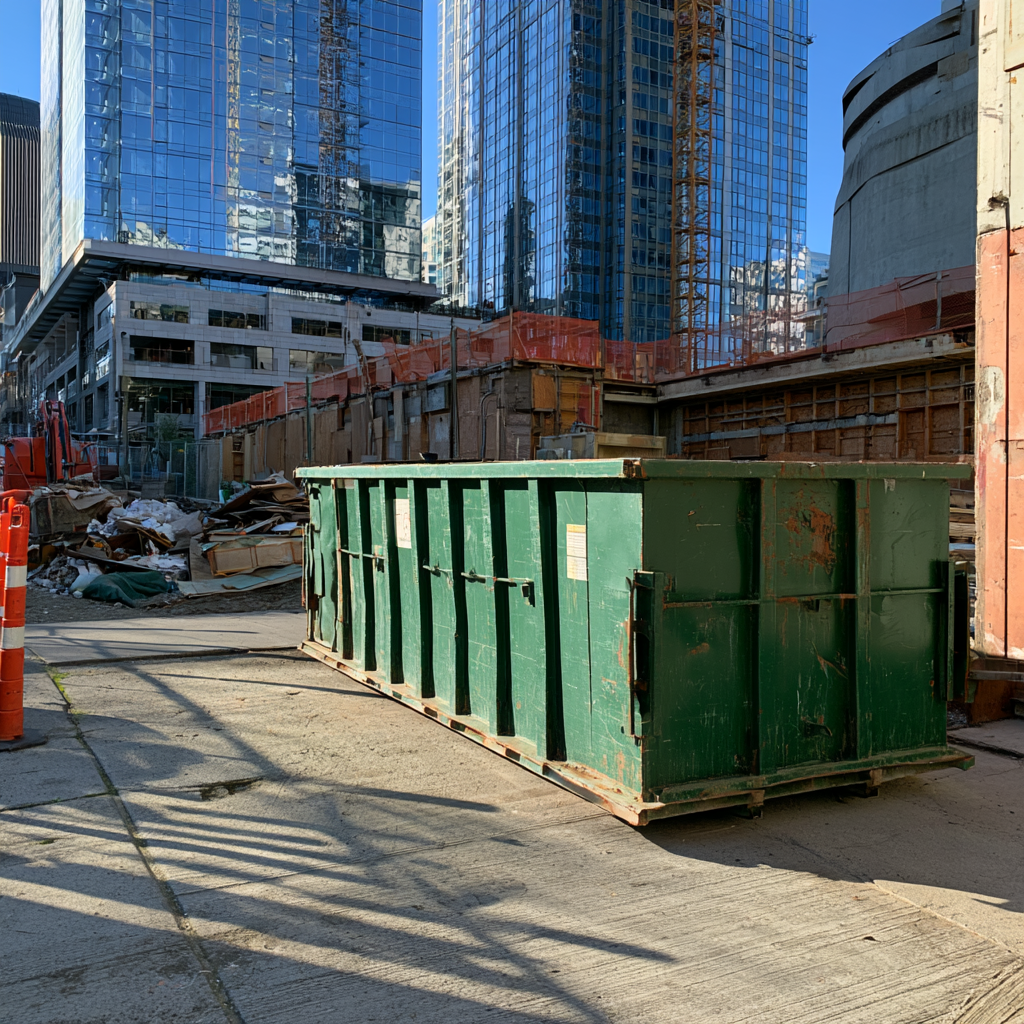
Best Dumpster Size for Construction in Seattle, Washington
Seattle’s construction landscape ranges from tight single-family lots to large multifamily and commercial developments, and each type of project calls for a different dumpster size. Choosing the right container helps you avoid paying for unused space or incurring weight-overage fees partway through a job. This guide breaks down each standard dumpster size, when it fits a Seattle construction project, and where its limitations come into play. Prime Dumpster works with contractors and homeowners across Seattle to match the right size to the right job.
Fast Facts: Construction Dumpster Rental Sizing
Dumpster size selection depends on project scope, debris type, and site access. The table below shows the rented dumpster sizes available and their general specifications.
| Size | Approx. Dimensions | Weight Limit | Best For |
| 10-Yard Dumpster | 12′ × 8′ × 3.5′ | Up to 2 tons | Concrete, small remodels, tight lots |
| 15-Yard Dumpster | 16′ × 8′ × 4-5′ | Up to 3 tons | Single-room remodels, small additions |
| 20-Yard Dumpster | 18-20′ × 8′ × 5-6′ | Up to 3 tons | Multi-room renovations, roofing |
| 30-Yard Dumpster | 22′ × 8′ × 6′ | Up to 4 tons | Large residential builds, commercial work |
| 40-Yard Dumpster | 22-24′ × 8′ × 7-8′ | Up to 5 tons | Commercial demolition, multifamily construction |
Weight limits are general estimates and vary by debris type and location. A dedicated Prime Dumpster account manager will confirm exact limits and pricing for your specific project.
Learn more tips directly from our Prime Dumpster Pros in our Dumpster Rental FAQ for Seattle, WA.
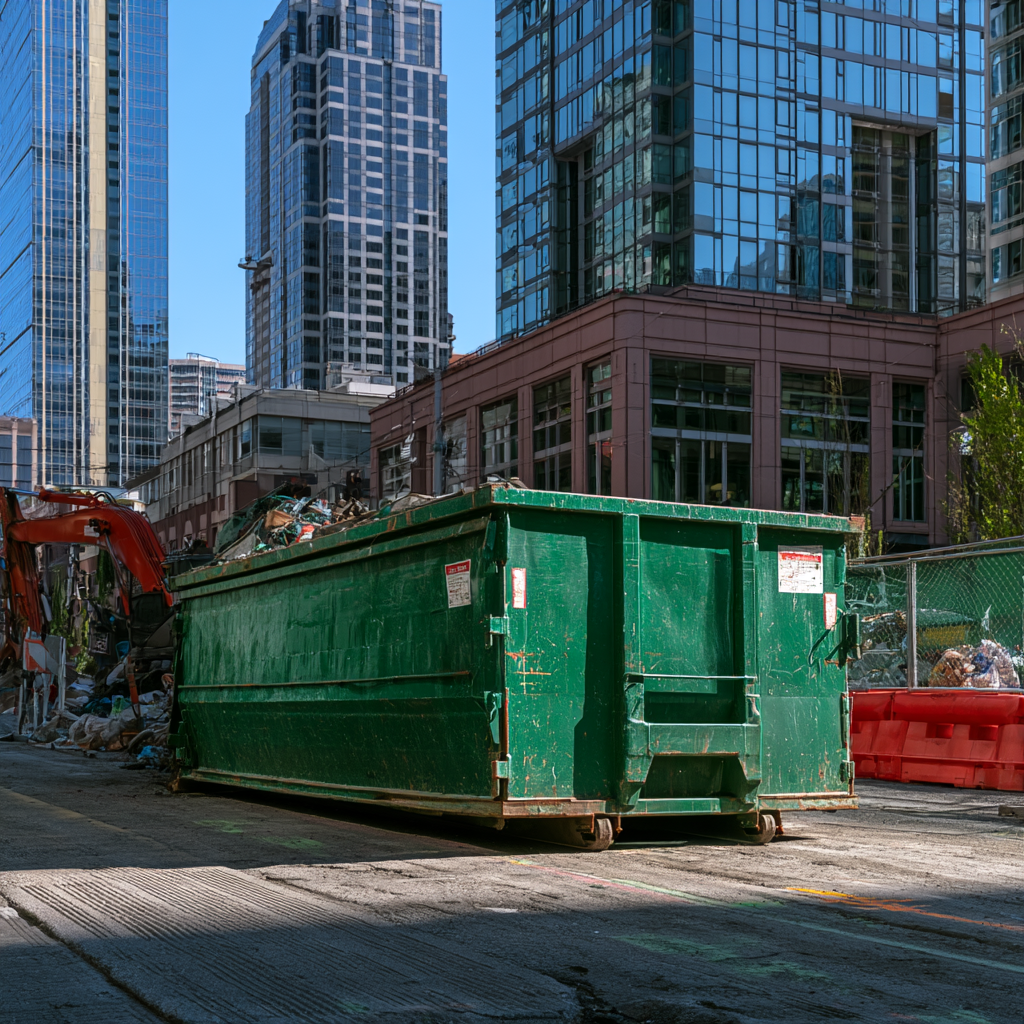
10-Yard and 15-Yard Dumpsters for Small Construction Jobs
Small construction jobs in Seattle often involve tight lots and limited street access, making compact dumpster sizes the practical choice. A 10-yard or 15-yard container fits in narrow driveways common throughout Seattle’s older neighborhoods while still handling a meaningful volume of debris.
- Single-room remodels and small bathroom renovations
- Concrete, brick, or masonry removal from small foundation repairs
- Window and door replacement projects
- Minor deck or fence demolition
- Small additions or accessory structure buildouts
These sizes work best for projects generating a limited, predictable volume of debris. Heavy materials like concrete should always go in a 10-yard container, regardless of how much space remains.
20-Yard Dumpsters for Mid-Size Residential Construction
Seattle’s housing stock includes a large share of older single-family homes, and mid-size renovations on these properties often generate more debris than a smaller container can hold. A 20-yard dumpster is the most common choice for multi-room projects that don’t quite reach commercial scale.
- Kitchen and bathroom remodels involving multiple rooms
- Roof tear-offs on standard-sized homes
- Flooring replacement across a full level
- Whole-home decluttering or estate cleanouts
- Mid-size additions or garage conversions
A 20-yard dumpster balances capacity with a footprint that still fits most residential driveways. Contractors working in denser neighborhoods should confirm placement space before booking, since street parking and narrow lots can limit where this size fits.
30-Yard and 40-Yard Dumpsters for Large-Scale and Commercial Construction
Seattle’s ongoing multifamily and commercial development, particularly in growing areas like South Lake Union and along transit corridors, generates debris volumes that require the largest standard containers. A 30-yard or 40-yard dumpster handles high-volume projects that would otherwise need multiple smaller swaps.
- New commercial construction and tenant improvements
- Multifamily and apartment building construction
- Large-scale demolition projects
- Full-property renovations across multiple phases
- Industrial or warehouse cleanouts
These larger sizes require more room to place and maneuver, which can be a challenge on tight urban job sites. Confirming site access and any necessary permits before delivery helps avoid delays once the project is underway.
Matching Dumpster Size to Common Seattle Construction Projects
“Seattle projects rarely fit a one-size-fits-all answer, since a historic remodel and a new multifamily build generate very different debris,” says the Prime Dumpster Pro. “The right size comes down to matching the container to the specific type of project.”
What type of project do you need to rent a dumpster in Seattle, WA, for?
ADU Construction
Accessory dwelling units have become a common project across Seattle as homeowners add backyard cottages and basement conversions to existing properties. These builds generate a steady mix of framing lumber, drywall, and packaging waste over the course of construction, but the compact building footprint usually keeps overall volume manageable.
A 15-yard or 20-yard dumpster typically covers most ADU projects from framing through finish work. Larger ADU builds with significant sitework or foundation work may need a 20-yard container paired with a separate 10-yard unit for concrete debris.
Multifamily Infill Development
Seattle’s multifamily infill projects, common in neighborhoods undergoing rezoning and densification, generate high volumes of debris across a compressed construction timeline. Demolition of existing structures, combined with new framing and finish materials, means debris type and volume shift significantly from one phase to the next.
Early demolition phases often call for a 30-yard or 40-yard dumpster to handle structural debris efficiently. As the project moves into framing and finish work, a 20-yard or 30-yard container is usually sufficient for the lighter materials generated in later phases.
Historic Home Renovation
Renovating one of Seattle’s many pre-1940s homes often means dealing with plaster, lath, and older building materials that are heavier than their modern equivalents. These projects also frequently involve careful demolition to preserve original architectural details, which can slow the pace of debris removal compared to new construction.
A 20-yard dumpster is the most common choice for historic home renovations, though projects involving significant plaster or masonry removal may need a dedicated 10-yard container for the heaviest material. Planning for the added weight of older materials helps avoid overage fees partway through the project.
Commercial Buildouts Near Downtown and South Lake Union
Commercial buildouts in Seattle’s dense downtown core and South Lake Union corridor generate significant debris volume within a fixed timeline, often tied to a lease start date. These projects also face some of the tightest site access constraints in the city, which makes container size and placement planning especially important.
A 30-yard dumpster typically handles most tenant improvement projects, while larger buildouts or projects involving demolition of existing interior structures may require a 40-yard container.
“When we opened our restaurant space, the buildout generated far more debris than we expected once demolition started,” said a Seattle restaurant owner. “Having a container sized for the full scope of work meant we never had to pause the project to deal with waste removal.”
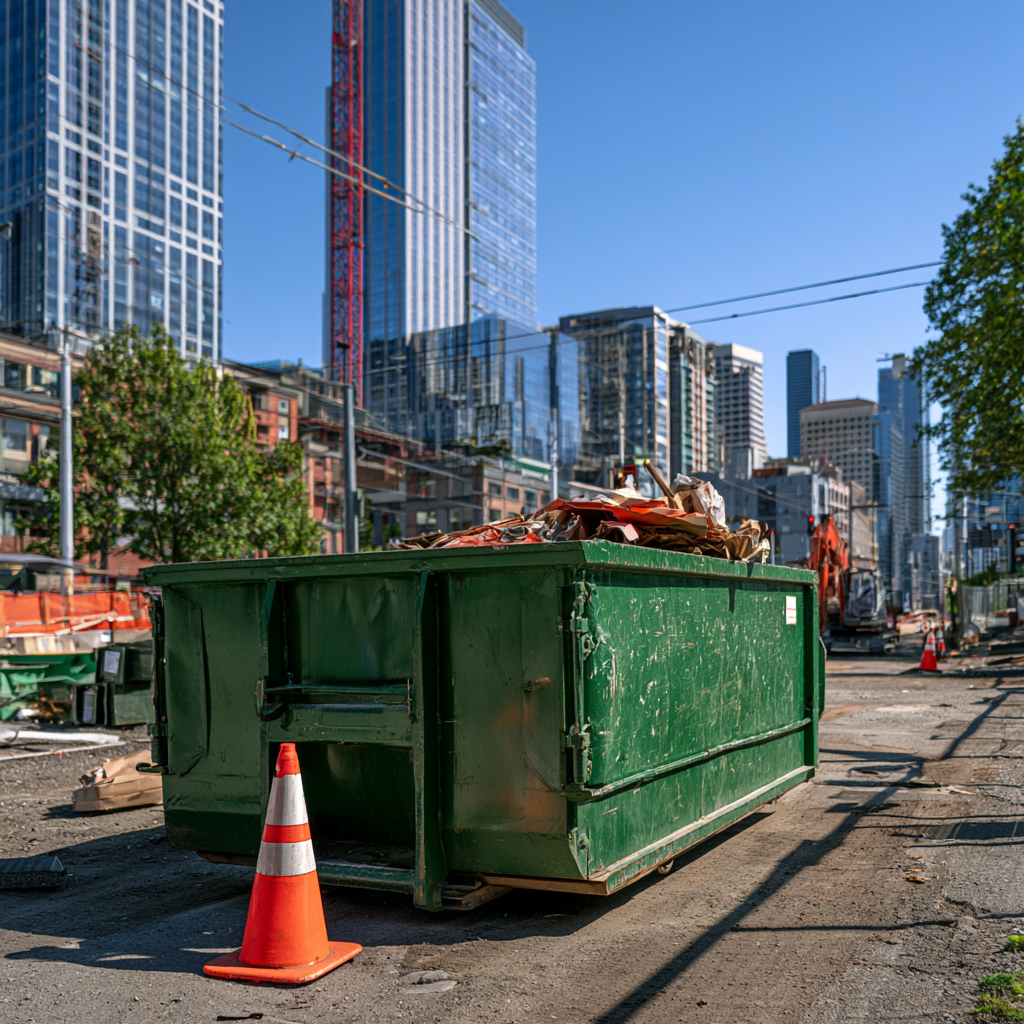
Limitations to Consider When Choosing a Size
A dumpster’s rated size doesn’t tell the whole story, and several practical limitations affect which container actually works for a given Seattle project.
- Weight limits apply regardless of visible space. A container can reach its weight limit well before it looks full, especially with dense debris.
- Heavy materials require a 10-yard container. Concrete, brick, and asphalt should always go in the smallest size, no matter the overall project volume.
- Site access affects what can be delivered. Narrow streets, alleys, and steep driveways common throughout Seattle can rule out larger containers even when the project would otherwise call for one.
- Permits may be required for street placement. Placing a dumpster on a public street or right-of-way in Seattle typically requires a permit, while driveway placement usually does not.
- Rental duration affects total cost. A larger container doesn’t eliminate the need to plan for project timeline, since extended rentals still accrue daily fees beyond the standard period.
Working through these limitations before booking helps Seattle contractors and homeowners choose a size that fits both the project and the site.
Getting the Right Dumpster Size for Your Seattle Project
Choosing the right dumpster size comes down to matching container capacity, weight limits, and site access to the specific demands of a project, and that’s where Prime Dumpster’s account managers make the difference. Rather than guessing based on square footage alone, Seattle contractors and homeowners can walk through their project type, debris mix, and site constraints with a Prime Dumpster Pro who factors in all three before recommending a size.
This approach helps avoid the two most common sizing mistakes on Seattle job sites: renting a container too small for the project’s actual debris volume, and renting one too large to fit the site’s access constraints. Whether the project is a single ADU build, a historic home renovation, or a large-scale commercial buildout, Prime Dumpster works with contractors throughout Seattle and King County to size each rental around the realities of the job.
Ready to find the best dumpster size for your Seattle construction project? Contact our team for a quote built around your project’s specific needs.
If you are looking for How Much Does Dumpster Rental Cost in Clearwater, FL?, Click Here
Recent Posts


Follow Us
Have any questions?
+1 844 853 3867
Give us a call today so we can help you find the right waste & sanitation solution for
your project!
Contact Us