
Mon - Sat 7:00 am to 7:00 pm

Dumpster Rentals for Government Projects
Public projects come with more moving parts than most private jobs. Site access rules, permits, disposal records, and tight schedules all shape how debris gets handled from day one to the end.
Getting the dumpster plan right early keeps crews working and closeout simple. That’s true whether the job is a courthouse renovation, a road repair, or a park cleanup.
At Prime Dumpster, we put together this guide to dumpster rentals for government projects. It covers common project types, dumpster sizes, placement and permits, disposal records, restricted materials, and planning for long-term work.
Fast Facts: Dumpster Rentals for Government Projects
Dumpster rentals for government projects follow the same basics as any roll-off rental, with a few extra steps for public sites. Here’s a quick look at what to plan for:
- Common project types include public building renovations, road and utility work, federal facility projects, park cleanups, and public events.
- Roll-off dumpsters typically range from 10 to 40 cubic yards.
- Concrete, brick, masonry, and asphalt usually go in 10-yard dumpsters because of their weight.
- Placement on streets, sidewalks, or other public right-of-way often requires a permit.
- Weight tickets and disposal receipts are often part of project closeout records.
Knowing these points before the kickoff meeting saves time once work begins.
“Treat the dumpster plan like any other line item in the project schedule,” says the Prime Dumpster Pro. “Decide on sizes, placement, and swap frequency before mobilization, and share that plan with whoever controls site access. It keeps containers from becoming a bottleneck.”
Plan dumpster sizes, placement, and permits before mobilization to keep government projects on schedule.
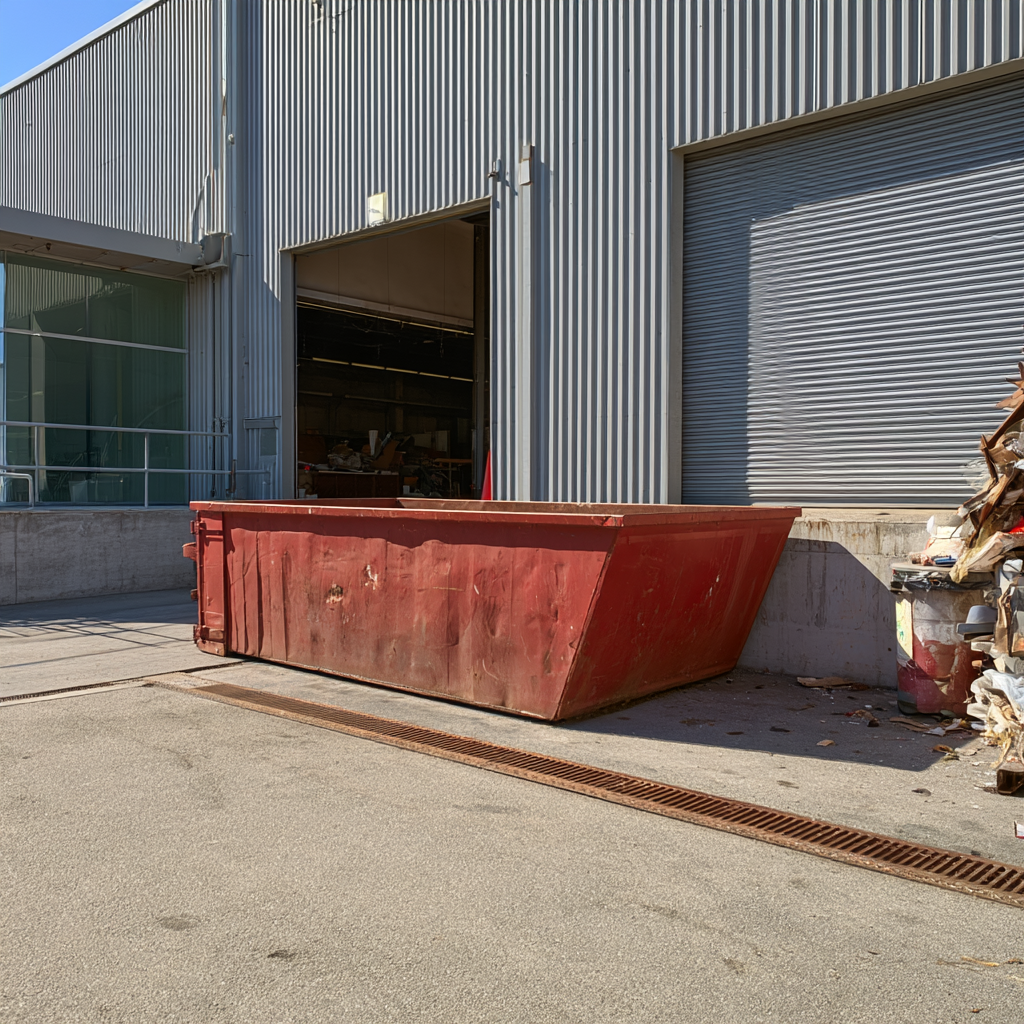
Types of Government Projects That Use Dumpsters
Dumpsters for public works projects handle a wide range of debris. Each project type produces a different mix, which shapes the sizes and schedule you’ll need.
Public Building Renovations
Courthouses, schools, libraries, and municipal offices produce drywall, flooring, ceiling tiles, fixtures, and old furniture during renovations. Interior work often happens in occupied buildings, so containers need to sit where they won’t block entrances or parking.
Road, Bridge, and Utility Work
Street repairs, bridge maintenance, and utility upgrades generate heavy debris like broken concrete, asphalt, and soil. These jobs often move along a route, so dumpster placement may shift as work progresses.
Military and Federal Facility Projects
Projects on federal property often involve security checkpoints, escorted access, and set delivery windows. Haulers typically need advance notice to get containers on and off the site.
Parks and Public Grounds Cleanup
Parks departments handle storm debris, landscaping waste, and worn-out equipment like benches and fencing. Mixed loads of yard waste and bulky items are common.
Public Events and Emergency Cleanup
Festivals, parades, and civic events need temporary waste capacity. After storms or floods, local agencies may also need dumpsters quickly for debris removal.
For an overview of site services for public-sector work, see our page on government projects.
Government projects range from building renovations to roadwork, and each produces its own mix of debris.
Choosing Dumpster Sizes for Public Projects
The right dumpster size depends on debris volume, material weight, and how much room the site has. Here’s how the standard sizes compare for public projects:
| Dumpster Size | Dimensions | Weight Capacity | Common Public Project Uses |
| 10-Yard Dumpster | 12′ x 8′ x 4.5′ | Up to 2 tons | Concrete, asphalt, or brick removal; small office updates |
| 15-Yard Dumpster | 16′ x 8′ x 4.5′ | Up to 3 tons | Single-room renovations, small park cleanups |
| 20-Yard Dumpster | 22′ x 8′ x 4.5′ | Up to 3 tons | Multi-room renovations, flooring and drywall removal |
| 30-Yard Dumpster | 22′ x 8′ x 6′ | Up to 4 tons | Large building renovations, storm debris cleanup |
| 40-Yard Dumpster | 22′ x 8′ x 7-8′ | Up to 5 tons | Major interior demolition, large volumes of light debris |
Exact dimensions can vary based on what’s available in your area.
Concrete, brick, masonry, and asphalt go in 10-yard dumpsters. These materials reach weight limits long before they fill a larger container. Roadwork and demolition projects typically use several 10-yard dumpsters instead of one large bin.
A 10-yard dumpster typically holds about 1 cubic yard of solid concrete. To estimate the weight of your debris, try our concrete weight calculator.
Match dumpster size to debris volume and weight, and use 10-yard dumpsters for concrete, asphalt, brick, and masonry.
Placement, Access, and Permits on Public Sites
Where a dumpster sits affects safety, traffic, and how easily it can be swapped. Public sites add a few extra steps. Before delivery, confirm:
- A firm, level surface that can support a loaded container
- Enough clearance for the delivery truck to drop and pick up
- Distance from fire hydrants, entrances, and pedestrian routes
- Access rules for gated or secured facilities
Checking these items ahead of time prevents delays on delivery day.
Containers placed on streets, sidewalks, or other public right-of-way usually need a permit from the city or county. Requirements vary by jurisdiction, so confirm with the local permitting office before scheduling delivery. Placements entirely on government-controlled property may follow the facility’s own approval process instead.
“Secured sites are where schedules slip most often,” says the Prime Dumpster Pro. “Confirm gate hours, escort requirements, and who signs off on the drop location before the first delivery. That way, swaps don’t get held up at the checkpoint.”
Confirm the surface, clearance, permits, and site access rules before dumpster delivery on public property.
Recycling, Diversion, and Disposal Records
Many government contracts set goals to keep construction and demolition debris out of landfills. Even when they don’t, public projects often need records showing where the waste went.
Here’s how common materials are typically handled:
| Material | Typical Handling |
| Concrete and asphalt | Often crushed and recycled as aggregate |
| Metal | Commonly recycled as scrap |
| Clean wood | Recycled or reused, depending on local facilities |
| Cardboard | Commonly recycled |
| Mixed debris | Typically landfilled |
Recycling options depend on local facilities, so availability varies by area. The EPA’s guidance on managing construction and demolition materials covers reuse and recycling practices in more detail.
Weight tickets and disposal receipts are the most common records for project closeout. Ask about these documents when you book, so they’re ready when the project wraps up. Separating materials like concrete or metal into their own containers also makes diversion easier to document.
Plan for recycling and request weight tickets and disposal receipts early to simplify project closeout.
Handling Sensitive and Restricted Materials
Some materials found on public projects can’t go in a standard roll-off dumpster. These items need separate handling under federal, state, or local rules:
- Hazardous chemicals, paints, and solvents
- Batteries
- Fluorescent bulbs and other mercury-containing items
- Asbestos-containing materials
- Tires and some appliances, depending on local rules
When in doubt, check with the local solid waste authority before tossing an item.
Asbestos is common in older public buildings, and OSHA sets standards for handling it during renovation and demolition. If a survey finds asbestos or other regulated materials, a licensed abatement contractor typically removes them before general demolition begins.
Sensitive documents and electronics are a separate concern. Paper records, hard drives, and other media that hold government data should go through a dedicated destruction service, not a roll-off dumpster.
Keep hazardous materials, asbestos, and sensitive records out of roll-off dumpsters and use dedicated disposal services instead.
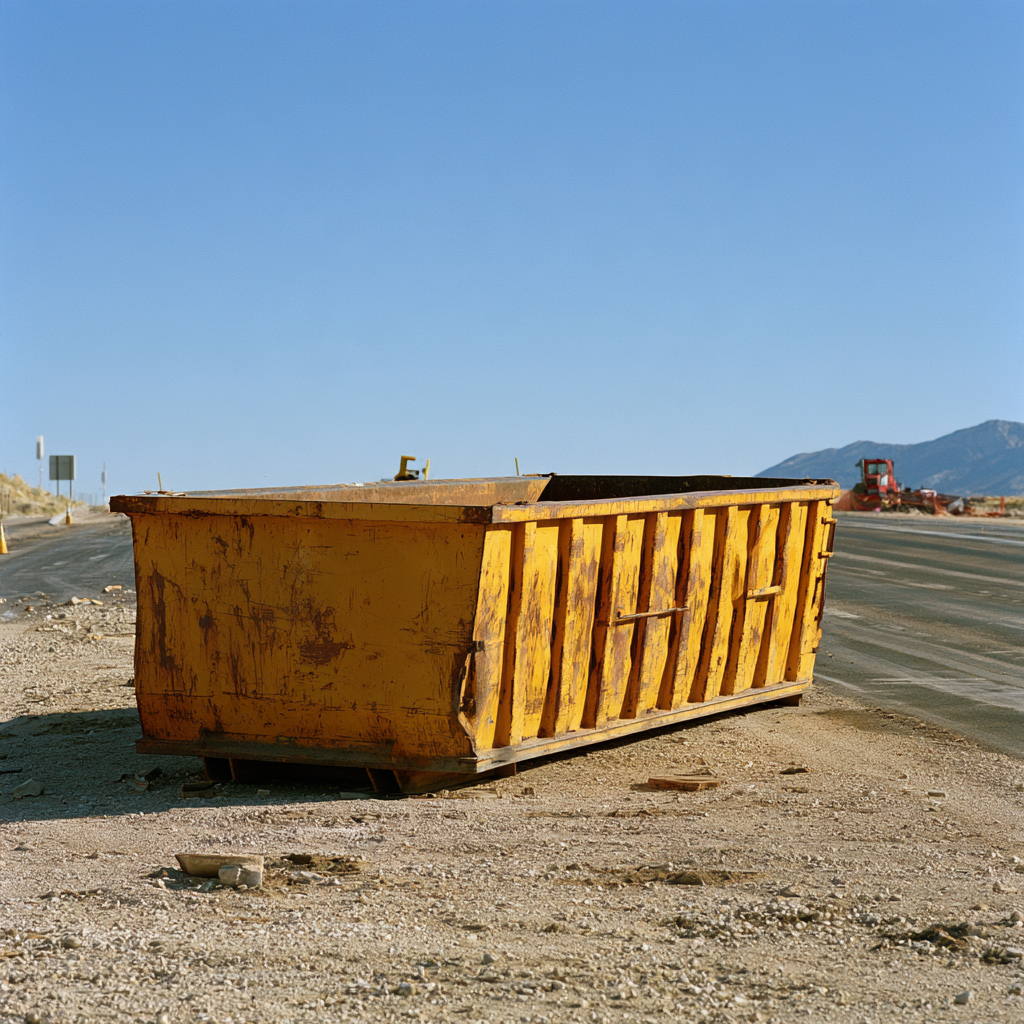
Planning Long-Term and Multi-Phase Projects
Long-term government projects can run for months or years. Debris volume and type change from one phase to the next, so the dumpster plan should change with them.
Demolition phases often call for several 10-yard dumpsters for heavy debris. Framing and interior phases produce lighter, bulkier debris that fits better in a 30-yard dumpster or 40-yard dumpster. Reviewing container count and swap frequency at each phase keeps you from paying for capacity you don’t need.
Prime Dumpster has helped customers complete more than 43,000 successful projects. Federal and federally funded projects often require vendors to be registered in SAM.gov before work begins. Prime Dumpster holds an active SAM.gov registration, and buyers can confirm it through a free public search. That keeps vendor setup from slowing down the project schedule.
“On multi-phase jobs, review the dumpster plan at every phase change,” says the Prime Dumpster Pro. “A schedule that worked during demolition rarely fits the finish work. Adjusting early avoids overflow and extra trips.”
Review dumpster sizes and swap schedules at each phase of a long-term government project.
Keeping Government Projects on Track
Dumpster rentals for government projects work best when sizing, placement, permits, and disposal records are planned before work begins. Using 10-yard dumpsters for heavy materials, keeping restricted items out of roll-offs, and adjusting the plan at each phase all help public projects stay on schedule.
At Prime Dumpster, we help you choose the right dumpster sizes and coordinate delivery and pickup, with availability that varies by location. Contact our team for a free quote and personalized recommendations for your government project.
If you are looking for Prime Dumpster SAM.gov Registration: What It Means for Your Project, Click Here
Recent Posts


Follow Us
Have any questions?
+1 844 853 3867
Give us a call today so we can help you find the right waste & sanitation solution for
your project!
Contact Us