
Mon - Sat 7:00 am to 7:00 pm

Guide to Rented Dumpster Use in Greensboro
Greensboro’s reputation as a Piedmont Triad powerhouse is definitely justified. Construction crews renovate historic downtown buildings while manufacturers expand warehouses and homeowners tackle projects from Fisher Park bungalows to Starmount Forest estates.
Waste piles up fast, yet finding the right container size and navigating city permit requirements leaves many project managers scratching their heads.
At Prime Dumpster, our team has created a comprehensive guide to rented dumpster use in Greensboro, North Carolina. Here are practical strategies for construction sites, home renovations, commercial operations and special events across the Gate City.
Fast Facts: Greensboro Dumpster Rental Essentials
Our Prime Dumpster Pros answer the most common questions about waste management in the Gate City.
What container sizes work best for Greensboro construction projects?
“Heavy materials like concrete, brick and dirt hit weight limits fast, so smart contractors use 10-yard containers for demolition debris even though the smaller size means more frequent swaps. Manufacturing facilities and warehouse builds typically need 30-40 yard units for lighter but bulky materials like metal framing, packaging waste and drywall that fill volume without maxing out tonnage limits.”
How does Greensboro’s weather affect dumpster rental planning?
“Summer thunderstorms roll through the Piedmont Triad almost daily from June through August, turning lightweight drywall and cardboard into waterlogged weight nightmares that can double your disposal costs. Cover containers with tarps between loading sessions and schedule pickups before forecast rain events to avoid overage fees that catch renters off guard.”
What should event planners know about dumpster rentals for Greensboro venues?
“Major gatherings at the Greensboro Coliseum or downtown festivals near Center City Park require booking containers 60-90 days ahead during peak season from April through October. Strategic placement around high-traffic venues demands coordination with city officials for Lane Closure Permits when units can’t fit on private property.”
Do I need permits to place a dumpster in Greensboro?
“Private property placement on your driveway or parking lot generally requires no permits anywhere in Greensboro, making residential and most commercial projects straightforward. Street or sidewalk placement usually do require a permit, which can take up to a week or more.”
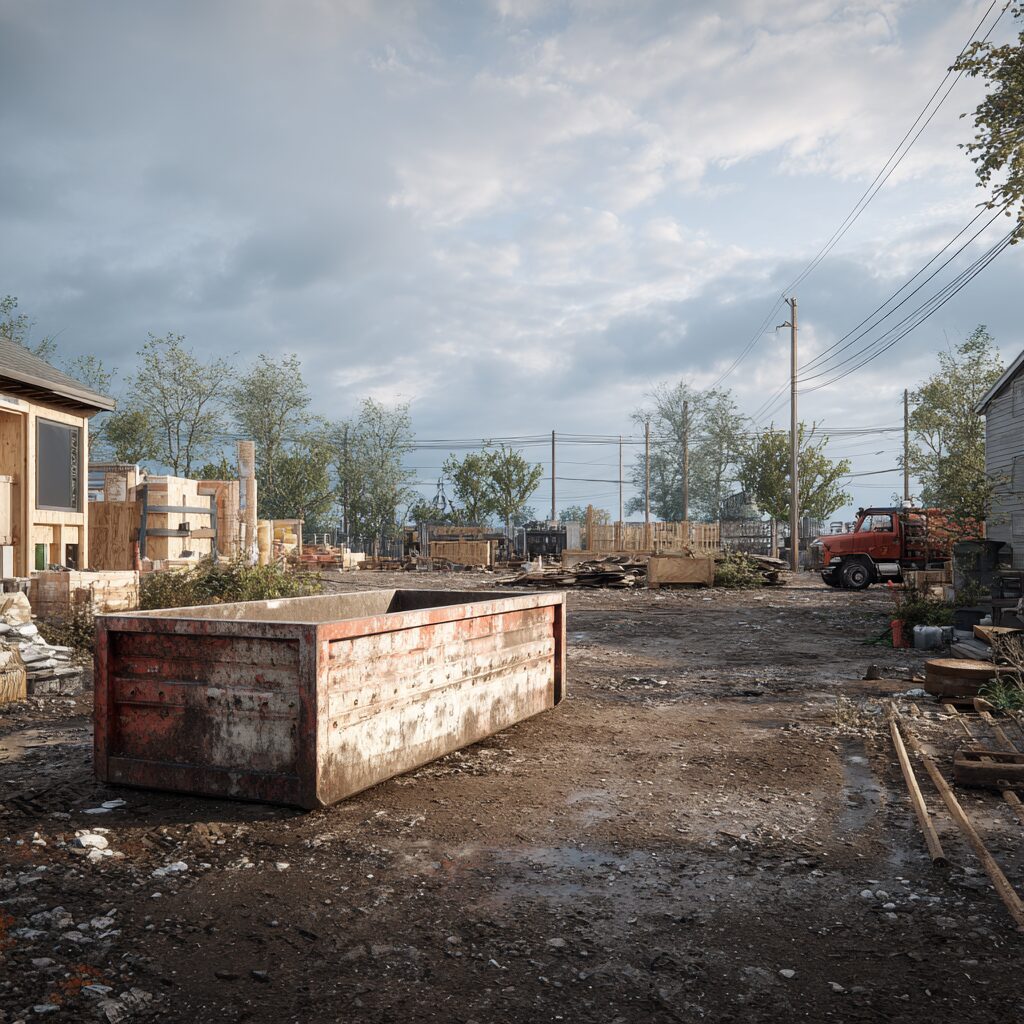
Dumpster Rental Needs in the Piedmont Triad
From manufacturing plants to downtown renovations, Greensboro’s growth demands smart waste solutions. The city serves as a major distribution hub requiring industrial waste services. This creates diverse management needs across multiple sectors.
Meeting Commercial Construction Demands
Contractors working on new warehouse facilities need robust solutions. They handle heavy materials like concrete and metal debris. These projects require containers that can manage substantial volumes without constant emptying.
Manufacturing and distribution businesses have ongoing disposal requirements. They need regular pickup schedules that don’t disrupt operations. Choosing the right service provider ensures smooth workflow.
Residential and Event-Specific Considerations
Homeowners renovating historic properties generate different debris types. Their projects require containers that fit in driveways without damaging landscaping. Residential needs differ significantly from commercial requirements.
Event planners face unique challenges for festivals and corporate gatherings. Temporary solutions must handle high volumes quickly. Efficient removal after events keeps venues clean and compliant.
Understanding your specific needs upfront saves time and money. Whether for a single-day event or six-month project, proper planning makes all the difference.
Strategic Planning for Dumpster Rentals in Greensboro
Before that roll-off container arrives at your location, some strategic thinking can save you time and money. We’ll walk you through the essential planning steps.
Assessing Project Volume and Material Types
Start by honestly evaluating your project scope. Are you clearing a single room or tackling a full building demolition? The answer determines your container needs.
Next, identify your material types. Heavy debris like concrete requires different planning than lighter items like drywall. This affects both size selection and potential weight limits.
Walk through your space and mentally sort items. Construction usually generates more waste than people expect. Be realistic about your volume.
Choosing the Right Roll-Off Container Size
Visualize capacity using pickup truck loads. A 10-yard unit holds about five truckloads, while a 40-yard container manages roughly twenty.
Consider your available space too. You’ll need clear access for delivery. The container footprint shouldn’t block driveways or sidewalks.
| Container Size | Capacity (Cubic Yards) | Pickup Truck Equivalents | Ideal Project Type |
| 10-yard | 10 | 3 truckloads | Small renovations, heavy materials |
| 20-yard | 20 | 10 truckloads | Medium remodels, roof replacements |
| 30-yard | 30 | 9 truckloads | Large construction, major demolitions |
| 40-yard | 40 | 12 truckloads | Commercial projects, new construction |
Getting the size right matters. Too small means extra pickups. Too large wastes money on unused space. Local companies can help you calculate the perfect fit.
Guide to Rented Dumpster Use in Greensboro
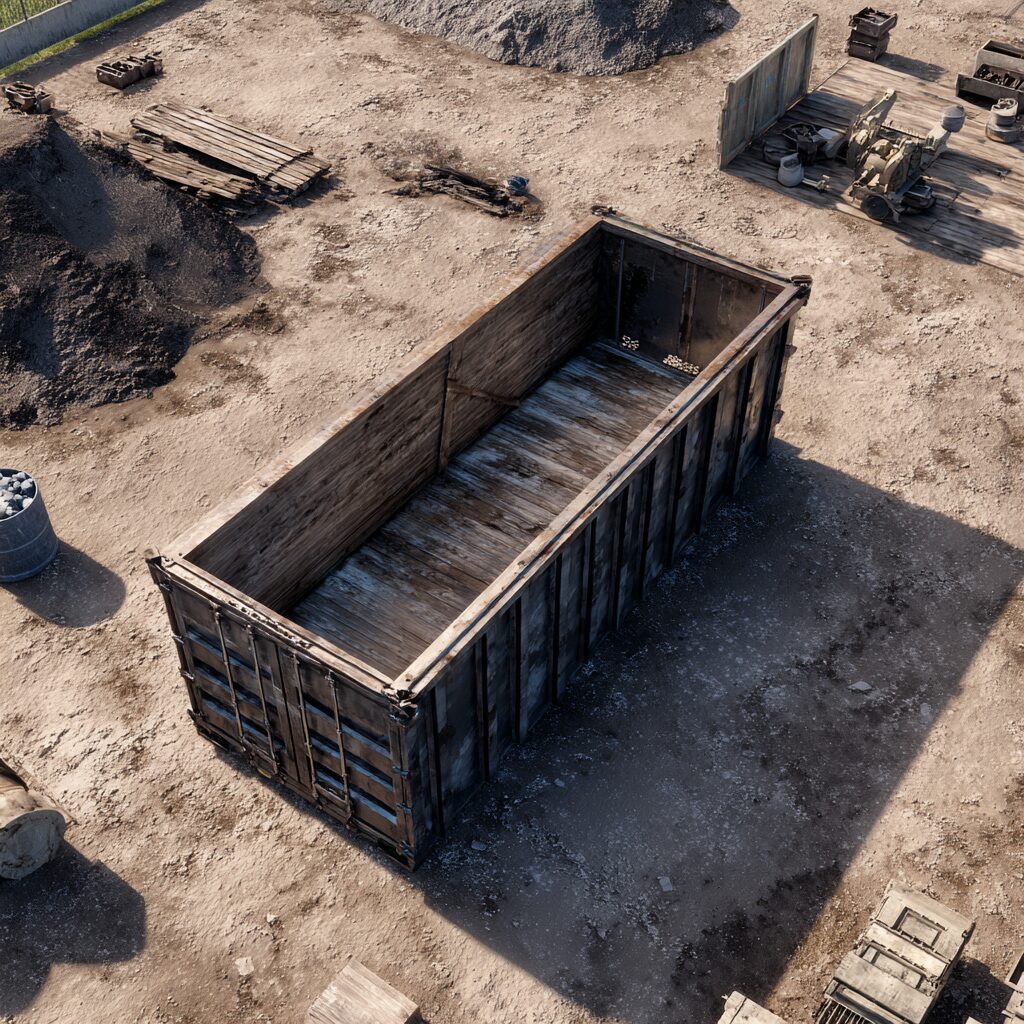
Choosing between roll-off and front-load containers depends entirely on your North Carolina project’s timeline and waste volume. Temporary projects need roll-off units that arrive on specialized trucks. Permanent business waste requires front-load containers with regular service schedules.
Roll-Off Versus Front Load Options
Roll-off dumpsters are the champions of temporary projects. They get delivered to your site and picked up when full. These open-top units work perfectly for construction sites and home renovations.
Front-load containers serve businesses with ongoing disposal needs. You see them behind restaurants and shopping centers. They feature lids and get emptied on fixed schedules by trucks with mechanical arms.
Selecting Your Ideal Container Size
The 10-yard unit handles small garage cleanouts or bathroom remodels. It’s surprisingly spacious for most residential tasks. This size works well for post-storm yard debris cleanup too.
Consider the 20-yard dumpster for multiple room renovations. It’s the most popular choice for homeowners. You get serious capacity without overwhelming your driveway space.
Large commercial projects need 30 or 40-yard containers. These giants handle new construction and whole-building cleanouts. The 40-yard unit stands nearly 7 feet tall for dock loading.
Most containers range from 3.5 to 5 feet tall for easy ground access. Balance your project scope with available space when selecting your rental. Professional companies help you find the perfect fit.
Geographical and Seasonal Factors in Dumpster Rental Decisions
The central location serving both Greensboro and Raleigh creates unique seasonal challenges for effective debris disposal. Your project timing matters more than you might think in this region.
Weather Impacts on Dumpster Use and Safety
North Carolina’s humid summers bring afternoon thunderstorms that can soak your materials. Always cover your container with a tarp when rain is forecast.
Secure it with bungee cords to prevent water absorption. Heavy, wet debris can push you over weight limits and trigger extra fees.
Winter ice storms may delay deliveries. Plan extra time during colder months. Summer heat requires safety precautions for workers loading materials.
Best Practices for Effective Waste Management
Getting the most from your waste disposal service means knowing exactly what goes in and what stays out. Smart management starts with understanding what materials belong in your container.
This knowledge saves you time and prevents extra fees. Let’s break down the do’s and don’ts for efficient debris removal.
Proper Disposal of Construction and Household Debris
Your rental handles most common materials from home projects and construction sites. Furniture, appliances, and general trash from cleanup efforts are all acceptable.
- Construction debris like drywall, lumber, and roofing materials make up the bulk of many loads. Even heavy items like concrete and brick can go in, but watch those weight limits.
- Yard waste from landscape projects works perfectly too. Tree branches, grass clippings, and shrubs fit nicely. Just confirm size restrictions with your company first.
- Some items require special handling for safety and environmental reasons. Hazardous materials like paint, chemicals, and pesticides cannot go in your container.
- Electronics need separate recycling through retailers like Best Buy or Staples. Liquids like motor oil and cleaning products are prohibited as well.
Loading your container properly maximizes space and safety. Break down large items and distribute weight evenly.
Fill the unit level rather than creating dangerous piles. Remember that concrete and dirt are heavy – going over weight limits means extra fees.
When in doubt about specific items, call your rental provider. They’ll give you clear answers to keep your project running smoothly.
Your Greensboro Waste Management Partner
From manufacturing facilities along the industrial corridor to residential renovations in Irving Park, our guide to rented dumpster use in Greensboro, North Carolina equips you with local knowledge to help you save and find success.
Prime Dumpster coordinates container solutions across Greensboro and the greater Triad region, understanding everything from downtown Lane Closure Permit requirements to the seasonal weather patterns that affect debris management from summer thunderstorms through occasional winter ice.
Contact our team to discover how our Greensboro expertise simplifies waste management for construction projects, renovations, commercial cleanouts and events, keeping your operations efficient whether you’re working near Center City Park or managing a warehouse expansion in the distribution hub.
If you are looking for Guide to Raleigh Dumpster Rentals, Click Here
Recent Posts


Follow Us
Have any questions?
+1 844 853 3867
Give us a call today so we can help you find the right waste & sanitation solution for
your project!
Contact Us