
Mon - Sat 7:00 am to 7:00 pm
REQUEST A QUOTE
UNLOCK THE BEST DEALS FOR YOUR DUMPSTER AND PORTA POTTY RENTAL NEEDS!
Home Resources Dumpster Rental Resources Dumpster Rental FAQs
Dumpster Rental FAQ
We asked our Prime Dumpster Pros to answer the most common questions we hear about renting and using a roll-off dumpster. Whether you’re a first-time renter or a seasoned contractor, you’ll find straight answers to the questions that matter most in the following dumpster rental FAQ.
Quick Navigation
Have a specific question? We’ve categorized our FAQs so you can find the information you need in seconds.
Questions About Ordering a Dumpster
Let’s start our dumpster rental FAQs with beginner-friendly questions about what these containers are and how to order one.
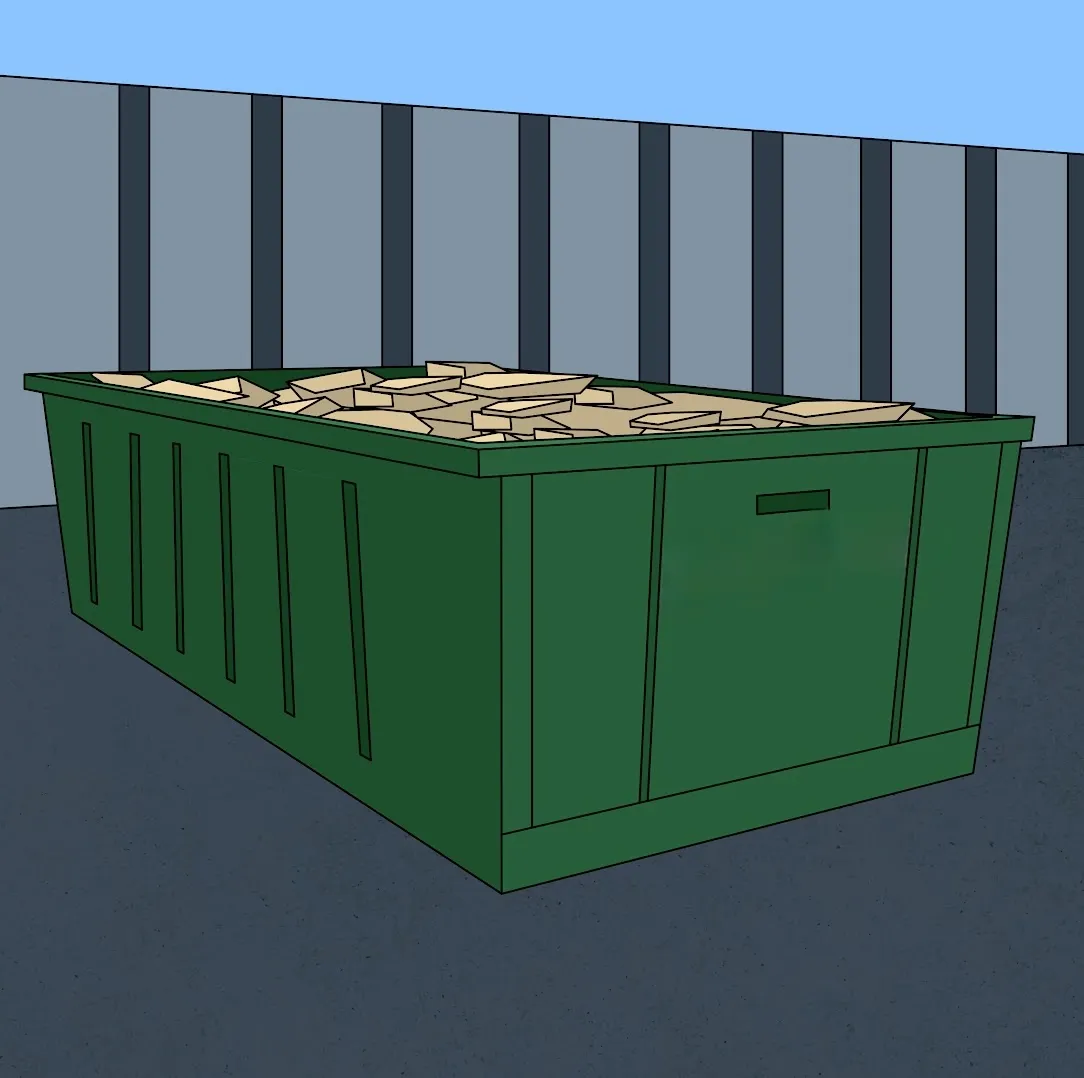
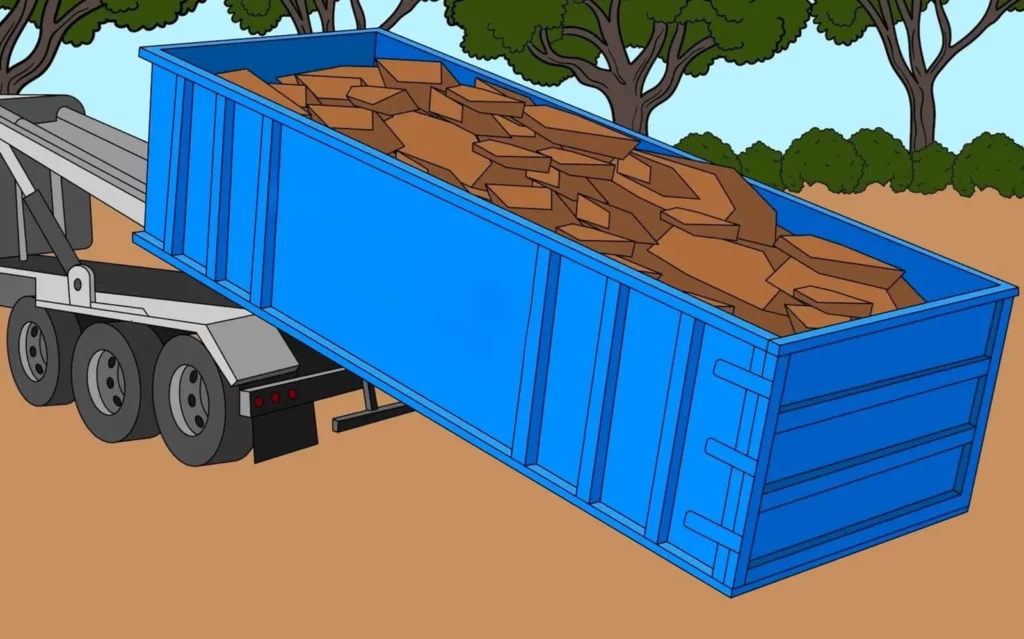
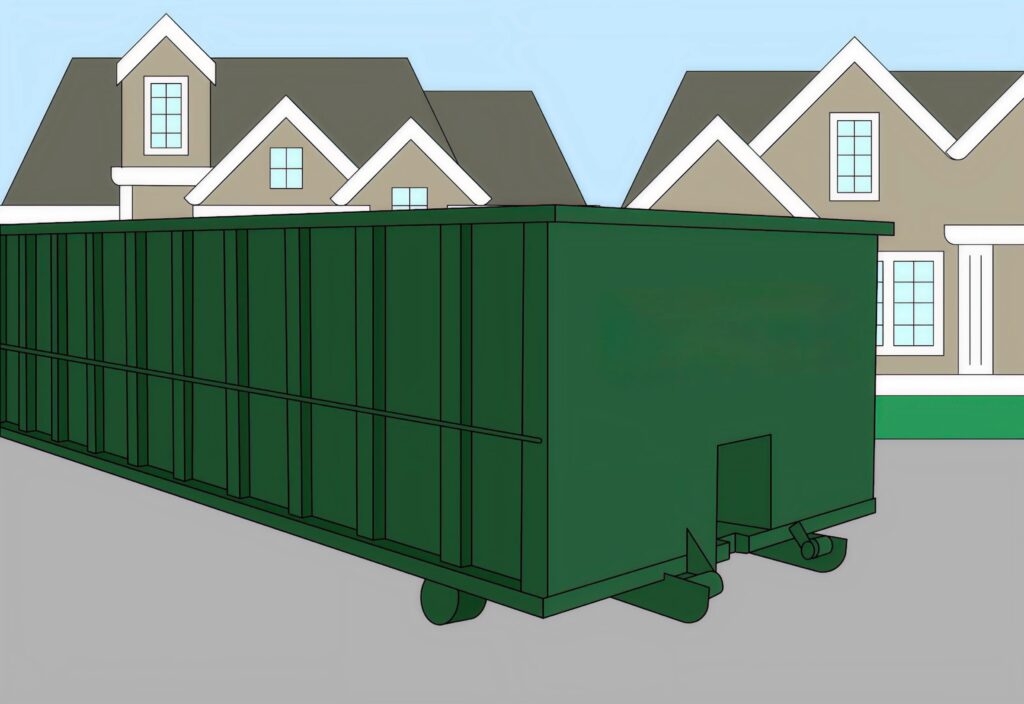
A roll-off dumpster is an open-top container delivered and picked up by a specialized truck. It’s designed for collecting and disposing of large volumes of waste from construction, renovation, cleanout, and similar projects. The open top makes loading easy, and the container is hauled away with all of its contents when your rental period ends.
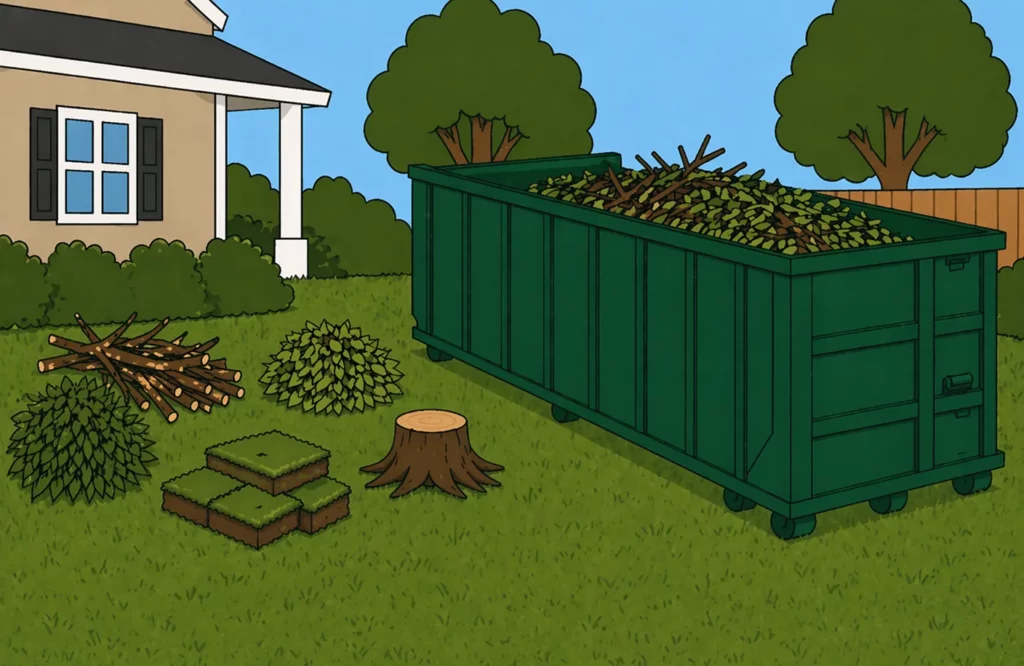
Roll-off dumpsters are used for a wide range of projects, including home renovations, roofing tear-offs, garage and estate cleanouts, landscaping, construction, and commercial demolition. They’re also commonly used for large events, like festivals and sporting events, that require significant waste management. If your project generates more debris than standard trash collection can handle, a roll-off dumpster is likely the right solution.
Renting from Prime Dumpster is straightforward — contact our team by phone or through our website to discuss your project and get a quote. We’ll help you select the right container size and arrange delivery to your location. Have your project details, preferred delivery date, and placement location ready when you reach out.
The right size depends on the type and volume of debris your project will generate. Small remodels and heavy material disposal typically fit in a 10 or 15-yard container, while larger renovations and commercial projects often require a 30 or 40-yard. Our team can help you find the right fit if you’re unsure.
Yes. Large projects that generate high debris volumes often require more than one container, either because of the sheer amount of waste or because different material types need to be separated. Projects involving both heavy materials like concrete and lighter construction debris, for example, are often best handled with a dedicated 10-yard container for the heavy material and a larger container for everything else.
Having a few key details ready speeds up the ordering process. These include your project type, estimated debris volume and material types, preferred delivery date, and the address and placement location for the container.
Questions About Dumpster Pricing
Our Pros also have plenty of dumpster rental tips about how much dumpster rentals cost and ways you can save.
Roll-off dumpster rentals from Prime Dumpster typically range from $399 to $899 depending on container size and location. Rental periods, debris weight, and local market conditions also influence the final price. These are general estimates — actual costs vary by project.
Container size is the biggest pricing factor, but it’s not the only one. Debris type and weight, rental duration, delivery distance, and local disposal fees all contribute to your final cost. Seasonal demand can also affect pricing, with spring and fall typically seeing higher rates.
Most dumpster rentals include delivery, pickup, and a base weight allowance in the quoted price. Additional fees can apply if you exceed your weight limit, keep the container beyond your rental period, or dispose of prohibited materials. Asking for a full breakdown of potential fees before booking helps avoid surprises.
Payment is typically collected at the time of booking or before delivery. Some providers require a deposit up front with the balance due at pickup. Confirm the payment schedule with your rental provider when placing your order.
Exceeding your container’s included weight allowance triggers a per-ton overage fee added to your final bill. In some cases, the container may need to be partially unloaded before it can be safely transported. Accurately estimating your debris weight before booking is the best way to avoid this.
In most cases, renting one larger container is more cost-effective than renting multiple smaller ones. Delivery fees remain relatively consistent regardless of container size, so consolidating into a single larger rental eliminates the additional delivery and pickup costs that come with each extra container.
Questions About Dumpster Rental Scheduling
At this point in our dumpster rental FAQ, we’re taking a look at common questions about scheduling, delivering and other dumpster rental rules related to your rolloff rental.
You choose the placement location when you book, and our team will confirm it’s suitable for delivery. The driver will place the container as close to your specified spot as safely possible, accounting for overhead clearance, surface conditions, and truck access requirements.
A loaded dumpster is heavy, and there is some risk of cracking or surface damage on older or weakened driveways. Placing plywood boards under the container’s contact points helps distribute the weight and reduce the chance of damage. If you’re concerned about your driveway’s condition, let our team know when booking and we can advise on the best approach.
Delivery windows vary based on your location, scheduling availability, and how far in advance you book. You do not need to be present for delivery as long as the placement area is clearly identified and accessible to the driver.
Notification policies vary by provider and location. If confirming delivery timing is important to your project schedule, let our team know when booking so we can make the appropriate arrangements.
Contact Prime Dumpster directly to schedule your pickup when you’re ready. If you see a phone number printed on the side of the dumpster, note that it typically belongs to the hauler. For customer service, billing, or scheduling questions, always reach out to Prime Dumpster directly.
In most cases, renting one larger container is more cost-effective than renting multiple smaller ones. Delivery fees remain relatively consistent regardless of container size, so consolidating into a single larger rental eliminates the additional delivery and pickup costs that come with each extra container.
Questions About Dumpster Use
Understanding the answers to these dumpster rental FAQ common questions is important because they directly relate to safety. Here’s what the Pros have to say about using your rented dumpster.
Most roll-off dumpsters have a hinged swing door on one end secured by a latch or pin. Lift or slide the latch to release it, then swing the door outward to create a ground-level opening for wheelbarrows, hand trucks, or heavy items. Make sure the door is fully secured again after loading to prevent it from swinging open during pickup.
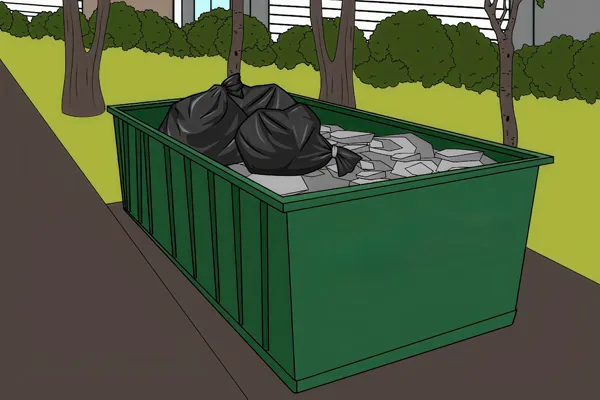
Start by placing the heaviest items flat on the bottom of the container and distribute weight evenly across the floor. Break down large items like furniture and cardboard boxes to maximize available space. Fill in gaps with smaller debris and never load materials above the container’s fill line, as overfilled dumpsters cannot be legally transported.
Most household, construction, and renovation debris is acceptable, including drywall, lumber, flooring, furniture, appliances, yard waste, and general junk. Acceptable materials can vary by location and provider, so confirming what’s allowed in your area before loading is always a good idea.
Prohibited materials typically include hazardous waste, chemicals, paint, batteries, tires, electronics, medical waste, asbestos, and flammable materials. These items require special disposal methods and cannot be transported in a standard roll-off container. Disposing of prohibited materials in a dumpster can result in additional fees or project delays.
A dumpster lock or hasp can be added to most containers to prevent unauthorized use. Positioning the container in a well-lit, visible area also deters people from dumping materials without permission. If theft or unauthorized use is a concern, let your rental provider know when booking so the right security measures can be arranged.
Contact your rental provider as soon as possible and explain what was disposed of. If the item is a prohibited material, removal will need to be arranged before pickup. Retrieving items from a dumpster yourself is not recommended for safety reasons.
Most roll-off dumpsters can be covered with a tarp secured over the open top. Keeping your container covered during wet weather prevents water from saturating your debris, which can add significant weight and potentially trigger overage fees. Ask your rental provider about cover options when booking if your project spans multiple days in wet conditions.
Questions About Dumpster Sizes
This section of our dumpster rental FAQ covers the most common questions we hear about rolloff dumpster sizes, from what’s available to how to choose the right one for your project.
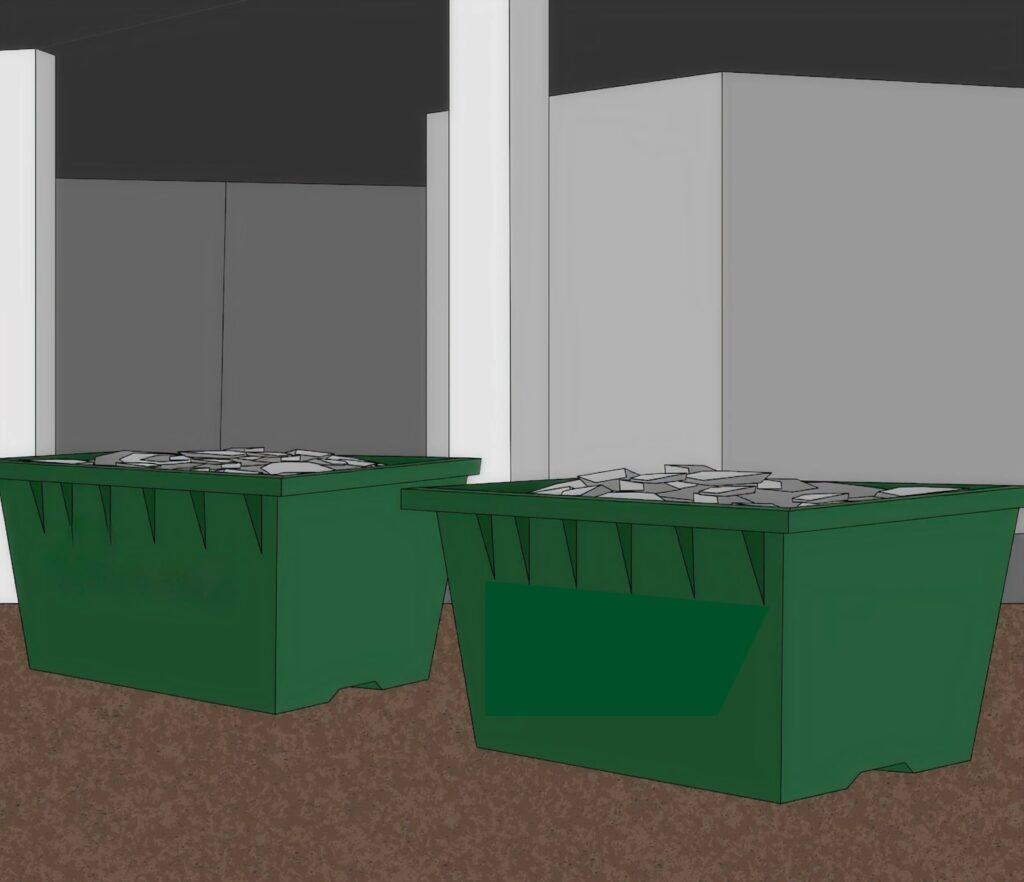
Roll-off dumpsters are available in five standard sizes: 10, 15, 20, 30, and 40 cubic yards. Each size is designed for different project scopes, from small residential cleanouts to large commercial demolitions. The number refers to the container’s volume capacity, not its physical length.
The 20-yard dumpster is the most popular size for both residential and light commercial projects. It holds enough debris to handle most single-family renovations, roofing jobs, and estate cleanouts without being too large for a standard driveway. Its balance of capacity and manageable footprint makes it the go-to choice for a wide range of projects.
Most 10, 15, and 20-yard dumpsters fit comfortably in a standard single-car driveway. A 30-yard container typically requires a two-car driveway, and a 40-yard is generally only feasible on a job site or commercial property. Providing your driveway’s exact dimensions when booking helps confirm the right fit before delivery day.
If your container fills up before your project is complete, a swap or additional container can usually be arranged, but it will add to your cost and may delay your timeline. Sizing up slightly when you’re on the border between two sizes is almost always the more cost-effective decision upfront.
No. Heavy materials like concrete, brick, asphalt, and soil should only go in a 10-yard dumpster regardless of project size. These materials are dense enough to exceed the weight limits of larger containers before they fill even a fraction of the available volume, triggering overage fees and creating unsafe hauling conditions.
In most cases, renting one larger container is more cost-effective than renting multiple smaller ones. Delivery fees remain relatively consistent regardless of container size, so consolidating into a single larger rental eliminates the additional delivery and pickup costs that come with each extra container.
Questions About Dumpster Permits
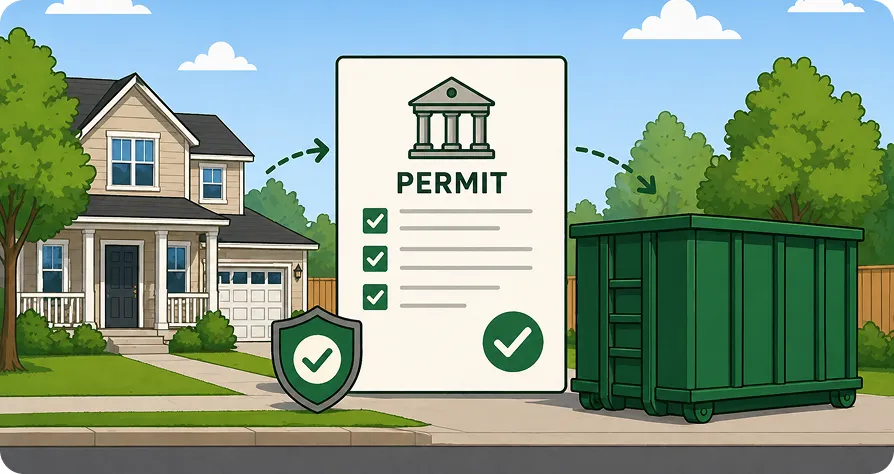
The following section covers common questions about dumpster permits, one of the most frequently misunderstood aspects of dumpster rental terms and conditions. Knowing when a permit is required and how to get one can save you from fines, delays, and last-minute complications on your project.
Not always. Private property placements like driveways, construction sites, and private lots generally don’t require one. The moment your container touches a public street, sidewalk, or alley, permit requirements almost certainly apply.
Start with your city or county’s public works website to find the right application. You’ll generally need to provide your address, placement details, container dimensions, and how long you plan to keep it there. Build in extra time because, while some municipalities issue permits quickly, others can take several weeks.
There’s no standard answer since fees are set locally and vary considerably. Some cities charge as little as $20 while others run into the hundreds, depending on placement duration and location. Your local permit office is the best source for exact figures.
Yes, and in some areas it’s actually required that the hauler pull the permit rather than the renter. Either way, reach out to Prime Dumpster early. At least five business days before your target delivery date gives us enough time to get everything in order before your container arrives.
Fines are the most immediate consequence, but forced removal is also possible, which can bring your project to a halt at the worst possible time. The cost and hassle of dealing with a violation far outweigh the time it takes to apply for a permit upfront.
A few days in some places, a couple of weeks in others. There’s no universal timeline, which is exactly why applying early matters. Waiting until the week of your delivery is a gamble that doesn’t always pay off.
Additional Dumpster Resources
Dumpster Rental Resources
Find everything you need for your dumpster rental, from sizing and pricing to permits.

Dumpster Rental Sizes
Learn more about dumpster sizes and how to find the best option.
Dumpster Permit Guide
Your dumpster might need a permit for placement. Learn more here.
Give us a call today so we can help you find the right waste & sanitation solution for your project!