
Mon - Sat 7:00 am to 7:00 pm

Guide to Renting a Dumpster for Industrial Sites in Kalispell, Montana
Running an industrial facility in the Flathead Valley comes with its own set of puzzles. One of the biggest? Figuring out what to do with all the stuff you need to throw away.
If you’re a plant manager or supervisor, you know that waste from manufacturing, warehousing, or processing isn’t like household trash. It needs a professional solution.
At Prime Dumpster, we’ve created a guide to cut through the confusion and give you clear, practical steps for understanding industrial waste disposal. You’ll learn how to assess your specific waste stream, choose the right container size, and stay on the right side of local rules. It’s all about keeping your Kalispell operation clean, compliant, and running smoothly.
Local Industrial and Waste Management Landscape in Kalispell
The heartbeat of Flathead Valley’s economy pulses through its industrial parks. You’ll find everything from lumber mills to food plants here. Each sector has unique requirements for handling its byproducts.
Local Industries and Facility Needs
Kalispell serves as a commercial hub. Wood product manufacturers generate sawdust and scrap. Food processors deal with organic waste.
Metal fabrication shops have metal scraps and fluids. Distribution centers along Highway 93 produce cardboard and packaging materials. These varied streams demand different disposal services, including dumpster rental options for your facilities.
| Industry Type | Common Waste Streams | Handling Considerations |
| Wood Products Manufacturing | Sawdust, wood scraps, pallets | High volume, recyclable material |
| Food Processing | Organic waste, packaging, byproducts | Perishable, may require frequent pickup |
| Metal Fabrication | Metal shavings, empty containers, lubricants | Heavy weight, potential for recycling |
| Distribution Centers | Cardboard, plastic wrap, dunnage | Bulky but often compactable |
Geographic Considerations for Waste Disposal
Your site’s location matters. Proximity to Glacier National Park means strict environmental rules. Heavy winter snow can delay collection services.
Being far from big cities requires careful logistics planning. You need reliable waste management partners for dumpster rental delivery. They ensure your operations don’t face disruptions.
The growing population increases demand for these services. Choose solutions that respect Montana’s pristine environment.
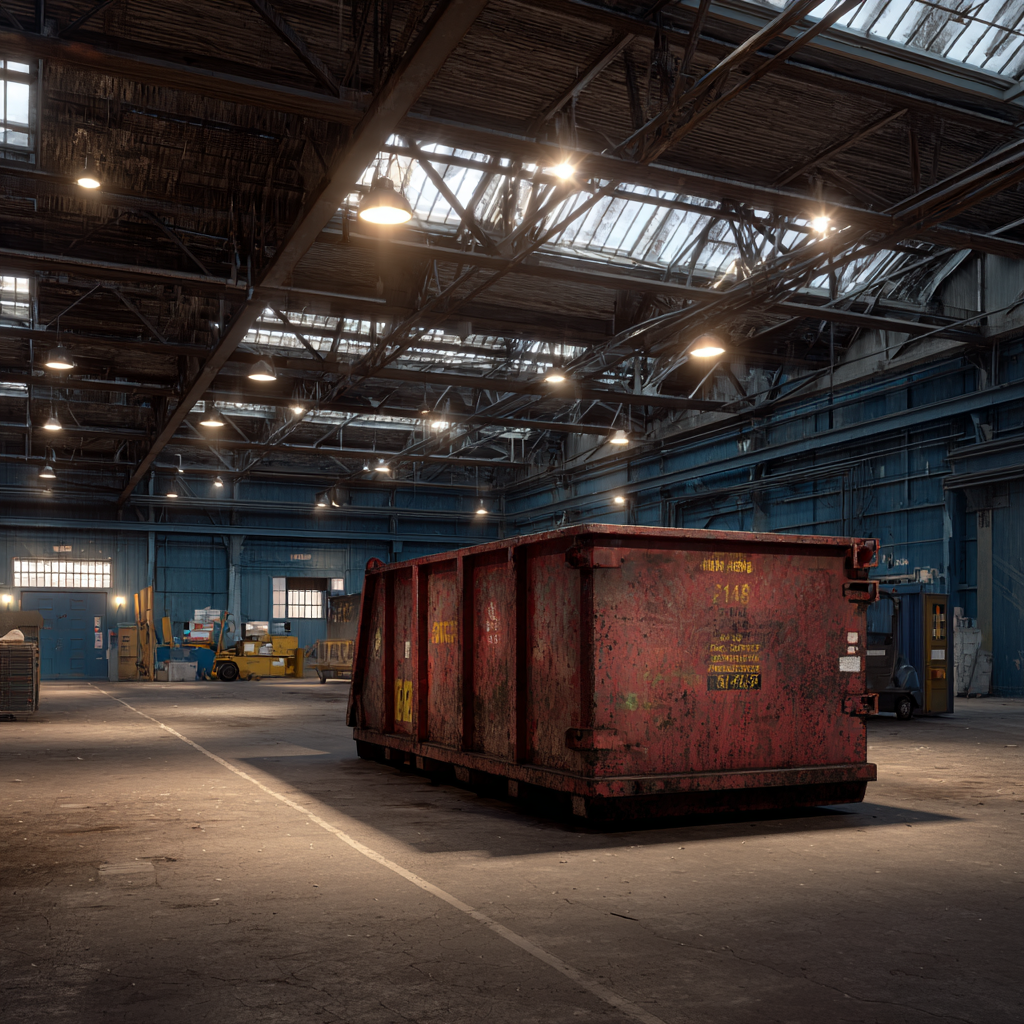
Considerations for Industrial Waste Disposal Solutions
Before selecting any disposal solution, you must first understand the composition of your facility’s waste stream. Not all debris is created equal, and mixing incompatible materials can create compliance headaches.
Getting this right saves time and avoids costly mistakes. Let’s look at what typically comes out of industrial operations.
Different Types of Industrial Waste
Your plant likely generates several distinct categories. Construction debris from projects includes wood, drywall, and concrete. These heavy materials need appropriate handling.
Yard waste from property maintenance is another common stream. Think branches, grass clippings, and soil.
Manufacturing creates production scrap like metal shavings and plastic components. Many facilities find value in recycling these materials.
Then there are specialized items requiring extra care. Hazardous substances like chemicals or asbestos need designated containers. They follow strict disposal protocols.
Knowing what goes where prevents contamination issues. It also helps you avoid fees for improper waste mixing. Accurate characterization is your first step toward a smooth operation.
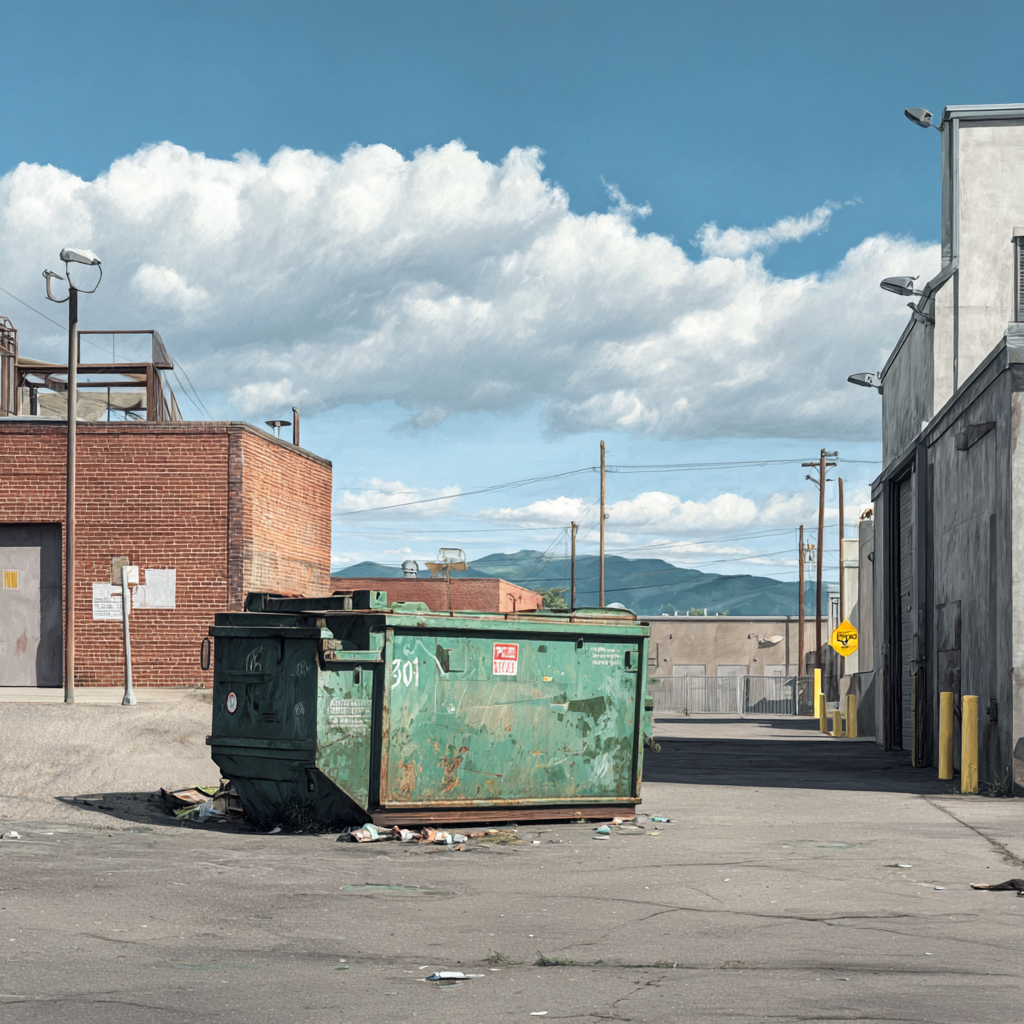
Renting a Dumpster for Industrial Sites in Kalispell, Montana
Getting the right container for your plant’s cleanup is more than just picking a size. This process requires a clear plan.
You need to match your facility’s output with a service that fits your schedule and budget. Let’s walk through the main steps.
Evaluating Capacity and Dumpster Options
Start by looking at your waste generation. How much debris does your weekly operation create?
Container capacity is listed in cubic yards. Common choices are 20 yard and 30 yard units. These often work for construction debris and warehouse cleanouts.
Think about your site’s layout too. Ensure there’s solid ground for placement and enough room for truck delivery. Overhead wires can be a problem.
When you contact a provider, describe your project scope. Be ready to discuss waste types and your timeline. This helps them recommend the correct container.
Safety and Compliance Best Practices
Once your unit arrives, placement matters for safety. Keep it away from busy traffic areas and doorways.
Good lighting around the container helps with after-hours use. Clear signage tells your team what materials are allowed inside.
Remember local rules. Kalispell has regulations about weight limits and prohibited items. Certain waste streams need special paperwork.
Talk with your rental service regularly. Clear communication handles schedule changes or extra pickups. It keeps your operation smooth and compliant.
Choosing the Right Dumpster Size for Warehouse and Plant Projects
Selecting the correct capacity for your rented dumpster prevents operational headaches from constant swaps with undersized units or wasted budget on oversized empties.
| Container Size | Approximate Dimensions (L x W x H) | Typical Industrial Use |
| 10-Yard Dumpster | 12′ x 8′ x 4′ | Small maintenance projects, office cleanouts, light manufacturing scrap remova, heavy debrisl |
| 15-Yard Dumpster | 16′ x 7.5′ x 4′ | Warehouse packaging waste, moderate production debris, small facility renovations |
| 20-Yard Dumpster | 22′ x 8′ x 4′ | Mid-sized construction projects, warehouse cleanouts, ongoing manufacturing waste streams |
| 30-Yard Dumpster | 22′ x 8′ x 6′ | Large plant renovations, new construction, high-volume production debris, major equipment removal |
| 40-Yard Dumpster | 22′ x 8′ x 8′ | Full facility demolitions, massive cleanouts, continuous heavy manufacturing operations |
Always estimate your physical waste volume based on past facility records if available, and get quotes for multiple size options to compare costs based on your actual needs rather than guesswork.
Our Calculator Resource Page contains free and easy ways to estimate concrete, shingles, drywall, and other common debris found in industrial settings.
Navigating Rental Terms and Local Regulations in Kalispell
A smooth rental experience hinges on clear terms and a firm grasp of Kalispell’s specific regulations. Getting this right saves you time and avoids last-minute surprises.
We’ll break down what you need to know about scheduling and the local rulebook.
Rental Periods and Pickup Scheduling
Standard rental periods often start at seven days. For ongoing facility needs, a monthly arrangement usually offers better value.
Coordinate your pickup schedule with your production cycles. Providers typically need 24 to 48 hours’ notice for a swap-out. This planning minimizes disruption to your daily workflow.
Local Waste Management Policies
Your operation must follow Flathead County and Montana DEQ rules. These govern what materials can go in your container and require proper waste characterization.
Local zoning may affect where you place your dumpster. Weight limits are strict due to road regulations.
Remember Kalispell’s winters. Snow can delay service and requires you to keep a clear path for delivery and pickup trucks.
Always verify your waste goes to a permitted disposal facility. Good communication with your rental service keeps your project compliant and on track.
You can view current information on dumpster permits on the City of Kalispell’s official website.
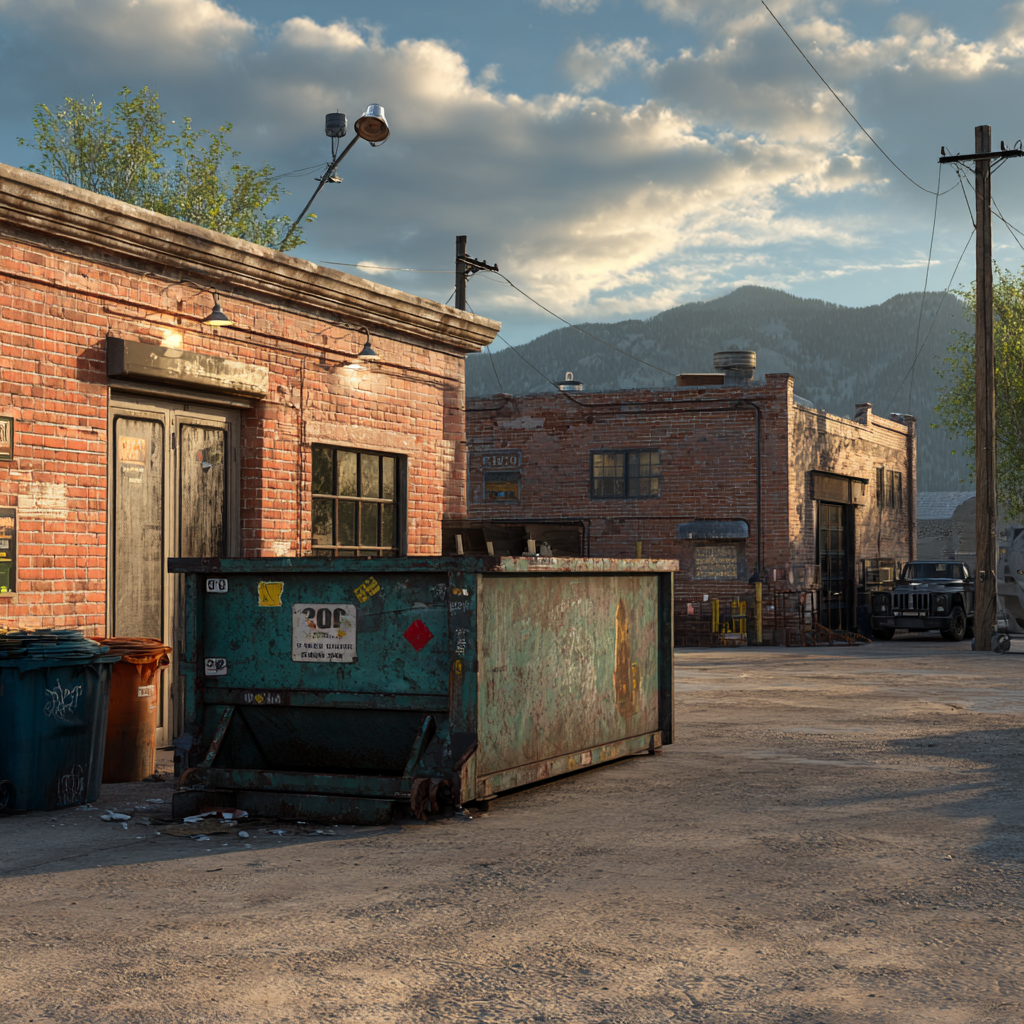
Best Practices for Efficient Dumpster Usage in Industrial Settings
Maximizing your dumpster’s efficiency isn’t about luck. It’s a process built on smart handling from the ground up.
Good practices save you money and keep your job site safe. They also make the entire disposal cycle run smoother.
Optimizing Waste Segregation and Handling
Start by training your team on proper loading. Break down large items like pallets before they go in. This crushes air gaps and creates more space.
Load heavier materials first to form a stable base. Then, lighter debris can fill in the top. This method helps you stay within weight limits.
Set up clear waste zones in your facility. This encourages segregation right at the source. Mixing prohibited items can get an entire load rejected, causing big delays.
- Monitor fill levels regularly to prevent overflows.
- Coordinate pickup schedules with your waste generation peaks.
- Use covers to keep rain out of containers with absorbent materials.
- Always place your container on stable, level ground.
Clear communication between your management and crew is vital. Everyone must understand the rules for what goes in the dumpster.
Integrating Dumpster Rentals into Industrial Waste Management Plans
For plant managers, a dumpster rental is a tool, not the entire waste management solution.
Your comprehensive plan should treat container services as one moving part. It must address all waste streams from creation to final disposal.
Coordination with Facility Operations
Successful integration starts with your schedule. Analyze production runs, maintenance windows, and seasonal work.
This predicts waste patterns so you can set the right service frequency. Coordinate pickups for low-activity periods to avoid workflow hiccups.
Keep talking with your service provider. Regular updates about upcoming projects or shutdowns allow for advance planning.
This prevents capacity shortfalls. For a big demolition job, you will need specialized planning with larger containers and more frequent haulaways.
| Scenario | Service Focus | Planning Horizon | Team Coordination |
| Routine Operations | Scheduled pickups for standard waste | Monthly/Quarterly | Operations manager & office staff |
| Planned Project | High-volume debris removal, like demolition | Weeks in advance | Project manager, ops team, & vendor |
| Emergency Situation | Rapid container swap or extra pickup | Immediate (24-48 hrs) | Facility supervisor & provider dispatch |
Get a quote for different service levels to understand pricing. This helps balance your budget with operational needs.
Have your office team keep direct contacts for scheduling. Use customer feedback to fine-tune service over time.
Your Kalispell Industrial Waste Management Partner
Effective renting of a dumpster for industrial sites in Kalispell, Montana starts with accurate waste stream characterization, appropriate container sizing based on debris volume and weight, and compliance with Flathead County and Montana DEQ regulations. Plant managers who coordinate pickups with production cycles, train crews on proper loading techniques, and plan for winter weather impacts maintain efficient operations without disruptions.
Facility supervisors who establish clear communication with providers, segregate waste at the source, and integrate container services into comprehensive management plans control costs while meeting environmental standards. Contact us to discuss your Kalispell industrial site requirements and secure dumpster solutions that handle diverse manufacturing waste streams, meet local compliance needs, and support sustainable operations across the Flathead Valley.
If you are looking for Your 2026 Guide to Dumpster Rentals for Construction in New York, New York, Click Here
Recent Posts


Follow Us
Have any questions?
+1 844 853 3867
Give us a call today so we can help you find the right waste & sanitation solution for
your project!
Contact Us