
Mon - Sat 7:00 am to 7:00 pm
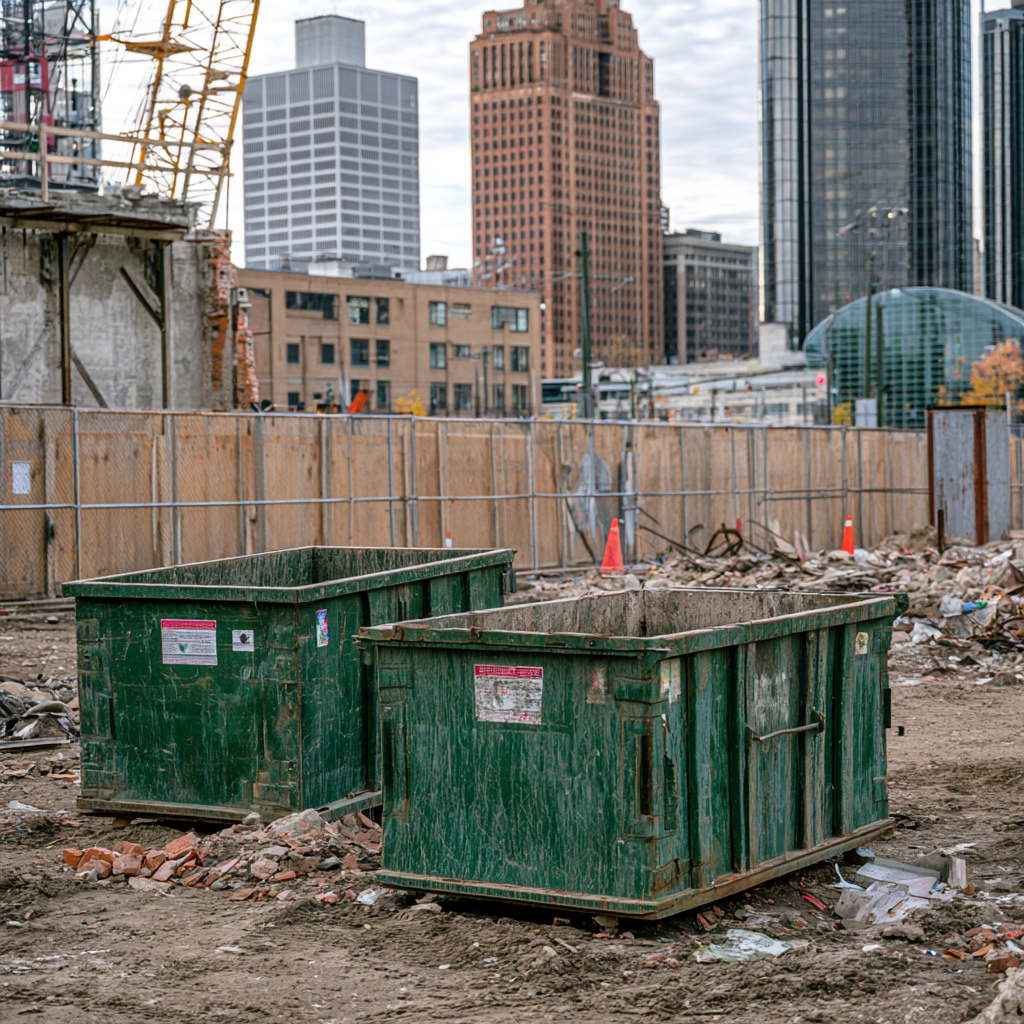
Dumpster Rental for Demolition and Construction in Detroit, MI
Detroit’s construction and demolition market spans a wider range of project types than most cities its size. Residential renovation in established neighborhoods, commercial redevelopment along major corridors, and large-scale urban demolition tied to the city’s ongoing revitalization all generate consistent dumpster rental demand across the metro.
Prime Dumpster coordinates dumpster rentals for construction and demolition projects across Detroit and the surrounding area. This guide covers container selection, debris management, job site placement, and rental period logistics for the most common project types in the Detroit market.
Fast Facts: Dumpster Rental for Detroit Construction and Demolition
Detroit’s construction and demolition projects generate some of the most common dumpster rental questions we hear in this market. Here are direct answers from our Pros about renting a dumpster in Detroit, MI for construction and demolition work.
What size container do most Detroit construction and demolition projects need?
“Most residential renovation and interior demolition projects fit within a 20-yard or 30-yard container depending on scope and debris type. Large commercial construction and full demolition projects typically start at a 30-yard and move up to a 40-yard for high-volume phases. Sizing for debris density matters as much as volume on Detroit jobs where older construction materials are involved.”
How do weight limits apply to dense demolition debris in Detroit?
“Every container comes with a weight allowance built into the base price, and demolition debris hits that limit faster than almost any other project type. Concrete, brick, and masonry from older Detroit buildings can max out a container’s weight allowance before it’s even half full by volume. Keeping those heavy materials in a dedicated 10-yard container prevents overage charges on the general debris container.”
Do Detroit construction and demolition sites need a permit for container placement?
“Private property placement on an active job site typically doesn’t require a city permit. Street or right-of-way placement is a different situation and requires a permit through the City of Detroit before delivery. Factoring permit lead time into the pre-construction schedule prevents delivery delays on jobs with firm start dates.”
The most current information will always be available on the city’s official site: Detroit Right of Way Permits and Standards
How do I manage a dumpster rental across multiple phases of a Detroit construction project?
“Plan container swaps around phase completions rather than calling when the container is already full and the crew is waiting. Booking the full rental arrangement at the start of the project rather than phase by phase almost always costs less than arranging individual short-term rentals in sequence. Building a buffer day or two into each rental period accounts for project delays without running up extension fees.”
Looking for help with preventing dumpster diving on the jobsite? Check out How to Prevent Illegal Dumping in Your Rented Dumpster in Detroit, MI
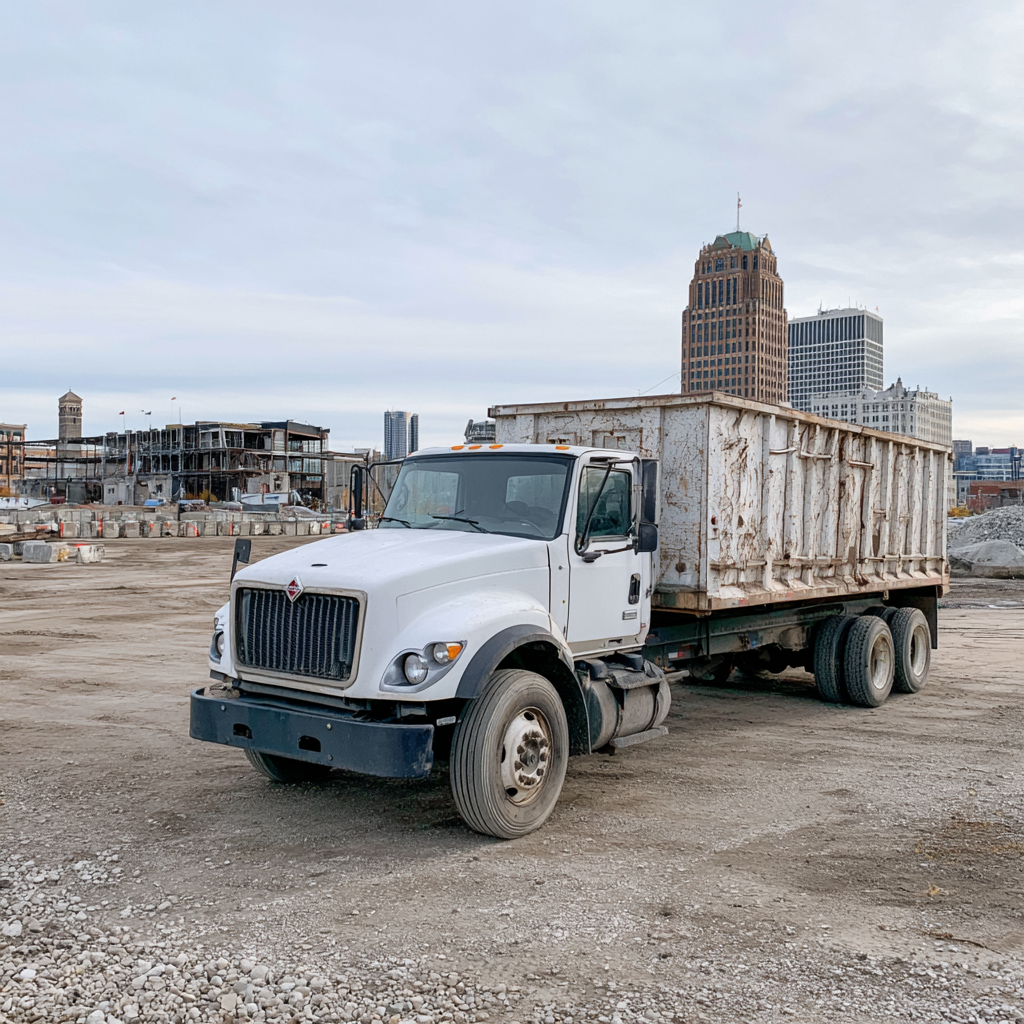
Common Construction and Demolition Uses in Detroit
Detroit’s construction and demolition market covers a wide range of project types, each generating debris at different rates and requiring different container strategies.
Residential Renovation
Detroit’s established neighborhoods generate consistent renovation demand from older housing stock that produces heavier debris than newer construction. Plaster walls, solid hardwood floors, and older masonry add weight quickly on projects that look manageable by volume.
Are you renovating or repairing an apartment complex or similar multifamily structure? Our experts weigh in with tips here: Q&A with the Prime Dumpster Pros: Dumpster Rental for Apartment Complexes in Detroit, MI
Interior Demolition
Interior demolition on Detroit’s older commercial and residential buildings produces a concentrated debris load in a short window. Structural materials, drywall, flooring, and mechanical components all accumulate faster than on a standard renovation project.
Commercial Construction
Commercial construction and buildout projects across Detroit’s redeveloping corridors generate mixed debris streams across extended timelines. A dedicated container arrangement tied to active construction phases keeps the site clear and the crew working without interruption.
Roofing
A full roofing tear-off on a Detroit residential or commercial building generates several tons of shingles, underlayment, and flashing before the new roof goes on. Roofing debris is deceptively heavy, and sizing for weight rather than visual volume prevents overage charges on what looks like a straightforward job.
New Builds
Ground-up construction in Detroit generates debris across multiple phases from site preparation through finish work. A 30-yard or 40-yard container is the practical starting point for most new builds, with swap scheduling tied to phase completions to keep the site clear throughout the project.
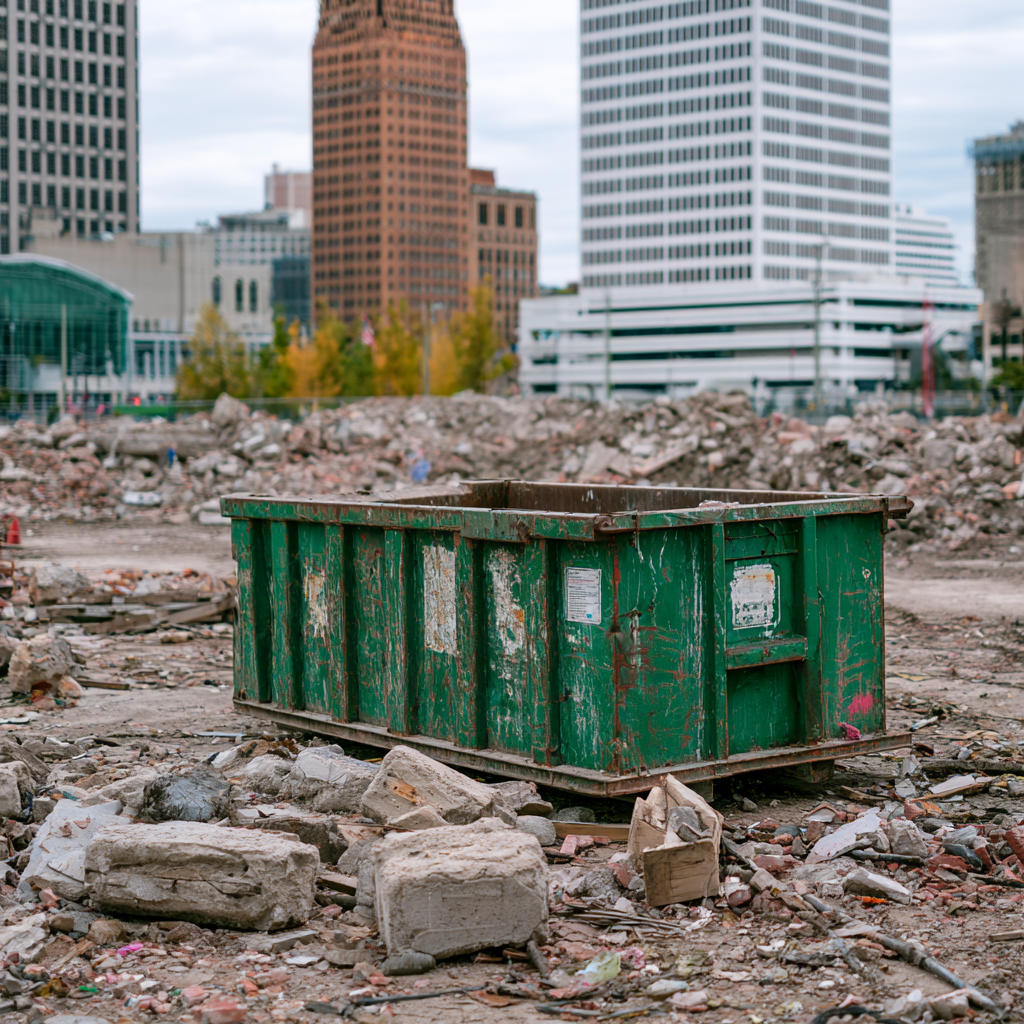
Debris Types and What Goes Where
Knowing what can and can’t go into a Detroit construction or demolition container prevents the disposal complications and added fees that catch contractors off guard at the end of a rental.
Accepted Materials
Standard construction and demolition debris is accepted in most roll-off containers in Detroit.
- Drywall, lumber, framing materials, and insulation
- Roofing materials including shingles, underlayment, and flashing
- Furniture, fixtures, and general cleanout debris from residential and commercial projects
Keep in mind that weight limits always apply, even with approved debris types.
Prohibited Items
Michigan state regulations prohibit a defined set of materials from entering the standard waste stream.
- Paints, solvents, chemicals, and hazardous liquids
- Electronics, batteries, tires, and appliances containing refrigerants
- Asbestos-containing materials, which require licensed abatement and separate disposal
Mixed loads that combine general construction debris with heavy materials such as concrete, brick, and masonry can create weight distribution problems and overage charges that add to the final invoice. Keeping heavy materials in a dedicated 10-yard container separate from lighter general debris is the most cost-effective approach on any Detroit construction or demolition project.
Separated material streams also simplify the disposal process at the facility. A load that arrives pre-sorted costs less to process than a mixed load, and those savings are reflected in the overall rental cost when flat-rate pricing is structured around clean, separated debris.
Placement on Detroit Job Sites
“Getting placement right on a Detroit construction or demolition site comes down to preparation before the truck arrives, not problem-solving after it gets there,” says the Prime Dumpster Pro. “The sites that run smoothly are the ones where the surface is confirmed, the path is clear, and the permit is already in hand.”
Placement on an active Detroit job site involves a few practical decisions that affect how smoothly every delivery and pickup goes.
- Confirm the surface before booking. A loaded roll-off container requires a hard, stable, level surface. Unpaved lots and soft ground common on Detroit demolition sites can shift under the weight of a full container.
- Clear the delivery path in advance. A roll-off truck needs roughly 60 feet of clearance in front of the placement location and adequate overhead clearance along the approach route. Removing vehicles, equipment, and debris from the path before the scheduled delivery prevents the delays that push a project start back by hours.
- Know when a permit is required. Private property placement on an active job site typically doesn’t require a city permit. Any container that needs to sit on a public street or right-of-way in Detroit requires a permit through the City of Detroit before delivery.
- Position the container close to the active work zone. A container placed near the demolition or construction area reduces the distance debris travels before it reaches the disposal point. Less handling time per load adds up to meaningful labor savings across a long project.
- Use protective boards on sensitive surfaces. Older paving and finished surfaces common on Detroit renovation sites can be damaged by the weight of a loaded container. Boards under the contact points distribute the load and prevent surface damage that creates repair costs after the project is done.
A few minutes of preparation before delivery day keeps placement from becoming the most avoidable problem on an active Detroit job site.
Plan Your Detroit Demolition and Construction Dumpster Rental
Dumpster rental for demolition and construction in Detroit, MI, works best when container sizing, debris sorting, placement logistics, and rental period management are treated as part of the project plan from the start. Whether the job is a residential gut rehab in an established neighborhood or a large-scale commercial demolition downtown, the right container and a little advance planning keep debris from slowing the work down. Contact our team for a flat-rate quote tailored to your Detroit construction or demolition project scope, debris type, and timeline.
If you are looking for Q&A with the Prime Dumpster Pros: Dumpster Rental for Fort Worth, TX, Click Here
Recent Posts


Follow Us
Have any questions?
+1 844 853 3867
Give us a call today so we can help you find the right waste & sanitation solution for
your project!
Contact Us