
Mon - Sat 7:00 am to 7:00 pm

How to Prevent Illegal Dumping in Your Rented Dumpster in Detroit, MI
Illegal dumping is a persistent problem in Detroit, and innocent people are often the ones who pay for it. When unauthorized materials end up in your container, you may face overage fees, disposal surcharges, and, in some cases, legal exposure under Michigan state law and Detroit city ordinances.
At Prime Dumpster, we’ve created a guide to help prevent illegal dumping in a rented dumpster in Detroit, Michigan. Learn what illegal dumping in rented dumpsters looks like in the Detroit market, why it matters, and what renters can do to prevent it across every common use scenario.
Fast Facts: Illegal Dumping in Rented Dumpsters in Detroit, MI
Unauthorized dumpster use is more common than most first-time renters expect, and the questions we hear most often reflect how little awareness there is about who’s responsible when it happens.
Here are straightforward answers to the most common questions about how to prevent illegal dumping when you rent a dumpster in Detroit, MI.
What does illegal dumping in a rented dumpster actually look like?
“It usually shows up as materials that don’t belong to your project, household trash bags from neighbors, tires, electronics, or construction debris from a nearby job site that someone decided to offload into a convenient open container. In Detroit, open containers left on streets or in driveways overnight are particularly vulnerable. By morning, it’s not uncommon to find materials you never put there.”
Who is responsible when someone dumps illegally in my rented container?
“As the renter, you’re responsible for the contents of your container. That means if prohibited materials end up in your load, the overage fees and disposal surcharges are yours to deal with, regardless of who put them there. Michigan law holds property owners and renters accountable for what leaves their site in a waste container, so the burden of preventing unauthorized use falls on you from the moment the container is delivered.”
What materials do people most commonly dump illegally in Detroit?
“Tires are at the top of the list, followed by electronics, appliances, paint cans, and household trash. These are items that cost money to dispose of properly, so people look for an easier out when they see an open container nearby. Construction sites are also common targets for competitors or subcontractors looking to avoid their own disposal costs.”
What is the single most effective thing I can do to prevent illegal dumping in my container?
“Visibility and duration are the two biggest factors. A container that’s in plain sight, well-lit, and picked up as soon as it’s full is far less likely to attract unauthorized use than one sitting in a dark corner of a lot for two weeks. Keep the rental period as short as your project allows and make the container visible from the street or from a camera.”
Preventing Illegal Dumping on Residential Properties
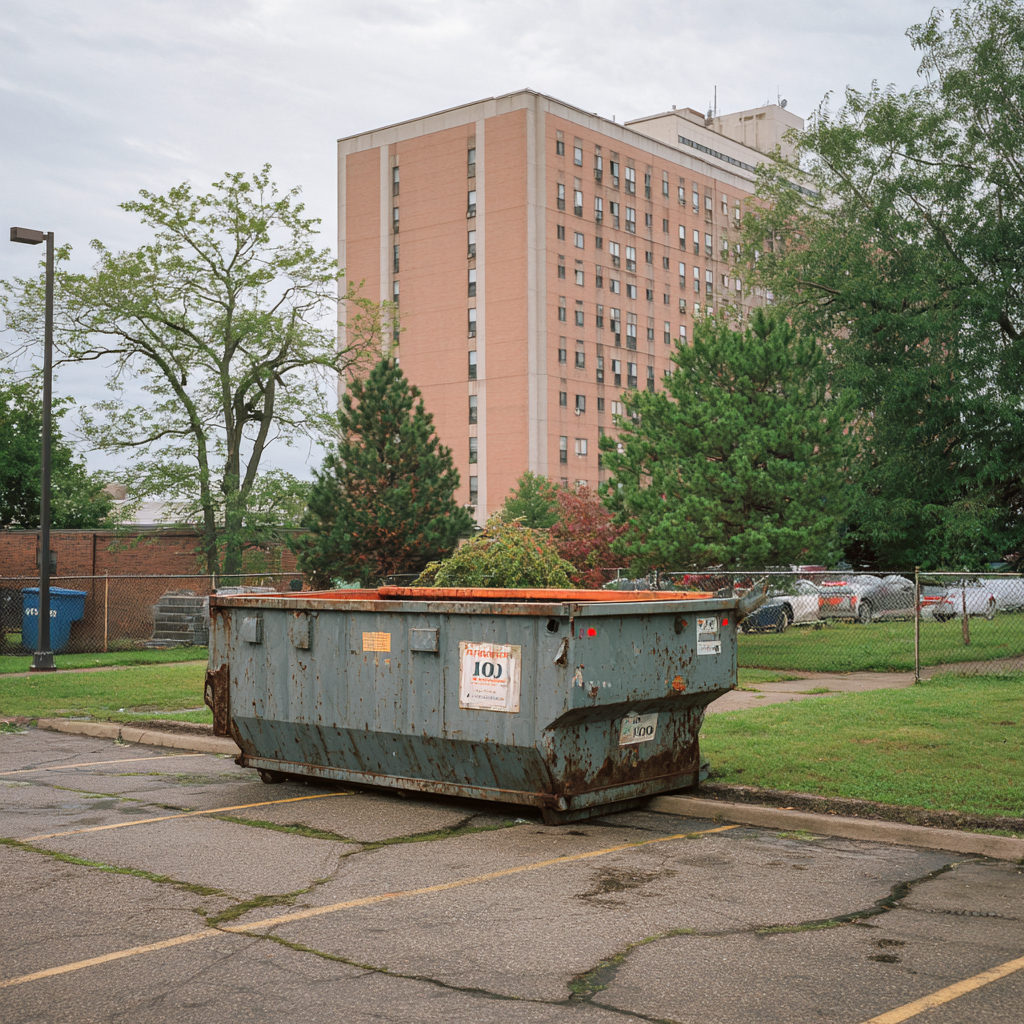
Detroit’s residential neighborhoods see some of the highest rates of opportunistic dumpster use in the region. A container sitting in a driveway or on a street is an open invitation to anyone looking to dispose of tires, household trash, or bulky items without paying for proper removal.
Placement visibility is one of the most effective deterrents. A container positioned in a well-lit area that’s visible from the street or from a front window is less likely to attract unauthorized use than one tucked into a side yard or alley after dark. Keeping porch lights or exterior lights on overnight during the rental period adds another layer of passive deterrence.
A few additional steps worth taking on residential rentals:
- Ask your provider about locking or tarping options to cover the container when it’s not being actively loaded.
- Post a visible “No Dumping” sign on or near the container. It won’t stop everyone, but it removes the plausible deniability of accidental misuse.
- Let neighbors know the container is yours and how long it will be there. A neighbor who knows the situation is more likely to flag suspicious activity.
Keeping the rental period as short as possible reduces exposure time significantly. The longer a container sits, the more opportunity there is for unauthorized dumping. Scheduling delivery close to when loading begins and pickup as soon as the container is full limits the window during which the container is vulnerable.
Preventing Illegal Dumping on Construction Sites
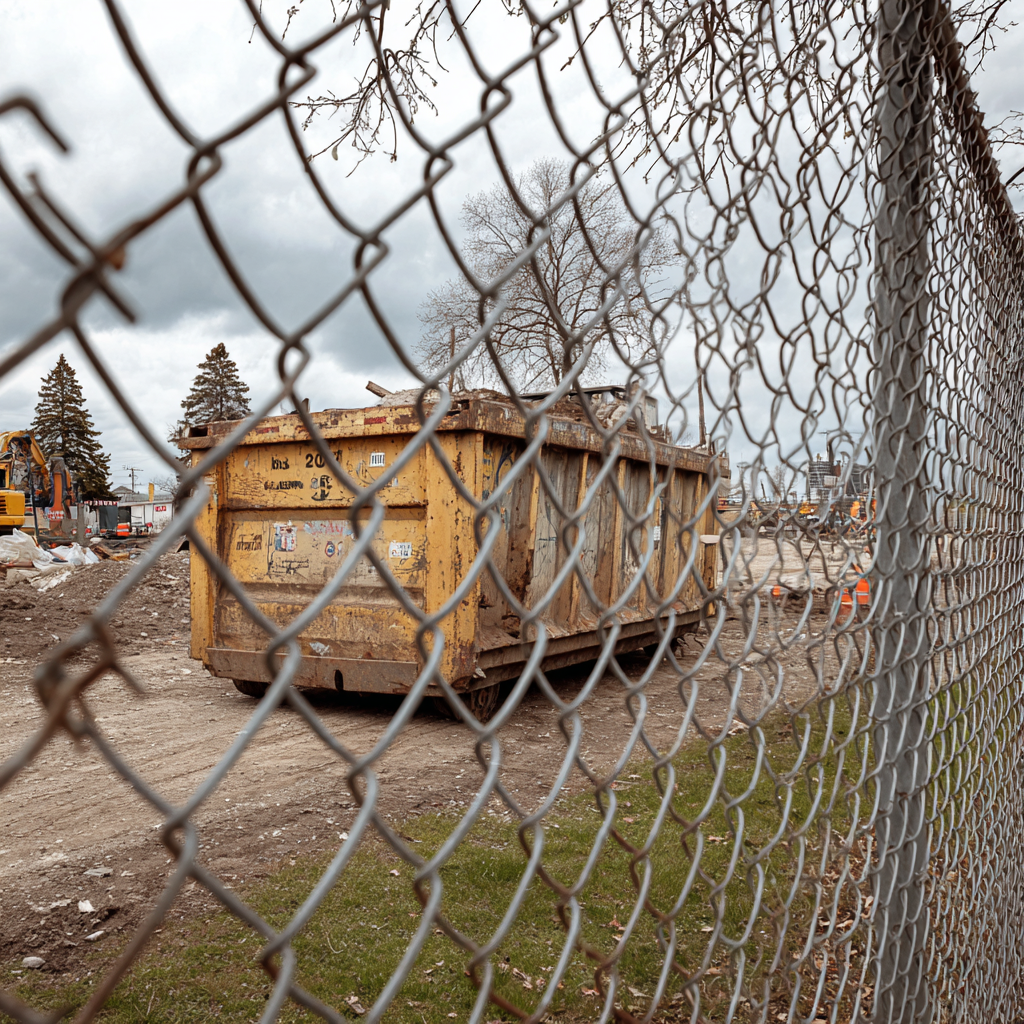
Construction sites in Detroit are high-value targets for illegal dumping. Open lots, reduced overnight supervision, and large containers create conditions that attract unauthorized disposal from neighboring properties, other contractors, and anyone looking to offload materials without paying disposal fees.
After-hours vulnerability is the biggest exposure on a construction site. During working hours, crew presence alone discourages most unauthorized use. Once the crew leaves for the day, an unsecured container on an open site is effectively unmonitored.
“Construction sites in Detroit need to treat the dumpster like any other piece of equipment on the job,” says the Prime Dumpster Pro. “That means securing it, lighting it, and positioning it where someone is going to notice if something goes wrong after hours.”
Signage matters more on construction sites than most project managers assume. Clear, visible signs identifying the container as private property and prohibiting unauthorized dumping create a paper trail if enforcement action becomes necessary. Michigan law allows property owners to pursue civil liability against identified illegal dumpers, and documentation of posted signage strengthens that position.
Temporary fencing around the container, motion-activated lighting near the placement area, and a camera covering the approach are practical investments on sites where the rental period extends beyond a few days. Scheduling container swaps so the unit is never left full and unattended overnight removes the opportunity for high-volume unauthorized dumping during off-hours.
Preventing Illegal Dumping at Commercial Properties
Commercial properties present a different set of challenges than residential or construction sites. Retail centers, office buildings, and mixed-use properties see regular foot and vehicle traffic throughout the day, which creates more opportunities for quick, opportunistic dumping that’s harder to catch in real time.
Camera coverage is the single most effective tool at commercial properties. A camera with a clear line of sight to the container creates a visual record of who approaches and what goes in. In Detroit, where illegal dumping complaints are among the more common code enforcement issues, video evidence can support a formal complaint or civil action against an identified dumper.
Access control matters for longer-term rentals at commercial sites. If the container is inside a fenced or gated area, keeping that access point locked outside of business hours removes the easiest opportunity for unauthorized use. Containers placed in open parking lots or loading areas without any physical barrier are far more vulnerable.
Tenant and lease considerations add another layer at multi-tenant properties. Landlords and property managers should communicate clearly with tenants about which container is for their use and what materials are prohibited. Unauthorized use by a tenant can generate the same overage fees and disposal surcharges as dumping by an outside party, and clarifying expectations in writing before the rental begins prevents disputes about who is responsible for those costs.
What to Do If Illegal Dumping Occurs
Discovering unauthorized materials in your container is frustrating, but taking the right steps quickly limits the financial and legal exposure.
- Document everything first. Before moving or removing any unauthorized materials, photograph the contents of the container from multiple angles. Timestamps on photos create a record that can support a formal complaint or dispute an overage charge.
- Report it to the City of Detroit. Detroit’s illegal dumping hotline and the Detroit Department of Public Works accept reports from property owners and renters who have been victimized by unauthorized dumping. Filing a report creates an official record and may prompt an investigation if the dumper can be identified.
- Notify your rental provider immediately. Contact your rental provider as soon as you discover the unauthorized materials. Early notification gives the provider the opportunity to assess the situation before pickup and may affect how overage fees are handled.
- Separate prohibited materials if safe to do so. If the unauthorized items include tires, electronics, or hazardous materials, flagging them for your provider before pickup prevents them from being processed with the rest of the load, which can trigger additional disposal fees.
- Consider a locking mechanism for the remainder of the rental. If illegal dumping has already occurred once, the same container is likely to be targeted again. Ask your provider about covering or securing the container for the balance of the rental period.
Taking these steps promptly protects your project budget and gives you the best available options for recovering costs or pursuing the responsible party.
Protect Your Detroit Dumpster Rental From Illegal Dumping
You’re now equipped with many viable tools to help prevent illegal dumping in your rented dumpster. Visibility, short rental periods, signage, and access control are the practical tools that reduce unauthorized use across residential, construction, commercial, and industrial projects in Detroit.
When dumping does occur, documenting it quickly and notifying your provider gives you the best path forward. Contact our team to arrange a dumpster rental for your Detroit project and get guidance on placement and security strategies that fit your specific site.
If you are looking for 5 Dumpster Rental Tips for Memphis, TN, Click Here
Recent Posts


Follow Us
Have any questions?
+1 844 853 3867
Give us a call today so we can help you find the right waste & sanitation solution for
your project!
Contact Us