
Mon - Sat 7:00 am to 7:00 pm

5 Dumpster Rental Tips for Memphis, TN
Memphis projects run the full range, including residential cleanouts in Midtown, commercial construction downtown, and logistics-driven waste removal near the city’s distribution corridors. Whatever the project, a few pivotal decisions determine whether a rental goes smoothly or gets expensive.
Prime Dumpster has compiled these dumpster rental tips for Memphis to help renters of all types navigate the process from booking to pickup. Each tip covers a decision point that affects how smoothly your rental goes and what it ends up costing.
Tip 1: Know Your Project Before You Call
The most useful thing you can do before contacting a provider is to understand your project scope. Knowing your debris type, volume estimate, and how long you’ll need the container turns a vague inquiry into a productive booking conversation.
Having this information ready before you call produces a more accurate quote. It also speeds up the scheduling process, which matters when your project has a firm start date.
Ask yourself these questions before booking your Memphis dumpster rental.
- What type of debris will you be disposing of? Construction material, household junk, yard waste, and heavy materials like concrete all affect sizing and pricing differently.
- How much debris do you expect to generate? Walking through the space and estimating volume by room or area is more reliable than guessing from memory.
- How long do you realistically need the container? Accounting for project delays in your estimate prevents extension fees from showing up on the final invoice.
Renters who come prepared move through the booking process faster and end up with a quote that reflects the actual project rather than a rough approximation.
Tip 2: Choose the Right Container Size
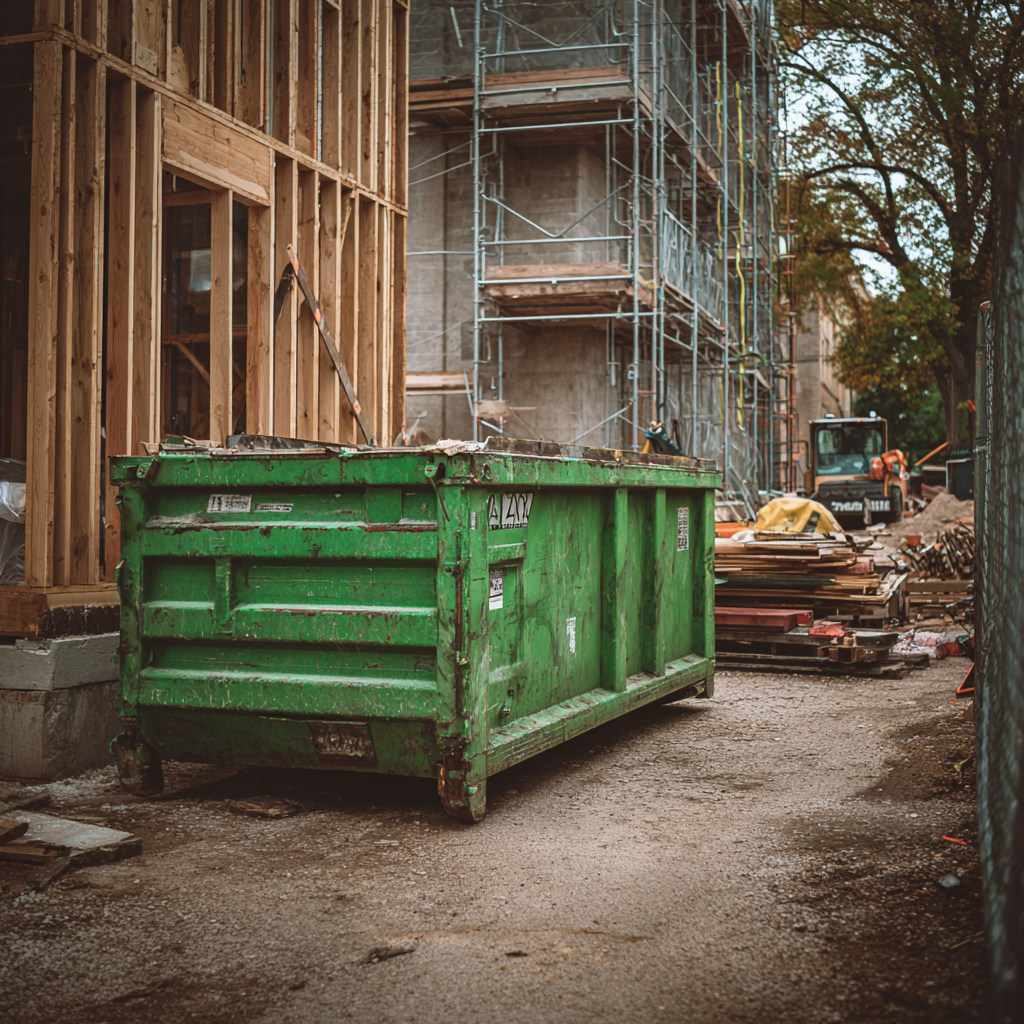
Dumpster size is the decision that affects cost more than any other single factor. Undersizing leads to a second rental, and a second rental almost always costs more than sizing up from the start.
| Size | Approximate Dimensions | Common Uses |
| 10-Yard Dumpster | 12′ × 8′ × 3.5′ | Small cleanouts, concrete and masonry, single-room renovation |
| 15-Yard Dumpster | 16′ × 7.5′ × 4.5′ | Garage and basement cleanouts, flooring removal, mid-sized renovation |
| 20-Yard Dumpster | 22′ × 7.5′ × 4.5′ | Roofing tear-offs, kitchen and bathroom remodels, multi-room renovation |
| 30-Yard Dumpster | 22′ × 8′ × 6′ | Whole-house renovations, estate cleanouts, commercial construction |
| 40-Yard Dumpster | 22–24′ × 8′ × 8′ | Large commercial demolition, major construction, high-volume cleanouts |
Sizing and availability vary by location and project conditions. Contact Prime Dumpster to confirm which container sizes are available for your Memphis project and rental timeline.
Renting a container that’s too small forces a second delivery, a second pickup, and a second base rental fee. Getting the size right from the start is one of the simplest ways to keep the total project cost where you planned it.
One rule applies regardless of project size: concrete, brick, masonry, and asphalt can only go in a 10-yard container. These materials hit weight limits long before they fill a larger container. Projects involving significant heavy material should plan for a dedicated 10-yard rental for that debris type, separate from any general debris container.
Tip 3: Plan Your Placement Before Delivery Day
Placement is the detail most renters think about last and should think about first. A delivery truck that arrives to find an inaccessible or unprepared placement location can delay the entire project start.
The driveway is the default option for most Memphis residential rentals and typically doesn’t require a permit. Confirming that the full container footprint fits on the driveway without blocking a sidewalk or encroaching on the street prevents complications on delivery day.
Street placement is sometimes unavoidable, particularly on tighter urban lots. When a container needs to sit on a public street in Memphis, a permit from the City of Memphis is required before delivery. Applying with at least five to seven business days of lead time keeps the permit from becoming a bottleneck.
The delivery path should also be clear of low-hanging branches, utility lines, and parked vehicles before the truck arrives.
Tip 4: Load Smart to Avoid Overage Fees
Every container comes with a weight allowance built into the base rental price. Exceeding that allowance triggers a per-ton overage fee that shows up on the final invoice after the container has been weighed at the disposal facility. By then, there’s nothing to be done about it.
Loading strategy matters from the first item in the container. Heavy materials should go in first and be distributed evenly across the floor of the container rather than concentrated in one area. Lighter debris fills in around and above the heavy layer.
- Keep heavy materials like tile, brick, and roofing shingles toward the bottom and center of the load.
- Avoid overfilling above the container’s fill line, which creates safety issues during transport and can result in additional fees.
- If your project involves both heavy and light debris types, consider whether separating them into two containers makes more financial sense than risking overages on a single mixed load.
Staying within the weight allowance is almost always cheaper than paying overages, and a little attention to how the container gets loaded goes a long way toward keeping the final invoice close to the opening quote.
Tip 5: Schedule Pickup at the Right Time
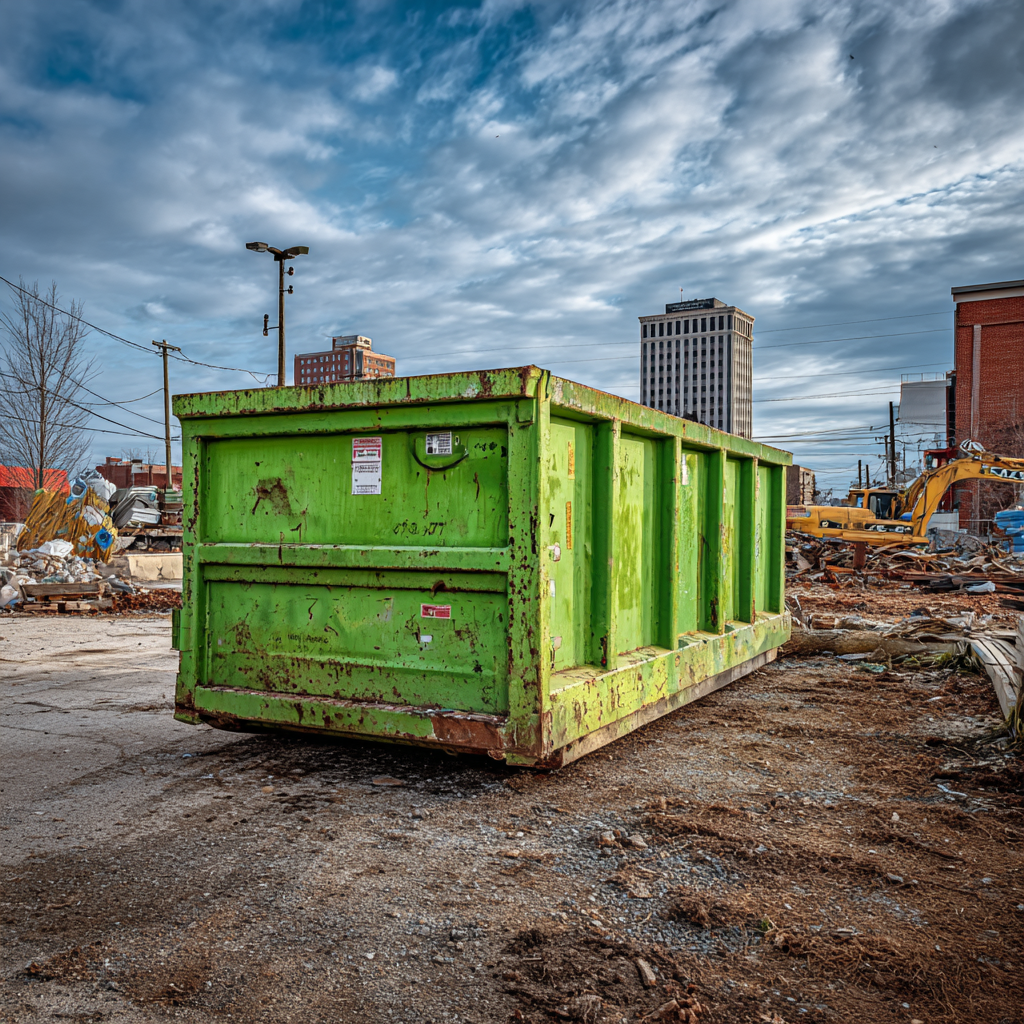
Pickup timing is the last decision in the rental process and one of the most commonly mishandled. Renters who wait until the container is full to schedule pickup often find themselves paying extension fees while they wait for the truck to arrive.
Schedule your pickup date at the time of booking rather than when the work is done. Building a day or two of buffer into the rental period beyond your expected project completion date covers minor delays without leaving the container sitting idle for an extended period.
Renting a dumpster in Memphis, Tennessee, works best when pickup is treated as part of the project plan rather than an afterthought. A container that lingers past its useful point creates clutter on the property and adds daily extension fees that accumulate quickly. Confirming the pickup window at booking puts that part of the process on autopilot from day one.
Make Your Memphis Dumpster Rental Work for You
Following these dumpster rental tips for Memphis from the start of the booking process through pickup keeps costs predictable and the project moving on schedule. Knowing your project scope, choosing the right size, planning placement, loading within the weight allowance, and scheduling pickup in advance are the five decisions that separate a smooth rental from a frustrating one. Contact our team for a flat-rate quote and guidance on the right container for your Memphis project.
If you are looking for Dumpster Rental Greenville, SC Saving Tips, Click Here
Recent Posts


Follow Us
Have any questions?
+1 844 853 3867
Give us a call today so we can help you find the right waste & sanitation solution for
your project!
Contact Us