
Mon - Sat 7:00 am to 7:00 pm
How Big Is a 20-Yard Dumpster? Dimensions, Size Comparisons & More
The 20-yard dumpster is one of the most popular roll-off sizes for home and construction projects. The name tells you the volume, but it doesn’t help much when you’re trying to picture 20 cubic yards in your driveway.
Knowing the real 20-yard dumpster dimensions makes it easier to plan your space, estimate your debris and pick the right container. At Prime Dumpster, we arrange dumpster rentals nationwide, and we’ve put together this guide to explain exactly how big a 20-yard dumpster is, what it looks like and how much it can hold.
Fast Facts: 20-Yard Dumpster Size
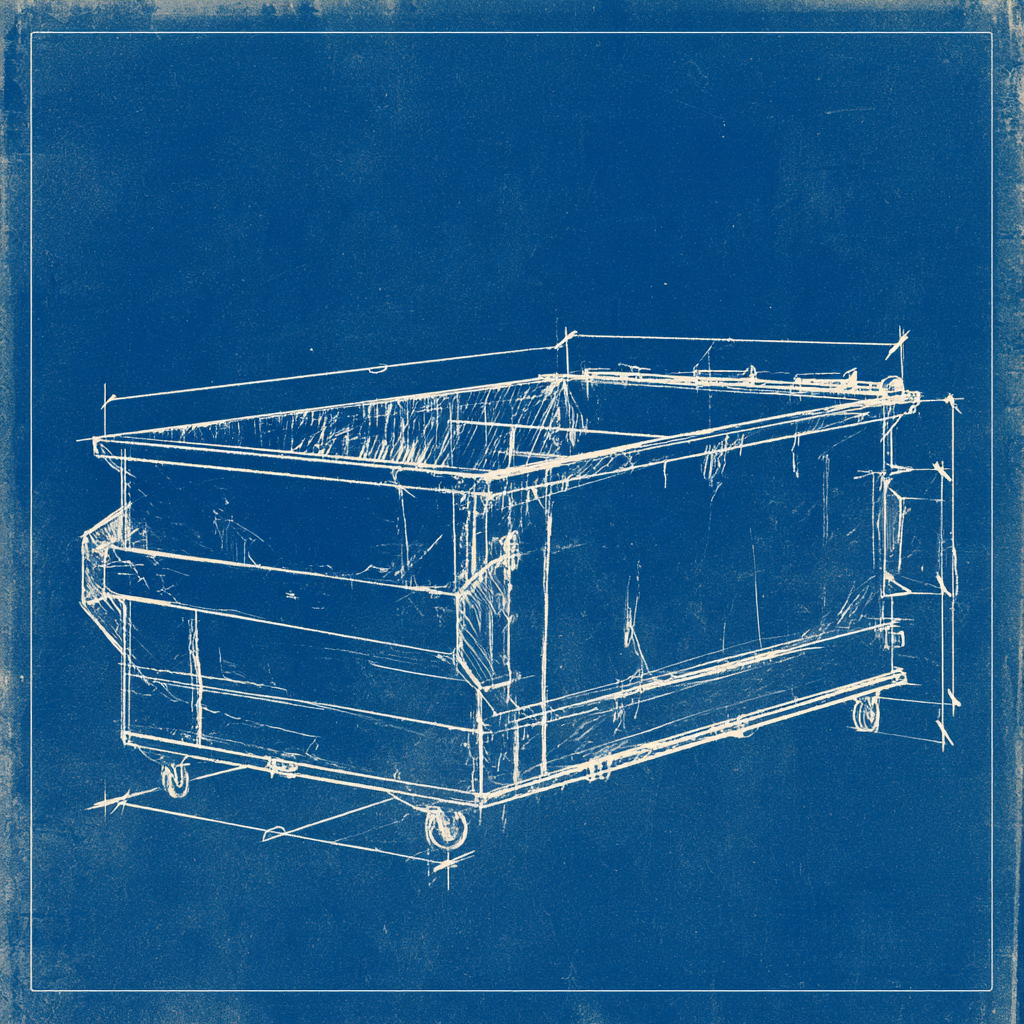
A 20-yard dumpster is typically about 22 feet long, 8 feet wide and 4.5 feet high. It holds 20 cubic yards of debris and up to 3 tons of weight.
Here are the standard specs for a 20-yard dumpster:
| Spec | Typical Measurement |
| Length | About 22 feet |
| Width | About 8 feet |
| Height | About 4.5 feet |
| Volume | 20 cubic yards (540 cubic feet) |
| Weight Capacity | Up to 3 tons (6,000 pounds) |
| Access | Rear swing door for walk-in loading |
Exact dimensions can vary by container model and location. Confirm the specs when you book, since availability varies by location.
“The 20-yard dumpster is built for mid-size jobs with mixed debris,” says the Prime Dumpster Pro. “It has the length for bulky items like cabinets and lumber, but the walls stay low enough to load by hand.”
A 20-yard dumpster is about 22 feet long, 8 feet wide and 4.5 feet high, with a 3-ton weight limit.
20-Yard Dumpster Dimensions and How They Compare
Dumpster sizes are named for volume, not footprint. A cubic yard equals 27 cubic feet, so a 20-yard dumpster holds about 540 cubic feet of debris.
Here’s how the 20-yard dumpster compares with the other standard roll-off dumpster sizes:
| Dumpster Size | Approximate Dimensions | Approximate Weight Capacity | Common Uses |
| 10-Yard Dumpster | 12′ × 8′ × 4.5′ | Up to 2 tons | Concrete disposal, small remodels, residential cleanouts |
| 15-Yard Dumpster | 16′ × 7.5′ × 4.5′ | Up to 3 tons | Kitchen and bath remodels, garage cleanouts, landscaping |
| 20-Yard Dumpster | 22′ × 8′ × 4.5′ | Up to 3 tons | Multiroom renovations, roofing, estate cleanouts |
| 30-Yard Dumpster | 22′ × 8′ × 6′ | Up to 4 tons | Full home renovations, commercial construction, large events |
| 40-Yard Dumpster | 22′ × 8′ × 7-8′ | Up to 5 tons | Commercial demolition, industrial projects, major build-outs |
Dimensions are approximate and can differ slightly by hauler and location.
The 20-yard, 30-yard and 40-yard dumpsters share the same 22-foot length. The 20-yard dumpster has the lowest walls of the three, which makes it the easiest of the long containers to load. It also holds twice the volume of a 10-yard dumpster.
A 20-yard dumpster holds about 540 cubic feet, twice the volume of a 10-yard dumpster, with the lowest walls of the 22-foot sizes.
What Does a 20-Yard Dumpster Look Like?
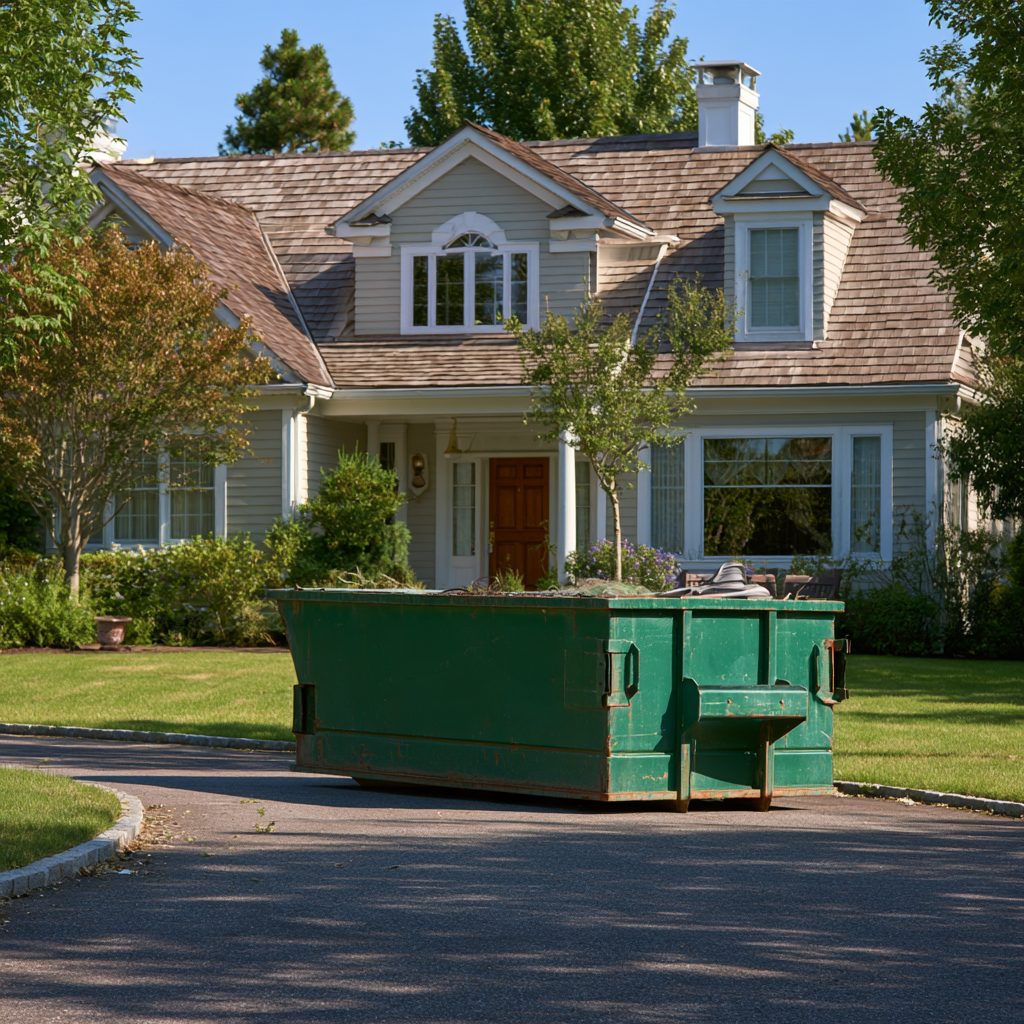
A 20-yard dumpster is a long, rectangular, open-top steel container. It’s delivered by a roll-off truck that slides it into place in your driveway or on your job site.
A few features make it easy to recognize and use:
- An open top for tossing debris in from the sides
- A rear swing door for walking in bulky items
- Steel rails and rollers that let the truck slide it on and off
- Walls about 4.5 feet tall, low enough to load by hand
Together, these features make the 20-yard dumpster one of the easiest roll-off sizes to load.
A 20-yard dumpster is a long, open-top steel container with low walls and a rear swing door for easy loading.
How Much Can a 20-Yard Dumpster Hold?
A 20-yard dumpster holds about 110 to 130 large trash bags, or roughly 6 pickup truck loads. The exact amount depends on the type of debris and how tightly it’s packed.
Furniture and Household Items
Furniture and household items take up a lot of space without adding much weight. Sofas, mattresses, dressers and boxes fill a 20-yard dumpster by volume long before they reach the weight limit. Breaking down large pieces helps you fit more.
Remodeling and Renovation Debris
Renovation debris is where a 20-yard dumpster shines. Cabinets, drywall, flooring, trim and fixtures from a multiroom remodel fit comfortably. Tile and plaster are heavier, so keep an eye on weight if your project includes a lot of them.
Roofing Shingles
Shingles are dense, so weight usually decides how much roofing debris fits. Many residential tear-offs fit in a 20-yard dumpster, but larger or multilayer roofs can reach the 3-ton limit quickly. Estimate your roof’s square footage and number of layers before you book.
Yard and Landscaping Debris
Branches, shrubs, leaves and old fencing are bulky but light, which makes them a good match for a 20-yard dumpster. Soil, sod and rock are much heavier and add weight fast. If your project is mostly dirt or stone, a smaller container may be the better fit.
“Think about what you’re tossing, not just how much,” says the Prime Dumpster Pro. “A dumpster full of old furniture and one full of roofing can look the same from the curb, but they weigh very different amounts.”
A 20-yard dumpster holds about 110 to 130 large trash bags, but dense debris can reach the weight limit before the container is full.
20-Yard Dumpster Weight Limit
A 20-yard dumpster typically holds up to 3 tons, or 6,000 pounds. That’s the same weight limit as a 15-yard dumpster, even though the 20-yard has more room.
Bulky, lightweight debris usually fills the container before it reaches the weight limit. Dense debris works the opposite way. These common materials add weight quickly:
- Roofing shingles
- Tile and plaster
- Soil, sod and rock
- Wet debris
If your project includes a lot of these, estimate the weight before you book. Going over the limit leads to overage fees.
Concrete, brick, masonry and asphalt can typically only go in a 10-yard dumpster. Dense materials hit weight limits fast in any size, so plan on multiple 10-yard dumpsters for large amounts of heavy debris instead of one larger container.
“If your project has a mix of light debris and heavy material, split them up,” says the Prime Dumpster Pro. “A 20-yard dumpster for the bulky stuff and a 10-yard dumpster for the concrete or brick keeps you under both weight limits.”
A 20-yard dumpster typically holds up to 3 tons, and heavy materials like concrete need a separate 10-yard dumpster.
Is a 20-Yard Dumpster Right for Your Project?
A 20-yard dumpster is a strong choice for projects that produce a lot of mixed, bulky debris. It works best in these situations:
- Whole-room or multiroom remodels
- Residential roofing tear-offs
- Estate and whole-house cleanouts
- Small commercial interior renovations
It’s a poor fit for a few types of jobs:
- Heavy masonry, concrete or brick removal
- Large demolitions that need more volume
- Small, closet-size cleanouts
If your project falls in the middle, a 20-yard dumpster gives you room to spare without the extra height of larger containers.
Using a 20-Yard Dumpster for Construction
A 20-yard construction dumpster handles the steady stream of waste that comes from framing, drywall and finish work. Its 22-foot length fits long scraps like lumber, siding and trim without much cutting. The low walls also let crews toss debris in quickly as they work.
Sorting can help on larger jobs. Many sites set aside clean lumber and scrap metal, since contractors can often recycle clean wood and metal instead of sending it to a landfill. Concrete and masonry from the same site need a separate 10-yard dumpster.
A 20-yard dumpster suits remodels, roofing, cleanouts and construction projects with bulky, mixed debris.
How Much Space Do You Need for a 20-Yard Dumpster?
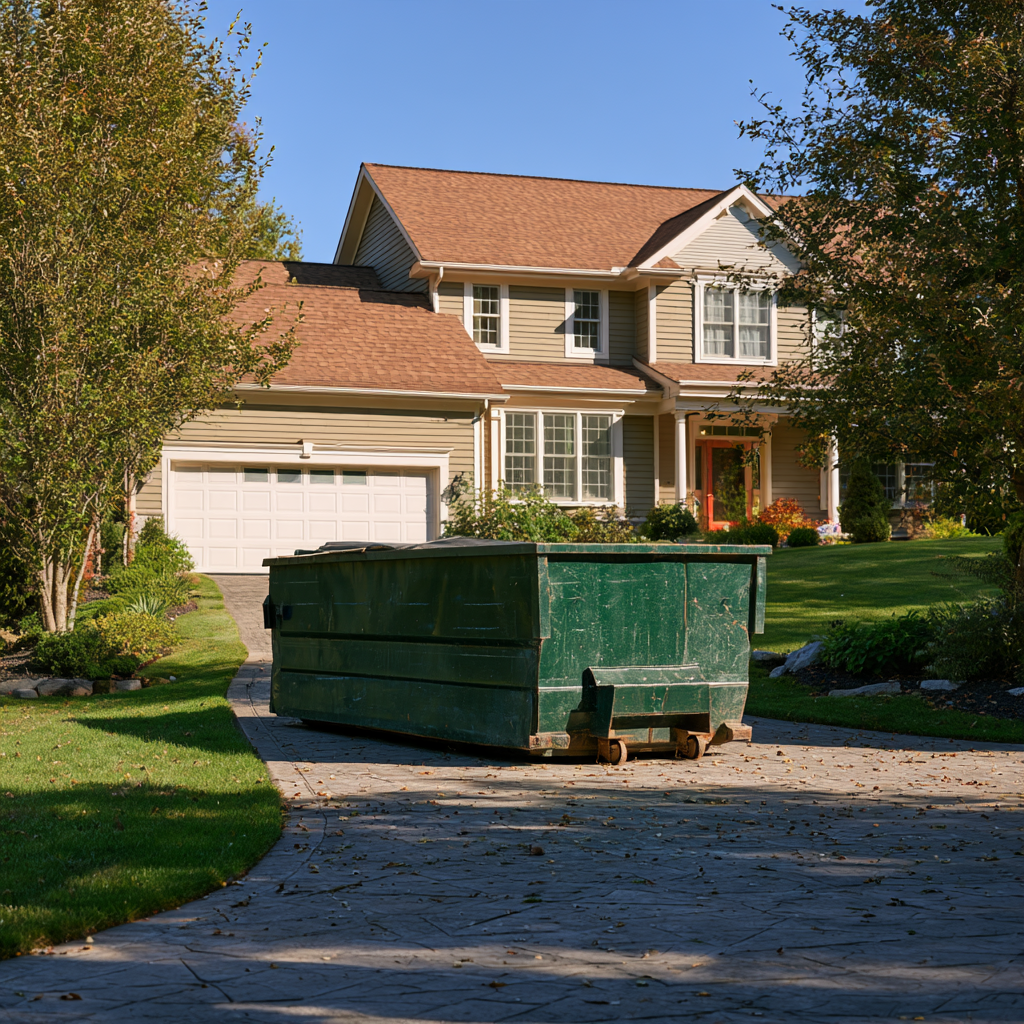
A 20-yard dumpster needs a flat, firm spot about 22 feet long and 8 feet wide. The delivery truck also needs a clear, straight approach to back in and set the container down.
Check for overhead obstacles like tree limbs, gutters and power lines along the path. The truck raises its bed to slide the container off, so open space overhead matters as much as room on the ground.
“Walk the path the truck will take before delivery day,” says the Prime Dumpster Pro. “Low branches and parked cars cause more delivery problems than the size of the dumpster itself.”
Most standard driveways can fit a 20-yard dumpster, but shorter driveways may not. Laying plywood where the rails will rest helps protect the surface. If space is tight, ask your rental company about street placement and whether your city requires a permit.
A 20-yard dumpster needs a firm spot about 22 by 8 feet, plus a clear, straight approach and open space overhead for the truck.
FAQ
We asked the Prime Dumpster Pros for their answers to the most common questions we hear about 20-yard dumpster dimensions.
What is the Size of a 20-Yard Dumpster?
The dimensions of a 20-yard dumpster are typically about 22 feet long, 8 feet wide and 4.5 feet high. Exact measurements can vary slightly by hauler and location.
How Many Trash Bags Fit in a 20-Yard Dumpster?
A 20-yard dumpster holds about 110 to 130 large trash bags. That’s roughly 6 pickup truck loads, depending on what’s inside the bags and how tightly they’re packed.
How Much Weight Can a 20-Yard Dumpster Hold?
A 20-yard dumpster can typically hold up to 3 tons, or 6,000 pounds. Heavy materials reach that limit quickly, so weight often matters more than volume.
Will a 20-Yard Dumpster Fit in My Driveway?
A 20-yard dumpster fits in most standard driveways. The container is about 22 feet long, and the truck needs a clear, straight path to place it. Measure your space before delivery day.
Is a 20-Yard Dumpster Good for Construction?
A 20-yard dumpster is a good fit for many construction projects. It handles framing scraps, drywall, packaging and other mixed debris. Heavy materials like concrete need a 10-yard dumpster instead.
Can You Put Concrete in a 20-Yard Dumpster?
You can’t put concrete in a 20-yard dumpster. Concrete, brick, masonry and asphalt can only go in a 10-yard dumpster because of their weight.
Finding the Right Size for Your Project
Typical 20-yard dumpster dimensions is about 22 feet long, 8 feet wide and 4.5 feet high, with room for 20 cubic yards of debris and up to 3 tons of weight. It’s a dependable middle size for remodels, roofing jobs and cleanouts that produce a lot of bulky debris.
With more than 43,000 successful projects, Prime Dumpster arranges 20-yard dumpster rentals and every other standard size nationwide, and availability varies by location. Need help choosing the right container for your project? Contact our team.
If you are looking for Emergency Porta Potty Rental: Sanitation When Disaster Strikes, Click Here
Recent Posts


Follow Us
Have any questions?
+1 844 853 3867
Give us a call today so we can help you find the right waste & sanitation solution for
your project!
Contact Us