
Mon - Sat 7:00 am to 7:00 pm
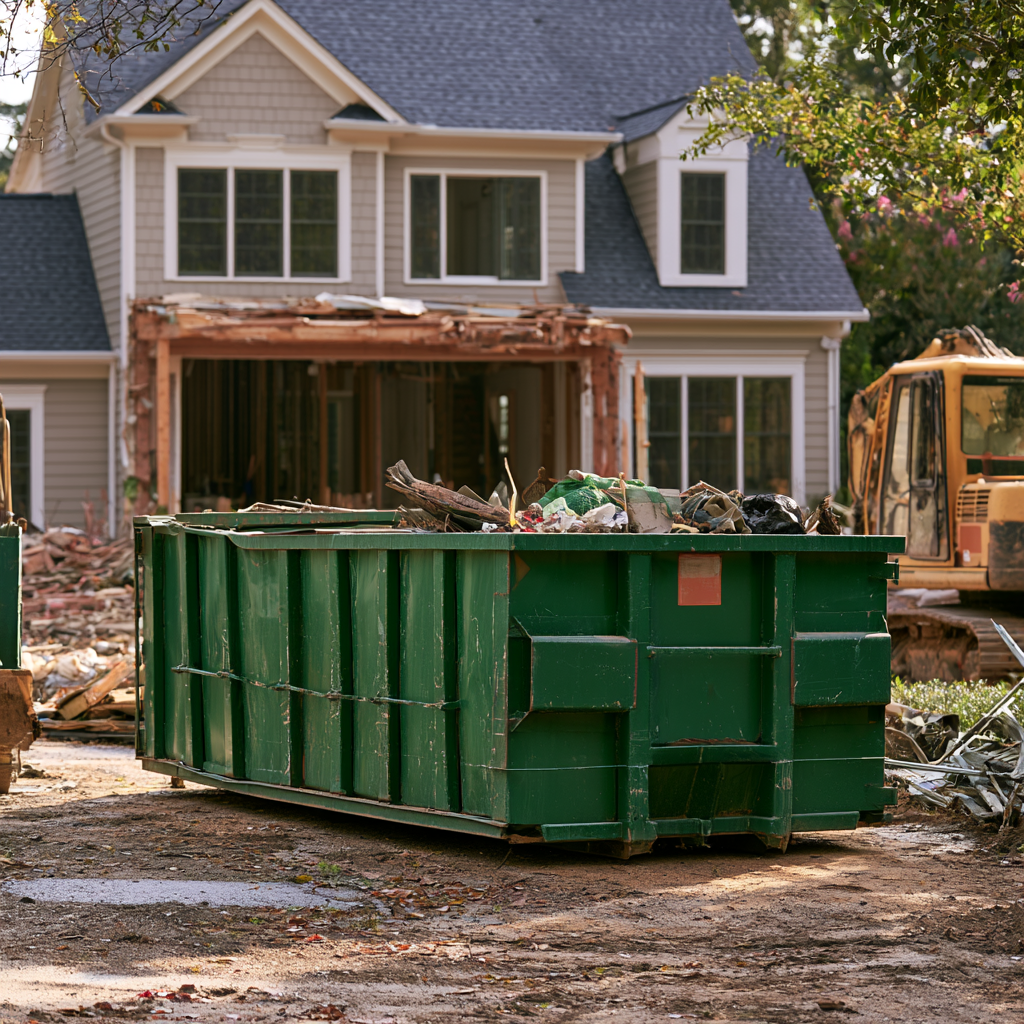
House Demolition Guide: How to Demolish a Home the Right Way
House demolition covers a wide range of projects, from pulling down a single deck to leveling an entire home down to the foundation. What connects them all is the mix of heavy work, real safety stakes, and the biggest debris loads of any home project. At Prime Dumpster, we help homeowners and contractors haul off the wood, drywall, tile, concrete, and hardware a home demolition throws off, so the project stays on schedule instead of stalling behind a growing pile.
This guide covers the types of demolition projects, the safety and permit steps that come first, the tools you’ll need, and how to handle the volume. It also serves as a hub for our deeper guides on specific demolition jobs.
Fast Facts: Home Demo and Debris Removal
A house demolition can be as small as removing a single fixture or as large as leveling a whole home, and the disposal side is where most projects succeed or fail. Here’s a quick look at what’s involved.
- House demolition covers everything from partial interior demo (like gutting a room) to full teardowns (a whole home taken down to the foundation)
- A home demolition timeline runs from a single day for a shed or deck to several weeks for a full-house gut, and longer when hazardous material abatement is involved
- A demolition project is partially DIY-friendly for smaller structures and interior demo work, while full teardowns, load-bearing changes, and abatement all require licensed contractors
- The right dumpster size for a house demolition varies widely: a 10-yard for heavy concrete or tile debris, a 15 or 20-yard for exterior structures, and a 30 or 40-yard for a full gut
Because demo debris runs heavy and often mixed, sizing the container up front matters more than it does for a cleanout. A Prime Dumpster account manager will help determine the best dumpster size for your demolition, schedule swaps for larger jobs, and hand you an upfront quote so the disposal side stays predictable.
Types of House Demolition Projects
House demolition spans four broad categories, from removing a single structure to leveling an entire home, and the type shapes everything about the project.
Home demolition isn’t one thing. It’s a range of projects with very different tools, timelines, and disposal needs, and knowing which type you’re taking on defines everything else.
Partial Demo
Partial demolition targets a single structure or feature within a home, without touching the surrounding building. A wall coming down, a fireplace being removed, or a bathroom fixture being pulled out all fall in this category.
Interior Demo
Interior demolition strips finishes and fixtures from part or all of a home while the shell stays intact. It’s the most common DIY demolition, and it ranges from a single-room refresh to a full house gut. Our guide on how to gut a house covers the interior side in depth, and specific finish work like tile floor removal fits under this same category.
Exterior Demo
Exterior demolition covers the outdoor structures attached to or near a home: decks, sheds, fences, and detached garages. These are usually the most approachable DIY projects, and both deck removal and shed removal walk through the full process for those specific structures.
Full Teardown
Full teardown is the biggest scope: a whole home taken down to the foundation, or sometimes the foundation removed too. This is almost always contractor work with heavy equipment, and the debris volume is many times what any other demolition project produces.
You can learn more in our Residential Dumpster Rental Resource Page.
Safety, Permits, and Hazardous Materials
A home demolition requires permits, safely shut-off utilities, and testing for asbestos and lead paint in any home built before 1978.
Safety and permits are where demolition differs most from a simple cleanout. Skipping these steps can turn a big project into a dangerous or legally messy one.
Permits
Almost every demolition project requires a permit, and the requirements vary by scope. A shed or deck removal often needs only a basic permit, while a full teardown involves inspections, utility disconnection documentation, and sometimes environmental review. Check with your local building department before day one, since starting without a permit can trigger stop-work orders, fines, and problems at resale.
Utilities
Shutting off utilities is non-negotiable before demolition starts. Electrical service to the area being demolished should be cut at the breaker, water lines should be capped at the shut-off valves, and gas lines must be shut off and disconnected by a licensed plumber or the utility. Never handle gas line work DIY.
Hazardous Materials
This is the step that catches too many homeowners off guard. Homes built before 1978 can contain asbestos in flooring, insulation, and ceiling texture, and lead in paint. Disturbing them without testing puts your family and everyone helping at real risk. The EPA’s guidance on protecting your family from asbestos explains how to have suspect material tested before you touch it, and lead-paint testing follows similar protocols. If either turns up, hire a licensed abatement contractor. That’s not a place to cut corners.
Tools and Site Setup
A home demolition needs demolition tools, real PPE, dust containment, and a dumpster staged as close to the exit path as possible.
The right tools and a well-prepared site make the difference between a demo that flies and one that grinds. Core tools cover most residential demolition work:
- Pry bars, cat’s paws, and a claw hammer
- Reciprocating saw with wood and metal blades
- Sledgehammer and hand mauls
- Drill or impact driver
- Wet-dry vac and heavy-duty contractor bags
- Plywood, drop cloths, and plastic sheeting for dust barriers
Larger or heavier projects call for heavy-duty equipment: a rotary hammer for stubborn tile or masonry, a jackhammer or breaker for concrete slabs, and specialty gear for anything involving heavy lifting.
PPE is non-negotiable on any demolition. Wear a NIOSH-approved respirator, a hard hat, eye protection, heavy gloves, long sleeves, and steel-toed boots. Drywall dust alone requires serious respiratory protection, and older homes multiply the risks.
“The demos that go smoothly are the ones where the site is set up before the first swing,” said the Prime Dumpster Pro. “Dust barriers up, plywood down along the carry path, and the dumpster staged right at the exit door. Skip any of that and you’re moving debris twice.”
Handling Demolition Debris: The Biggest Load in Home Projects
A house demolition produces the largest debris load of any residential project, so sizing the dumpster for weight and scope makes the difference between one haul and three.
Volume is the piece that surprises even experienced DIYers. A single-room demo can produce more than most people expect, and a whole-house gut generates several tons of drywall alone before you count flooring, cabinets, fixtures, and framing. Loading a roll-off dumpster as you demo keeps the work zones clear and turns the whole project into a steady rhythm rather than a bottleneck.
The critical dynamic in demolition is weight versus volume. Dense materials like tile, concrete, drywall, and plaster hit a container’s weight limit long before they fill it, which is why heavy debris belongs in a smaller container despite the small footprint. Bulky but lightweight debris like cabinets and joists fills by volume instead, which is where larger containers earn their keep.
“On a demo, the size that looks right and the size that’s actually right are almost never the same,” said the Prime Dumpster Pro. “A 10-yard full of tile weighs more than a 30-yard full of cabinets, so we size to what’s coming out, not how big it looks in the driveway.”
| Size | Dimensions | Best For a Demolition |
| 10-Yard Dumpster | 12′ × 8′ × 3.5′ | Heavy concrete, tile, or plaster debris; a single-fixture removal |
| 15-Yard Dumpster | 16′ × 7.5′ × 4–5′ | A shed, deck, or single-room interior demo |
| 20-Yard Dumpster | 22′ × 7.5′ × 4.5′ | A large exterior structure or a multi-room interior demo |
| 30-Yard Dumpster | 22′ × 8′ × 6′ | A whole-home cosmetic gut |
| 40-Yard Dumpster | 22–24′ × 8′ × 8′ | A full gut to the studs, often with swaps |
For most residential demolition projects, the 15 or 20-yard is the right pick. The 30 and 40-yard sizes earn their keep only on full house gut projects, where multiple hauls or swaps are the norm.
What Happens to Demolition Debris
A significant share of demolition debris can be recycled or salvaged, from metal and concrete to untreated wood and fixtures, while treated wood and mixed materials usually go to landfill.
Not everything that comes out of a demolition ends up in a landfill, and the recycling picture matters both for the environment and increasingly for building codes.
The EPA’s guide on reducing, reusing, and recycling construction and demolition materials breaks down what typically has second-use value. Metal (from framing, hardware, and appliances) is highly recyclable and often has scrap value. Concrete can be crushed and reused as aggregate. Untreated wood, doors, cabinets, and fixtures often find buyers through local marketplaces or salvage yards.
What has to go to landfill is more limited than most people think. Pressure-treated lumber can’t be recycled through standard streams because of the preservatives. Drywall is technically recyclable but few facilities accept it. Mixed debris that can’t be sorted usually defaults to landfill too.
A good disposal partner tracks what goes where. If your demolition is pursuing LEED credit, meeting local diversion requirements, or documenting sustainability outcomes for a client, ask up front whether your provider issues weight tickets, disposal receipts, and diversion documentation.
When to Hire a Demolition Contractor
Full teardowns, load-bearing changes, hazardous material abatement, and any project requiring heavy equipment all call for a licensed demolition contractor.
DIY has real limits on a demolition. A few situations should always be professional work:
Full teardowns are almost always contractor work. Heavy equipment, engineered sequencing, foundation removal, and disposal at that scale aren’t DIY territory.
Load-bearing changes require an engineer and a licensed contractor, since misjudging what a wall supports can bring the ceiling down.
Hazardous material abatement (asbestos, lead paint, mold) legally requires licensed contractors. There’s no gray area here.
Heavy equipment projects, including concrete slab removal, foundation demo, or anything requiring machinery beyond hand tools, call for a contractor with the gear and the training.
Large or elevated structures, like a full second-story deck, add fall and collapse risks that outweigh the savings.
Even homeowners tackling most of a demolition themselves benefit from a consult with a contractor before starting. And on larger projects, a general contractor often runs the whole show, coordinating the trades, pulling permits, and handling inspections.
Related Home Demolition Guides
Each of these deeper guides covers a specific demolition project in depth, from a full interior gut to individual structures like decks and sheds.
- How to Gut a House — A full interior demolition guide covering scope, permits, cost, and the demo zone by zone, from partial gut to studs.
- How to Remove a Deck — Both full tear-outs and partial board replacement, step by step, plus how to handle the ledger board and footings.
- How to Remove a Shed — Dismantling wood, metal, and plastic sheds, plus what to do with the foundation left behind.
- How to Remove a Tile Floor — Tools, technique, and how to deal with the thinset underneath, whether the subfloor is concrete or plywood.
Each guide is packed with tips and strategies to complete the project and also dispose of the debris generated safely, quickly, and affordably.
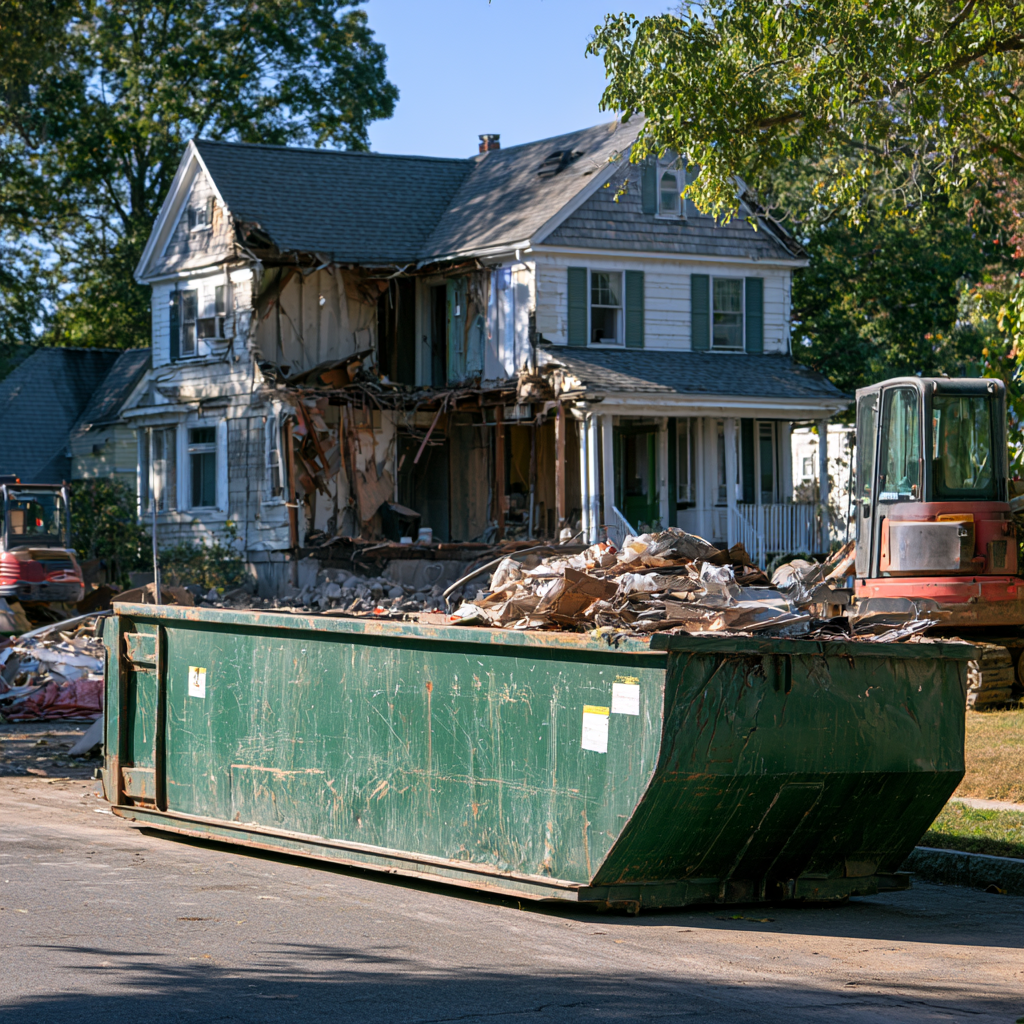
Frequently Asked Questions
We asked our Prime Dumpster Pros for their answers to common questions about home demolition and the best dumpsters available for home debris removal.
How much does a home demolition cost?
A home demolition cost depends heavily on scope. A DIY deck or shed removal costs mainly the dumpster and tool rentals. Full teardowns and whole-house gut projects handled by a contractor can run tens of thousands of dollars depending on the home size, hazardous material abatement, and foundation work.
Do you need a permit for home demolition?
Almost always. Even small projects like sheds and decks often require a demolition permit, and larger projects require additional documentation for utility disconnection and inspections. Check with your local building department before starting.
How long does a house demolition take?
A shed or deck removal can be a single day. A single-room interior demo runs a few days. A whole-home cosmetic gut takes one to two weeks, and a full teardown runs several weeks including permitting.
What can be recycled from a home demolition?
Metal, concrete, untreated wood, doors, cabinets, and fixtures all commonly have recycling or salvage value. Treated wood, most drywall, and mixed debris typically go to landfill.
Bringing the Old Structure Down
A home demolition is heavy work, but with the right permits, safety steps, tools, and a plan for the debris, even a large project stays manageable. Nail down the scope first, handle the safety piece properly, and give the mountain of debris a real home before the first wall comes down.
Prime Dumpster is here for the volume. We offer flexible rental terms, upfront quotes with no surprises, dumpster swaps for larger jobs, and a team that’ll help you plan the disposal side of any demolition, from a single fixture to a full teardown.
Ready to start your demolition? Contact our team for a fast quote and the right dumpsters for the job.
If you are looking for House Cleanout Guide: How to Clean Out a Home, Click Here
Recent Posts


Follow Us
Have any questions?
+1 844 853 3867
Give us a call today so we can help you find the right waste & sanitation solution for
your project!
Contact Us