
Mon - Sat 7:00 am to 7:00 pm

Tub to Shower Conversion: How to Replace a Bathtub With a Walk-In Shower
A tub-to-shower conversion is one of the most popular bathroom upgrades, and it’s easy to see why. Swapping a cramped, hard-to-climb-into tub for a walk-in shower opens up the room, modernizes the space, and makes everyday life easier. At Prime Dumpster, we help homeowners haul away the tile, drywall, and old tub a conversion leaves behind, so the messy part never slows you down.
This guide covers whether the swap makes sense for your home, how to choose and install a walk-in shower, what a bathtub to shower conversion costs, and how to handle the debris from start to finish.
Fast Facts: Tub to Shower Conversions
A tub-to-shower conversion is a mid-scope home renovation project project that most homeowners tackle over a few days with the help of a plumber. Here’s a quick look at the basic steps.
- Planning and design come first, where the shower stall is measured to code, the pan style (curbed or curbless) is chosen, and the decision between a prefabricated kit and full tile is made
- Prep and demolition involves shutting off the water, protecting the floor, and removing the tile, drywall, faucet, and hardware from the tub surround
- Tub removal follows, either by prying an acrylic tub free in one piece or breaking a cast-iron tub into pieces with a sledgehammer
- Plumbing adjustments happen next, and any change to the drain or supply lines should be handled by a licensed plumber
- Installation of the new pan and walls comes last, with the fixtures reconnected and the surround waterproofed before the shower goes into use
Before demolition day, it helps to line up the cleanup. A Prime Dumpster account manager can match a roll-off dumpster to your project and budget and hand you an upfront quote, so the debris has somewhere to go the moment the tile starts coming down.
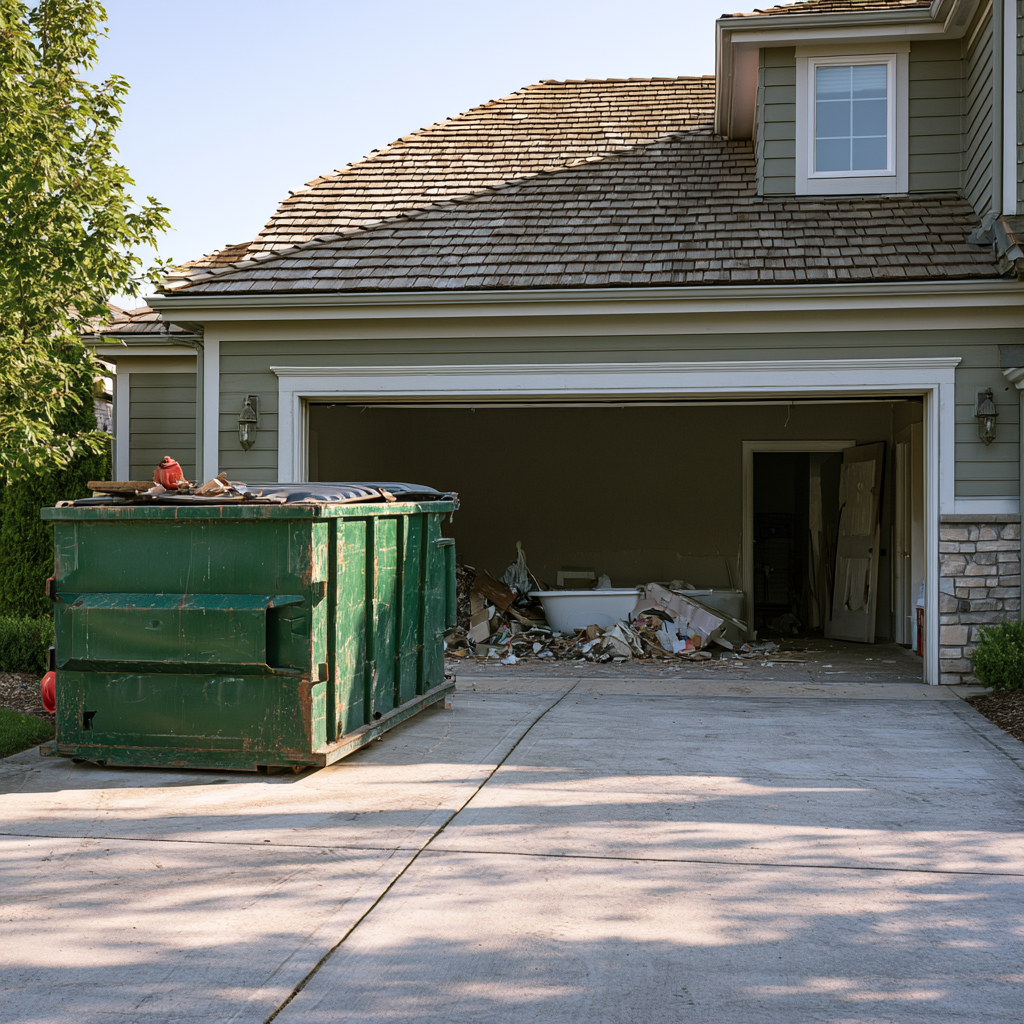
Is a Tub-to-Shower Conversion Right for You?
A tub-to-shower conversion suits most bathrooms, but keep at least one tub in the home for young families and resale, and weigh accessibility and budget before you commit.
The swap isn’t automatic for every household. If you’ve got small kids or pets, a tub makes bath time and quick rinses a lot simpler, so think about how you actually use the room. Resale matters too, since many buyers want at least one bathtub somewhere in the house. If the bathroom in question holds your only tub, it’s worth keeping.
Accessibility often tips the decision the other way. Stepping over a high tub wall is one of the most common ways people slip, and the CDC points to the bathroom as a leading spot for falls among older adults. A curbless walk-in shower removes that barrier entirely, which makes conversions a smart move for aging in place. Weigh all of that against your budget before the first tile comes off.
Choosing Your Shower: Kit vs. Tile, Curbed vs. Curbless
Shower kits are the simplest route for a DIY tub to shower conversion, while curbless designs cost more but deliver the most accessible, modern look.
Your first choice is kit versus tile. A prefabricated shower kit comes with the pan and walls ready to assemble, which makes it the easiest option for a DIYer and the faster path to a finished tub to walk in shower conversion. Full tile gives you a custom look and endless tub to shower conversion ideas, but it costs more and takes real skill to waterproof correctly.
Your second choice is the pan style. Here’s how curbed and curbless compare.
| Shower Type | Best For | Trade-Off |
| Curbed | Keeping water contained, easiest installation | A low lip you still step over |
| Curbless | Accessibility and a sleek, open look | Pricier and more work to install level |
Between the two, curbed is the simpler weekend project, while curbless is the one to choose if long-term accessibility is the goal.
What a Tub-to-Shower Conversion Costs
Tub to shower conversion cost depends mostly on whether you use a shower kit or full tile and whether the plumbing has to move.
Cost tracks scope more than anything else. A basic kit installed over existing plumbing sits at the low end, while a fully tiled, curbless shower with relocated plumbing lands far higher. The finishes you pick move the bathtub to shower conversion cost up or down from there.
The single biggest lever is plumbing. As long as the new shower stays where the tub was, the drain and supply lines are already in place. Move them, and you’re paying a plumber and adding real cost, so most budget-conscious conversions keep the shower in the tub’s original footprint. Doing the demolition yourself trims labor, too.
One line item people forget is disposal. A rented dumpster is a smaller piece of the budget than most expect, and our Dumpster Rental Pricing Resource Page breaks down the ranges and what drives them.
How to Convert a Tub to a Shower, Step by Step
Converting a tub to a shower means measuring to code, stripping the tile and tub, and installing a new pan and surround, with any plumbing work left to a licensed pro.
Start with measurements. Most codes require a shower stall of at least 30 by 30 inches, a finished height of about 80 inches, and roughly 15 inches of clearance between the shower and the side of the toilet. Confirm your space works before anything comes apart.
Then prep and demo. Shut off the water, protect the floor with plywood, and pull the faucet, drain cover, and hardware. Score and pry the tile off the surround, cut back the drywall carefully to avoid the studs, and disconnect the drains from the access panel or the basement below.
Now remove the tub. Cut the caulk along the floor, pry the tub free of the wall, and walk it out. A lightweight acrylic tub comes out in one piece, but a cast-iron tub is heavy enough that many people break it up with a sledgehammer first.
Finish with the install. Set the new pan or base first so everything seats and waterproofs correctly, then add the walls or tile and reconnect the fixtures. Leave any plumbing changes to a licensed pro, since a hidden leak behind a finished wall is the worst-case outcome.
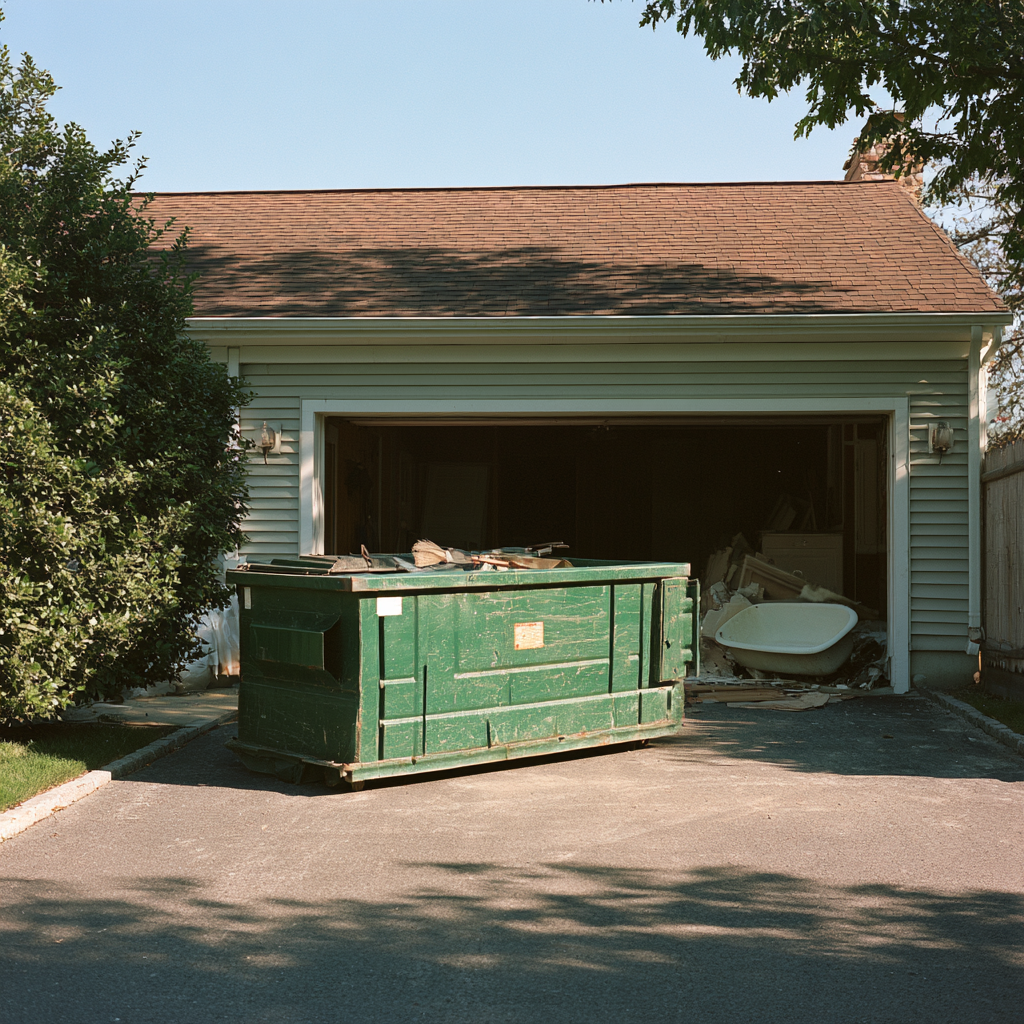
Dumpsters for a Tub-to-Shower Conversion
A tub-to-shower conversion throws off heavy, dense debris, so size the dumpster for weight rather than volume and set it close to the bathroom’s exit path.
Here’s a rundown of what to know about renting and using a dumpster during the renovation.
What This Project Throws Off
The pile is bigger than the room suggests. You’re clearing the old tub, wall tile, and the cement or backer board behind it, cut drywall, the surround, and often damaged subfloor once the tub is out. Much of it can be recycled rather than landfilled, and the EPA’s guidance on construction and demolition materials covers which materials have a second life.
Why a Small Bathroom Hits Weight Limits Fast
The trap in any bathroom demo is weight, not space. Ceramic tile runs roughly 4 to 6 pounds per square foot, cement backer board adds about 3 pounds per square foot, and a cast-iron tub can weigh 250 to 500 pounds on its own, versus 60 to 100 for acrylic. Water-damaged drywall weighs far more than dry.
“The smallest room in the house is the one that sneaks up on you,” said the Prime Dumpster Pro. “A single bathroom’s worth of tile and a cast-iron tub can hit a container’s weight limit while it still looks half empty, so you size for the weight, not the pile.”
Where to Put the Dumpster and What Size to Get
Placement is simple but worth planning. A driveway is ideal, positioned close to the door you’ll carry debris out of, so you’re not hauling heavy tile across the whole house.
Lay plywood or drop cloths along the path to protect your floors, leave clearance for the delivery truck, and check local rules first if the only spot is the street, since street placement can require a permit.
Here are the most common dumpster sizes available to rent for residential construction.
| Size | Dimensions | Best For |
| 10-Yard Dumpster | 12′ × 8′ × 3.5′ | A single tub-to-shower swap; ideal for heavy tile and cast-iron loads |
| 15-Yard Dumpster | 16′ × 7.5′ × 4–5′ | A full bathroom gut with fixtures and drywall |
| 20-Yard Dumpster | 22′ × 7.5′ × 4.5′ | Two bathrooms, or a bath plus an adjacent room |
| 30-Yard Dumpster | 22′ × 8′ × 6′ | Rarely needed; only a bath rolled into a larger whole-home remodel |
| 40-Yard Dumpster | 22–24′ × 8′ × 8′ | Rarely needed; suited to big renovations, not a standalone bathroom |
For most conversions, a 10-yard is the right call, since its lower profile handles dense tile and cast iron without tempting you to overload a bigger box. The 30 and 40-yard sizes only make sense when the bathroom is part of a much larger renovation.
Prime Dumpster Pro Tip: Tile and cast iron are heavy, and you can’t use bigger containers a way around the weight limit. Heavy loads are capped by weight, not volume, so a 30- or 40-yard dumpster would still reach its weight limit well before it looks full.
Frequently Asked Questions
Tubs go in dumpsters, tile and cast iron drive the weight, and a driveway dumpster rarely needs a permit.
We asked our team for their help answering the most common questions we hear about bathtub to walk-in shower conversions and how to dispose of the debris these remodels create.
Can a bathtub go in a dumpster?
Yes. Acrylic and fiberglass tubs load whole, and a cast-iron tub works too, though it’s often broken into pieces first to save space and handle the weight.
Does a cast-iron tub change the dumpster size I need?
It changes the weight, not the volume. Factor 250 to 500 pounds into your load and mention it when you book so the size matches.
How heavy is tile debris?
Roughly 4 to 6 pounds per square foot with mortar and backer board included, which adds up fast across a full surround.
Do I need a permit for the dumpster?
Usually not on your own driveway. A permit typically comes into play only when the container sits on a public street, and those rules vary by city.
How long does the project take? A straightforward swap runs a few days. Full tile work or a plumbing change stretches that out.
Bringing Your Bathroom Up to Date
A tub to shower conversion is a high-impact upgrade that opens up the room, boosts accessibility, and modernizes one of the most-used spaces in the house. Plan around the plumbing, choose the shower that fits your life, and line up the cleanup before the demo starts.
Prime Dumpster is here to make that last part easy. We offer flexible rental terms, upfront quotes with no surprises, and a team that’ll help you pick the right size and walk you through the whole rental.
Ready to ditch the tub? Contact our team for a fast quote and the right dumpster for your conversion.
If you are looking for How to Gut a House, Click Here
Recent Posts


Follow Us
Have any questions?
+1 844 853 3867
Give us a call today so we can help you find the right waste & sanitation solution for
your project!
Contact Us