
Mon - Sat 7:00 am to 7:00 pm
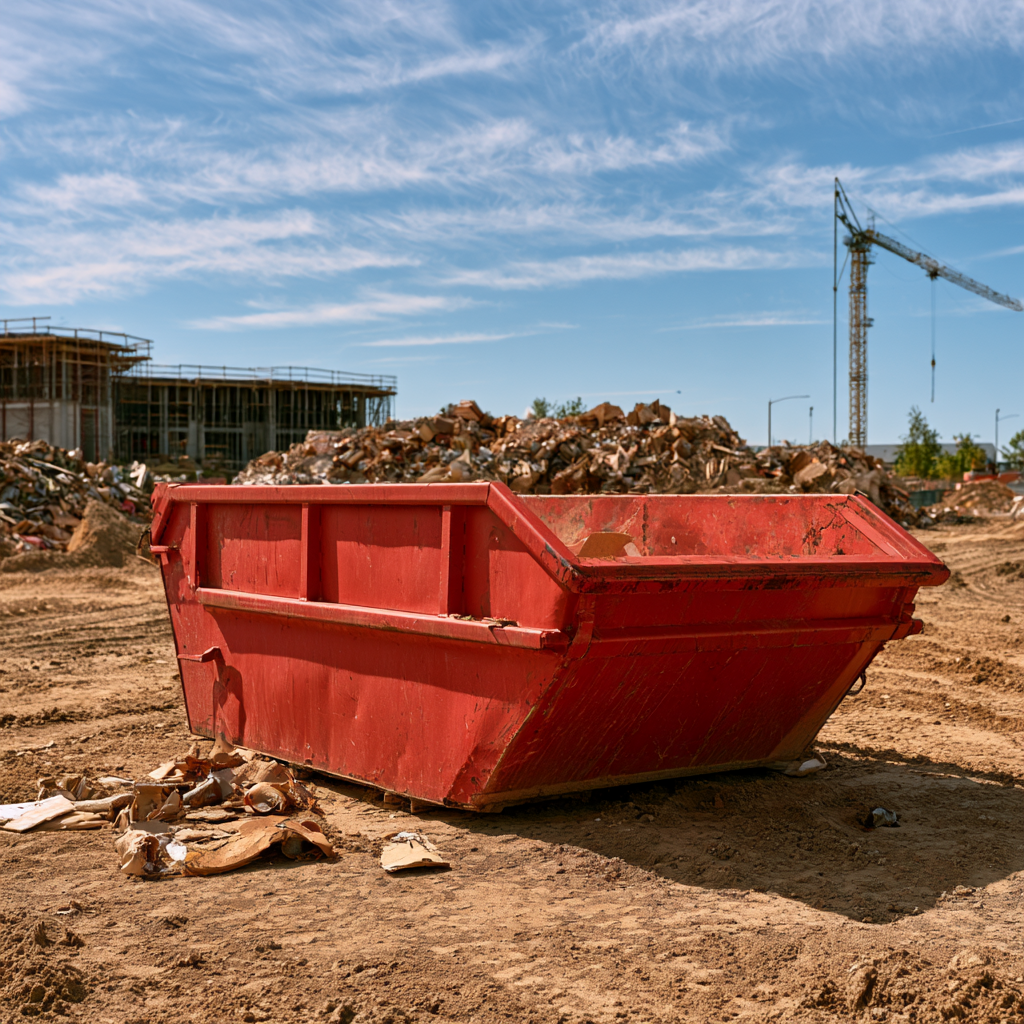
When Do Contractors Need to Rent Dumpsters?
On a busy project, debris builds up faster than most crews expect. Tear-out, packaging, and leftover materials pile up quickly, and without a plan for handling them, sites get cluttered, walkways get blocked, and schedules start to slip.
Knowing when a dumpster makes sense helps you plan ahead instead of reacting once debris is already in the way. The answer depends on the type of project, the client, and how the site operates day to day.
At Prime Dumpster, we put together this guide to explain when do contractors need to rent dumpsters across seven common project types. It covers the debris each type of job produces, the site challenges to plan for, and practical tips for keeping waste management on track.
Fast Facts: Dumpster Tips for Contractors
Contractors typically need dumpsters for commercial construction and demolition, government projects, retail and restaurant renovations, office renovations, hospitality and venue work, industrial projects, and disaster cleanup.
These are the seven project types covered in this guide:
- Commercial construction and demolition
- Government and municipal projects
- Retail and restaurant renovations
- Office buildings and corporate campuses
- Hospitality and event venues
- Industrial projects
- Disaster cleanup and recovery
“The best time to plan for a dumpster is before the first wall comes down,” says the Prime Dumpster Pro. “When the container is in place from day one, crews can keep the site clear instead of stacking debris and moving it twice.”
1. Commercial Construction and Demolition
Commercial construction and demolition projects produce large volumes of debris, from concrete and steel to drywall, carpet, and packaging. With tight schedules and multiple trades on site, having a dedicated place for that debris keeps the work moving.
A well-placed dumpster helps keep walkways and work areas clear, which supports both safety and productivity. On larger jobs, multiple containers or scheduled swaps can keep debris moving as the project shifts from demolition to framing to finishing.
Commercial construction and demolition projects benefit from dumpsters placed close to the work, with swaps scheduled around each phase.

2. Government and Municipal Projects
Public works projects, such as courthouse renovations, school construction, and park improvements, often come with added oversight and documentation. Contractors working on these jobs also need to follow the federal acquisition and procurement rules that apply to many government contracts.
A dumpster rental supports these projects by giving crews a consistent, organized way to handle construction debris and landscaping waste. Keeping the site clean and orderly also matters on public projects, where neighbors, officials, and community members are often watching the work.
Government projects benefit from organized, consistent debris handling that keeps public sites clean and supports project documentation.
3. Retail and Restaurant Renovations
Renovating a store or restaurant usually means working on a tight timeline, sometimes while part of the business stays open. Old fixtures, flooring, countertops, signage, and display cases all need to go, and they need to go without disrupting customers.
A dumpster placed away from entrances and customer parking keeps debris out of sight while crews work. For more on planning debris removal for these projects, see this contractor’s guide to waste management.
“On retail jobs, placement is everything,” says the Prime Dumpster Pro. “Keep the container away from customer traffic and plan pickups around business hours so the store can keep running.”
Retail and restaurant renovations work best with containers placed away from customer areas and pickups scheduled around business hours.
4. Office Buildings and Corporate Campuses
Office renovations and expansions often happen while employees are still working nearby. These projects produce debris like old cubicles, carpet, ceiling tiles, and furniture.
A dumpster gives crews a central place to dispose of that debris, which keeps hallways and work areas clear. Electronics and IT equipment often need separate recycling, so plan for those items before loading. You can compare container options on the dumpster rental page.
Office renovations benefit from a central dumpster that keeps shared spaces clear, with electronics set aside for separate recycling.

5. Hospitality and Event Venues
Hotels, wedding venues, and arenas regularly go through renovations and upgrades. These projects produce construction debris, old furnishings, landscaping materials, and décor, often on schedules built around bookings and events.
Planning container placement and pickup timing around guest activity helps keep the property clean and minimizes disruption. Reviewing your dumpster rental agreement ahead of time helps make sure the rental period and swap schedule fit the project.
Hospitality projects work best with containers placed out of guest view and pickups scheduled around bookings and events.
6. Industrial Projects
Industrial projects, such as manufacturing facility upgrades or warehouse renovations, often produce large amounts of metal, wood, concrete, and packaging. A dumpster helps keep these materials organized and out of the way of equipment and workers.
Some industrial sites also produce materials that can’t go in a standard dumpster, such as chemicals, contaminated soil, or other hazardous waste. These materials need specialized handling and disposal, so it’s important to identify them early and keep them separate from general debris.
Industrial projects use dumpsters for non-hazardous debris like metal, wood, and concrete, while hazardous materials need separate, specialized disposal.
7. Disaster Cleanup and Recovery
After storms, floods, or other disasters, cleanup crews face large volumes of damaged building materials, furniture, and debris. Dumpsters help contractors clear properties quickly so rebuilding can begin.
Recovery work often involves materials that need special care, such as items damaged by floodwater or debris that may contain hazardous substances. Homeowners and businesses may also be working with disaster assistance programs during cleanup, so clear communication about schedules and debris removal helps the process run smoothly.
“Disaster cleanups move fast, and debris volumes can change daily,” says the Prime Dumpster Pro. “Staying in close contact about swaps and placement keeps crews working instead of waiting on empty containers.”
Disaster cleanup crews use dumpsters to clear damaged materials quickly, with close coordination on swaps as debris volumes change.
Planning the Right Dumpster for Every Project
Knowing when do contractors need to rent dumpsters comes down to understanding each project’s debris, schedule, and site conditions. Planning ahead for placement, container size, and swaps helps keep jobsites safe, organized, and on schedule.
At Prime Dumpster, we’re ready to help you plan the right container setup for your next project. Contact our team to get started.
If you are looking for Guide to Construction Dumpsters for Contractors, Click Here
Recent Posts


Follow Us
Have any questions?
+1 844 853 3867
Give us a call today so we can help you find the right waste & sanitation solution for
your project!
Contact Us