
Mon - Sat 7:00 am to 7:00 pm
House Cleanout Guide: How to Clean Out a Home
A house cleanout is the single biggest reset a home can get, whether it’s for a move, an estate transition, a downsize, or just years of stuff that finally hit a breaking point. Getting the job done comes down to planning, sorting, and having a reliable place to place the waste. At Prime Dumpster, we help homeowners clear the mountain of items a home cleanout produces, with custom waste management strategies and dumpster rental options.
This guide covers when a cleanout makes sense, how to plan it, how to sort what comes out, how to size a dumpster for the job, and when to hand the project off to a professional. It also serves as a hub for our deeper guides on the specific situations that call for a cleanout.
Fast Facts: 4 Home Cleanout Tips
A home cleanout is a project you can plan and pace, and the difference between a smooth one and a chaotic one usually comes down to preparation. Here’s a quick look at what’s involved.
- A house cleanout typically involves clearing an entire home of unwanted belongings through a sort-and-dispose process, moving items into keep, donate, sell, recycle, and discard piles
- A home cleanout timeline runs a few days for a small home or a focused push, and one to two weeks for a whole-house pass that includes garages, basements, and outbuildings
- A house cleanout is a DIY-friendly project for most healthy adults with help, though hoarding cases, estates with valuables, and biohazard situations call for professional cleanout services
- The right dumpster size for a house cleanout is a 20-yard roll-off dumpster for most whole-home projects, and a 15-yard for a lighter or partial cleanout
Because volume is what usually catches people off guard, planning the dumpster side up front makes everything else easier. A Prime Dumpster account manager can right-size a container for your cleanout, hand you an upfront quote, and set delivery and pickup around your schedule.
When a House Cleanout Makes Sense
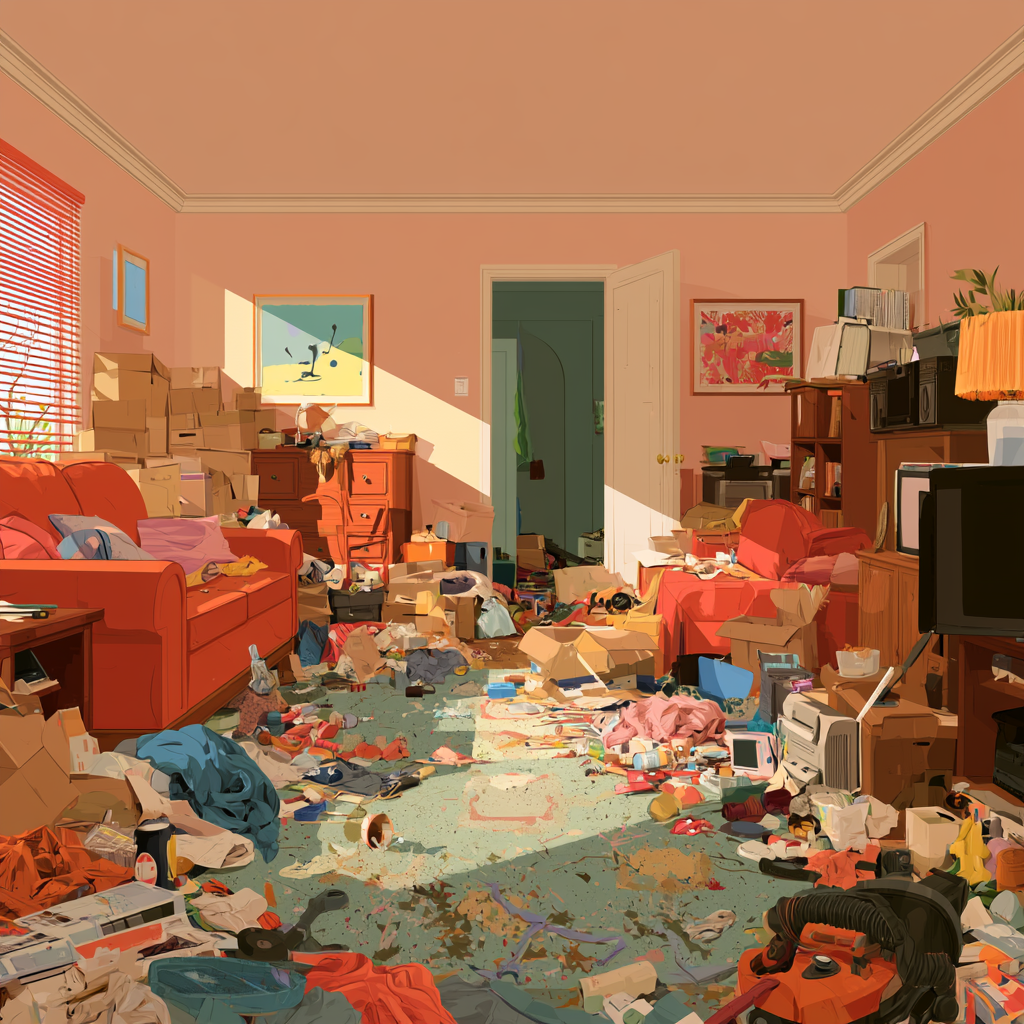
A house cleanout is worth doing whenever a home has more in it than serves the people living there, and specific life events almost always trigger one.
Cleanouts don’t happen at random. They usually follow a clear trigger, and knowing which one applies to your situation shapes how you approach the whole project.
Home Sale
Preparing to sell a home is one of the most common reasons. A cluttered home shows poorly and sells slowly, so preparing your house to sell almost always starts with clearing out what won’t move with you.
Estate Transition
An estate transition after a death or move to assisted living is another. These cleanouts are emotional as much as physical, and they often surface decades of belongings that need thoughtful sorting rather than fast decisions.
Moving / Downsizing
Moving or downsizing forces the same conversation, since a smaller home simply won’t hold everything from a larger one. Some homeowners approach downsizing gradually through methods like Swedish death cleaning, a low-pressure decluttering approach that pares belongings down over months rather than days.
Clutter Removal
Reclaiming space is a reason too, and it doesn’t need to wait for a life event. A garage that hasn’t held a car in years, or a basement full of forgotten boxes, is a cleanout waiting to happen.
Hoarding
Hoarding is the most serious trigger, and it calls for a different playbook entirely, one built on compassion, safety, and often professional involvement. Our guide to hoarding cleanout covers that situation in depth.
Planning a House Cleanout
Planning a house cleanout starts with a realistic timeline, room-by-room order, and the supplies to sort and haul what comes out.
The best cleanouts run on structure, not adrenaline. Set a realistic timeline first, since underestimating how long a cleanout takes is the fastest way to burn out halfway through. Most whole-home cleanouts stretch across several days at minimum, and a large or emotionally weighty one takes longer.
Work room by room rather than trying to touch everything at once. Pick an easier space first to build momentum, then move to the harder rooms once the sorting rhythm is set. Save the most sentimental rooms for last, when the process feels routine.
Gather supplies before day one: contractor bags, sorting bins or labeled tape, gloves, dust masks, cleaning supplies, and a plan for the discard pile. Involve family early if the home holds items others might want, so decisions happen with everyone’s input rather than after the fact.
“The cleanouts that go smoothly are the ones with a plan on the wall,” said the Prime Dumpster Pro. “A rough schedule, a room-by-room order, and a dumpster on site turns a weekend of chaos into a project you can actually finish.”
Sorting: Keep, Donate, Sell, Recycle, Discard
A house cleanout sorts everything into five clear destinations, so nothing sits in limbo and every item has somewhere to go.
The heart of any cleanout is the sorting decision, and the cleanest way to run it is with five clear destinations set up from the start.
Keep is for the belongings that genuinely serve the household or hold real sentimental value. Be honest here, since a permissive keep pile defeats the whole cleanout.
Donate covers usable items with life left in them. Clothing, furniture, housewares, and working electronics all find second lives through national donation networks like Goodwill, the Salvation Army, and Habitat for Humanity’s ReStore, which accepts furniture and building materials many other charities won’t. The EPA’s guidance on reducing and reusing also points to donation as one of the most effective ways to keep usable goods out of landfills.
Sell or give away is for higher-value items where a marketplace listing makes sense. Craigslist, Facebook Marketplace, and OfferUp all reach local buyers who typically haul items away themselves. For a deeper look at the options, our guide on how to get rid of furniture covers all seven common disposal routes.
Recycle handles what can’t be donated but shouldn’t go in the trash. Paper, glass, metals, and many electronics have local recycling streams, and some communities offer bulk recycling drop-offs a few times a year.
Discard is the pile that goes to the dumpster. Broken furniture, worn textiles, unusable electronics, and everything that no charity will accept ends up here, and it’s usually the biggest pile of the five.
Handling the Volume: Dumpsters for a House Cleanout
A house cleanout produces more debris than most homeowners expect, so a rented roll-off dumpster on site keeps the sorting moving and the discard pile out of the way.
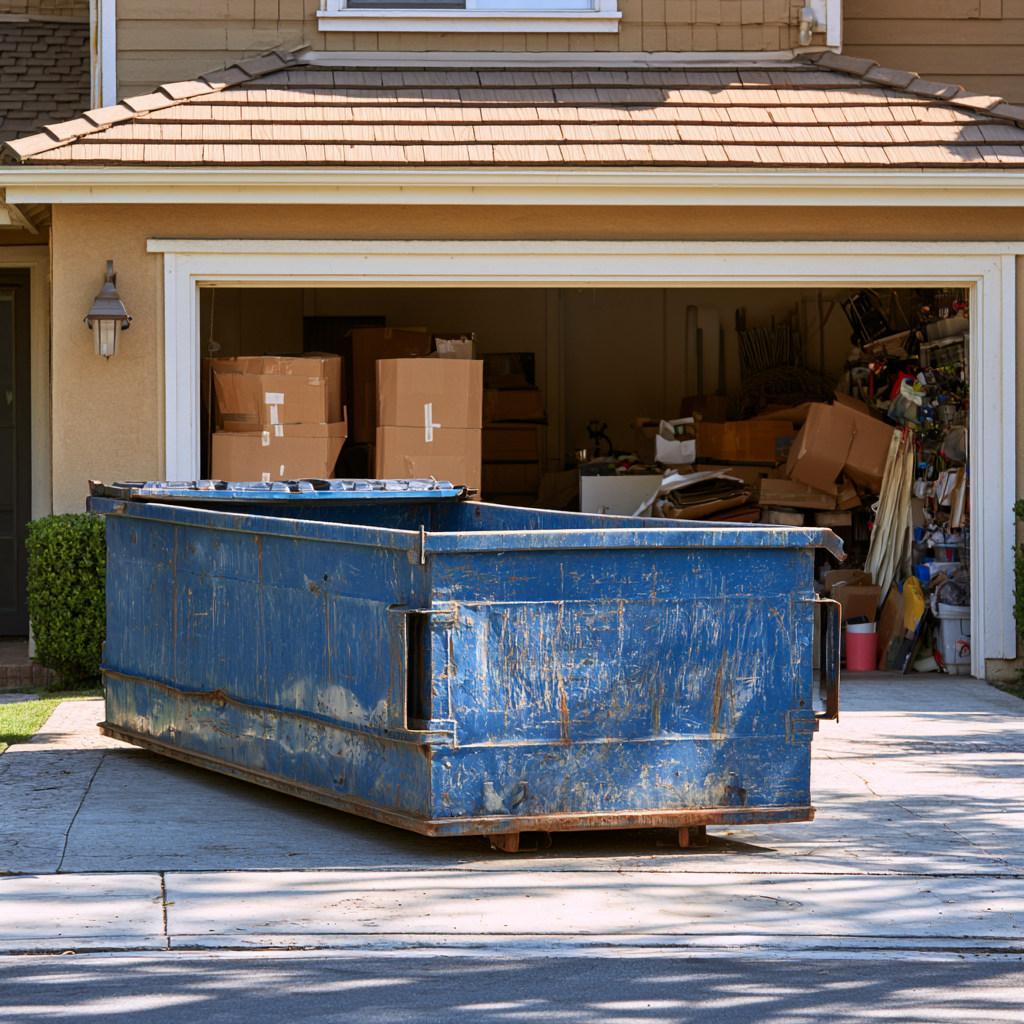
Volume is the piece that catches even organized homeowners off guard. Between the discard pile, the items donations turn down, and the miscellaneous junk hiding in closets and basements, a whole-home cleanout produces more than most people plan for. A roll-off dumpster rental parked in the driveway gives the discard pile one dedicated home, so the sorted rooms stay sorted instead of accumulating growing piles by the front door.
“People always underestimate the pile,” said the Prime Dumpster Pro. “A closet here and a garage there adds up to more than a few carloads, so we tell folks to size the container to the whole house, not just the room they’re standing in.”
| Size | Dimensions | Best For a House Cleanout |
| 10-Yard Dumpster | 12′ × 8′ × 3.5′ | A single-room cleanout or a light declutter |
| 15-Yard Dumpster | 16′ × 7.5′ × 4–5′ | A moderate cleanout across several rooms |
| 20-Yard Dumpster | 22′ × 7.5′ × 4.5′ | The typical whole-home cleanout |
| 30-Yard Dumpster | 22′ × 8′ × 6′ | A high-volume cleanout, or a cleanout paired with a renovation |
| 40-Yard Dumpster | 22–24′ × 8′ × 8′ | Rarely needed for a standard cleanout; suited to estates or multi-property clear-outs |
For most whole-home cleanouts, a 20-yard is the right pick, and a 15-yard handles a lighter or partial job. Larger sizes make sense only when the cleanout is paired with renovation debris or spans multiple properties.
When to Bring in Professionals
Professional cleanout services are worth the cost for hoarding situations, estates with valuables, biohazard risks, and any case where the volume or emotional weight is beyond what family can handle.
DIY works for most cleanouts, but not all of them. A few situations genuinely call for professional help, and knowing when to hand it off saves both stress and safety risks.
Hoarding cleanouts are the clearest case. Severe hoarding often involves biohazards, structural concerns, and a person who needs support alongside the physical work. Professional hoarding cleanup crews, biohazard specialists, and mental health support are the right team, and our hoarding cleanout guide walks through the full approach.
Estates with valuables benefit from professional estate services, particularly when items may be appraised, auctioned, or distributed among heirs. Rushing a valuable estate through a DIY cleanout can mean discarding pieces that had real value.
Biohazard situations, including animal waste, mold, or medical materials, require licensed remediation companies with the training and equipment to handle them safely.
Physical limitations or emotional weight also matter. A cleanout is heavy work, and there’s no shame in hiring out when it’s more than the family can manage. Even a partial hire, where a crew handles the discard pile while family sorts, keeps the project moving.

Related House Cleanout Guides
Each of these deeper guides covers a specific cleanout situation, from a pre-sale reset to a compassionate approach for hoarding.
Our other guides pick up where this pillar leaves off, going deeper on the specific situations that bring most people to a cleanout in the first place.
- How to Prepare Your House to Sell — A room-by-room approach to clearing, cleaning, and staging a home for the strongest possible listing.
- Swedish Death Cleaning Guide — A gentle, gradual method for decluttering a home over months, so the pile never becomes overwhelming.
- Hoarding Cleanout — A compassionate, safety-first guide for severe cases, covering when to bring in professional help and how to plan the volume.
- How to Get Rid of Furniture — Seven options for clearing bulky pieces, from donating and selling to renting a dumpster for the big loads.
- Whole-House Cleanout — A deeper look at whole-home clear-outs, with detailed guidance for time-pressured jobs.
Whether you’re a homeowner, contractor, or construction professional, our guides provide clear information on how to complete each project quickly, safely, and within your budget.

Frequently Asked Questions
We asked our Prime Dumpster Pros for their answers to the most common questions about home cleanouts and related debris disposal.
How long does a house cleanout take?
A house cleanout typically takes a few days for a small home or a focused push, and one to two weeks for a whole-house pass that includes garages, basements, and outbuildings. Hoarding cases and large estates run longer. For a quick overview, see Prime Dumpster Quick Guide: Whole House Cleanout.
How much does a house cleanout cost?
A house cleanout cost depends on whether you DIY or hire out. A DIY cleanout costs mainly the dumpster and supplies, while a professional cleanout service can run several thousand dollars or more depending on the volume, contents, and any specialty work like biohazard remediation.
Do you need a dumpster for a house cleanout?
For a whole-home cleanout, a rented dumpster is almost always the simplest option. It handles bulky items curbside pickup won’t take and gives the entire discard pile one dedicated home instead of repeated landfill trips.
How do you start a house cleanout?
Start a house cleanout by setting a realistic timeline, gathering sorting supplies, and picking an easier room to build momentum. Line up your dumpster before day one so the discard pile has somewhere to go from the start.
Getting Your Home Back
A house cleanout is one of those projects that looks impossible until you break it down into rooms, decisions, and destinations. With a plan, a timeline, and somewhere for the discard pile to go, even a decades-deep home can be cleared out in a matter of days.
Prime Dumpster is here for the heavy part. We offer flexible rental terms, upfront quotes with no surprises, and a team that’ll help you size a container for a whole-home cleanout and walk you through the entire rental.
Ready to reclaim your home? Contact our team for a fast quote and the right dumpster for your cleanout.
If you are looking for Tub to Shower Conversion: How to Replace a Bathtub With a Walk-In Shower, Click Here
Recent Posts


Follow Us
Have any questions?
+1 844 853 3867
Give us a call today so we can help you find the right waste & sanitation solution for
your project!
Contact Us