
Mon - Sat 7:00 am to 7:00 pm

How to Prepare Your House to Sell
Knowing how to prepare your house to sell is what separates a listing that lingers from one that gets snapped up fast. A little work before the sign goes in the yard can mean a faster sale and a stronger offer. At Prime Dumpster, we help homeowners clear out the clutter that surfaces during a move, so getting your house ready to sell is one less thing to stress over.
This guide walks through how to prepare to sell your house step by step, from the first declutter to the final staging touches, and where a rented dumpster fits into the plan.
Fast Facts: 7 Steps to Preparing Your House Before a Sale
Think of this as your selling-a-house checklist, the essentials that make a home show well. Here’s what matters most and why.
| Prep Task | Why It Matters |
| Declutter and depersonalize | Helps buyers picture themselves in the space |
| Deep clean top to bottom | Signals a well-maintained home |
| Make minor repairs | Removes small red flags before showings |
| Paint in neutral colors | Appeals to the widest range of buyers |
| Boost curb appeal | Sets the first impression from the curb |
| Stage the key rooms | Can raise offers and speed the sale |
| Get a pre-listing inspection | Avoids surprises during negotiation |
The declutter is usually the biggest job, and it’s where a lot ends up in the discard pile. A Prime Dumpster account manager will help determine the best roll-off dumpster size for your project. Plus, we’ll give you a complete quote before you book, and arrange drop-off and pickup around your timeline.
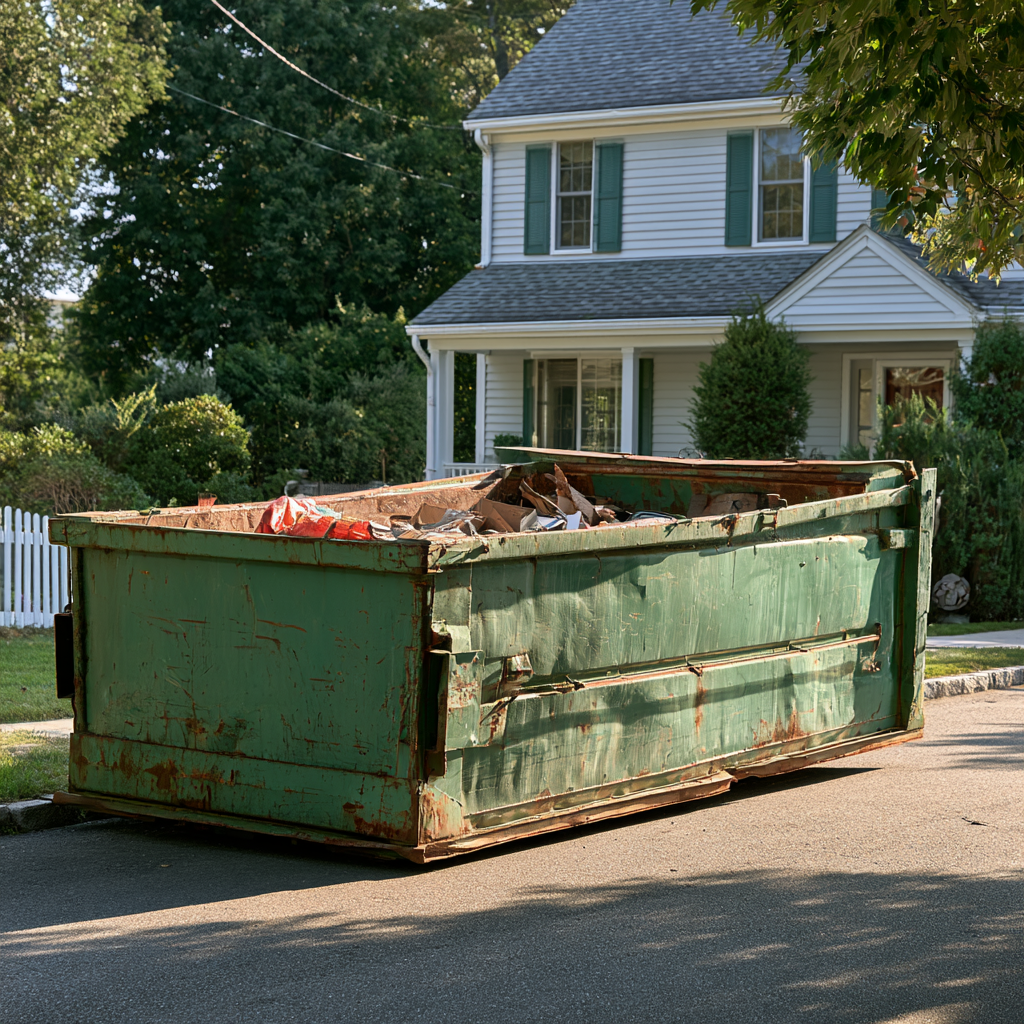
Declutter, Depersonalize, and Clear Out
Decluttering and depersonalizing is the highest-impact prep step, helping buyers picture themselves in the home and making every room feel larger.
Buyers are trying to imagine their life in your house, and that’s hard to do around someone else’s belongings. Start by clearing surfaces, thinning out closets, and emptying the drawers and built-ins that buyers will open. Rooms instantly feel bigger, which is exactly the impression you want.
Depersonalizing comes next. Pack away family photos, collections, and anything monogrammed so the space reads as a blank canvas. That spare room that’s become a catch-all needs a clear purpose too, even a simple desk turns it back into an office in a buyer’s eyes.
Then deal with everything you’ve pulled out. Pieces in good shape can be donated or sold, and our guide on how to get rid of furniture covers the fastest routes. The rest, the broken, worn, and worthless, is where a roll-off dumpster rental earns its keep, giving you one spot for it all. For a bigger job, our whole-house cleanout guide maps out the whole process.
“People always underestimate the pile,” said the Prime Dumpster Pro. “A closet here and a garage there adds up to more than a few carloads, so it’s worth sizing the container to the whole house, not one room.”
What Size Dumpster Do I Need for a Pre-Sale Cleanout?
The right size depends on how much you’re clearing before you list. Household clutter is light, so most cleanouts are limited by space rather than weight.
| Size | Dimensions | Best For |
| 10-Yard Dumpster | 12′ × 8′ × 3.5′ | A light declutter or a few rooms |
| 15-Yard Dumpster | 16′ × 7.5′ × 4–5′ | A typical pre-sale cleanout |
| 20-Yard Dumpster | 22′ × 7.5′ × 4.5′ | A whole-home clear-out before listing |
| 30-Yard Dumpster | 22′ × 8′ × 6′ | Rarely needed; a cleanout paired with a renovation |
| 40-Yard Dumpster | 22–24′ × 8′ × 8′ | Rarely needed; large estate or multi-property clear-outs |
For most pre-sale cleanouts, a 10 or 15-yard is plenty, and the 20-yard fits a full-house clear-out. The 30 and 40-yard sizes only make sense when the cleanout is bundled with a renovation.
Deep Clean and Make Minor Repairs
A deep clean and small repairs remove the red flags that make buyers wonder what else has been neglected.
Weekend tidying won’t cut it once buyers are walking through. Scrub the grout, wipe down baseboards and windowsills, clean inside cabinets, and clear the dust from the spots you normally skip. A spotless home tells buyers it’s been cared for.
Then knock out the small stuff. Realign a door that won’t close, swap a cracked tile, replace worn faucets and scratched hardware, and patch the drywall dings behind where furniture used to sit. None of it is expensive, but together these fixes keep a buyer from tallying a mental list of problems.
Refresh Paint and Boost Curb Appeal
Neutral paint and a tidy exterior shape the first and lasting impressions buyers form of your home.
A fresh coat of neutral paint is one of the cheapest, highest-return moves in preparing house for sale. That bold accent wall might be your favorite, but soft, neutral tones let the widest range of buyers picture their own style in the room.
Curb appeal sets the tone before anyone walks inside. Power wash the siding and walkway, trim the hedges, edge the beds, and lay fresh mulch. Clearing overgrown shrubs and yard debris is another job the dumpster handles alongside your interior clutter. Finish with a clean or freshly painted front door, since that’s the last thing buyers see before they step in.
Stage Your Home to Sell
Staging helps buyers connect with a home, and industry data ties it to higher offers and shorter time on the market.
Staging is the step that turns a clean, empty-feeling house into a home buyers can imagine living in. You don’t need a full professional service, some of the best home staging tips are simple: pull furniture away from the walls, add fresh towels and throw pillows, and arrange each room around a clear purpose. Focus your effort on the rooms buyers weigh most, the living room, primary bedroom, and kitchen.
It pays off, too. In its Profile of Home Staging, the National Association of Realtors found that 29% of agents reported staging raised offers by 1% to 10%, and 49% said it reduced the time a home spent on the market. Depersonalizing goes hand in hand with staging, so keep the look clean and universal.
Get a Pre-Listing Inspection
A pre-listing inspection surfaces problems early, so they don’t derail negotiations later.
Most inspections happen after an offer, but ordering one before you list is one of the smartest things to do before selling a house. It flags issues while you still have time to fix them or price around them, instead of scrambling once a buyer’s inspector finds them.
It’s also the right moment to handle disclosures. Radon is a common one, and the EPA’s radon and real estate resources explain how testing works in a sale and why it’s easier to address before your home is on the market. Going in informed keeps the closing on track.
Frequently Asked Questions
Prepping a house takes a few weeks, staging is usually worth it, and a dumpster makes the pre-sale cleanout far easier.
How long does it take to prepare a house to sell?
Plan for a few weeks. Decluttering and repairs take the most time, while cleaning and staging can come together in the final days before listing.
What’s worth fixing before selling?
Focus on small, visible issues, sticking doors, cracked tiles, worn hardware, and drywall damage. Skip major renovations unless your agent says they’ll pay off.
Is staging worth it?
Usually, yes. Even light staging helps buyers connect with the space, and agents link it to stronger offers and faster sales.
Do you need a dumpster to prep a house?
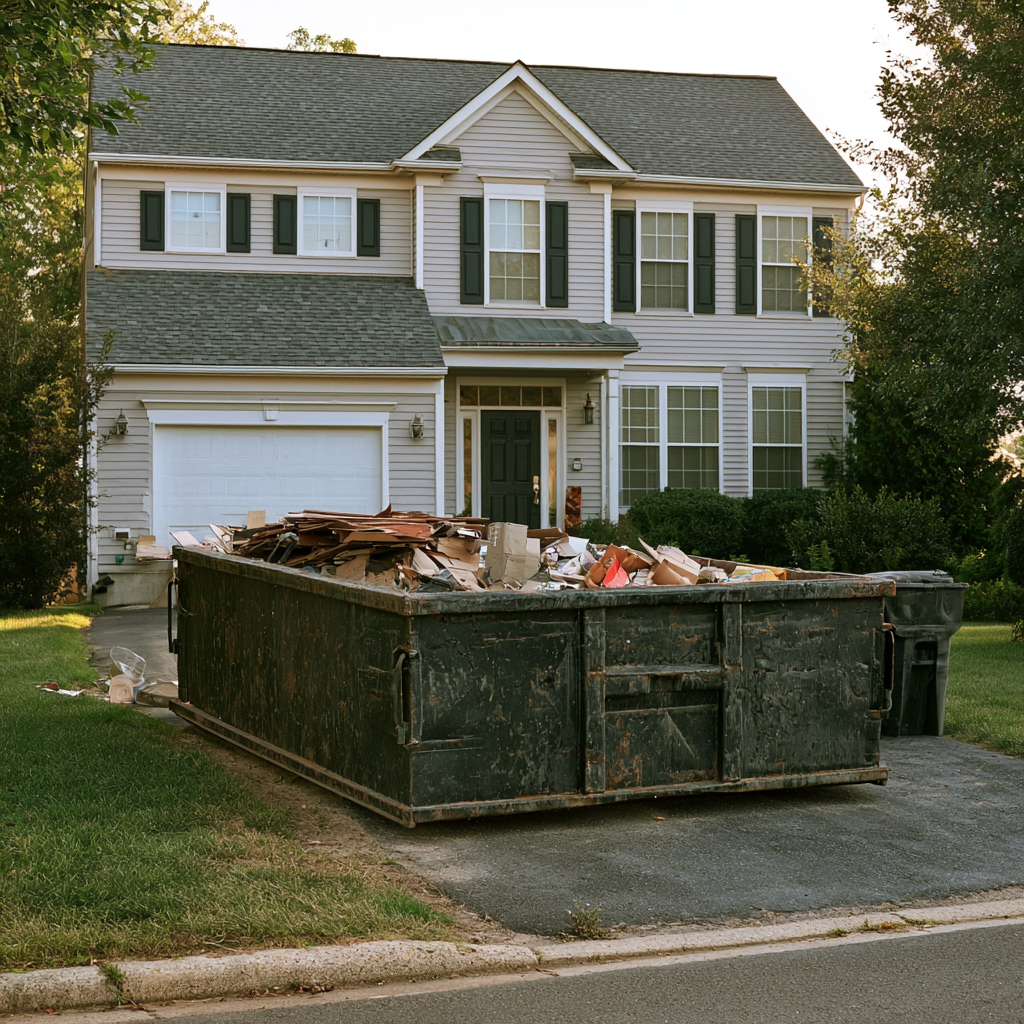
For a big declutter, it’s the simplest option. A rented dumpster gives you one place for everything you’re clearing instead of repeated trips to the landfill.
Learn more about the dumpster rental process in our comprehensive Dumpster Rental Resource page.
Ready to Put Up the Sign
Preparing your house to sell comes down to helping buyers see themselves in the space: clear it out, clean it up, make the small fixes, and stage it to shine. Start early, work one room at a time, and the whole process stays manageable.
Prime Dumpster is here to take the cleanout off your plate. We offer flexible rental terms, upfront quotes with no surprises, and a team that’ll help you pick the right size and walk you through the whole rental.
Ready to get your home market-ready? Contact our team for a fast quote and the right dumpster for your pre-sale cleanout.
If you are looking for How to Get Rid of Furniture: 7 Ways to Dispose of Old Furniture, Click Here
Recent Posts


Follow Us
Have any questions?
+1 844 853 3867
Give us a call today so we can help you find the right waste & sanitation solution for
your project!
Contact Us