
Mon - Sat 7:00 am to 7:00 pm
How to Clean Out a Hoarder’s House
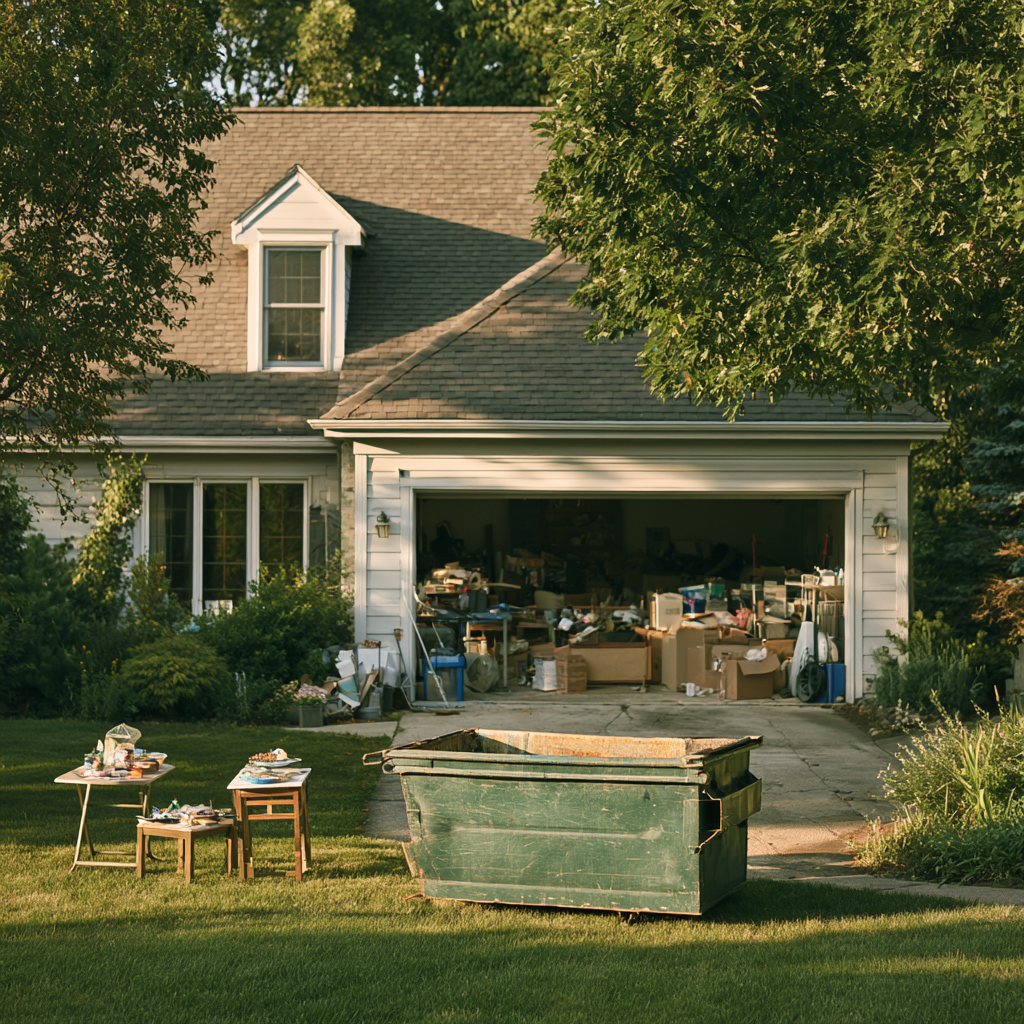
A hoarding cleanout isn’t the same as a normal deep clean, and it’s rarely just about the stuff. It’s an emotional, physical, and sometimes hazardous job that calls for patience, planning, and the right people involved from day one. At Prime Dumpster, we handle the debris side of the effort so families can focus on the person, not the pile.
Our guide walks through how to approach a hoarder house cleanout with care, what safety hazards to expect, and how to manage the sheer volume of what comes out.
Fast Facts: How to Clean Out a Hoarded House
We asked the Prime Dumpster Pros for help answering common questions we hear about home cleanout processes for a hoarding situation.
How is a hoarding cleanout different from a normal cleanout?
A hoarding cleanout is different from a normal cleanout because hoarding is a recognized mental health condition. The person living in the home typically needs to be involved and supported throughout the process, and the cleanout typically surfaces safety hazards a standard clear-out doesn’t, including biohazards, mold, pests, and blocked exits.
Should you hire professionals for a hoarding cleanout?
Homeowners should hire professionals for most hoarding cleanouts. Hoarding cleanup crews, biohazard remediation specialists, and licensed mental health professionals are the right partners for severe cases, homes with biohazards or structural concerns, and situations that call for trained support alongside the physical work.
How long does a hoarding cleanout take?
A hoarding cleanout takes days to weeks, depending on the size of the home and the level of clutter. A moderate cleanout may finish in a few days, while a severe hoarding case can span several weeks, and rushing the process usually backfires.
What size dumpster do you need for a hoarding cleanout?
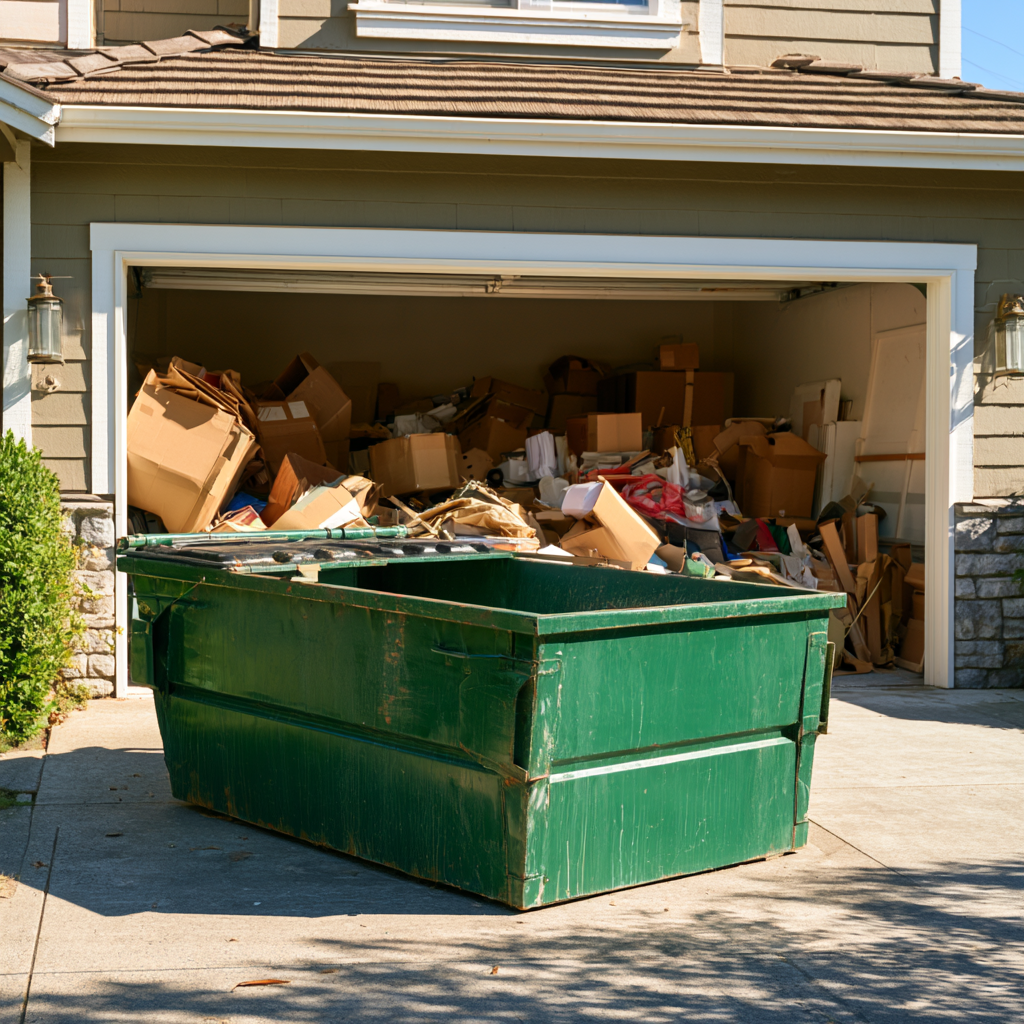
While many home renovations are well served by a 10-yard dumpster, most hoarding cleanouts benefit from something larger. A 20-yard roll-off dumpster is a common starting point for most whole-home cleanouts, and severe cases typically need multiple hauls or a 30-yard container.
Because the volume tends to outpace people’s estimates, planning the dumpster side up front matters. A Prime Dumpster account manager can right-size the container for a heavy clear-out, arrange multiple swaps if needed, and provide an upfront quote so there are no surprises when the work begins.
Understanding Hoarding Before You Begin
Hoarding disorder is a recognized mental health condition, so a compassionate, person-centered approach protects both the home and the relationship.
Hoarding is a diagnosable mental health condition, not laziness or a failure of willpower. The International OCD Foundation’s Hoarding Center explains it as a disorder in which a person has persistent difficulty parting with possessions, regardless of their value, and estimates it affects 2 to 4% of people. That reality shapes everything that follows.
The most important rule of any hoarding cleanout is consent. Throwing things out without the person’s involvement can trigger real trauma and often makes the underlying condition worse, not better. Whenever possible, the person needs to be part of the process, deciding what stays and what goes, even when that pace tests everyone’s patience. If the home belongs to a loved one, this is also a good moment to learn how to help a hoarder in a way that respects their autonomy and their dignity.
Safety and Health Hazards to Expect
Hoarded homes often carry biohazards, mold, pests, and structural risks, so protective gear and a careful walk-through are non-negotiable.
Long-term hoarding creates hazards you rarely find in a typical cleanout. Before anyone starts pulling boxes, walk the home with fresh eyes and plan for what’s underneath. Common hazards include:
- Biohazards like spoiled food, animal or human waste, or medical materials
- Mold and poor air quality behind and beneath piles
- Pests and rodent activity, including droppings and nesting
- Fire hazards from blocked exits, cluttered heat sources, and overloaded outlets
- Structural strain from stacked weight on floors and stairs
- Trip and fall risks from narrow, unstable pathways
Everyone helping should wear real PPE: heavy gloves, a NIOSH-approved respirator, eye protection, long sleeves, and closed-toe boots. If you see visible mold, the CDC’s mold cleanup guidance explains what to wear and when a job is beyond DIY. If the home smells strongly of rot or ammonia, if floors feel spongy, or if the exits are blocked, stop and bring in professionals before going further.
A Phased Plan for the Cleanout
Working the cleanout in phases keeps a huge job manageable and respects the person’s need to be part of the process.
A hoarding cleanout doesn’t reward speed. It rewards structure. Break the work into phases and don’t push into the next one until the current one is truly done.
Phase 1: Plan and Prepare
Line up your dumpster, safety gear, sorting supplies, and any professionals you’ll need before you touch a single item. Pick a starting room, ideally one that improves safety fastest, like clearing an exit or a kitchen path. Set realistic hours, since fatigue leads to injuries here.
Phase 2: Sort Room by Room
Set up four zones and stick to them: keep, donate, important documents, and discard. Work with the person on decisions where you can, and box up anything sentimental for calmer sorting later rather than forcing choices in the moment. Cleaning a hoarder house one room at a time protects everyone’s stamina and gives the person visible wins along the way.
Phase 3: Haul It Out
This is where a dumpster earns its keep. Move the discard pile out steadily as you sort, so the reclaimed space stays clear and the sense of progress stays visible.
Phase 4: Deep Clean and Restore
Once a room is empty, it needs a real cleaning: dust, disinfectant, and often floor and wall repairs. Address any pest or mold issues before furniture goes back in. Repeat the cycle for each room until the home is safe and livable again.
“The families who get through these jobs are the ones who slow down and stick to a plan,” said the Prime Dumpster Pro. “Trying to blast through a house in one weekend almost always leaves someone hurt, upset, or both.”
Handling the Volume: Dumpsters for a Hoarding Cleanout
A hoarding cleanout typically produces more debris than any other kind of home clear-out, so plan for a large dumpster or multiple hauls.
Volume is the piece almost everyone underestimates. Years of accumulation can fill more than one dumpster, and rushed loading often leaves usable items mixed in with true trash. Having a roll-off dumpster on site lets you clear steadily as each room is sorted rather than living with mounting piles in the yard.
Two important cautions apply here. Biohazards, sharps, chemicals, and paint aren’t allowed in a standard dumpster and need specialized disposal. And if a home has extensive pest, mold, or waste contamination, professional biohazard remediation should come before a general cleanout dumpster arrives.
“People almost always order too small for a hoarding job,” said the Prime Dumpster Pro. “We’d rather deliver a 20-yard and swap it than watch a family stall halfway through because they ran out of space.”
| Size | Dimensions | Best For a Hoarding Cleanout |
| 10-Yard Dumpster | 12′ × 8′ × 3.5′ | A small, contained cleanout of a single room |
| 15-Yard Dumpster | 16′ × 7.5′ × 4–5′ | A moderate cleanout across a few rooms |
| 20-Yard Dumpster | 22′ × 7.5′ × 4.5′ | A typical whole-home hoarding cleanout |
| 30-Yard Dumpster | 22′ × 8′ × 6′ | A severe cleanout of a full house with high-volume clutter |
| 40-Yard Dumpster | 22–24′ × 8′ × 8′ | The most severe cleanouts, or a home paired with a garage or outbuildings |
Unlike most home projects, larger sizes and multiple swaps are common here rather than the exception. Booking a swap ahead of time keeps the cleanout moving instead of stalling for pickup.
Are you new to renting dumpsters? Learn Dumpster Rental Facts at a Glance on our dumpster rental resources page.
When to Bring in Professionals
Severe hoarding, biohazards, or emotional strain are all signs to bring in trained cleanup, remediation, and mental health support.
DIY has its limits. Bring in a professional hoarding cleanup crew when the home has heavy biohazards, structural concerns, animal waste, or when the volume is simply beyond what family and friends can safely handle. Biohazard remediation specialists are trained and equipped for what a standard cleaning service isn’t.
Hoarding cleanup cost varies widely with the severity of the home, the level of contamination, and how much specialty work is involved, from moderate for a support-only crew to significant for full biohazard remediation. Get more than one quote and ask what’s included.
Just as important, don’t skip the human side. A therapist experienced with hoarding disorder can help the person prevent the home from returning to its previous state, which is the outcome that matters most in the long run.
Frequently Asked Questions
A hoarding cleanout typically needs a larger dumpster than expected, takes days to weeks, and is easier when the person is involved throughout.
How much does a hoarding cleanout cost?
A DIY effort costs mainly the dumpster, supplies, and PPE. Professional hoarding cleanup runs much higher and depends on the home’s severity and any biohazard remediation required.
How long does a hoarding cleanout take?
Anywhere from a few days for a moderate home to several weeks for a severe one. Rushing usually causes setbacks, so plan for a realistic timeline.
Do you need a dumpster for a hoarding cleanout?
Almost always. A 20-yard is a common starting point, and swaps or multiple hauls are the norm rather than the exception.
How do you clean a hoarder house without overwhelming the person?
Go slowly, work one room at a time, and involve them in decisions. Small, visible wins build the trust needed to keep going.
Restoring a Home With Care
Cleaning out a hoarder’s house is one of the hardest home projects there is, and the ones that go well are the ones done with patience, planning, and support around the person. Take it a room at a time, respect the safety hazards, and lean on professionals wherever it makes sense.
Prime Dumpster is here to handle the volume so you can focus on the person. We offer flexible rental terms, upfront quotes with no surprises, dumpster swaps for larger jobs, and a team that’ll help you pick the right size and walk you through the whole process.
Ready to start the cleanout? Contact our team for a fast quote and the right dumpster for the job.
If you are looking for How to Remove a Tile Floor, Click Here
Recent Posts


Follow Us
Have any questions?
+1 844 853 3867
Give us a call today so we can help you find the right waste & sanitation solution for
your project!
Contact Us