
Mon - Sat 7:00 am to 7:00 pm
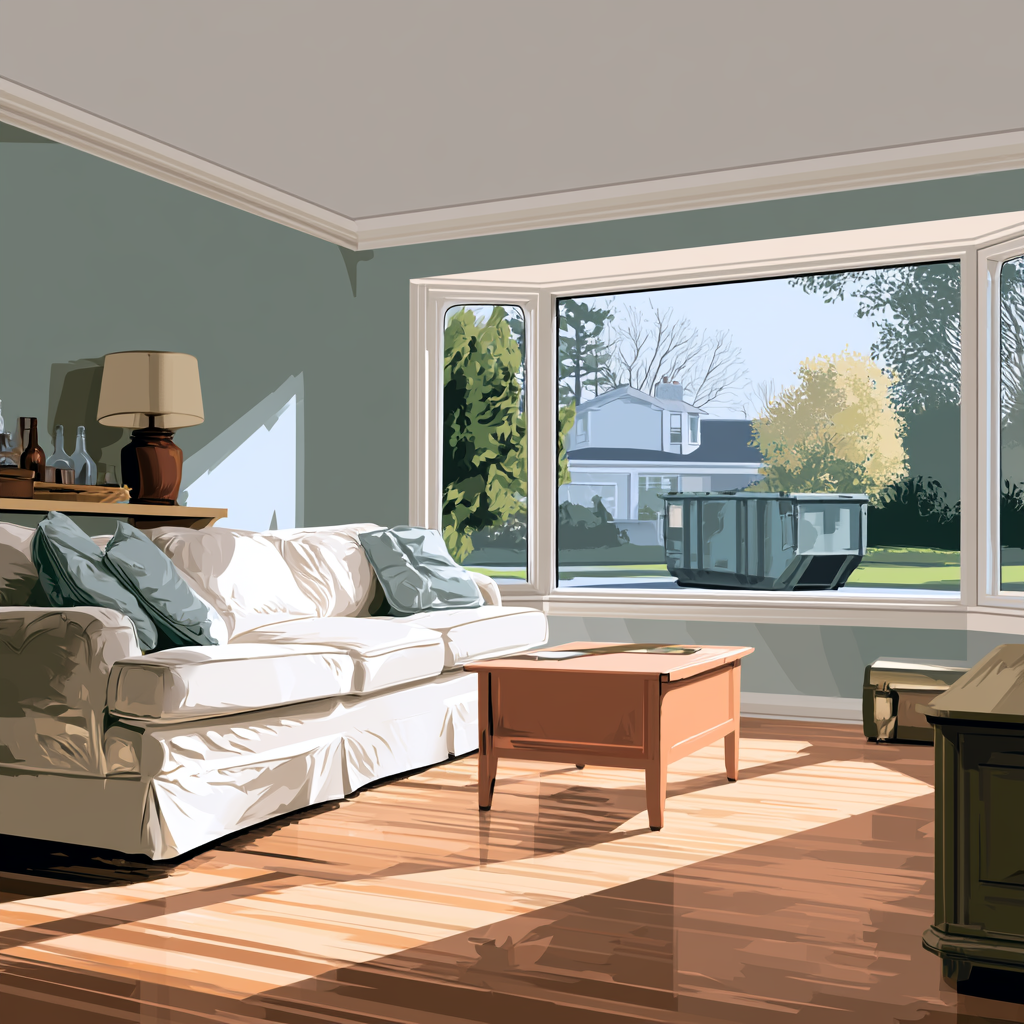
Swedish Death Cleaning: A Gentle Decluttering Method Anyone Can Use
Swedish death cleaning has an unsettling name, yet the practice itself is calm and practical. It’s a method for paring down what you own so your home feels lighter and your family is spared a hard job later.
At Prime Dumpster, we’ll help you clear away household clutter, whether it fills a few bags or a full container. This guide explains what the method is, how to work through it step by step, and how to handle everything you decide to let go.
Fast Facts: Swedish Death Cleaning for Home Decluttering
“People are always surprised by how much comes out of a single home,” said the Prime Dumpster Pro. “A pantry and two closets can fill more bags than a car can hold, so it pays to plan where it all goes before you start.”
What is Swedish death cleaning?
It’s the practice of decluttering your home on purpose. You keep only what serves your life now and clear the rest so it does not become someone else’s burden.
Is Swedish death cleaning only for seniors?
No. The method began as advice for later in life, but it fits any age, and it suits anyone downsizing, moving, or simply tired of clutter.
How do you start Swedish Death Cleaning?
Begin with the least personal items, such as duplicate kitchen tools or clothes you no longer wear. Save sentimental things for last.
What size dumpster is best for Swedish death cleaning?
Gradual, room-by-room work may not need one at all. For a big push or a whole-home cleanout, a 15 or 20-yard dumpster is the usual choice. A 10-yard suits small or tight-space jobs, while 30 and 40-yard containers fit only full-house clear-outs.
Prime Dumpster makes that last part simple. Your dedicated account manager will provide upfront quotes and walks you through choosing a container, so you can rent the right dumpster for Swedish death cleaning or any other home cleanout without guesswork.
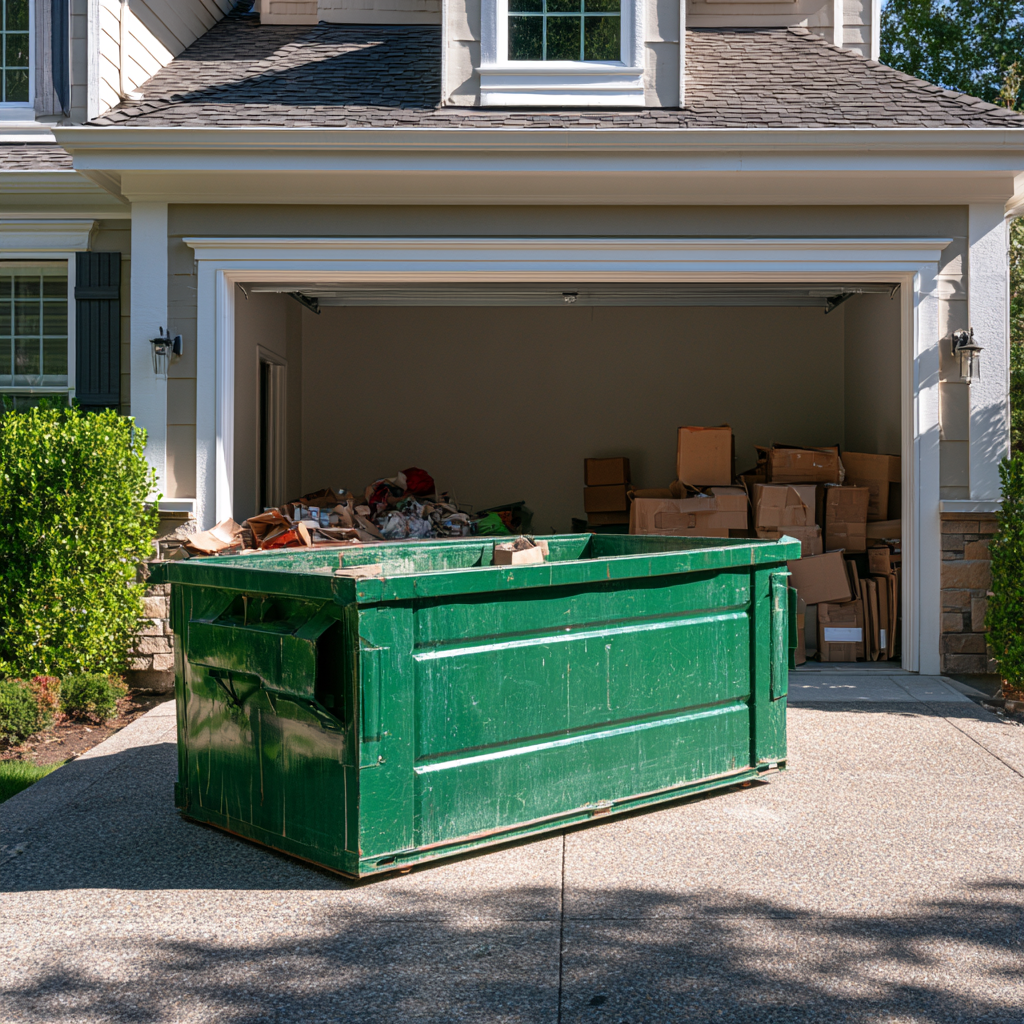
Swedish Death Cleaning: A Closer Look at an Effective Process
Swedish death cleaning is a decluttering method with roots in Scandinavia. The term comes from the Swedish word döstädning, which translates to death cleaning.
The idea was popularized by author Margareta Magnusson in her book The Gentle Art of Swedish Death Cleaning. Its definition is simpler than the name suggests. You keep only what adds value to your life. Everything else you pass along, donate, or discard.
The original meaning centered on easing the load for family after a person passes. In practice it has grown into a broader idea, sometimes called Scandinavian death cleaning, about living with less and staying organized year to year.
Who It’s For and Why It Works
The method suits far more people than its name implies. It fits any stage of life where you want less to manage:
- Downsizers moving into a smaller home
- Empty nesters reclaiming space after children move out
- Anyone preparing for a move who wants to pack less
- People who simply feel weighed down by clutter
- Families who want to spare relatives a difficult cleanout later
The payoff is a calmer home, easier moves, and less for anyone to sort through down the road.
How to Do Swedish Death Cleaning, Step by Step
The method follows a loose set of steps rather than strict rules. You can move at your own pace and repeat the process as often as you like. Use the steps below as a simple checklist.
Step 1: Tell Your Family You’re Starting
Letting your family know sets the tone and keeps you accountable. It also opens the door to stories you might not otherwise share. Relatives can flag items they hope to keep, which makes later decisions easier.
Step 2: Begin With the Least Personal Items
Momentum matters, so start where the choices are easy. Closets, duplicate gadgets, and unused linens are good first targets. You build confidence before reaching anything sentimental.
Step 3: Move Toward Sentimental Things Last
Photos, letters, and keepsakes take the most thought. Save them for when you have your footing. It is fine to keep what carries real meaning, as long as you can say why.
Step 4: Gift Meaningful Pieces With Intention
Some belongings deserve a second home rather than a discard pile. Offer them to people who will value them, and only if they truly want them. Giving with intention makes letting go feel like a gift.
Step 5: Donate or Sell What Still Has Use
Plenty of what you clear still has life left in it. Usable furniture, clothing, and housewares can go to donation charities or local shelters, and valuable pieces can be sold. Move these piles out quickly so you do not second-guess yourself.
Step 6: Keep a Personal Box and Gather Key Documents
Set aside one box for the things you want to keep close, and label it clearly. This is also a good time to collect important papers and passwords in one place for your family.
Step 7: Clear the Genuine Junk, and Make It Easy on Yourself
Every home hides broken, expired, or truly unwanted things. For a small pass, a few trash bags handle it. For a whole-home cleanout, a roll-off dumpster rental keeps the work moving so you are not making trip after trip to the curb.
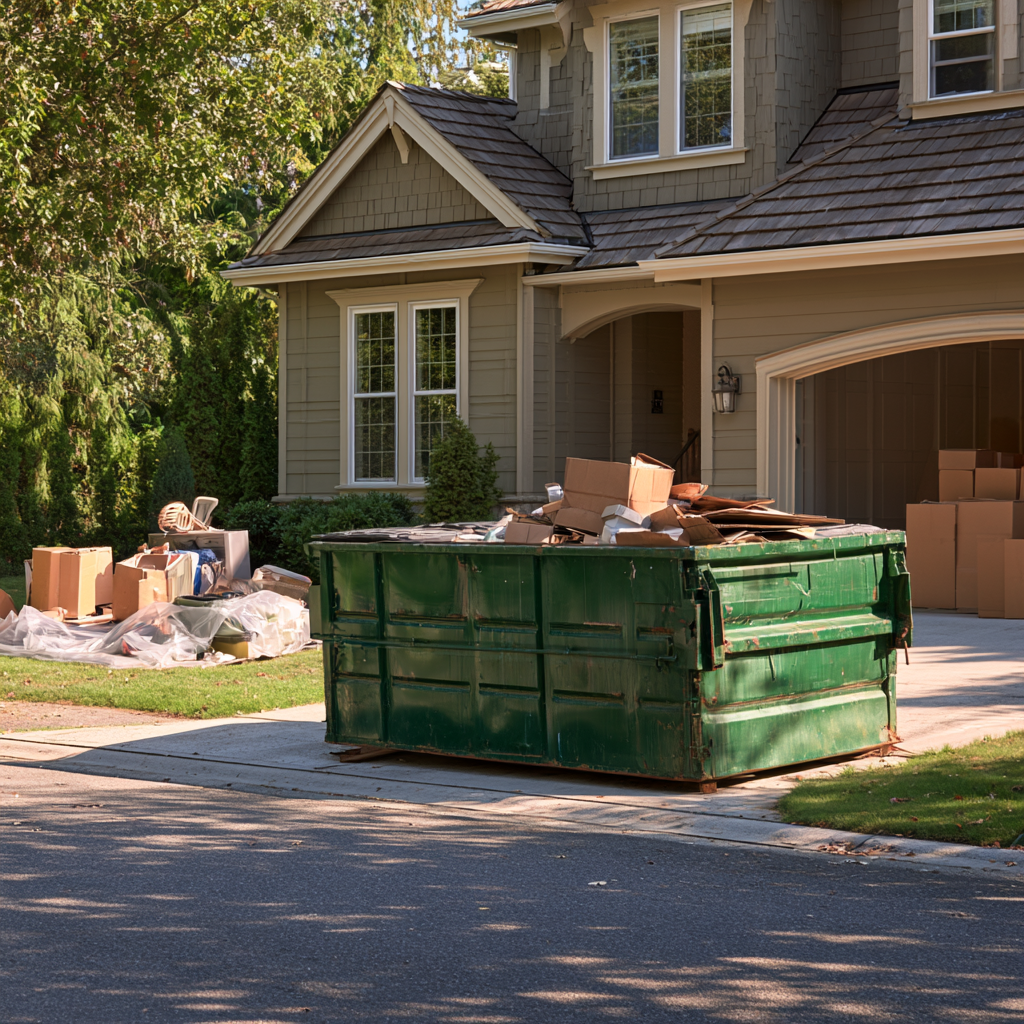
What to Do With Everything You Sort
Once the sorting is done, everything you removed needs somewhere to go. Sending each pile in the right direction keeps clutter from creeping back. Most items fall into one of five routes:
- Gift: meaningful pieces handed to people who want them
- Donate: usable clothing, furniture, and housewares to charities or shelters
- Sell: higher-value items through a yard sale or online listing
- Recycle: paper, electronics, and metals that local programs accept
- Dispose: broken or unusable items that belong in the trash
The dispose pile is usually the largest, and it is where a rented container earns its keep.
How to Determine the Right Dumpster Size
The right size depends on how much you are clearing and how heavy it is. Household clutter is light, so most cleanouts are limited by volume rather than weight.
| Size | Approx. Dimensions | Common Uses for a Cleanout |
| 10-Yard Dumpster | 12′ × 8′ × 3.5′ | Small, room-by-room clear-outs and tight driveways |
| 15-Yard Dumpster | 16′ × 7.5′ × 4–5′ | A garage, attic, or single-room clear-out |
| 20-Yard Dumpster | 22′ × 7.5′ × 4.5′ | A large whole-home pass or estate cleanout, the common pick |
| 30-Yard Dumpster | 22′ × 8′ × 6′ | High-volume, full-house cleanouts of lightweight goods |
| 40-Yard Dumpster | 22–24′ × 8′ × 8′ | Only the largest whole-house clear-outs |
Household items are light, so a large container fills by volume. That is why 30 and 40-yard sizes only make sense for full-house cleanouts. Heavy materials such as concrete or soil belong in a 10-yard, never a larger container. For most Swedish death cleaning a 15 or 20-yard is plenty, and you can plan a bigger job with the whole-house cleanout guide.
How Much Does It Cost to Rent a Dumpster for a Swedish Death Cleanout?
Dumpster rental prices for residential use vary based on several factors, including your location, how early (or late) you’re booking the rental, and more.
For general estimation purposes, 10-yard dumpsters have an average price range of $399 to $499 while 20-yard dumpsters range between about $499 and $649.
You can learn more about prices, the different factors that affect them, and easy ways to predict prices and control costs on our Dumpster Rental Pricing Resource Page.
Do I Need a Permit to Rent a Dumpster for a Home Cleanout?
For most home cleanouts, the answer is no. A dumpster placed on your own driveway or private property almost never requires a permit, and that covers the majority of Swedish death cleaning projects. Keep the container on your property and you can usually skip the paperwork.
A permit is typically needed only when the dumpster has to sit on a public street or curb. Rules vary from one city to the next, and some neighborhoods or HOAs add requirements of their own. Check with your local government before delivery if street placement is your only option, and your rental provider can often tell you what your area expects.
Making It a Habit
The method works best when it becomes a routine rather than a one-time event. A little at a time is easier to sustain than a single overwhelming weekend. Try a one-in, one-out rule when something new comes home, and revisit a room or two each year.
“The people who stick with it treat it like maintenance, not a project,” said the Prime Dumpster Pro. “Twenty minutes on a Saturday beats a dreaded weekend that never gets scheduled.”
Living With Less, One Room at a Time
Swedish death cleaning is less about the end of life and more about making the most of the space you live in now. Take it slowly, keep what matters, and let the rest move on.
Prime Dumpster is here for the heavy lifting. We offer flexible rental terms, upfront quotes with no surprises, and a team that will help you choose the right container and walk you through the whole process.
Ready to clear the clutter for good? Contact our team for a quick quote and the right dumpster for your cleanout.
If you are looking for Prime Dumpster Quick Guide: Whole House Cleanout, Click Here
Recent Posts


Follow Us
Have any questions?
+1 844 853 3867
Give us a call today so we can help you find the right waste & sanitation solution for
your project!
Contact Us