
Mon - Sat 7:00 am to 7:00 pm
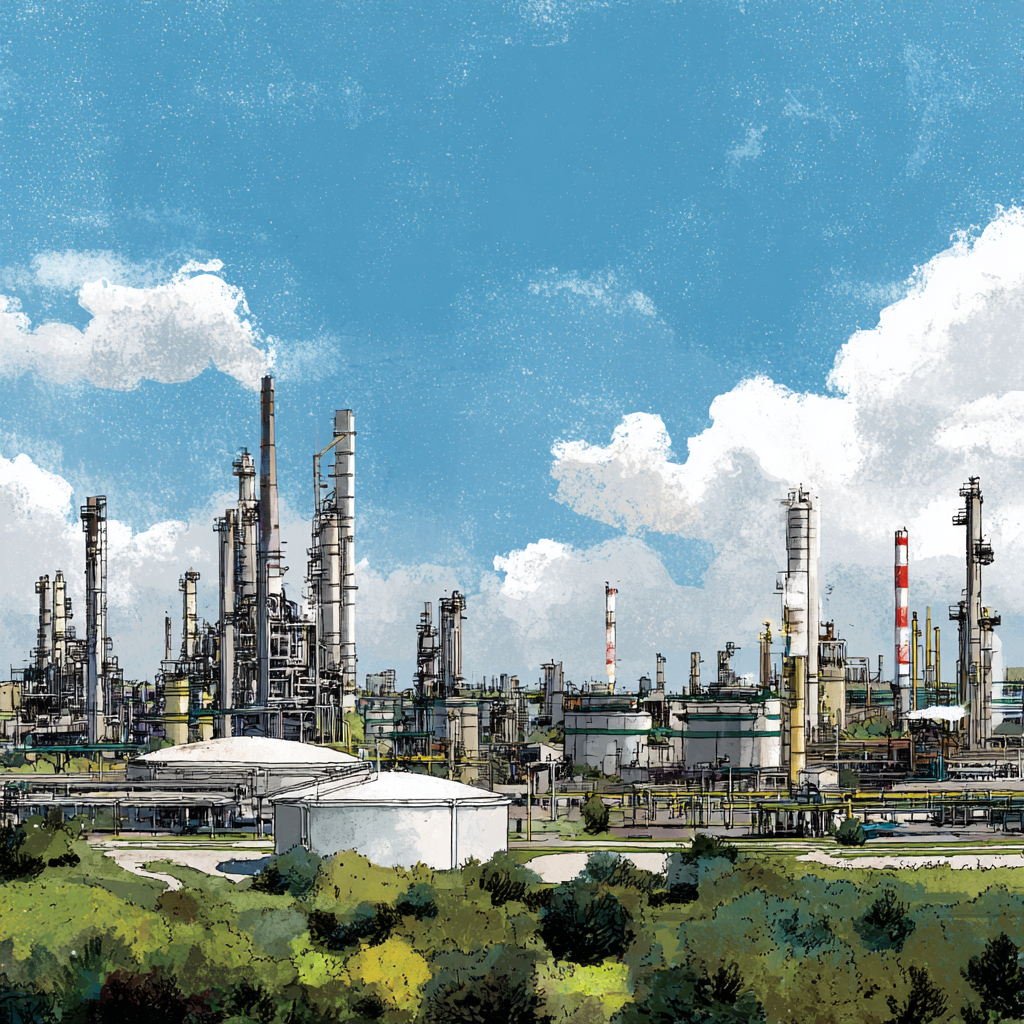
Dumpster Rental in Baytown, Texas, for Industrial and Petrochemical Operations
Baytown, Texas, sits at the heart of the Houston Ship Channel corridor, one of the most concentrated industrial and petrochemical complexes in the world. Refineries, chemical plants, pipeline infrastructure, and energy facilities operating in and around Baytown generate substantial and varied waste streams that require container solutions built around the pace and complexity of industrial operations rather than standard rental arrangements.
Prime Dumpster coordinates dumpster rental in Baytown, TX, for industrial and petrochemical operations across the Houston Ship Channel corridor. Our guide covers how roll-off container rental works across Baytown’s key industrial sectors and what facility managers, plant operators, and maintenance coordinators need to know before they book.
Fast Facts: Dumpster Rental for Baytown’s Industrial Sectors
“Baytown’s industrial operations span some of the most demanding waste removal environments we work in along the Gulf Coast,” says the Prime Dumpster Pro. “Each sector generates its own distinct waste stream, and container selection needs to reflect those differences rather than defaulting to a one-size-fits-all approach.”
Here’s a closer look at the most common uses for rented dumpsters in Baytown, Texas.
| Industry Sector | Commonly Needed Containers | Waste Removal Considerations |
| Oil Refining and Petroleum Processing | 30 and 40-yard on rotation; 10-yard for heavy scrap | High-volume continuous output; strict site access protocols; turnaround events require surge capacity |
| Petrochemical and Chemical Manufacturing | 30 and 40-yard rotation; multiple simultaneous units | Non-hazardous solid waste separation critical; packaging and production scrap volume varies by production cycle |
| Pipeline and Energy Infrastructure | 20 and 30-yard for construction debris; 10-yard for dense materials | Linear project footprints require multiple placement points; pipe, insulation, and coating debris common |
| Industrial Turnaround and Planned Maintenance | 40-yard primary; multiple units across contractor zones | Compressed timelines, high debris volume, multi-contractor coordination requires pre-planned rotation schedule |
| Chemical Storage and Distribution | 20 and 30-yard for ongoing facility waste | Packaging materials, damaged containers, and facility maintenance debris require consistent rotation |
Container availability and pricing will vary based on location, debris type, weight, scheduling requirements, and other factors.
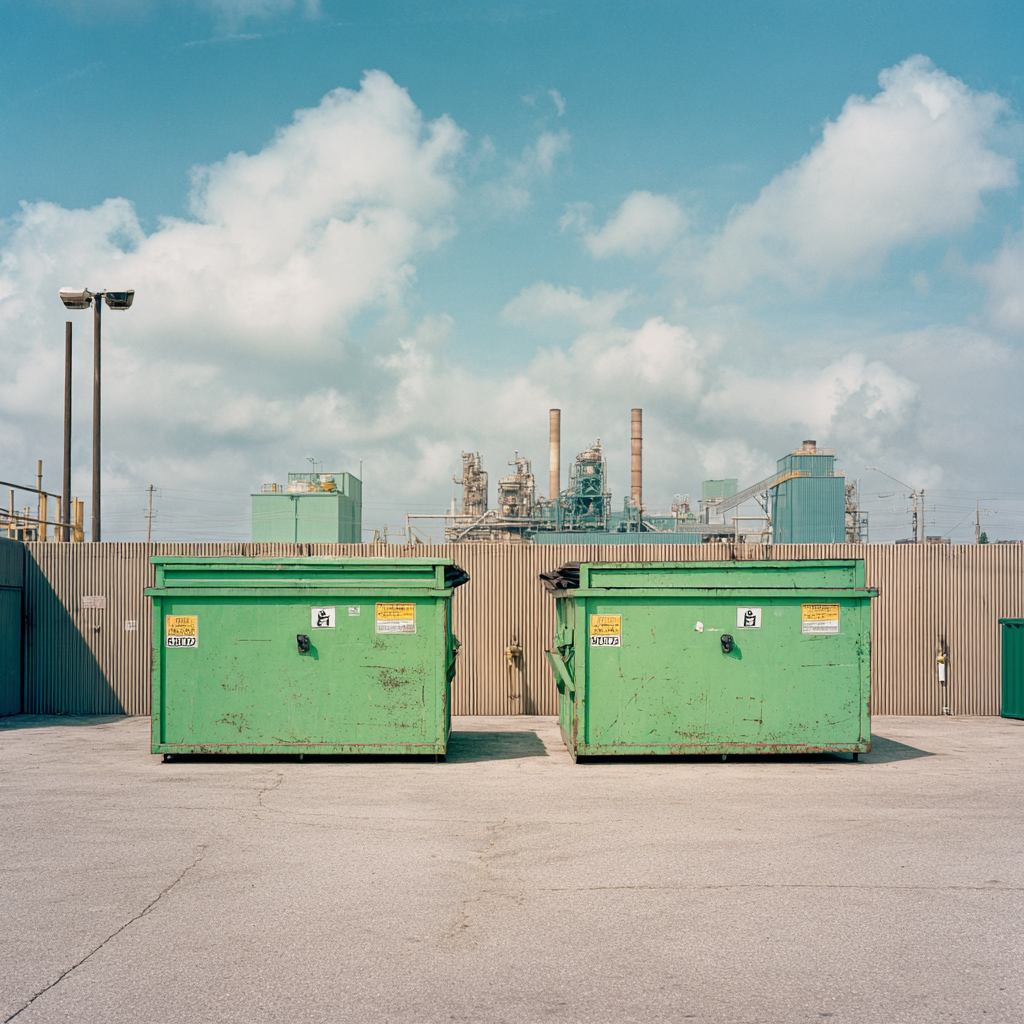
Dumpster Rental for Oil Refining and Petroleum Processing
Oil refining and petroleum processing facilities along the Baytown corridor continuously generate non-hazardous solid waste throughout production cycles, maintenance windows, and infrastructure upgrade projects. Insulation materials, equipment packaging, worn mechanical components, and general facility debris accumulate steadily in high-output refining environments and require container solutions that keep pace with operational output rather than a fixed rental period.
“Refinery waste removal works best when container logistics are treated as an operational function rather than a project-by-project arrangement,” says the Prime Dumpster Pro. “Facilities that establish rotation schedules tied to their production and maintenance cycles spend less time managing waste removal and encounter fewer site disruptions than those that arrange rentals reactively.”
Site access at active refining facilities involves security protocols, vehicle clearance requirements, and operational constraints that shape every aspect of container delivery and pickup logistics. Delivery windows need to align with facility access procedures, and container placement must account for equipment clearance, pedestrian pathways, and proximity to active processing units. Working through those details during the booking process rather than on delivery day keeps container logistics from becoming a disruption to facility operations.
Dumpster Rental for Petrochemical and Chemical Manufacturing
Petrochemical and chemical manufacturing facilities in the Baytown area generate waste streams that vary significantly by production cycle, making flexible container scheduling more valuable than a fixed rental arrangement. Packaging materials, production scrap, damaged components, and facility maintenance debris all contribute to waste volumes that shift as production levels change across different operational periods.
Non-hazardous solid waste from chemical manufacturing operations fits within standard roll-off containers, but the separation of those waste streams from hazardous materials is a critical step that needs to be established before the first load goes in. Common non-hazardous waste categories from chemical manufacturing that drive container selection include:
- Packaging materials, including drums, intermediate bulk containers, and cardboard from inbound raw material shipments
- Production scrap and off-spec materials that meet non-hazardous classification under applicable regulations
- Facility maintenance debris including insulation, piping, gaskets, and worn mechanical components from scheduled maintenance activity
Larger chemical manufacturing operations running continuous production benefit most from 30 and 40-yard containers on coordinated rotation schedules that align swap frequency with actual output rather than a standard number of rental days. Facilities with variable production volumes benefit from flexible scheduling arrangements that can be adjusted as output levels shift across different production runs.
Dumpster Rental for Pipeline and Energy Infrastructure Projects
Pipeline installation, maintenance, and energy infrastructure projects along the Houston Ship Channel corridor generate construction debris across extended linear project footprints that differ significantly from standard job site waste removal. Pipe sections, insulation, protective coatings, excavated material, and general construction debris accumulate at multiple points along the project corridor simultaneously, requiring container placement at several locations rather than a single centralized unit.
Dense materials like pipe segments, fittings, and concrete from excavation and infrastructure work require dedicated 10-yard containers to stay within weight limits regardless of how much lighter debris the project generates alongside them. Mixing heavy pipe and concrete debris with lighter construction waste in larger containers pushes weight allowances before the volume justifies the container size, resulting in overage fees that a properly planned separation approach would have prevented.
Pipeline and infrastructure projects operating near active industrial facilities face site access and safety constraints that affect delivery and pickup logistics in ways that standard construction rentals don’t typically encounter. Coordinating container placement and swap scheduling around active pipeline corridors, facility boundaries, and right-of-way restrictions requires advance planning that starts during the project design phase rather than the week before the first container is needed.
Dumpster Rental for Industrial Turnaround and Planned Maintenance
Industrial turnaround events represent some of the most demanding dumpster rental scenarios in the Baytown market. Planned plant shutdowns concentrate months of deferred maintenance, equipment replacement, and infrastructure upgrades into compressed windows that generate high debris volumes across multiple contractor zones simultaneously. Waste removal logistics for a major turnaround need to be established during the planning phase rather than arranged as the event approaches.
Multi-contractor turnaround projects require container placement strategies that account for each contractor’s work zone, debris type, and output volume separately. A single centralized container arrangement rarely works for large turnarounds where different crews are generating different waste streams across a large facility footprint. Pre-planned rotation schedules that assign specific containers to specific zones and coordinate swap timing around each contractor’s phase schedule keep waste moving off the site without creating bottlenecks that slow the turnaround timeline.
Turnaround waste streams include insulation, refractory materials, worn equipment components, scaffolding materials, and general construction debris that accumulate at rates determined by how many crews are working simultaneously rather than a steady production output. Container capacity planning for a major turnaround should be based on peak simultaneous output across all active contractor zones rather than average daily volume, since the compressed timeline means peak and average output are often much closer together than on a standard construction project.
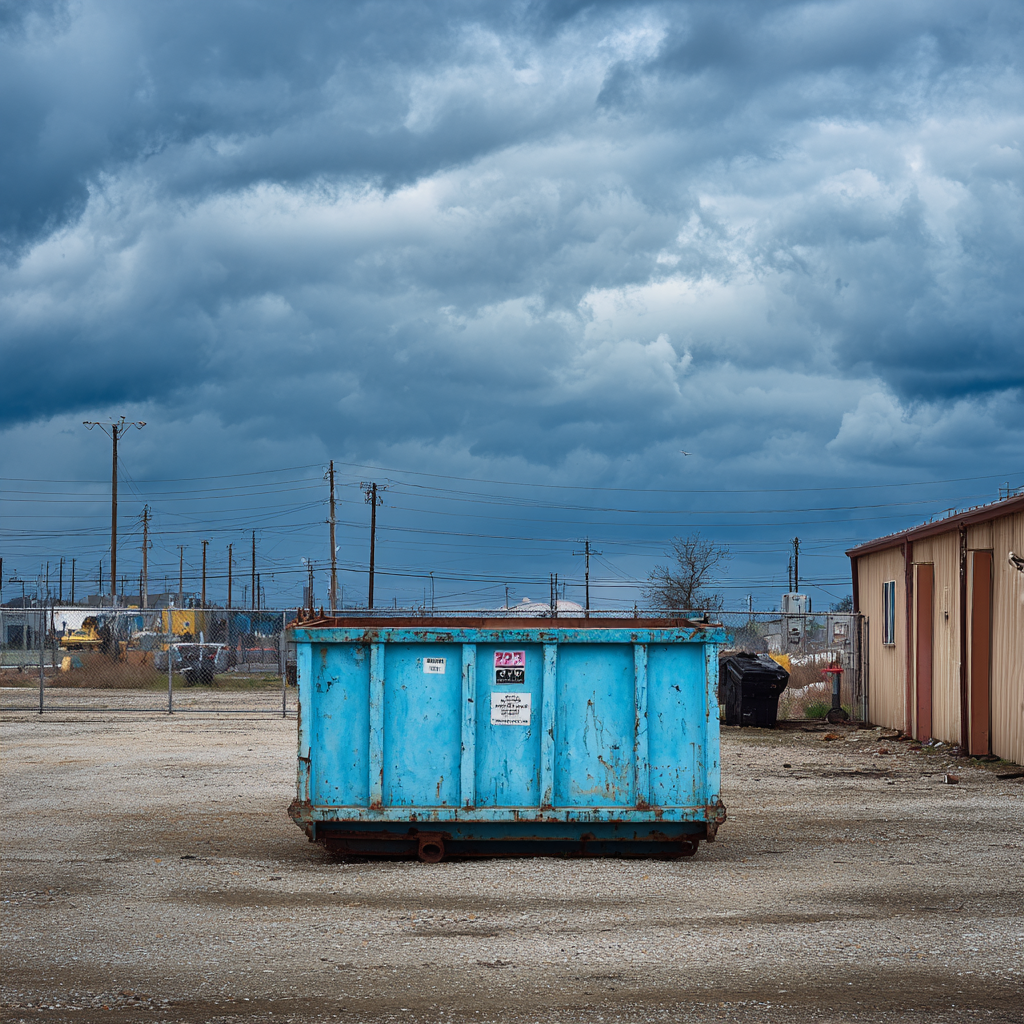
Placement and Compliance for Baytown Industrial Sites
Container placement on active industrial sites in Baytown requires coordination that goes well beyond a standard delivery arrangement.
- Facilities with gated access, security checkpoints, or badging requirements should provide delivery vehicle clearance details and approved access routes during the booking process to prevent delays on delivery day.
- Container placement near active processing units, pipeline corridors, or chemical storage areas must account for equipment clearance distances, emergency vehicle access routes, and any site-specific safety protocols that govern where external vehicles can operate.
- Facilities subject to environmental compliance requirements under state or federal regulations should confirm that container placement, waste categories, and disposal methods align with applicable permit conditions before the first load is placed.
- Multi-contractor turnaround and maintenance projects require separate container placement plans for each contractor zone to prevent waste stream cross-contamination and ensure each crew’s debris is managed within the appropriate disposal classification.
- Facilities with restricted delivery windows due to shift schedules, production cycles, or operational constraints should communicate those requirements during the booking process so container logistics can be coordinated around the facility’s operational calendar rather than standard delivery scheduling.
Addressing these details during the planning phase keeps container placement from becoming a disruption to facility operations, compliance requirements, or project timelines.
Dumpster Rental in Baytown, TX, for Industrial and Petrochemical Operations of Every Scale
Dumpster rental in Baytown, TX, for industrial and petrochemical operations requires container solutions matched to the complexity and pace of the work rather than standard residential or commercial rental arrangements.
Prime Dumpster coordinates container rentals for industrial facilities and project sites throughout the Baytown corridor and provides complete, upfront quotes so facility managers and maintenance coordinators know exactly what they’re paying before anything is scheduled. Contact our team to discuss your facility’s specific requirements and get a waste removal plan built around your operational schedule.

FAQ: Dumpster Rental for Baytown Petrochemical and Industrial Operations
Facility managers and plant operators in Baytown often have questions about how industrial dumpster rental works before establishing a container arrangement. Here are answers from the Prime Dumpster Pros on the topics that come up most often.
What container size works best for petrochemical and refining facilities?
“Most petrochemical and refining operations generate enough consistent non-hazardous solid waste to justify 30 or 40-yard containers on a rotation schedule rather than one-time rentals. The specific dumpster size you rent depends on output volume, facility footprint, and how many waste streams need to be managed simultaneously. Facilities generating dense scrap or heavy maintenance debris alongside lighter general waste often run dedicated 10-yard containers for the heavy material in addition to larger units for everything else.”
How does ongoing dumpster service work for high-output industrial operations?
“For facilities producing waste continuously, we coordinate scheduled container swaps rather than standard rental periods. That means delivery, pickup, and rotation happen on a timeline tied to the facility’s operational cycle rather than a fixed number of days. The goal is keeping waste removal running as a background operational function that doesn’t require active management from the facility team between scheduled swaps.”
What materials restrictions apply to industrial dumpster rentals in Baytown?
“Standard roll-off containers handle non-hazardous solid waste, which covers most industrial scrap, packaging debris, insulation, and general facility maintenance waste. Hazardous materials, regulated chemicals, contaminated materials, and liquids require separate handling through licensed disposal channels and cannot go into a standard container under any circumstances. Identifying and separating those categories before the container arrives is the most important compliance step for any industrial facility establishing a new container arrangement.”
How do turnaround and planned maintenance projects affect container scheduling?
“Turnaround events require a fundamentally different approach to container scheduling than ongoing facility waste removal. The compressed timeline, high simultaneous debris volume, and multi-contractor coordination involved in a major plant shutdown mean container logistics need to be planned as part of the overall turnaround schedule rather than arranged in the weeks leading up to the event.”
If you are looking for Local Dumpster Rental for El Mirage AZ, Click Here
Recent Posts


Follow Us
Have any questions?
+1 844 853 3867
Give us a call today so we can help you find the right waste & sanitation solution for
your project!
Contact Us