
Mon - Sat 7:00 am to 7:00 pm
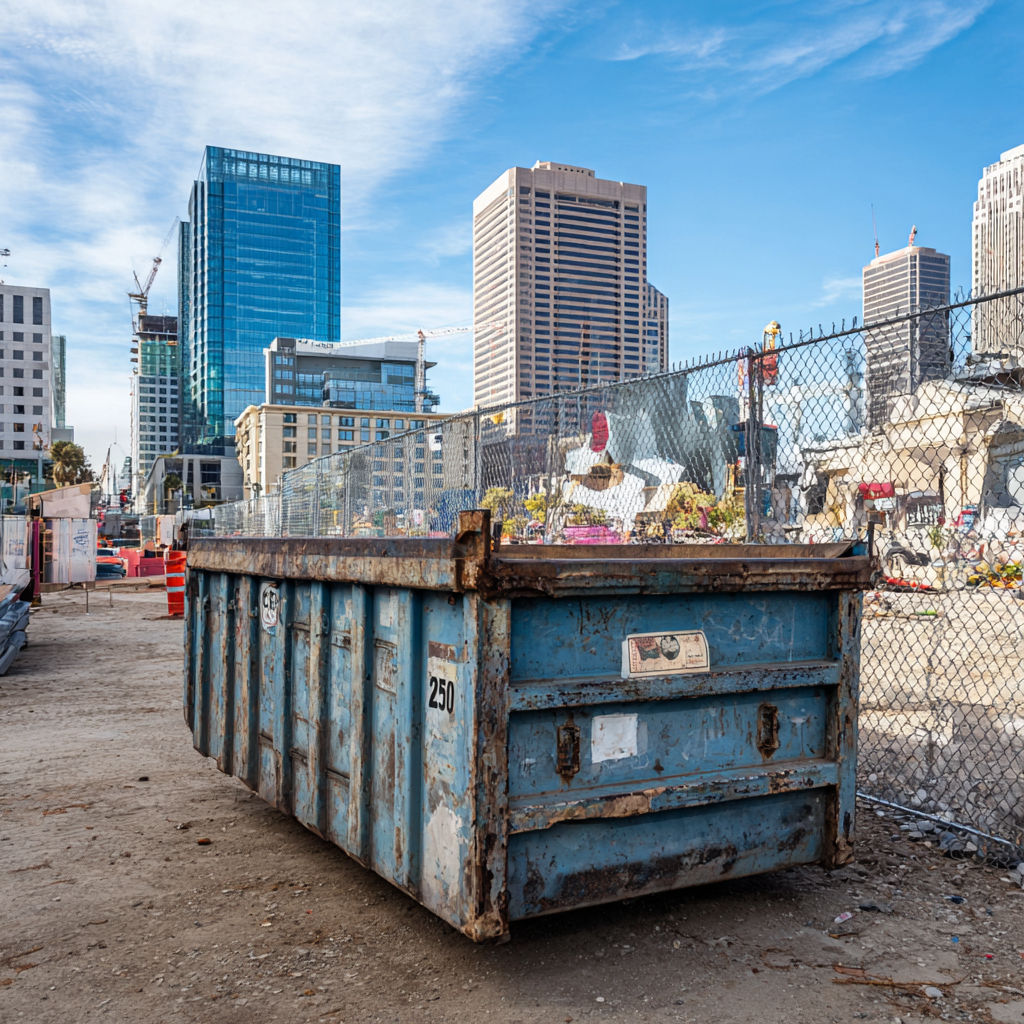
Guide to Dumpster Rental Prices in Los Angeles, California
As a construction professional in Los Angeles, you need clear pricing information so you can manage your waste removal budget effectively. Dumpster rental prices in Los Angeles vary by container size, project location, and debris type across the sprawling metro area from Downtown to the San Fernando Valley.
Prime Dumpster provides transparent cost breakdowns for contractors managing projects throughout LA County. Understanding what drives your final bill—from base rates and weight limits to delivery distance and permit fees—helps you control expenses and avoid budget surprises. Our guide covers detailed pricing for 10-yard through 40-yard containers, standard rental terms, overage fee structures, permit requirements for street placement, and strategies for matching container sizes to specific project types across LA’s diverse neighborhoods.
Fast Facts: LA Dumpster Rental Pricing Overview
Dumpster rental costs in Los Angeles vary based on a few factors. The table below shows standard pricing, weight allowances, typical uses, and capacity for all five common dumpster sizes available to rent throughout LA County.
| Container Size | Price Range | Weight Limit | Best For This Type of Work | Holds Roughly Equivalent To |
| 10-Yard Dumpster | $399 – $499 | 2 Tons | Small bathroom or kitchen updates | 3-4 pickup truck loads |
| 15-Yard Dumpster | $449 – $569 | 3 Tons | Full flooring removal or garage cleanout | A single-family home’s worth of demo |
| 20-Yard Dumpster | $499 – $649 | 4 Tons | Larger home remodels or roof replacement | Substantial, but manageable, debris piles |
| 30-Yard Dumpster | $599 – $799 | 5 Tons | Whole-home renovations or commercial tenant improvements | Major demolition from interior gut jobs |
| 40-Yard Dumpster | $699 – $899 | 6 Tons | Large-scale commercial construction or major demolition | Massive daily waste from a big site |
Standard rental periods are five days, with flexible scheduling that allows rescheduling with one day’s notice. Weight overage fees apply if your debris exceeds the included tonnage limit, and reputable companies explain these potential charges upfront before adding any extra fees to your final bill.

Cost Factors Impacting Dumpster Rentals
Let’s unpack the specific items that can add to your total expense when renting a dumpster in Los Angeles, California.
Your final bill hinges on more than just the base rate.
| Factor | Potential Impact | Pro Tip for Savings |
| Weight Overage | Per-ton fees for heavy debris like concrete | Separate lightweight drywall from heavy tile |
| Extended Duration | Daily charges after the standard rental period | Plan for a realistic timeline upfront |
| Delivery Distance | Higher fees for long hauls across the metro area | Choose a provider with local yards |
| Special Materials | Extra disposal fees for hazardous items | Identify prohibited waste before loading |
Weight Overage Charges and Disposal Fees
Heavy construction debris quickly adds up.
Concrete, brick, and roofing materials can push you past the weight limit. This triggers per-ton fees.
Lightweight stuff like drywall is less of a concern. Always estimate your debris weight accurately.
Some materials require special handling. Things like tires or chemicals incur extra disposal fees.
Dumpster Rental Costs Los Angeles: A Comprehensive Overview
The market for debris containers here is shaped by geography, construction cycles, and city regulations. From the coast to the San Gabriel Valley, project types vary wildly.
| Local Factor | Impact on Service | Example Area |
| Geography & Sprawl | Affects delivery distance and fuel fees | San Fernando Valley to Long Beach |
| Construction Activity | Drives demand and rental availability | Hollywood & Downtown LA |
| Traffic & Street Access | Influences scheduling and potential fees | Silver Lake narrow streets |
| Sustainable Practice Requirements | Supports LEED goals via recycling programs | City-wide projects |
Modern providers support these needs with 24/7 online booking and instant quotes. Companies like WM serve areas from Pasadena to Santa Monica.
This convenience offers transparency and keeps tight construction schedules on track. You get flexible scheduling without the usual delays.
Regulatory Considerations and Local Permits in Los Angeles
One of the biggest surprises for out-of-town builders is the need for official permission to use public space.
If your bin needs to sit on a street or sidewalk, you must get a permit. The city requires this for safety and traffic flow.
Street Placement Permits and Local Regulations
You apply through the LA Department of Public Works. Plan for this to take several days.
Building that timeline into your schedule prevents nasty delays. The charges for this authorization vary.
They depend on your container size, how long it stays, and your specific neighborhood. Placing the unit on private property, like a driveway, usually avoids this whole process.
Skipping the permit has real consequences:
- You can face fines from the city.
- They can force you to remove the container immediately.
- Your project timeline gets wrecked.
Some areas, like historic districts, have extra rules. They might require special screening or approvals.
Good service companies know these local quirks. They often help manage the application to save you the headache.
Always plan your container’s location early, especially on tight urban sites.
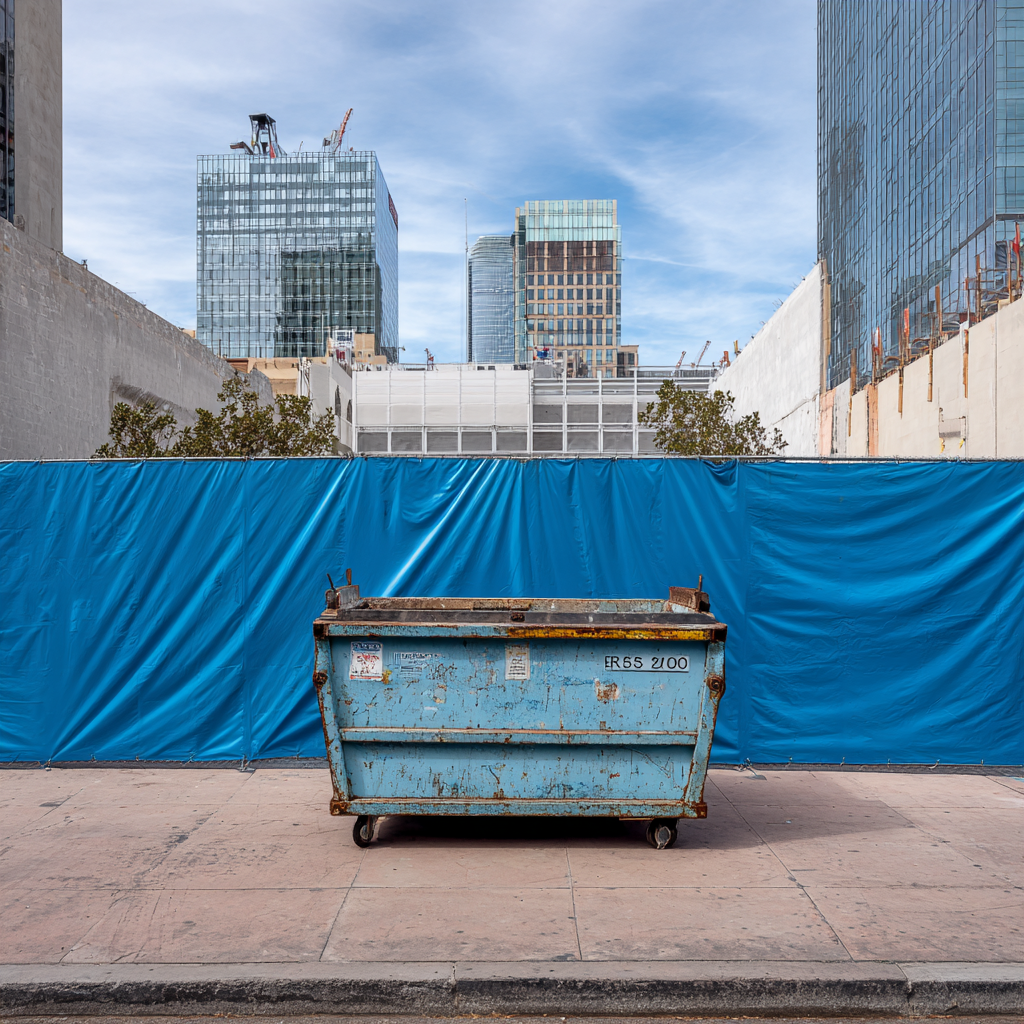
Tips for Construction Professionals and Contractors
Navigating construction cleanup requires a blend of foresight and practical know-how.
We have gathered expert advice to help you manage debris efficiently. These tips keep your site running smoothly and your budget on track.
Selecting the Right Dumpster Size for Your Project
Start by honestly assessing your project’s scope. Consider the volume and type of materials you will remove.
When in doubt between two sizes, choose the larger one. The modest price difference beats the hassle and cost of a second container later.
Use this guide to match common projects with the right dumpster size:
| Project Type | Recommended Size | Typical Debris |
| Single-room renovation | 10-15 yards | Drywall, fixtures, old cabinetry |
| Whole-home remodel | 20-30 yards | Framing lumber, flooring, roofing materials |
| Major demolition or new construction | 30-40 yards | Concrete, bricks, massive amounts of waste |
Effective Waste Management Strategies on Construction Sites
Separate materials like metals and clean wood for recycling. This supports LEED goals and can lower disposal fees.
Place your container where it is accessible but out of the way. Break down large items to maximize space.
Communicate clearly with your crew about prohibited items. This avoids extra charges and rejected loads.
Plan delivery for when demolition starts. Schedule pickup before the final cleanup phase.
Your Los Angeles Construction Waste Partner
Managing dumpster rental prices in Los Angeles effectively means selecting appropriate container sizes, planning for weight allowances, and budgeting for delivery distance across the metro area. Contractors who request detailed quotes upfront, separate recyclable materials to reduce disposal fees, and obtain necessary permits for street placement avoid costly surprises and project delays.
Site managers who choose providers with local yards throughout LA County, schedule deliveries to coincide with demolition phases, and communicate clearly about debris types maintain efficient operations and control costs. Contact us to discuss your Los Angeles construction requirements and secure roll-off containers that handle city regulations, support your timeline, and provide transparent pricing from initial quote through final pickup.
If you are looking for Guide to Dumpster Rental Costs in Helena, Montana, Click Here
Recent Posts


Follow Us
Have any questions?
+1 844 853 3867
Give us a call today so we can help you find the right waste & sanitation solution for
your project!
Contact Us