
Mon - Sat 7:00 am to 7:00 pm
Prime Dumpster Quick Guide: Dumpster Rental for Offshore Wind Industry Projects in Portsmouth, VA
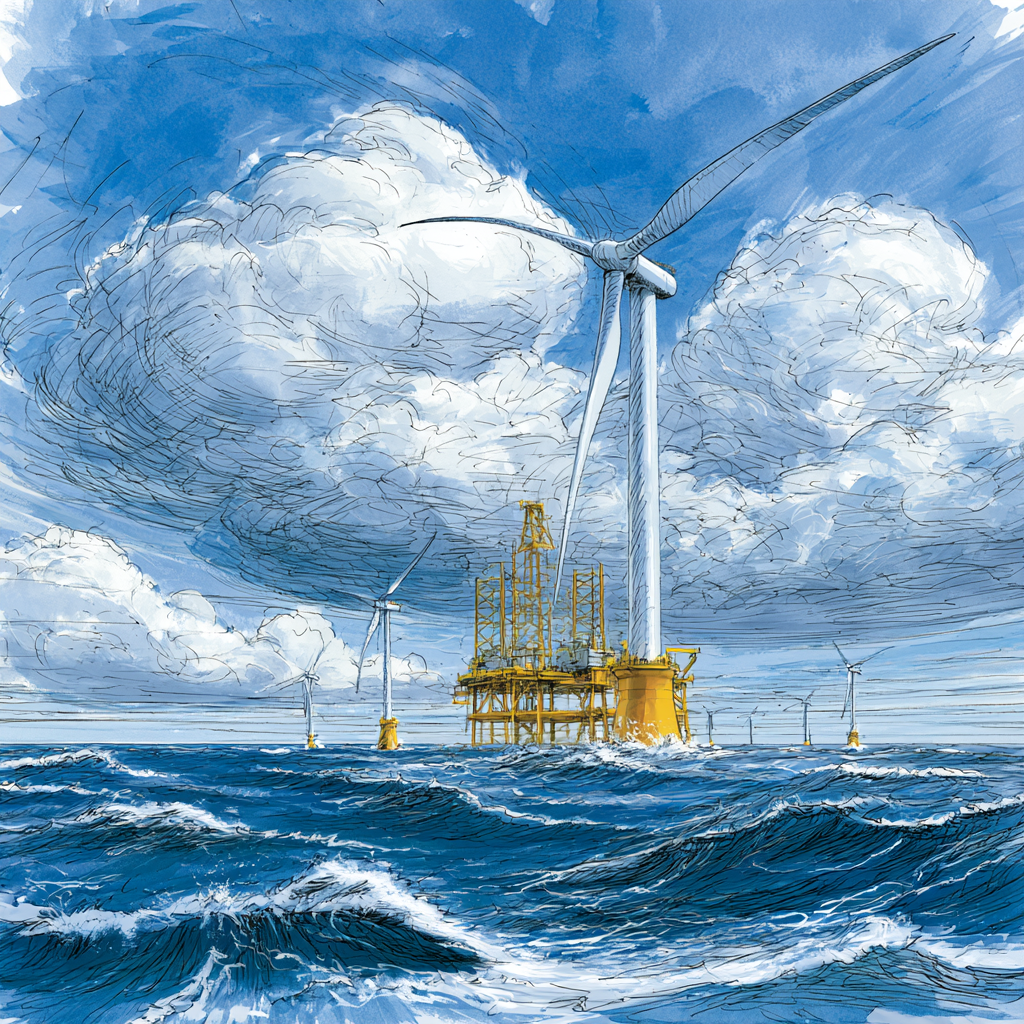
Portsmouth Marine Terminal has become the Mid-Atlantic’s leading hub for offshore wind energy, serving as the staging port for Dominion Energy’s Coastal Virginia Offshore Wind project, a 2.6-gigawatt development that ranks among the largest offshore wind installations in the United States. The $223 million redevelopment of the terminal’s 72 acres, completed to support this work, has brought a wave of construction, facility support, and contractor activity to Portsmouth that continues to grow as the offshore wind sector expands.
At Prime Dumpster, we have supported waste management needs across more than 43,000 projects in 30 industries, including port facility and industrial construction work. This quick guide covers what contractors and facility support teams need to know before renting a dumpster for offshore wind industry projects in Portsmouth, VA.
What Does the Expert Say?
“Offshore wind staging work is unlike almost anything else we support, because the scale of the components involved changes how a site handles waste from packaging alone,” says the Prime Dumpster Pro. “Turbine blades, towers, and monopile foundations arrive with substantial packaging and protective material that has to go somewhere, and planning for that volume before the container is delivered makes a real difference.”
What Drives Dumpster Rental Demand in Portsmouth’s Offshore Wind Sector
Portsmouth Marine Terminal handles wind turbine generator blades, towers, and nacelles, along with foundation elements including transition pieces and monopiles, all of which arrive with substantial packaging and protective crating. That packaging material, along with general facility construction debris tied to ongoing terminal upgrades, drives consistent dumpster rental demand across the site.
Contractor work supporting the terminal’s continued build-out, including wharf construction, laydown yard preparation, and support facility renovation, adds construction-grade debris on top of the packaging waste generated by component staging operations.
Choosing the Right Container for Offshore Wind Projects
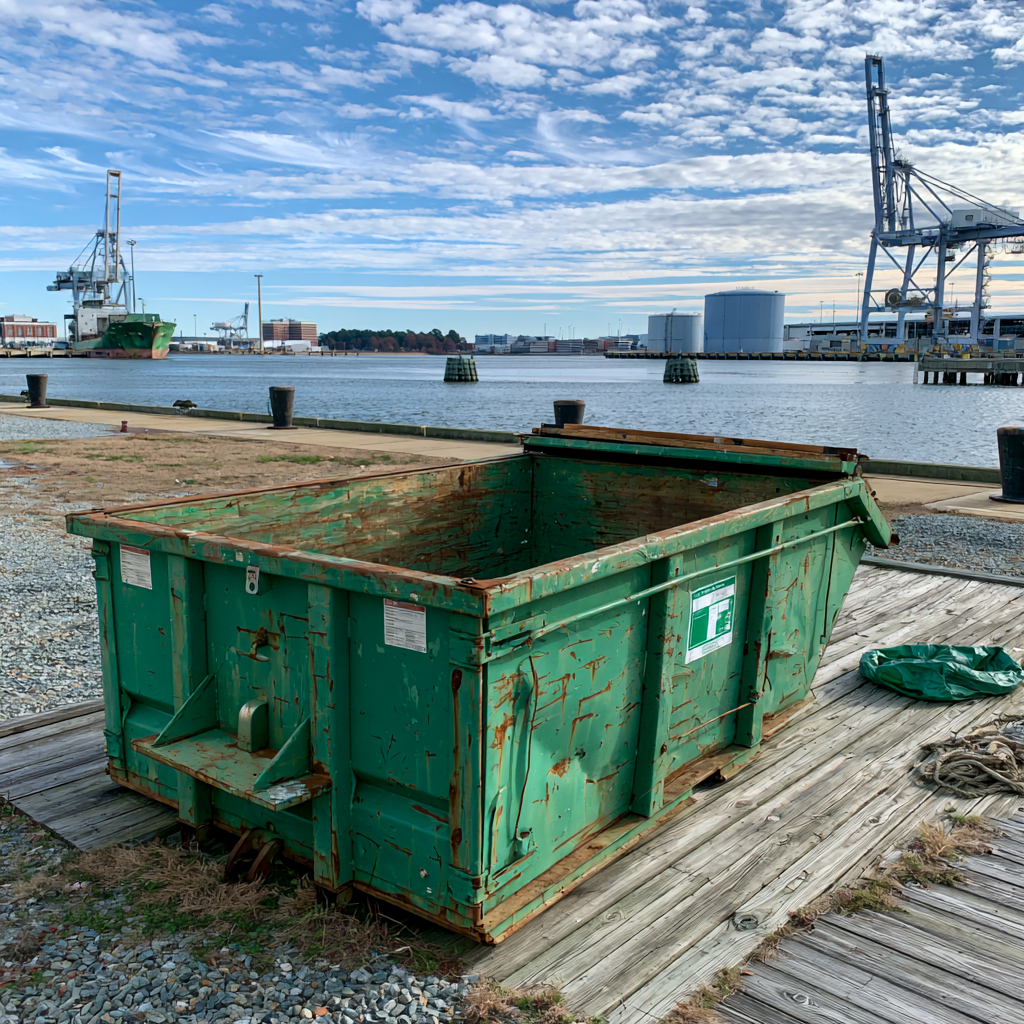
Here’s a look at common dumpster sizes typically available for rent in Portsmouth.
| Size | Approximate Dimensions | Common Offshore Wind Uses |
| 10-Yard Dumpster | 12′ × 8′ × 3.5′ | Concrete and masonry removal, targeted debris, small facility cleanouts |
| 15-Yard Dumpster | 16′ × 7.5′ × 4.5′ | Office and support building renovation, equipment packaging |
| 20-Yard Dumpster | 22′ × 7.5′ × 4.5′ | Mid-sized facility construction debris, laydown yard cleanup |
| 30-Yard Dumpster | 22′ × 8′ × 6′ | Component packaging and crating material, large facility upgrades |
| 40-Yard Dumpster | 22–24′ × 8′ × 8′ | Large-scale wharf and terminal construction, high-volume mixed debris |
Exact dimensions and availability vary based on provider, location, and project conditions. For custom solutions and an upfront quote, contact our Prime Dumpster Pros. A dedicated account manager will help you find the perfect solution.
Heavy Materials and Specialized Debris Considerations
Component packaging from turbine blades, towers, and foundation elements generates high-volume but relatively light debris that suits larger containers, while steel offcuts and metal hardware from foundation and wharf work require more careful handling due to their weight. Concrete and masonry generated during terminal construction and wharf upgrades can only go into a 10-yard dumpster due to transport weight limits.
Large-scale terminal construction projects generating substantial volumes of heavy material typically require multiple 10-yard containers staged and swapped in sequence, separate from the larger containers used for lighter packaging waste.
Scheduling Around Terminal and Marine Operations
Portsmouth Marine Terminal operates on a schedule tied to vessel arrivals, component offloading windows, and active marine operations that a standard commercial job site doesn’t have to work around. Coordinating delivery and pickup with the terminal’s operations team, and confirming any security access or credentialing requirements, prevents container placement from conflicting with active offloading or staging activity.
“Terminal work runs on vessel schedules more than a typical calendar, and container swap-outs need to fit into that rhythm rather than a standard weekly pickup,” says the Prime Dumpster Pro.
Placement and Permit Requirements
Placement within the terminal itself is typically coordinated directly with terminal operations and the Virginia Port Authority rather than through standard city permitting, given the facility’s security and access requirements. Surface load capacity should be confirmed before placing a loaded container, since some laydown areas have been specifically reinforced to handle heavy component staging while other zones may not support the same weight.
For contractor work located off-terminal but within Portsmouth city limits, containers placed on a public street or right-of-way require a permit through the City of Portsmouth’s permitting resources. Confirming which permitting authority applies, city or terminal operations, before scheduling delivery keeps the project moving without delays.
Learn local strategies in our Guide to Dumpster Rental in Portsmouth, VA Neighborhoods.
Offshore Wind Dumpster Rental Expertise
Dumpster rental for offshore wind industry projects in Portsmouth, VA requires a provider who understands the scale of component packaging waste, the logistics of an active marine terminal, and the coordination required around vessel and security schedules. Prime Dumpster brings that experience to every industrial and port-adjacent project, with a dedicated account manager who coordinates container sizing, delivery timing, and placement around your site’s operational needs.
Contact our team for dumpster rental support for offshore wind industry projects in Portsmouth, VA, including container sizing guidance, heavy material handling, and scheduling coordination for projects of any scale.
If you are looking for Local Guide to Dumpster Rental in Portsmouth, VA Neighborhoods, Click Here
Recent Posts


Follow Us
Have any questions?
+1 844 853 3867
Give us a call today so we can help you find the right waste & sanitation solution for
your project!
Contact Us