
Mon - Sat 7:00 am to 7:00 pm
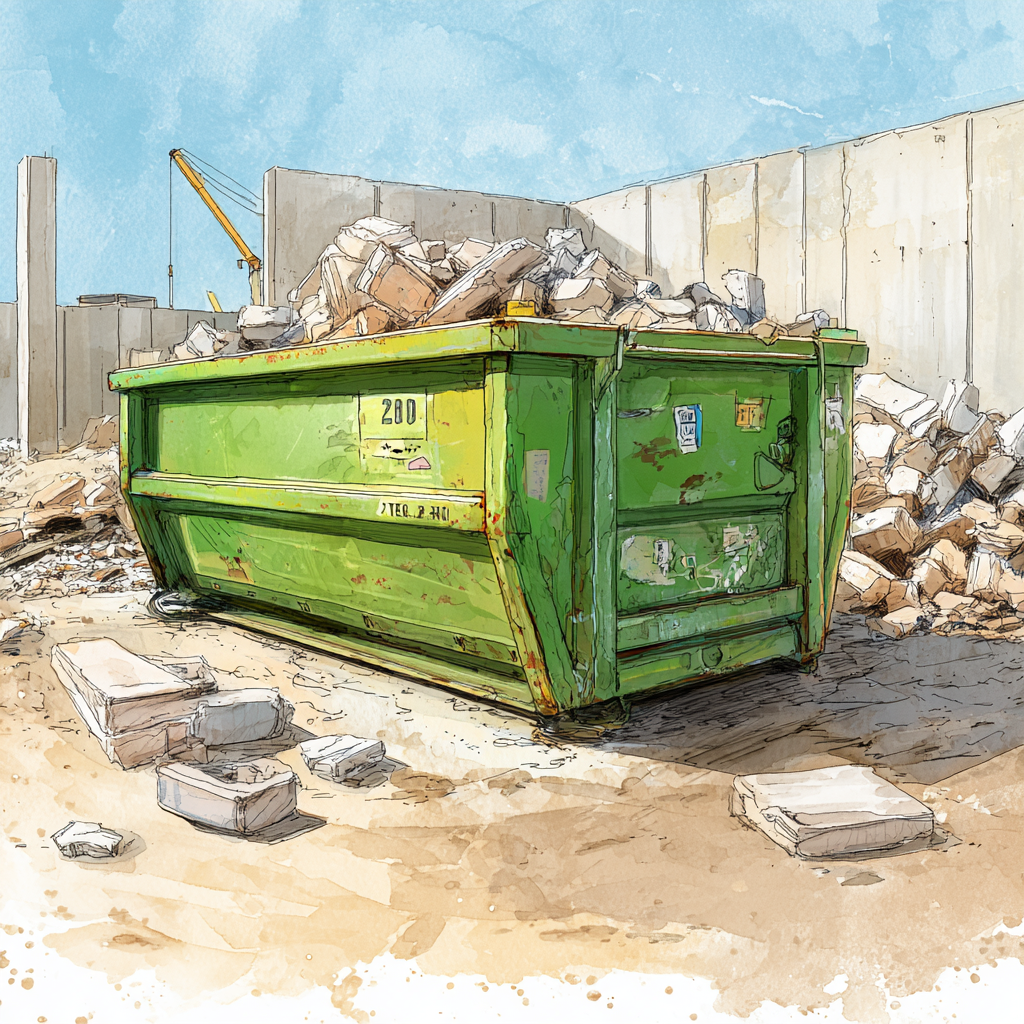
10 Tips for Dumpster Rental in Tuscaloosa, AL
Renting a roll-off dumpster in Tuscaloosa takes a little more planning than you might expect, but Prime Dumpster is here to help. We’ve asked our team for their 10 best tips for dumpster rental in Tuscaloosa, AL.
1. Book Your Container Before Your Project Starts
Renting a dumpster in Tuscaloosa, AL during peak construction and event seasons means competing for containers with a market that moves faster than most renters anticipate. Booking before your project start date rather than when work is already underway gives you better size options and more flexibility on delivery timing.
Spring and fall are the busiest periods for dumpster rental in the Tuscaloosa area. Construction projects, campus activity tied to the University of Alabama academic calendar, and community events all drive demand during those windows. Locking in your container early is one of the simplest ways to avoid the limited availability and tighter pricing that comes with last-minute arrangements.
2. Match Your Container Size to Your Debris Volume
Choosing the right container starts with understanding the types of dumpsters available to rent and how each size applies to your specific project scope. A container that’s too large means paying for capacity that never gets used, while one that’s too small creates the added cost and delay of arranging a second unit mid-project.
“Most renters in Tuscaloosa default to a larger size than they need because the volume of debris before a project starts is hard to visualize,” says the Prime Dumpster Pro. “Walking through the project scope with a provider before booking rather than guessing produces a more accurate size estimate and almost always results in a lower final cost.”
A 20-yard container handles most mid-size residential renovation and cleanout projects comfortably. Multi-room renovations, roofing tear-offs, and estate cleanouts that push past that range typically call for a 30-yard unit.
3. Know the Weight Limits Before You Load
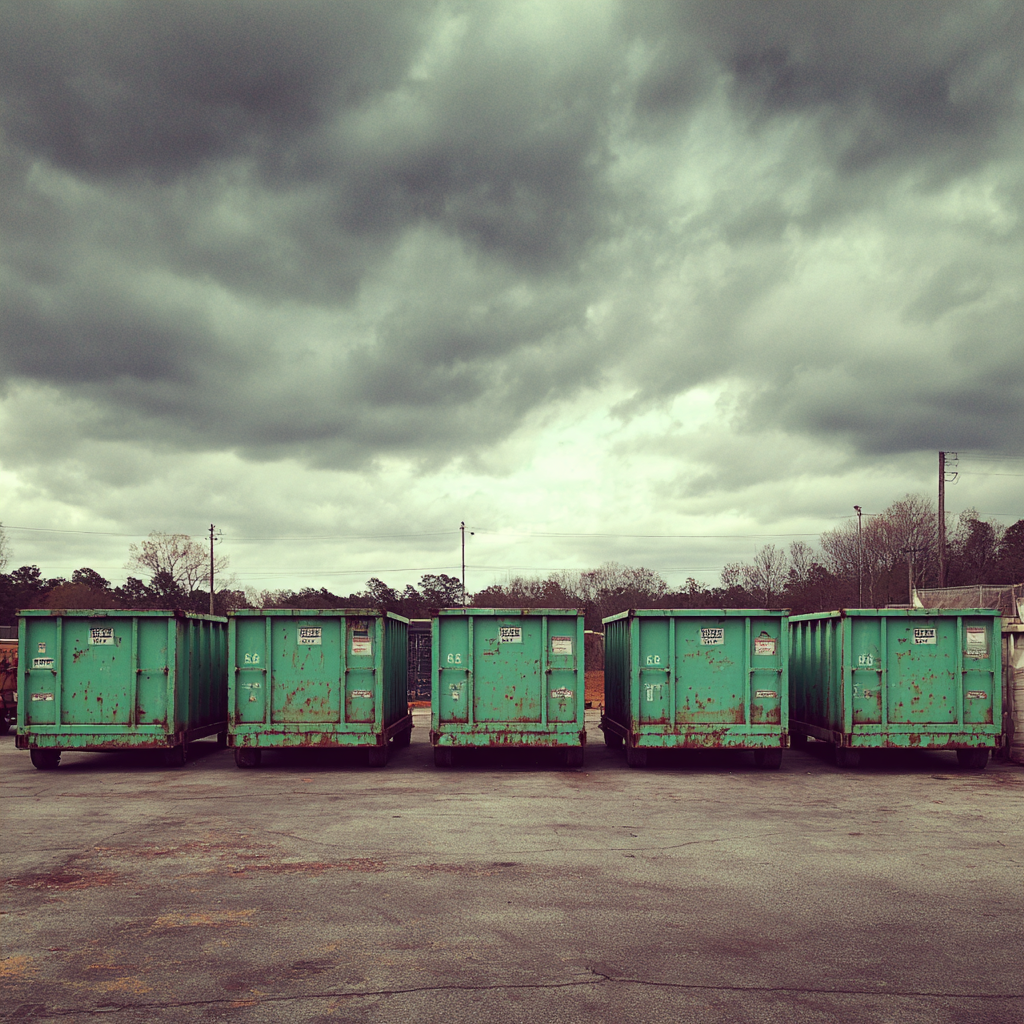
Every roll-off container comes with a weight allowance built into the base rental price. Exceeding that limit triggers overage fees that can add significantly to your final invoice, particularly on projects involving roofing materials, tile, or mixed construction debris that’s heavier than it appears.
Weight limits vary by container size and provider. Confirming your allowance before loading rather than after prevents the surprise charges that show up when a container comes in over the threshold at the disposal facility. Projects involving multiple debris types benefit from separating heavier materials into a dedicated container from the start.
4. Separate Heavy Materials From General Debris
Dense materials like concrete, brick, masonry, and asphalt require a dedicated 10-yard container regardless of how much other waste your project generates. Mixing those materials with lighter debris in a larger container pushes weight limits before the box is anywhere near full, resulting in overage charges that offset any convenience from consolidating into a single unit.
“The weight limit on a roll-off container is set by the transport vehicle, not the size of the box,” says the Prime Dumpster Pro. “A 30-yard container loaded with concrete hits that ceiling with most of its volume still empty, which means you’re paying for a large container and still facing overage fees.”
Renovation projects in Tuscaloosa that involve hardscape removal, foundation work, or masonry demolition should account for separate container needs during the planning phase. Addressing that separation before delivery day keeps the project compliant and the costs predictable.
5. Understand What Can and Can’t Go in a Dumpster
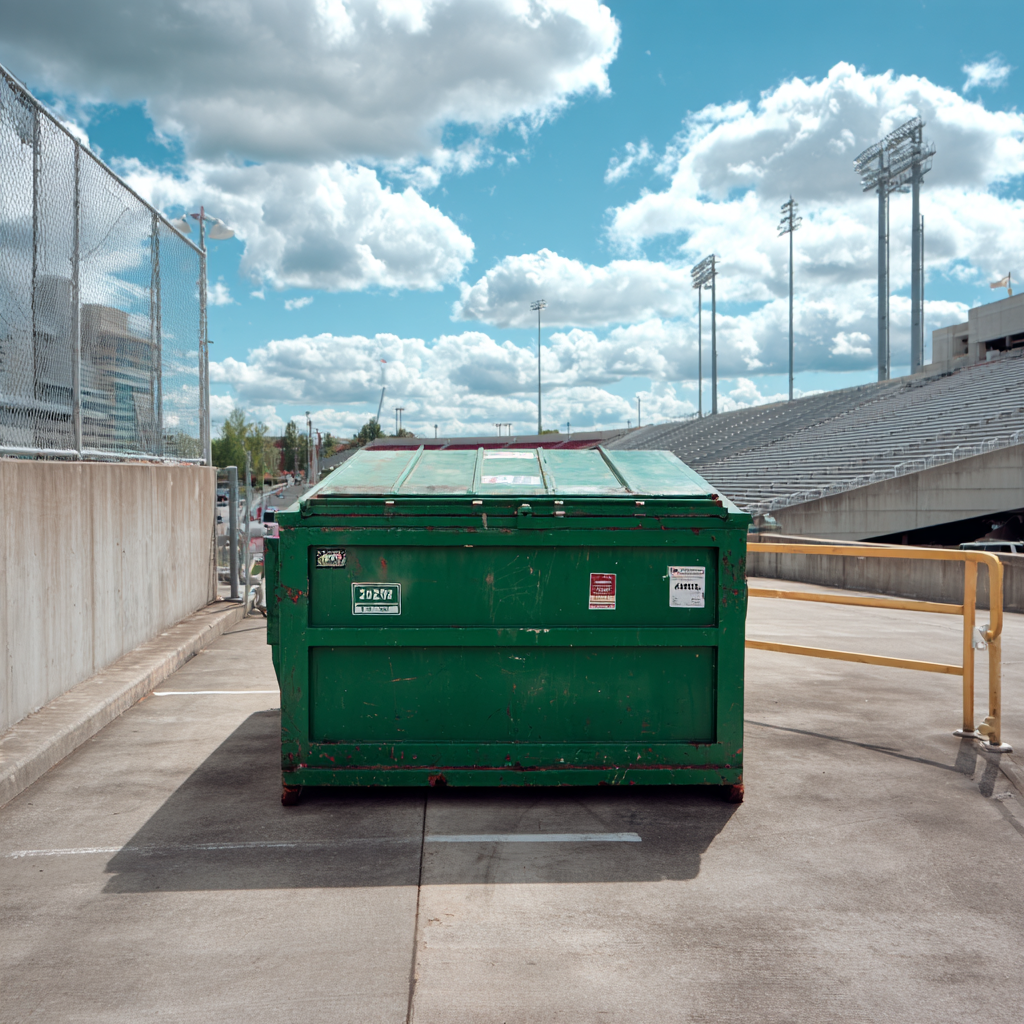
Standard roll-off containers accept a wide range of materials including construction debris, household junk, furniture, roofing materials, flooring, and yard waste. What can’t go in are hazardous materials, and knowing that distinction before you load prevents additional fees and compliance issues after pickup.
Common prohibited items include:
- Paint, solvents, and chemical containers
- Tires, batteries, and certain electronics
- Asbestos-containing materials and regulated construction debris
Confirming acceptable materials with your provider before the container arrives is always the right call for projects involving older properties or mixed debris streams. Tuscaloosa’s older residential neighborhoods and historic districts can produce renovation debris that includes materials requiring separate disposal.
6. Plan Your Placement Before Delivery Day
Container placement affects both the efficiency of your project and the safety of the surrounding area. A flat, stable surface with adequate clearance for the delivery vehicle is the baseline requirement for any placement on private property.
Street placement on a public right-of-way in Tuscaloosa requires a permit before the container can be delivered. The City of Tuscaloosa Dumpster Permit form is where renters will find the most current information on requirements for placing containers on streets, sidewalks, or alleys, with permits handled through the Department of Transportation. Confirming those requirements well before delivery day prevents delays that can push your project start back.
7. Protect Historic Properties During Dumpster Placement
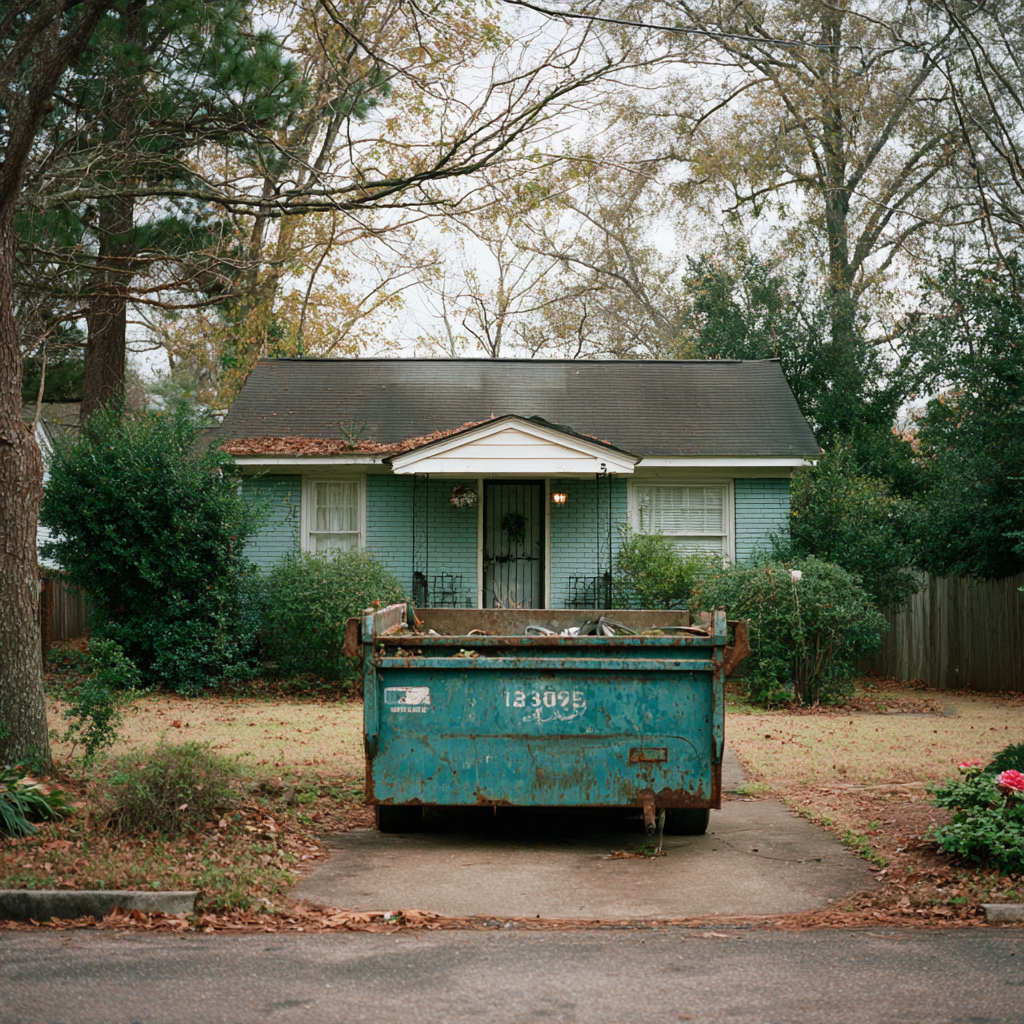
Tuscaloosa’s historic properties, including landmarks like the Battle-Friedman House and the Jemison-Van de Graaff Mansion, require extra care when positioning containers near or on the grounds. Driveways, walkways, and landscaping features on historic properties can sustain damage from the weight of a loaded container if placement isn’t planned carefully.
Placing plywood sheets or protective boards under the container before delivery distributes the weight more evenly and reduces the risk of surface damage to driveways and paved areas. Historic properties with brick or original paved surfaces require particularly careful placement planning given how difficult and costly that type of damage is to repair.
“We always recommend confirming placement logistics with the property owner or preservation authority before scheduling delivery on or near a historic property,” says the Prime Dumpster Pro. “The steps to protect those surfaces take very little time and prevent the kind of damage that’s both expensive and historically significant to repair.”
8. Schedule Waste Removal Early for Stadium and Sporting Events
Large sporting events at venues like Bryant-Denny Stadium generate substantial waste volumes over compressed timeframes that require advance container planning. Game days draw tens of thousands of attendees and produce food and beverage packaging, tailgate debris, and general waste at a pace that standard trash service alone can’t manage.
The events in Tuscaloosa calendar reflects just how active the city’s event schedule is throughout the year, with sporting events, festivals, and community gatherings creating consistent demand for container solutions across multiple venues. Booking containers well ahead of fixed event dates gives organizers the best combination of size availability and delivery flexibility.
Container placement at large outdoor venues requires coordination around pedestrian access points, vendor areas, and vehicle routes that differ significantly from a standard job site arrangement. Planning that logistics detail alongside other event preparations rather than after keeps waste removal from becoming a problem once the event is already underway.
9. Time Your Rental Period to Your Project Timeline
Most standard dumpster rentals include five to seven days in the base price, and extensions add daily fees that accumulate faster than most renters expect. Scheduling delivery close to when loading actually begins rather than days ahead of the project start keeps the rental period aligned with the work.
Projects with uncertain timelines benefit from building a buffer into the rental period upfront rather than relying on extensions. Extension fees arranged after the fact almost always cost more per day than additional days included at the time of booking. Confirming the extension rate before you book gives you a clear picture of what extra time will cost if the project runs longer than planned.

10. Ask for a Complete Quote Before You Commit
A quote that accounts for container size, weight allowance, rental period, and all applicable fees gives you an accurate picture of total cost before the container arrives. Partial quotes that leave out weight thresholds, fuel surcharges, or environmental fees can result in a final invoice that looks very different from the number you agreed to.
At Prime Dumpster, we always provide complete, all-in quotes before anything is scheduled. You’ll know exactly what you’re paying from the start. Our expert team will listen to your project details and develop a container solution tailored to your specific scope and budget. Contact us to get started.
If you are looking for Best Dumpster Rental in Hollywood, Florida: A Guide for Tourism, Hospitality, and Industrial Operations, Click Here
Recent Posts


Follow Us
Have any questions?
+1 844 853 3867
Give us a call today so we can help you find the right waste & sanitation solution for
your project!
Contact Us