
Mon - Sat 7:00 am to 7:00 pm

Essential Tips for Porta Potty Ventilation
Proper porta potty ventilation is the difference between a fresh, usable facility and one nobody wants to walk into. Whether you’re managing a construction site or planning an outdoor event, Prime Dumpster knows that good airflow keeps porta potty odor control simple and consistent throughout the rental period.
This guide covers how portable toilet ventilation works, what causes it to fail, and the placement and maintenance habits that keep units fresh.
Fast Facts: Porta Potty Ventilation
We asked our Prime Dumpster Pros to help answer the most common ventilation questions we hear from clients.
How does a porta potty stay ventilated?
“Every unit has a porta potty vent pipe running from the holding tank to the roofline,” says the Prime Dumpster Pro. “Warm air and gases rise and exit through that pipe, pulling fresh air in behind them.”
Does weather affect porta potty ventilation?
“Heat speeds up odor buildup, and still air makes it worse. Wind actually helps by pulling more air through the vent pipe, as long as the unit isn’t blocked from airflow.”
Can you add a fan to a porta potty?
“Yes. Battery-powered or solar fans are common upgrades for high-traffic events or hot climates, and they work alongside the existing vent pipe rather than replacing it.”
How often should vent pipes be checked?
“Weekly checks catch most problems. Debris, insect nests, and dust are the usual culprits behind a blocked vent.”

How Does Porta Potty Ventilation Work?
Every standard portable toilet includes a vent pipe that runs from the sealed holding tank up through the roof of the unit. This pipe acts as the unit’s exhaust system, allowing gases from the tank to escape upward instead of building up inside.
As warm air rises through the pipe, it draws cooler air in to replace it, creating natural airflow even without any mechanical assistance. This process also helps control humidity inside the unit, which reduces the moisture that bacteria need to multiply.
Portable toilet ventilation depends on this pipe staying clear. A blocked vent traps gases inside the holding tank, which is the most common reason a unit starts to smell despite regular servicing.
Natural vs. Mechanical Ventilation
Most units rely entirely on natural airflow through the vent pipe, but some rental options add mechanical ventilation for extra performance in demanding conditions.
| Ventilation Type | Advantages | Disadvantages |
| Natural | No power required, lower cost | Less effective in still air |
| Mechanical | Stronger airflow, better odor control | Requires power, higher cost |
Natural ventilation works well for most standard rentals. Mechanical options, like battery-powered fans, are worth considering for high-traffic events, extended construction projects, or locations with little natural wind.
Natural ventilation relies on the vent pipe alone, while mechanical ventilation adds fans for stronger airflow in demanding conditions.
What Causes Poor Ventilation and Odor Buildup
A handful of common issues account for most ventilation problems in portable restrooms.
- A blocked vent pipe, often from debris, insects, or dust buildup
- Infrequent servicing, which lets waste and bacteria accumulate faster than airflow can manage
- Direct sun exposure, which raises interior temperature and accelerates odor
- Users leaving the seat up, which disrupts the airflow pattern the vent pipe is designed to create
Addressing these causes directly, rather than relying on deodorizers alone, is the most effective way to manage porta potty odor control over the life of a rental. For a deeper look at odor prevention beyond ventilation, see our guide on how to keep a porta potty from smelling.
Tips for Maintaining Proper Ventilation
A few consistent habits keep airflow working the way it’s designed to.
- Inspect and clear vent pipes weekly to prevent blockages from debris or pests
- Encourage users to close the seat after each use to preserve proper airflow
- Stick to a regular cleaning and servicing schedule based on actual usage
- Check for structural damage, like cracked vent openings or damaged roofing, during routine inspections
- Use clear signage to remind users of proper etiquette, which reduces vandalism and misuse that can interfere with ventilation
“Most ventilation complaints come down to one of these five things,” says the Prime Dumpster Pro. “Fix the habit or the blockage, and the smell usually goes with it.”
Strategic Placement for Better Airflow
Where a unit sits has almost as much impact on ventilation as the vent pipe itself. Placing units in shaded areas keeps interior temperatures lower, which slows the bacterial growth responsible for most odors.
Wind direction also matters. Positioning units so prevailing wind moves across rather than directly into the vent opening helps pull air through more effectively. Keeping units away from generators, food service areas, and other heat sources further reduces the temperature swings that make ventilation work harder.
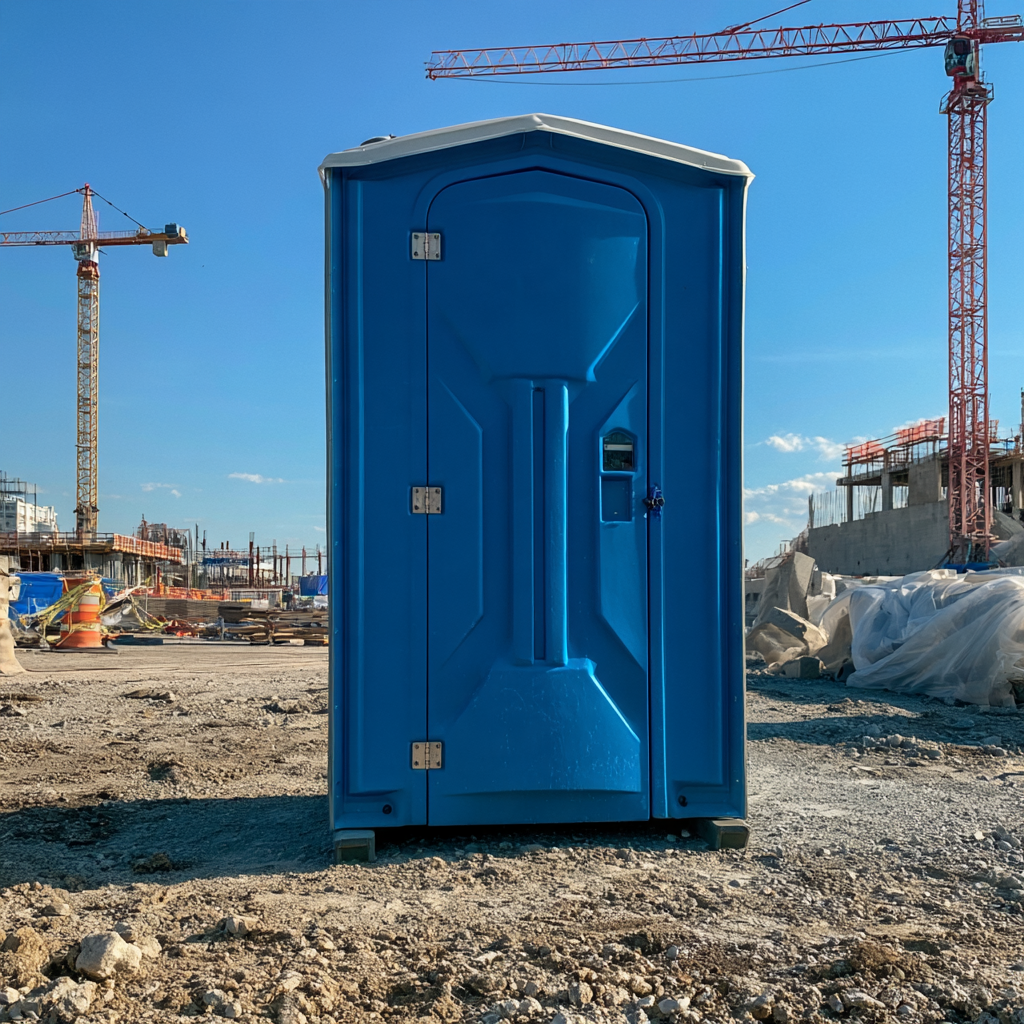
On construction sites without a sanitary sewer connection, OSHA’s sanitation standard requires that portable toilets be maintained in a sanitary condition, which depends directly on the unit staying properly ventilated and serviced.
Ventilation Tips by Porta Potty Type
Different porta potty rental options have slightly different ventilation and odor control needs. Here’s a quick rundown by unit type.
| Porta Potty Type | Quick Tip for Keeping It Smelling Clean |
| Standard Unit | Keep the seat closed between uses and stick to a weekly servicing schedule |
| Deluxe with Sink | Rinse the sink basin regularly so standing water doesn’t add extra odor alongside the vent pipe |
| Deluxe Flushing | Check the flush mechanism during inspections, since a sluggish flush can let waste sit longer than normal |
| ADA/Handicap Accessible | The larger interior needs the vent pipe clear more than most, so prioritize it during weekly checks |
| Solar Unit | Wipe down the solar panel monthly so the fan keeps running at full strength |
Troubleshooting Common Ventilation Problems
When a unit starts to smell despite regular servicing, a few quick checks usually identify the cause.
- Check the vent pipe first for blockages from debris, dust, or insect nests
- Inspect for cracks or damage around the vent opening that could be letting gases escape into the unit instead of out through the pipe
- Confirm the unit hasn’t been moved into direct sun or a low-airflow location since its last placement check
- If odor persists after these checks, more frequent servicing or a stronger deodorizing chemical may be needed
Don’t ignore persistent bad smells, as they can indicate damage within the unit.
Bringing It All Together
Proper porta potty ventilation comes down to a working vent pipe, smart placement, and consistent maintenance. When those three things are in place, portable toilet ventilation does most of the work on its own, with far less reliance on deodorizers or emergency fixes.
At Prime Dumpster, we help construction crews and event planners choose the right unit and maintenance plan for their site. Contact our team to find the right porta potty setup for your next project or event.
If you are looking for Emptying Porta Potties: A Comprehensive Guide, Click Here
Recent Posts


Follow Us
Have any questions?
+1 844 853 3867
Give us a call today so we can help you find the right waste & sanitation solution for
your project!
Contact Us