
Mon - Sat 7:00 am to 7:00 pm

Fall Home Maintenance Checklist: Projects to Tackle Before Winter
Fall gives homeowners a narrow, predictable window to get ahead of winter. The projects that get skipped in October tend to show up as emergencies in January, and emergency repairs cost far more than the maintenance they replace. Prime Dumpster works with homeowners across the country on fall home improvement projects that generate debris, from garage cleanouts to full interior renovations before the cold arrives.
A complete fall home maintenance checklist covers five core areas: exterior inspection, heating system service, yard and landscaping cleanup, weatherization and insulation, and home improvement or decluttering projects. Working through each one before the first hard freeze gives your home the best chance at a problem-free winter.
Fast Facts: Fall Home Maintenance Checklist
“Fall home maintenance is about protecting what you’ve already invested in your home before winter forces your hand,” says the Prime Dumpster Pro. “Gutters, furnaces, and weatherization aren’t the most exciting projects, but skipping any one of them usually costs far more in emergency repairs than the maintenance itself.”
- Fall home maintenance includes gutter cleaning, roof inspection, HVAC servicing, yard cleanup, weatherization, and interior improvement projects completed before the first freeze to prevent cold-weather damage.
- The best time to start a fall home maintenance checklist is September through early November, before freezing temperatures arrive and make exterior and systems work harder to complete.
- Gutters and roofing are the highest-priority fall maintenance tasks because clogged gutters cause ice dams, water infiltration, and structural damage that compounds through winter.
- Fall home improvement projects, including cleanouts, estate cleanouts, flooring replacement, and interior renovations generate significant debris, often enough to require a roll-off dumpster rental.
- A 10-yard or 15-yard dumpster handles most fall maintenance debris, while whole-home cleanouts and renovation projects typically call for a 20-yard container.
Renting a dumpster for fall home projects is simple with Prime Dumpster. A dedicated account manager will help you choose the right container size, confirm your delivery window, and walk you through any local placement requirements before the dumpster arrives.
Our Prime Dumpster Rental Resource Hub contains a mountain of helpful information on booking, sizing, saving, and everything else related to rolloff rentals.
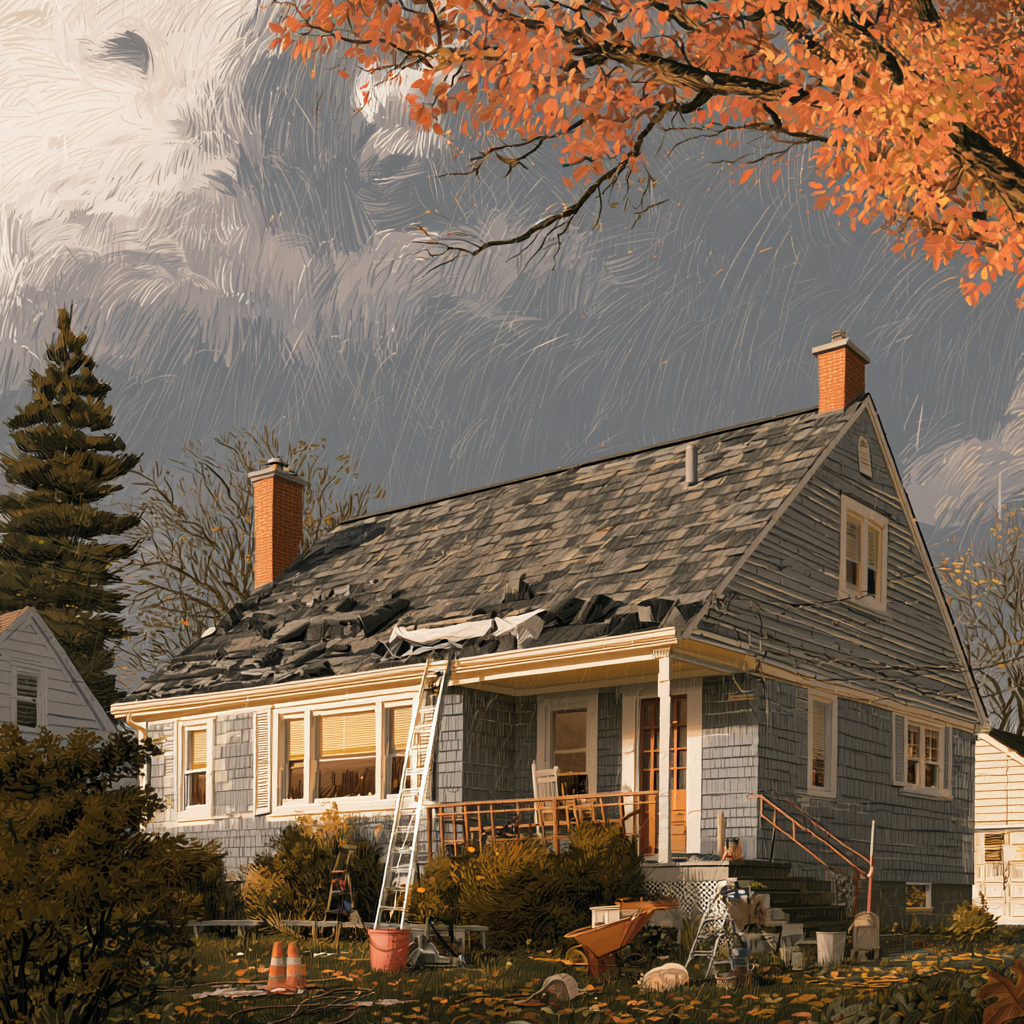
Inspect Your Roof, Gutters, and Exterior Before Winter Hits
Fall exterior inspection protects your home’s envelope from cold-weather moisture damage and prevents small problems from becoming structural repairs by spring.
“The exterior of your home absorbs more punishment through winter than any other part of the structure,” says the Prime Dumpster Pro. “Fall is the last reliable window to find and fix weak points before cold and moisture move in.”
Gutters are the first priority on any fall home maintenance checklist. Leaves, seed pods, and debris accumulate through the season, and a clogged gutter traps standing water. That water freezes, expands, and can force its way under roofing materials or pull the gutter away from the fascia. Cleaning them out in late October or early November, after most leaves have fallen, is the most effective timing.
Roof inspection comes next. You’re looking for:
- Missing, curling, or cracked shingles that leave the roof deck exposed
- Cracked or separated flashing around chimneys, vents, and skylights
- Debris accumulation in valleys where water pools during rain and snowmelt
- Soft spots visible from the attic that may indicate moisture damage below the surface
Siding, windows, and the foundation perimeter round out the exterior check. Gaps in caulking or deteriorated weatherstripping let moisture and cold air into wall cavities, where damage develops slowly and goes unnoticed until it becomes a major repair.
Service Your HVAC System and Heating Equipment
Servicing your heating system and sealing drafts in fall reduces energy costs and eliminates the risk of a mid-winter breakdown when repair demand is highest.
A heating system that fails in January is an emergency. One that gets serviced in October is a routine maintenance call.
Scheduling a furnace tune-up before the heating season starts means faster technician availability, lower service costs, and no waiting on an emergency appointment. An HVAC technician will clean the system, inspect the heat exchanger for cracks, and test safety controls. The U.S. Department of Energy recommends annual furnace maintenance to keep systems running efficiently and safely through the heating season. Replacing the filter at the same time extends equipment life and keeps airflow where it should be.
“Heating system calls spike in November and December when everyone realizes their furnace hasn’t been touched since last winter,” says the Prime Dumpster Pro. “Getting service scheduled in September or October means faster response times, lower costs, and no cold nights waiting on a technician.”
If your home has a fireplace or wood-burning stove, a chimney inspection belongs on the fall checklist. The National Fire Protection Association recommends annual inspections to catch creosote buildup, blockages, and structural issues before they become fire hazards.
Weatherstripping and door seals take an hour to check and often reveal drafts that force the heating system to work harder than it needs to.
Clear Out Yard Debris and Prep Landscaping for Winter
Clearing yard debris in fall protects the lawn, reduces pest harborage, and prevents the drainage problems that develop when organic material breaks down under winter cover.
Fall yard work isn’t just about curb appeal. Leaving debris in place through winter creates conditions for lawn damage, pest harborage, and drainage problems that emerge in spring when the ground thaws.
Leaves are the obvious starting point, but timing matters as much as the task itself. A thick mat of wet leaves left on the lawn through winter smothers grass and creates fungal problems that show up in spring. Raking or blowing regularly through the season, rather than in a single push at the end, keeps the volume manageable.
Pruning is the other major fall landscaping project. Dead or structurally weak branches that can’t support a heavy snow load should come down before winter sets in. Branches hanging over the roof or near power lines are the highest priority.
Fall yard debris adds up faster than most homeowners expect:
- Bagged leaves and brush accumulate quickly on larger properties
- Spent annuals, cut-back perennials, and bed cleanup add volume fast
- Trimmed branches and limbs from pruning work can be bulky and awkward
- Old mulch pulled before a fresh fall application needs a destination
A roll-off dumpster keeps yard cleanup moving without trips to the transfer station. Yard waste typically goes in a standard container, though it’s worth confirming local disposal requirements before loading organic material.
Seal and Insulate to Cut Heat Loss Before the Cold Arrives
Sealing air leaks and adding insulation in fall reduces heating costs and prevents the ice dams, frozen pipes, and moisture damage that follow an under-insulated winter.
Air sealing and insulation work continuously through the heating season without any ongoing effort. Getting them right in fall pays off every month through winter.
The attic is almost always the highest-return weatherization target. Heat rises, and an under-insulated attic lets it escape steadily through the coldest months. Most existing homes fall short of current insulation standards, and adding attic insulation is one of the highest-return fall home improvement investments available, with payback often measured in a single heating season.
“Attic air sealing is something a lot of homeowners skip because you don’t see the results the way you do with new floors or a coat of paint,” says the Prime Dumpster Pro. “But it’s one of the few fall home improvements that pays for itself in energy savings within a season or two.”
Basements and crawl spaces are the other major focus. Cold air infiltrates through rim joists, foundation cracks, and unsealed penetrations where pipes and wires pass through exterior walls. Foam and caulk handle most of these without a contractor.
Pipe insulation belongs on any fall maintenance checklist. Pipes in unheated spaces, including garage walls, exterior walls, and unfinished basements, are vulnerable to freezing. Foam pipe insulation is inexpensive and installs in an afternoon.
Fall Is the Right Time to Declutter, Renovate, and Reset
The stretch between Labor Day and Thanksgiving is one of the most practical windows of the year for renovation work. Contractors are more available than they are during the spring rush, and completing projects before the holidays means you’re not managing a job site around houseguests and family events.
Garage and basement cleanouts are among the most common fall home projects homeowners take on. Both spaces accumulate years of equipment, furniture, and stored items that never get used. Clearing them out before winter creates functional storage space and makes seasonal gear easy to find when you need it.
“Fall cleanouts tend to uncover more than people expect,” says the Prime Dumpster Pro. “A weekend project turns into three loads to the curb, and curbside pickup isn’t always an option for furniture, mattresses, or old appliances. A dumpster keeps the project moving without making multiple trips to the transfer station.”
Interior renovation work, including flooring replacement, bathroom updates, and kitchen refreshes, generates demo debris that needs somewhere to go. A roll-off dumpster on the driveway keeps the project contained and the interior clear.
What Size Dumpster Do You Need for Fall Home Projects?
The right dumpster size depends on the scope of your project. A yard cleanup and light cleanout call for a smaller bin; a whole-home declutter or renovation needs more capacity. Here’s how standard roll-off sizes match up with common fall home improvement projects.
| Dumpster Size | Price Range | Approximate Dimensions | Best For |
| 10-Yard Dumpster | $399–$499 | 12′ L x 8′ W x 3.5′ H | Small yard cleanups, light garage decluttering, single-room cleanouts |
| 15-Yard Dumpster | $449–$569 | 16′ L x 8′ W x 4.5′ H | Mid-size cleanouts, moderate yard debris, flooring removal from one or two rooms |
| 20-Yard Dumpster | $499–$649 | 22′ L x 8′ W x 4.5′ H | Whole-home cleanouts, kitchen or bathroom remodels, large-scale yard and renovation debris |
| 30-Yard Dumpster | $599–$799 | 22′ L x 8′ W x 6′ H | Major interior renovations combined with full cleanouts; rarely needed for standard fall maintenance |
| 40-Yard Dumpster | $699–$899 | 22′ L x 8′ W x 8′ H | Large-scale whole-home renovation and cleanout combinations; rarely needed for typical fall home projects |
Most fall home maintenance projects fit a 10-yard or 15-yard container. If you’re combining yard debris, a garage cleanout, and renovation waste in a single rental, a 20-yard is usually the right call.
Finish Your Fall Home Maintenance Checklist Before Winter Sets In
A complete fall maintenance checklist covers the exterior, heating systems, yard, insulation, and any improvement projects that need to get done before the season closes the window. Each category protects against a different type of winter damage, and working through all of them adds up to a more efficient, lower-maintenance winter overall.
We work with homeowners across the country on fall home projects of every size, from single-room cleanouts to full garage renovations. Debris removal is one less thing to manage when you have the right container on-site and an account manager who knows what size fits the project.
Ready to get started? Contact our team to schedule a dumpster rental for your fall home maintenance project and get a quote from your dedicated account manager.
If you are looking for Do Dumpsters Have Drain Holes?, Click Here
Recent Posts


Follow Us
Have any questions?
+1 844 853 3867
Give us a call today so we can help you find the right waste & sanitation solution for
your project!
Contact Us