
Mon - Sat 7:00 am to 7:00 pm

Estate Cleanout: A Complete Guide to Clearing a Property
Cleaning out an estate is one of the more demanding tasks a family or executor can face. Whether the property belongs to a loved one who has passed, a relative who is downsizing, or an owner preparing a home for sale, the process involves sorting through years of accumulated belongings, coordinating disposal, and preparing the property for whatever comes next.
At Prime Dumpster, we work with families, real estate professionals, and estate managers across the country on estate cleanouts of all sizes. This guide covers everything you need to know, from the first steps through final cleanup, including how to choose the right dumpster rental for your estate cleanout.
Fast Facts: Estate Cleanout
We asked the Prime Dumpster Pros for their expert answers to common questions about estate cleanouts and best practices.
What is an estate cleanout?
An estate cleanout is the process of removing personal belongings, furniture, and accumulated items from a property. It typically follows the passing of a loved one, a major downsizing, a relocation, or the preparation of a home for sale. Depending on the size of the property and the volume of belongings, a cleanout can take anywhere from a few days to several weeks.
Do I need a dumpster for an estate cleanout?
For most estate cleanouts, a roll-off dumpster is one of the most practical tools available. It provides a central location for waste disposal, eliminates the need for multiple trips to a landfill, and keeps the property organized throughout the process. A 20 or 30-yard dumpster is commonly used for estate cleanouts, though the right size depends on the scope of the project.
What size dumpster do I need for an estate cleanout?
Container size depends on the amount of material being removed and the scale of the property. A 10-yard dumpster works well for smaller cleanouts or single rooms. A 20-yard container handles medium-sized estates with moderate furniture and household goods. Larger properties or full-house cleanouts typically require a 30 or 40-yard dumpster.
What can I put in a dumpster during an estate cleanout?
Most household items are accepted, including furniture, appliances, clothing, mattresses, and general household debris. Prohibited items typically include hazardous materials, electronics, tires, batteries, and appliances containing refrigerants. When in doubt, confirm with your rental provider before loading.
What Is an Estate Cleanout?
An estate cleanout is the process of clearing a property of its personal belongings, furniture, and accumulated possessions. The scale can range from a single room to an entire home, and the timeline depends on the size of the property and the volume of items involved.
Unlike a standard home cleanout or decluttering project, estate cleanouts often carry emotional weight. Sorting through a lifetime of possessions requires patience, and the decisions involved — what to keep, what to sell, what to donate, and what to discard — can be difficult to make quickly. Having a clear plan before you begin makes the process more manageable for everyone involved.
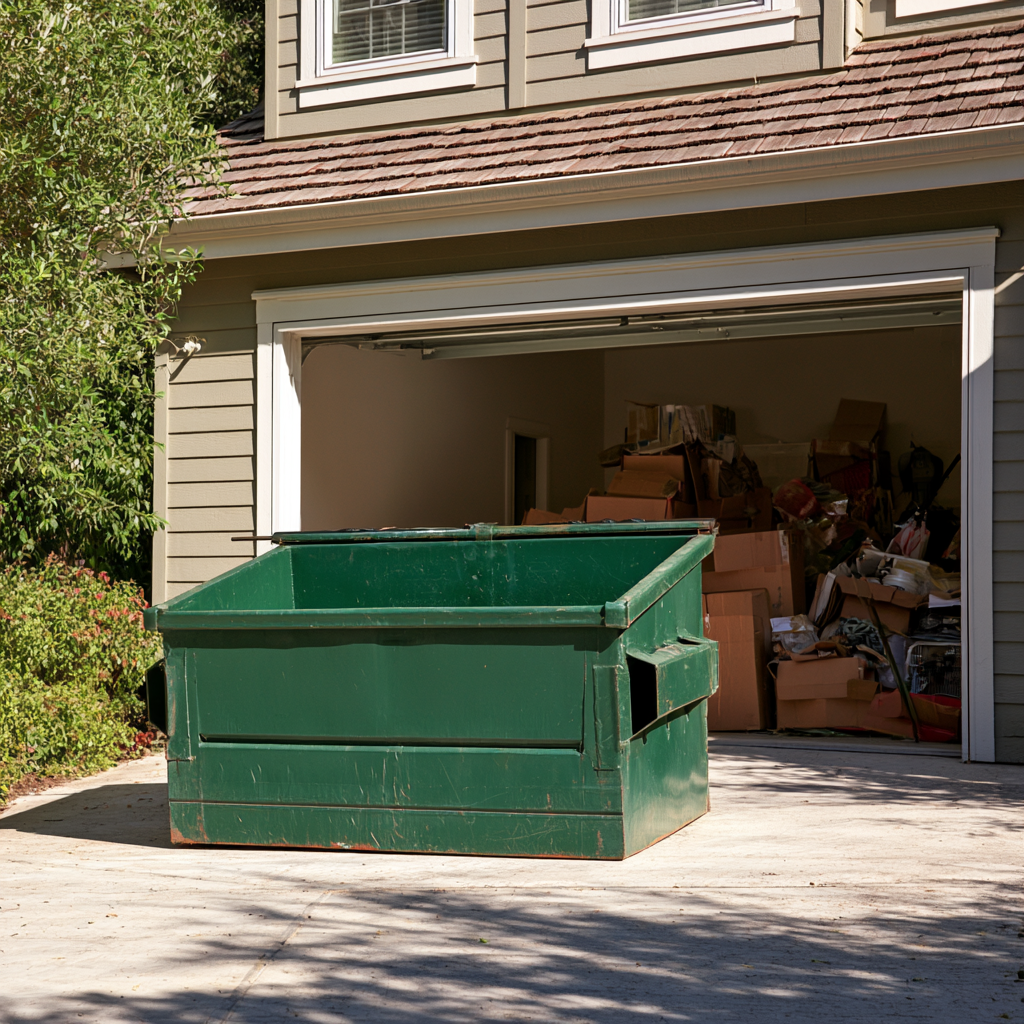
Common Reasons for an Estate Cleanout
Estate cleanouts arise in a variety of circumstances, and the urgency and scope of the project often depend on the situation.
Family Member’s Passing
The most common reason is the passing of a family member. In these cases, the executor or next of kin is responsible for clearing the property, which may need to be sold, transferred, or prepared for a new occupant within a set timeframe.
Downsizing
Downsizing is another frequent driver. When an older family member moves into assisted living or a smaller home, decades of belongings need to be sorted and removed from a property that may have been occupied for many years.
Relocation
Relocation for work or personal reasons can also prompt a full estate cleanout, particularly when the property will be sold rather than kept. In these situations, speed is often a priority, and having a dumpster rental on site from the start keeps the process moving efficiently.
Sale Preparation
Finally, some cleanouts are driven purely by the need to prepare a property for sale. This may involve clearing out a home that has been sitting vacant, removing items left behind by a previous occupant, or addressing years of accumulated belongings before a listing can go live.
Renovation and Post-Estate Repairs
In many cases, a property requires home renovation work following a cleanout, particularly when the home has not been updated in years or needs repairs before it can be listed for sale. Families often choose to make improvements after clearing the property to increase its market value or simply to prepare it for a new occupant.
When home improvement projects follows a cleanout, a roll-off dumpster serves double duty. The same container that handles estate debris can also be used for general demolition waste, including drywall, flooring, cabinetry, and other construction materials generated during the remodel. Scheduling the rental to cover both phases of the project saves time and reduces the overall cost of waste disposal.

First Steps Before You Begin
“An estate cleanout goes more smoothly when you treat the first few days as a planning phase rather than a sorting phase,” says a Prime Dumpster Pro. “Getting the right people involved and the right tools booked early saves a significant amount of time once the work begins.”
Taking care of a few key tasks before you start sorting makes the entire process more organized and less stressful.
- Gather important documents first, including wills, trust papers, insurance policies, bank statements, and tax returns, and store them in a secure location before anything else is moved or discarded.
- Secure the property by changing locks if needed and forwarding mail to a designated caretaker to protect personal information and prevent unauthorized access during the cleanout.
- Walk the exterior of the property to assess any landscaping or yard work that may need to be addressed, as overgrown vegetation, accumulated debris, and outdoor clutter are often part of the overall cleanout scope and should be factored into your timeline and dumpster rental plan. Learn more in our guide: Dumpster Rental for Landscaping
- Build a support team by identifying family members, friends, or professional services who can help, and assign responsibilities early to avoid confusion once sorting begins.
- Create a realistic timeline that accounts for the size of the property and the volume of belongings, breaking the process into phases so the work feels manageable rather than overwhelming.
- Book your dumpster rental early so the container is on site when sorting begins, giving you a central place to dispose of items as decisions are made rather than letting discards pile up inside the property.
Having these pieces in place before the first box is opened keeps the cleanout organized from start to finish.
DIY vs. Professional Estate Cleanout Services
Handling an estate cleanout yourself gives you full control over the process and allows you to sort through belongings at your own pace. It is often the preferred approach when family members want to be personally involved in decisions about sentimental items or when the estate is small enough to manage without outside help. Renting a dumpster for the cleanout keeps disposal simple, giving you a central place to discard items as you work through each room without the need for repeated trips to a landfill or transfer station.
Professional junk removal services are worth considering when the property is large, the timeline is tight, or the volume of items is simply too much to manage independently. These companies handle sorting, hauling, and disposal on your behalf, and many also coordinate donations or connect clients with estate sale professionals. A dumpster rental is often part of the process regardless, as it gives the crew an efficient disposal solution for items that cannot be sold, donated, or recycled.
For many families, a combination of both approaches works best. Personal items and valuables are handled by family members, while a professional service or hired crew manages the physical labor of clearing the property. In either case, having the right size dumpster on site from the beginning is one of the most practical steps you can take to keep the cleanout moving forward without interruption.
How to Sort and Organize Estate Items
A room-by-room approach is the most effective way to work through an estate cleanout without feeling overwhelmed. Starting in less emotionally charged spaces, such as the pantry, garage, or utility rooms, helps build momentum before moving into areas with more sentimental items.
As you move through each room, sort belongings into four categories:
- Keep: items that will be retained by family members or the estate, including heirlooms, important documents, and personal effects with sentimental or financial value.
- Sell: furniture, collectibles, jewelry, artwork, and other items in good condition that may have resale value through an estate sale, online platforms, or a specialty dealer.
- Donate: usable household goods, clothing, and everyday items that are no longer needed but are in good enough condition to benefit others.
- Discard: broken, damaged, or unsellable items that need to be disposed of, which go directly into the dumpster as sorting progresses.
Sentimental items deserve extra care and should not be rushed. Involving multiple family members in decisions about heirlooms helps prevent conflict and ensures that meaningful pieces end up with the right people. When disagreements arise, setting items aside temporarily rather than making a quick decision is usually the better approach.
Options for Disposing of Estate Items
Most estate cleanouts produce a wide range of items in varying conditions, and no single disposal method works for everything. Understanding your options before you begin helps you make faster decisions during the sorting process and ensures that usable items find a second life rather than going straight to a landfill.
Common disposal options include:
- Estate sales: a practical choice for clearing large quantities of household goods, furniture, and collectibles in a short period of time. Estate sale companies typically handle organization and pricing but take a percentage of proceeds, often between 30 and 50 percent.
- Online platforms: sites like Facebook Marketplace, eBay, and Craigslist work well for selling individual items of higher value, including jewelry, art, and antiques, though listing and shipping require additional time and effort.
- Donation: many charities and nonprofit organizations accept gently used furniture, clothing, and household goods, and some offer pickup services for larger items. Donated items may also qualify for a tax deduction.
- Junk removal services: a useful option for items that cannot be sold or donated, particularly bulky pieces that are difficult to load independently. Junk removal companies haul items away for a fee but typically charge by volume.
- Dumpster rental: the most efficient solution for managing the full volume of waste generated during a cleanout. A roll-off dumpster on site allows you to dispose of items continuously as sorting progresses, keeping the property clear and the process moving.
In practice, most estate cleanouts use a combination of these methods. Valuable items are sold or donated first, and a dumpster handles the remainder, making it the last step in the disposal process and often the most important one for keeping the cleanout on schedule.

Choosing the Right Dumpster for an Estate Cleanout
Selecting the right container size is one of the most practical decisions you will make during an estate cleanout. Renting a container that is too small means additional pickups and added cost, while oversizing adds unnecessary expense. A brief assessment of the property and the volume of items being discarded before you book helps you make the right call from the start.
| Dumpster Size | Approximate Dimensions | Approximate Weight Capacity | Best For |
| 10-Yard Dumpster | 12′ x 8′ x 4.5′ | Up to 2 tons | Small cleanouts, single rooms, minimal furniture |
| 15-Yard Dumpster | 16′ x 8′ x 4.5′ | Up to 3 tons | Small to mid-size estates, moderate household goods |
| 20-Yard Dumpster | 22′ x 8′ x 4.5′ | Up to 3 tons | Medium estates, multiple rooms, standard furniture |
| 30-Yard Dumpster | 22′ x 8′ x 6′ | Up to 4 tons | Large estates, full-house cleanouts, significant volume |
| 40-Yard Dumpster | 22′ x 8′ x 7-8′ | Up to 5 tons | Very large properties, hoarding situations, extensive debris |
Dimensions and weight capacity are approximate and may vary based on local availability and provider.
Most household estate items are accepted in a standard roll-off dumpster, including furniture, mattresses, appliances, clothing, and general debris. Prohibited items typically include hazardous materials, electronics, tires, batteries, and appliances containing refrigerants such as old refrigerators or air conditioners. Confirming what is and is not accepted with your provider before loading prevents delays and additional fees at pickup.
A few loading habits make a meaningful difference in how much you can fit. Place heavy, flat items like furniture at the base of the container and fill gaps with smaller items as you go. Breaking down large pieces where possible maximizes space and keeps the load stable. Loading the dumpster steadily as sorting progresses, rather than all at once at the end, keeps the property clear throughout the cleanout and reduces the physical effort required on the final day.
Ready for the Cleanout to Begin
An estate cleanout involves more than hauling items out of a house. It requires planning, careful sorting, thoughtful decisions about disposal, and the right tools to keep the process moving from start to finish. Whether you are managing a small single-room cleanout or clearing a large property with decades of accumulated belongings, approaching the process with a clear plan makes every stage more manageable.
Prime Dumpster is the trusted choice for dumpster rentals for estate cleanouts nationwide. Our account managers work directly with families, executors, and real estate professionals to recommend the right container size, coordinate delivery around your schedule, and ensure the rental period fits the timeline of your project.
When you are ready to get started, contact our team for transparent, upfront pricing and a solution tailored to your specific estate cleanout needs. There are no hidden fees and no guesswork. Just reliable service and the right dumpster for estate cleanout delivered when and where you need it. Reach out to our team and let us help you move forward with confidence.
If you are looking for How to Get Rid of Furniture, Click Here
Recent Posts


Follow Us
Have any questions?
+1 844 853 3867
Give us a call today so we can help you find the right waste & sanitation solution for
your project!
Contact Us