
Mon - Sat 7:00 am to 7:00 pm

Dumpster Rental for Landscaping
Pulling up an old lawn, tearing out overgrown shrubs or building a new patio creates more debris than most people expect. Without a plan to haul it away, piles of sod, branches and broken pavers can sit in the yard long after the work is done.
At Prime Dumpster, our team arranges dumpster rentals for homeowners and landscapers, and we created this guide to help you plan cleanup before the first shovel hits the ground. It covers which projects call for a landscaping dumpster, what you can toss, how to pick the right size and how to handle heavy materials like soil and concrete.
Fast Facts: Choosing a Landscaping Dumpster
“Most landscaping cleanup comes down to two questions,” says the Prime Dumpster Pro. “How much debris will you have, and how heavy is it? Branches and shrubs take up space, while soil and stone reach the weight limit fast.”
What size dumpster do I need for a landscaping project?
Small jobs like a garden bed refresh often fit in a 10- or 15-yard container, while large tree removals or full yard overhauls may call for a 30- or 40-yard container. Heavy materials are the exception, since they belong in a 10-yard dumpster.
Can I mix soil and concrete with yard waste?
Usually not. Many haulers ask for clean loads of heavy material so it can be recycled, and mixing it with branches or sod can lead to extra fees. Ask your provider before you start loading.
Can I throw away treated wood or leftover fertilizer?
Treated lumber, pesticides, fertilizers and fuel are often restricted. Check with your provider and your local waste agency before tossing them.
Do I need a permit?
Usually not if the dumpster sits on a driveway or other private property. Placing it on a street or sidewalk typically requires a permit from your city.
When should the dumpster arrive?
Schedule delivery for the day before tear-out begins. That way, debris goes straight into the container instead of piling up on the lawn.
Landscaping Projects That Call for a Dumpster
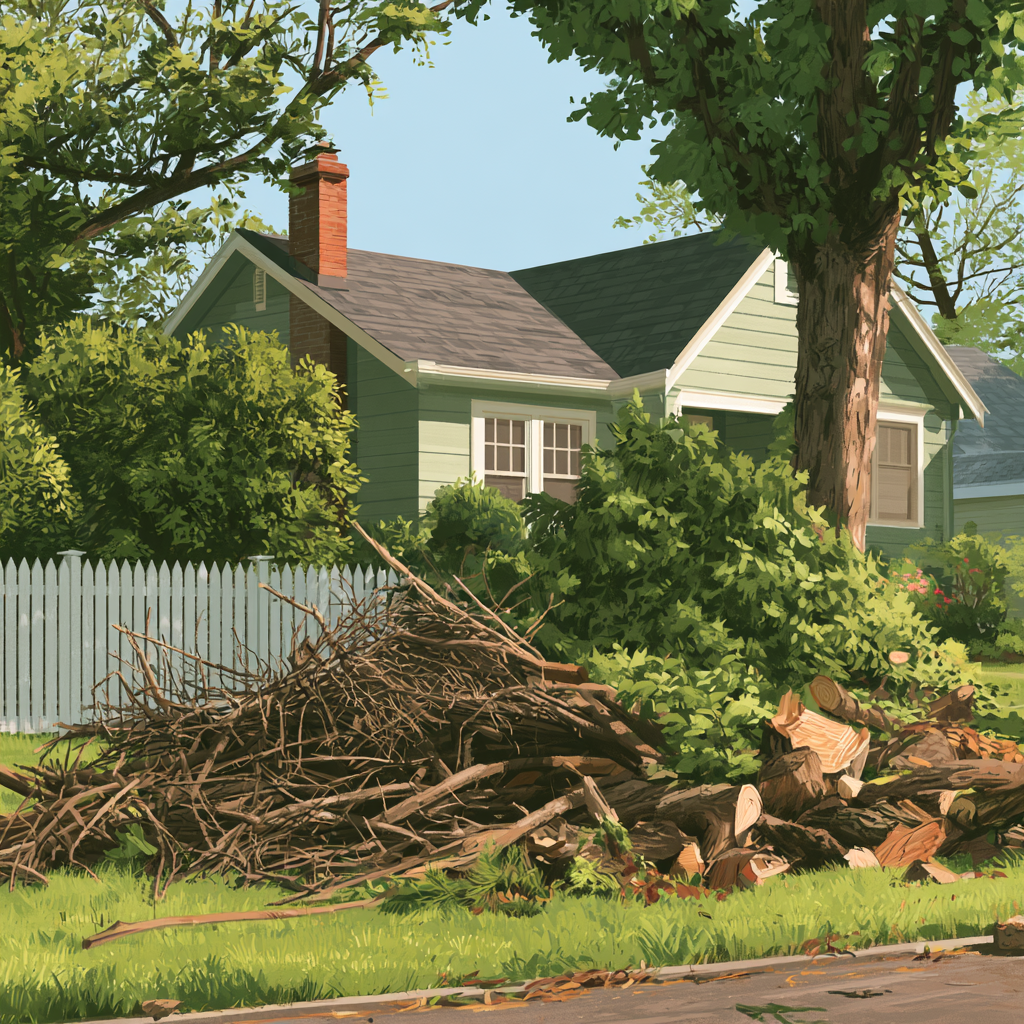
Almost any project that removes material from a yard can produce more waste than curbside pickup will take. These are the jobs where a rented container makes the biggest difference.
Sod and Lawn Replacement
Stripping old turf leaves behind rolls of grass with roots and soil still attached. Sod is heavier than it looks, especially after rain, so plan for weight as well as volume. Rolling or folding strips tightly helps them stack flat and leaves room for the rest of the job.
Hardscaping: Patios, Walkways and Retaining Walls
Replacing a patio or walkway means breaking up old concrete, pavers, brick or block. Retaining wall projects can add stone, gravel and backfill soil to the pile. These materials are dense, so they need a smaller container and a separate load from lighter debris.
Tree and Shrub Removal
Branches, trunks and root balls are bulky and awkward to load. Cutting limbs into shorter sections lets them lie flat and uses the space far better than tossing them in whole.
Before taking on a tree yourself, know your limits. The University of Maryland warns that removing limbs anywhere near power lines is never a job for homeowners. Large or damaged trees are best left to a licensed arborist, and you can still use a dumpster for the cleanup.
Garden Bed Overhauls
Redoing a garden bed often means pulling out old plants, edging, landscape fabric and worn-out mulch. A smaller container usually handles this work, especially when it’s one or two beds at a time.
Fencing and Privacy Projects
Taking down an old fence leaves panels, rails and posts, and some posts come out with concrete footings still attached. If you’re replacing the fence with plantings, screens or trellises, these backyard privacy ideas can help you plan the next step.
DIY Landscaping
Weekend projects add up quickly when you’re doing the work yourself. Homeowners planning their own yard work can learn more about DIY dumpster rentals, from booking to loading.
Sod replacement, hardscaping, tree removal, garden beds, fencing and DIY yard work all create enough debris to justify a dumpster rental.
Landscape Debris Removal: What Can Go In
Most organic and construction debris from a landscaping job can go in a rented dumpster, including branches, shrubs, sod, old mulch, fence boards and broken pavers. Some states and cities don’t allow yard waste in regular trash, though, so your provider may ask you to keep it separate.
A few common landscaping items are often restricted. Check with your provider before tossing:
- Pressure-treated lumber and railroad ties
- Pesticides, herbicides and fertilizers
- Gasoline, oil and other fluids from yard equipment
- Propane tanks
- Tires
Restricted items usually need to go to a household hazardous waste site or a specialty recycler. You can also cut down on what you throw away from the start. The EPA’s GreenScaping guide covers ways to reduce yard waste, including choosing plants that suit your site. For smaller jobs that don’t need a container, see our guide on how to get rid of yard waste.
Branches, sod, mulch, fencing and pavers are generally accepted, while chemicals, fuel, treated wood and tires are often restricted.
Choosing the Right Size
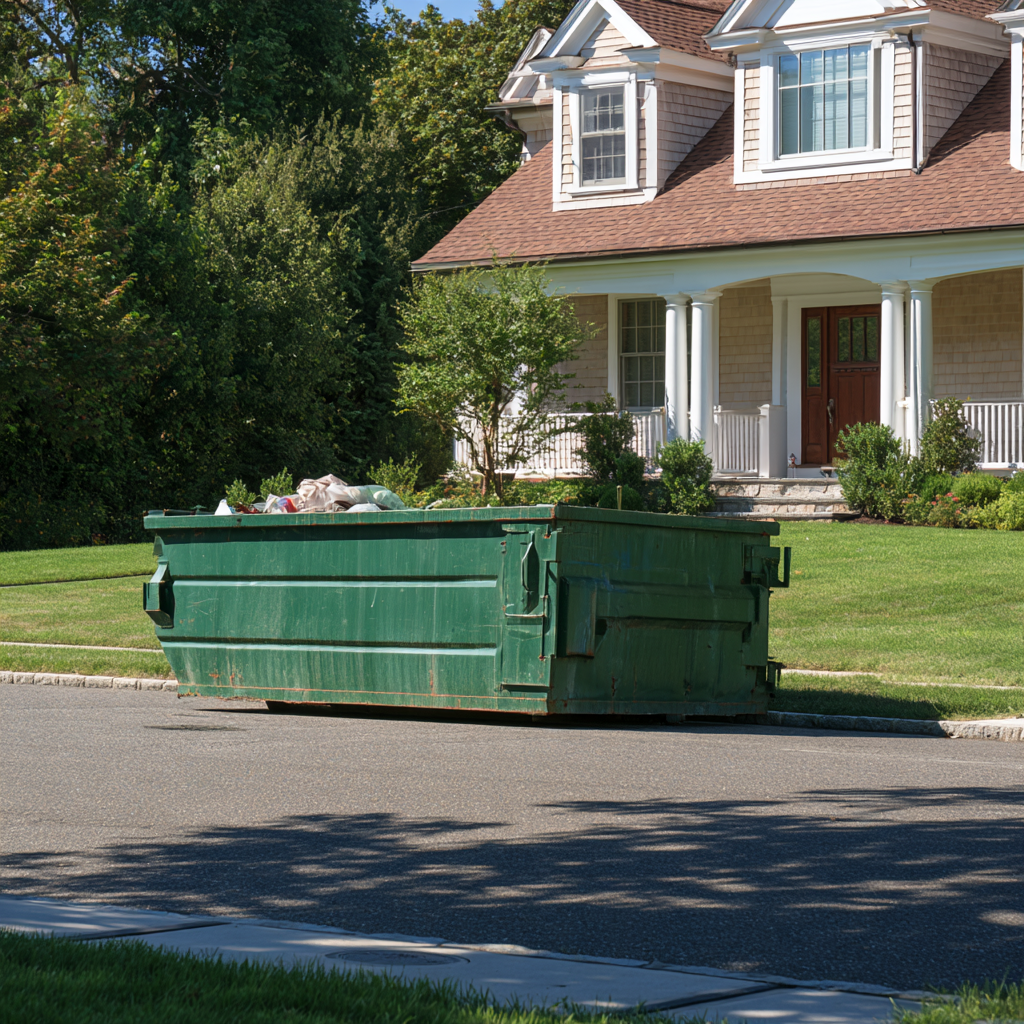
Prime Dumpster’s dumpster rental services cover five common sizes. Use the table below to match a container to your project.
| Dumpster Size | Common Landscaping Projects | Approximate Weight Capacity |
| 10-Yard Dumpster | Soil, rock, concrete, brick and other hardscape tear-outs | Up to 2 tons |
| 15-Yard Dumpster | Garden bed overhauls, shrub removal and small sod jobs | Up to 3 tons |
| 20-Yard Dumpster | Lawn replacement, fence removal and midsize yard cleanups | Up to 3 tons |
| 30-Yard Dumpster | Tree removal and full yard overhauls | Up to 4 tons |
| 40-Yard Dumpster | Large properties and multiphase commercial landscaping | Up to 5 tons |
If your project falls between two sizes, the larger container is usually the safer choice for light debris. For heavy debris, stick with the 10-yard dumpster no matter how big the job is.
Lighter yard debris fits larger containers, while heavy materials like soil and concrete belong in a 10-yard dumpster.
Renting a Dumpster for Dirt, Rock and Concrete
Heavy debris fills a container by weight long before it fills it by volume. “A large dumpster loaded with soil or concrete would be far too heavy to haul safely,” says the Prime Dumpster Pro. “That’s why 10-yard dumpsters are the standard for soil, rock, brick and asphalt.”
For big excavation or hardscape jobs, plan on multiple 10-yard containers or swaps rather than one larger unit. Keeping these loads clean, without branches, trash or sod mixed in, also makes it easier for the material to be recycled.
Soil, rock and concrete should go in 10-yard dumpsters, using multiple containers for larger jobs.
Landscape Dumpster Rental Tips for Contractors
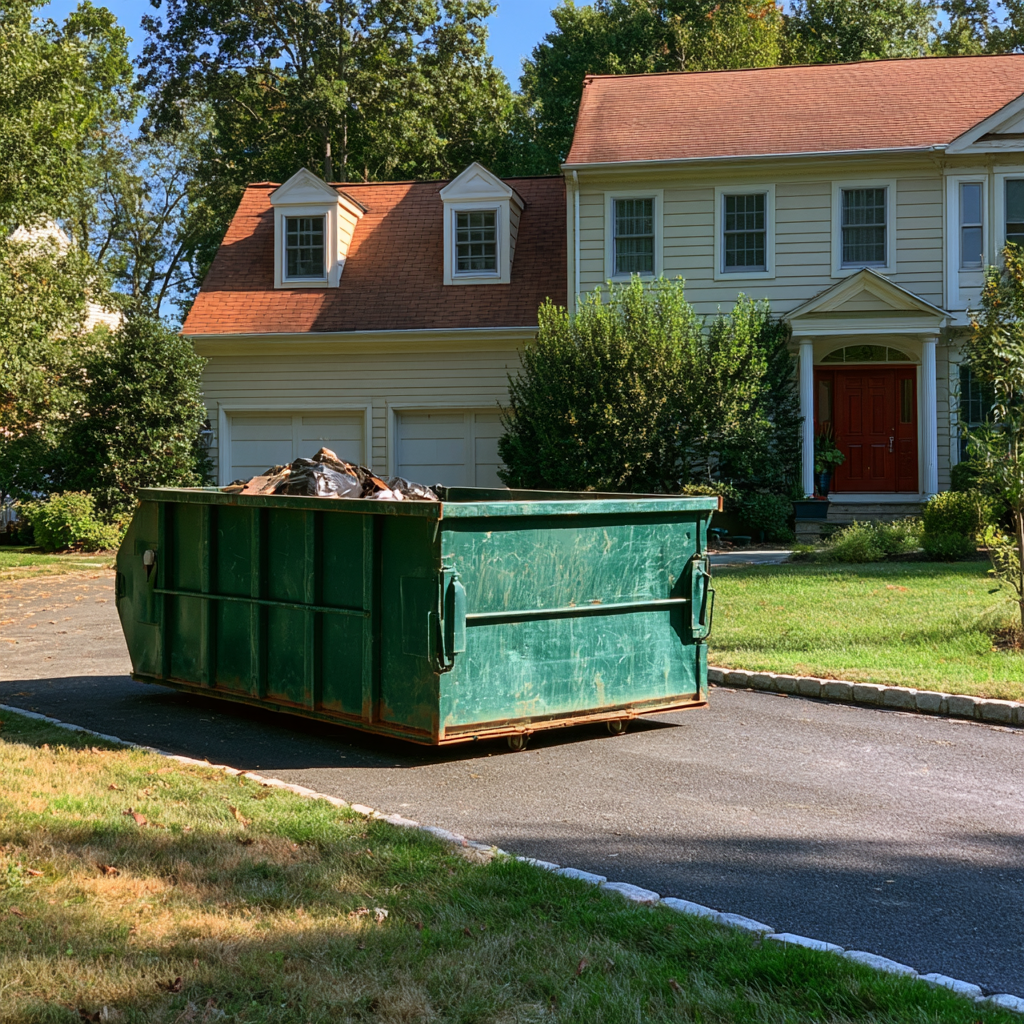
Landscapers juggle client schedules, crews and property protection on every job. A few habits make container rentals run more smoothly:
- Book early: Reserve the container when the job is confirmed so it’s on site before tear-out starts.
- Agree on placement: Walk the property with the client and pick a firm, level spot that won’t block garages, gates or walkways.
- Protect the driveway: Lay plywood boards under the container to help prevent scratches and cracks.
- Keep clients informed: Let homeowners know when the container will arrive and leave, and what can’t go in it.
- Plan for heavy loads: Order separate containers for soil or concrete so they don’t get mixed with green waste.
Clear communication up front helps prevent extra fees and keeps clients happy. Landscaping is often the last stage of a bigger project, and this guide on how to renovate a house walks through the full process.
Contractors should book early, agree on placement, protect driveways and keep heavy loads separate.
Placement and Loading Basics
Where you put the dumpster and how you fill it affect both safety and cost. “Place the container as close to the work area as you can without blocking access,” says the Prime Dumpster Pro. “Load heavy items on the bottom, break down bulky branches and keep everything below the top edge.”
Before delivery, clear low branches, wires and vehicles from the drop zone. Keep the container off soft lawns and septic areas, which may not support its weight.
Place the dumpster on firm ground near the work area, load heavy items first and never overfill.
Ready to Start Your Landscaping Project?
A landscaping dumpster keeps sod, branches, fencing and hardscape debris in one place, so your yard stays safe and the cleanup doesn’t drag on. Choosing the right size, separating heavy materials and checking restricted items ahead of time will help the project go smoothly from tear-out to final walkthrough.
Our team can help you match a container to your project, plan around heavy loads and set up delivery before work begins. Whether you’re a homeowner tackling one garden bed or a contractor managing several job sites, we’ll help you find an option that fits your timeline. Contact our team to get started.
If you are looking for Estate Cleanout: A Complete Guide to Clearing a Property, Click Here
Recent Posts


Follow Us
Have any questions?
+1 844 853 3867
Give us a call today so we can help you find the right waste & sanitation solution for
your project!
Contact Us