
Mon - Sat 7:00 am to 7:00 pm

How To Get Rid Of Yard Waste
Piles of raked leaves, bags of grass clippings and a tangle of branches after a windstorm can take over a yard fast. Curbside pickup only takes so much each week, and figuring out where the rest should go can turn a weekend project into a month-long chore.
At Prime Dumpster, our team facilitates dumpster rentals for homeowners and landscapers, and we created this guide to help you clear it all out. It covers yard waste removal options from curbside pickup and composting to drop-off sites and dumpsters, plus local rules, sizing tips and loading advice.
Fast Facts: Yard Waste Removal Options
“Match the method to the amount,” says the Prime Dumpster Pro. “A few bags of leaves can go to the curb, but a tree removal or full landscaping overhaul usually calls for a dumpster.”
| Option | Best For | What to Know |
| Curbside pickup | Weekly grass, leaves and small branches | Often seasonal, with bag, bin and bundle rules |
| Drop-off sites | Larger loads you can haul yourself | May charge fees and limit accepted materials |
| Compost facilities | Clean organic material | Turn yard waste into compost or mulch |
| Backyard composting | Steady supply of leaves and clippings | Takes time and space but costs little |
| Dumpster rental | Large cleanups, storm debris and landscaping projects | Holds everything in one place until hauled away |
Many homeowners don’t realize that renting a dumpster is often easier and more affordable than they expect, especially compared with multiple trips to a drop-off site or paying for extra curbside pickups. For sizing guides, pricing and planning tools, visit our dumpster rental resources hub.
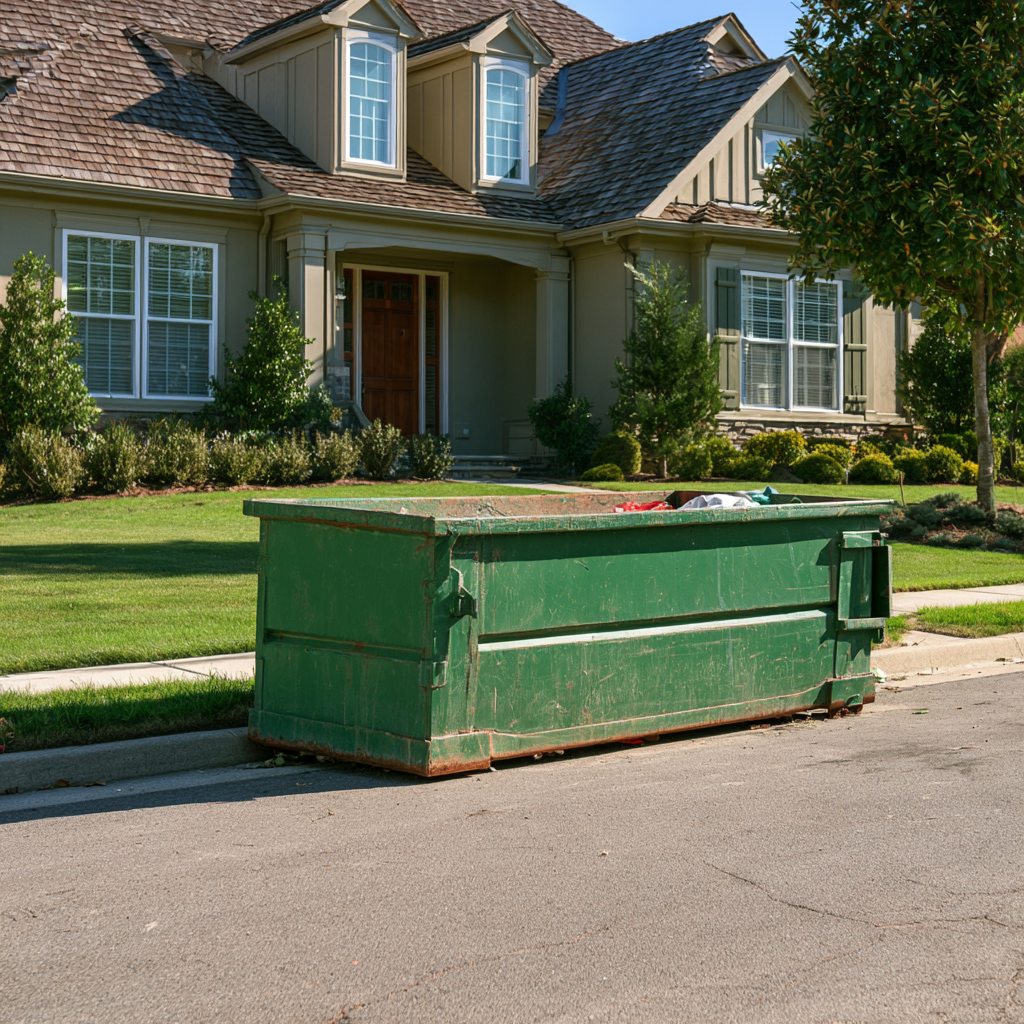
What Is Yard Waste?
Yard waste is the organic material that comes from caring for your lawn, garden and trees. The EPA’s yard trimmings data defines yard trimmings as grass, leaves and tree and brush trimmings, and notes that landfills received about 10.5 million tons of them in 2018.
Common yard waste includes grass clippings, leaves, branches, brush, shrub trimmings, garden plants, pine needles and small stumps. Dirt, rocks, sod, treated lumber and landscaping fabric usually aren’t considered yard waste and may have separate disposal rules.
Yard waste includes grass clippings, leaves, branches, brush and plant trimmings, while dirt, rock, sod and treated wood are usually handled separately.
How to Get Rid of Yard Waste
There’s no single right way to clear out yard debris. The best option depends on how much you have, what it is and how quickly you need it gone.
Curbside Pickup
Many cities and haulers offer yard waste collection, often weekly or seasonally. Most programs require paper yard waste bags, a dedicated cart or branches tied in bundles. Check your local guidelines for bag types, bundle size and pickup days, since rules vary widely.
Drop-Off Sites and Compost Facilities
For larger loads, many communities run yard waste drop-off sites or partner with compost facilities. These locations turn clean organic material into compost or mulch, and some sell or give it back to residents. Expect possible fees and limits on what they accept, such as no stumps or no material mixed with trash.
Backyard Composting
Composting turns leaves, clippings and garden trimmings into a rich soil amendment. Penn State Extension’s guide to home composting walks through how to start and maintain a bin. For more ideas on handling plant debris, see our guide to managing garden waste.
Grasscycling
The easiest way to handle grass clippings is to leave them on the lawn. UGA Extension’s guide to grasscycling explains that clippings break down quickly and return nitrogen and other nutrients to the soil. Mowing regularly with a sharp blade keeps clippings small enough to disappear.
You can get rid of yard waste through curbside pickup, drop-off sites, compost facilities, backyard composting or grasscycling.
Yard Waste Disposal Rules to Know
Many areas set specific rules for yard waste disposal. Some restrict yard waste from regular trash or landfills, so it has to be collected separately or composted.
Common requirements include using paper bags instead of plastic, cutting branches to a set length, tying bundles with twine and keeping yard waste separate from household trash. Rented dumpsters may also have restrictions on certain materials. Our guide to what can’t go in a rented dumpster covers what to keep out.
Check with your city or hauler before your project starts to avoid missed pickups or extra fees.
Many areas require yard waste to be separated from trash, bagged in paper and bundled to set lengths, so check local rules first.
When to Rent a Yard Waste Dumpster
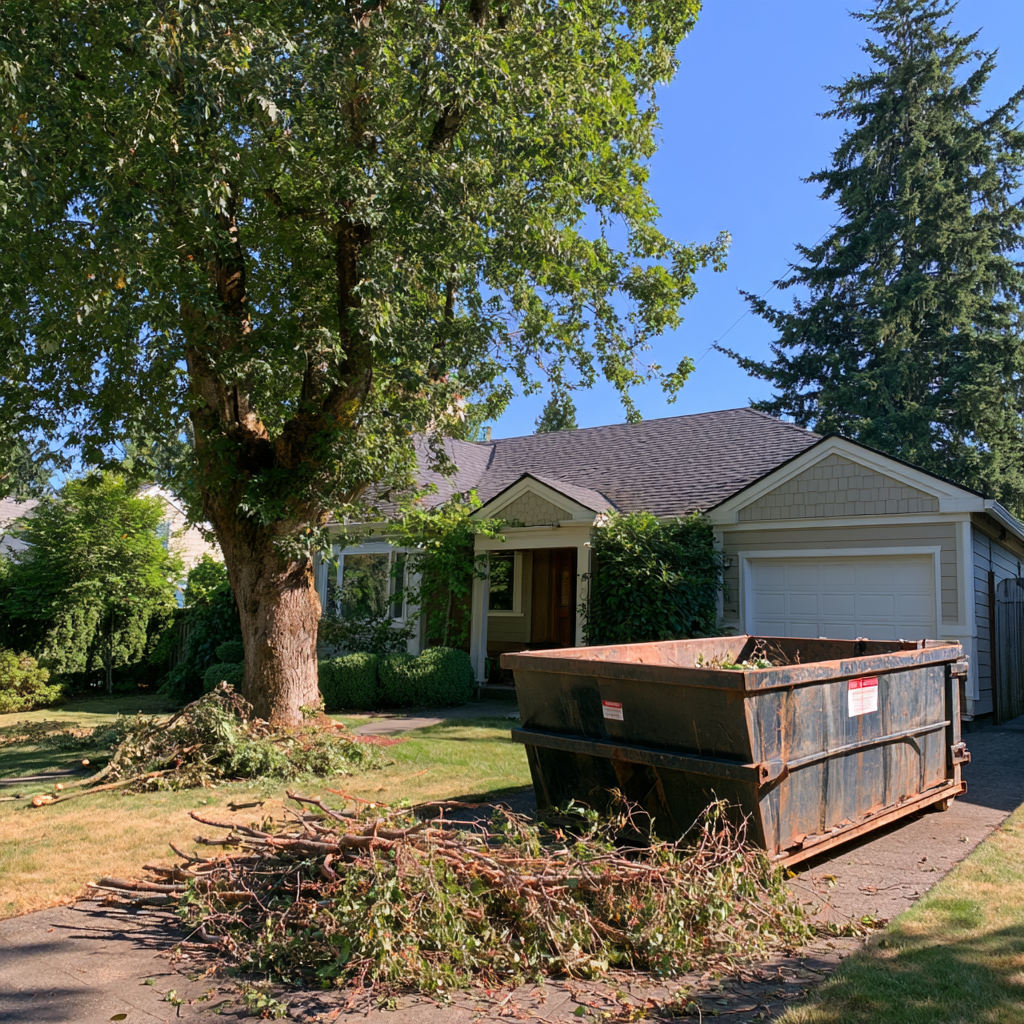
A yard waste dumpster makes sense when the debris outgrows your curbside service or your truck bed. It’s a common choice after storms, during major landscaping projects and when clearing overgrown land.
Large projects that often call for a dumpster include storm and fallen tree cleanup, removing shrubs and hedges, clearing brush from a lot and tearing out old landscaping. Our guide to dumpster rental for landscaping covers bigger outdoor projects in more detail.
Dumpster rentals keep all the debris in one place until it’s hauled away. Heavy materials like dirt, sod and rock typically belong in 10-yard dumpsters, since weight limits fill up long before the container does.
Rent a dumpster for storm cleanup, tree and brush removal, land clearing or landscaping overhauls, and use a 10-yard dumpster for heavy dirt, sod and rock.
Choosing a Size for Yard Debris Removal
The right dumpster size to rent depends on how much material you have and how heavy it is. This table offers a starting point for common yard debris removal projects.
| Dumpster Size | Common Yard Projects |
| 10-Yard Dumpster | Dirt, sod, rock and small garden cleanups |
| 15-Yard Dumpster | Seasonal leaf and branch cleanups, shrub removal |
| 20-Yard Dumpster | Hedge removal, larger brush piles and small tree removal |
| 30-Yard Dumpster | Storm cleanup and full landscaping overhauls |
| 40-Yard Dumpster | Land clearing and large-property cleanups |
Bulky, lightweight debris like branches takes up space quickly, so plan for a larger size when brush is the main material.
Use a 10-yard dumpster for heavy dirt and rock, 15- to 20-yard dumpsters for seasonal and brush cleanups and 30- to 40-yard dumpsters for storm cleanup and land clearing.
Loading Tips
How you load a dumpster affects how much fits and how safely it’s hauled. “Cut branches down before they go in,” says the Prime Dumpster Pro. “Long limbs create gaps that waste space and can stick out over the top.”
Follow these basics when loading yard debris:
- Cut branches and brush into shorter pieces so they lie flat.
- Break up or split stumps when possible.
- Spread heavy material evenly across the bottom.
- Keep the load below the top edge of the container.
- Leave out restricted items like treated lumber, chemicals and tires.
Packing tightly from the start helps you get the most out of your rental.
Cut branches short, break up stumps, spread heavy material evenly, stay below the fill line and keep restricted items out.
Frequently Asked Questions
We asked the Prime Dumpster Pros to answer common questions about getting rid of yard waste.
Can I put yard waste in my regular trash can?
It depends on where you live. Some areas restrict yard waste from regular trash, so check with your city or hauler.
Can grass clippings and leaves go in a dumpster?
Yes, in most cases. Grass, leaves, branches and brush are commonly accepted in rented dumpsters.
Can I put dirt or sod in a dumpster?
Usually, yes, but these materials are heavy. They typically belong in a 10-yard dumpster to stay within weight limits.
Do I need a permit for a yard waste dumpster?
Not if it sits on your driveway or property. Placement on a street or sidewalk may require a city permit.
Is composting better than throwing yard waste away?
For leaves and clippings, composting or grasscycling is a low-cost way to keep material out of landfills and improve your soil.
Ready to Clear Out Your Yard?
Yard waste removal is easier when you match the method to the job, from curbside pickup and composting for everyday debris to a dumpster for storm cleanup and big landscaping projects. Knowing your local rules and loading the container smartly keeps the project on track.
Our team is friendly, knowledgeable about outdoor projects and upfront about pricing. We’ll help you choose the right dumpster size for your yard debris and make the rental process simple. Contact our team to get started.
If you are looking for How to Dispose of Appliances, Click Here
Recent Posts


Follow Us
Have any questions?
+1 844 853 3867
Give us a call today so we can help you find the right waste & sanitation solution for
your project!
Contact Us