
Mon - Sat 7:00 am to 7:00 pm

Top 20 Dumpster Rental Uses
When a project starts producing more debris than a few trash bags can handle, a temporary dumpster quickly becomes one of the most useful tools on site. Homeowners, contractors, business owners, and event planners all rely on dumpsters to keep waste contained and projects moving.
Many people are surprised by how wide the range of projects really is. From roof replacements and kitchen remodels to warehouse cleanouts and post-event cleanup, a dumpster can simplify almost any job that involves hauling away large amounts of material.
At Prime Dumpster, we put together this guide to the most common dumpster rental uses. It covers 20 projects where a temporary dumpster makes the work easier, along with tips for handling heavy or restricted materials along the way.
Fast Facts: When Do You Need to Rent a Dumpster?
Temporary dumpsters are commonly used for roofing, remodeling, cleanouts, landscaping, construction, demolition, and events, with heavy materials like concrete and dirt typically going in 10-yard dumpsters.
| Project Category | Common Uses |
| Home Projects | Cleanouts, decluttering, moving, spring cleaning, remodels |
| Construction and Renovation | Roofing, flooring, siding, new construction, demolition |
| Outdoor Work | Yard waste, landscaping, dirt removal, pool projects |
| Heavy Materials | Concrete, dirt, brick, and stone |
| Commercial and Events | Warehouse cleanouts, festivals, concerts, stage sets |
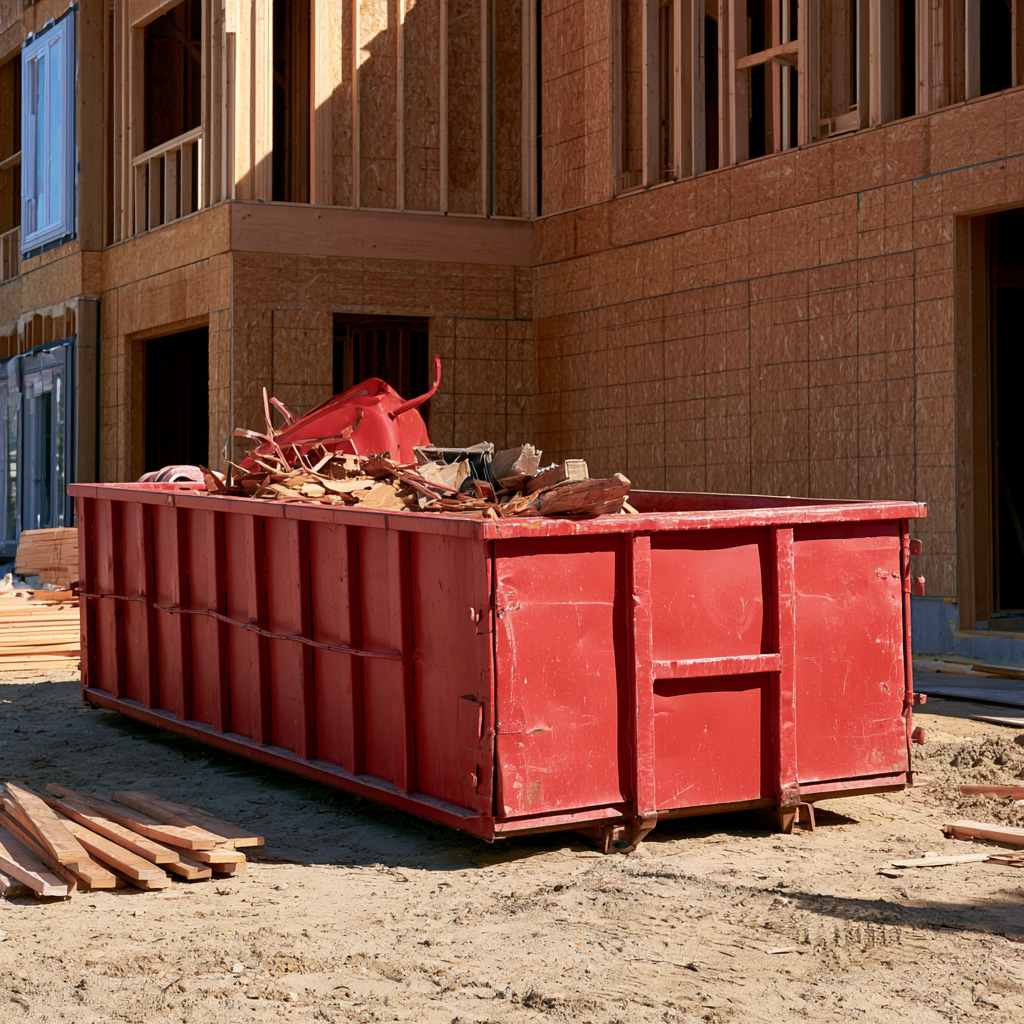
#1. Roofing Projects
Roof replacements and repairs produce a large amount of debris, including old shingles, underlayment, flashing, and nails. A dumpster placed close to the work area gives crews a safe place to toss debris as they go and helps keep the ground around the house clear of sharp materials.
“On roofing jobs, placement matters as much as size,” says the Prime Dumpster Pro. “When the container sits close to the roofline, crews can drop debris straight in, and cleanup goes a lot faster.”
#2. Yard Waste
Yard work can transform an outdoor space, but it often leaves behind branches, leaves, brush, and grass clippings. A dumpster makes it easier to clear large amounts of organic debris at once instead of filling yard bags over several weekends.
Some areas have rules about how yard waste must be disposed of, so it’s worth checking with your provider before loading. You can also compost smaller amounts of leaves and clippings at home to reduce how much you need to haul.
#3. Junk Removal
Clutter has a way of building up over time. A temporary dumpster makes it much easier to clear out large amounts of unwanted items in one project, especially in spaces like:
- Attics
- Garages
- Basements
- Storage sheds
Having a container on site means you can work at your own pace without worrying about how to haul everything away.
#4. Dirt Removal
Excavating for a new patio, garden bed, or foundation repair can leave large piles of soil behind. A dumpster keeps that dirt contained instead of sitting in piles on your property.
Dirt is heavy, so it reaches weight limits quickly. Like concrete, it typically goes in a 10-yard dumpster to keep the load within safe hauling weight.
#5. Stage Props and Event Sets
Theater productions, trade shows, and event planners often need to clear out props, scenery, and display materials after a run ends. A temporary dumpster helps streamline teardown and keeps the venue clean for the next booking.
#6. Spring Cleaning Projects
Spring cleaning can turn up years of items that need to go. A residential dumpster makes it easier to tackle a deep clean throughout the home without waiting for weekly trash pickup or making repeated trips to the dump.
#7. Moving or Decluttering
Moving is a natural time to get rid of things you no longer need. A dumpster helps you clear out unwanted furniture, boxes, and household items before the move so you aren’t packing and transporting things you’ll throw away later.
“People are always surprised by how much they throw out before a move,” says the Prime Dumpster Pro. “Having the container there for a few days takes a lot of stress out of the process.”
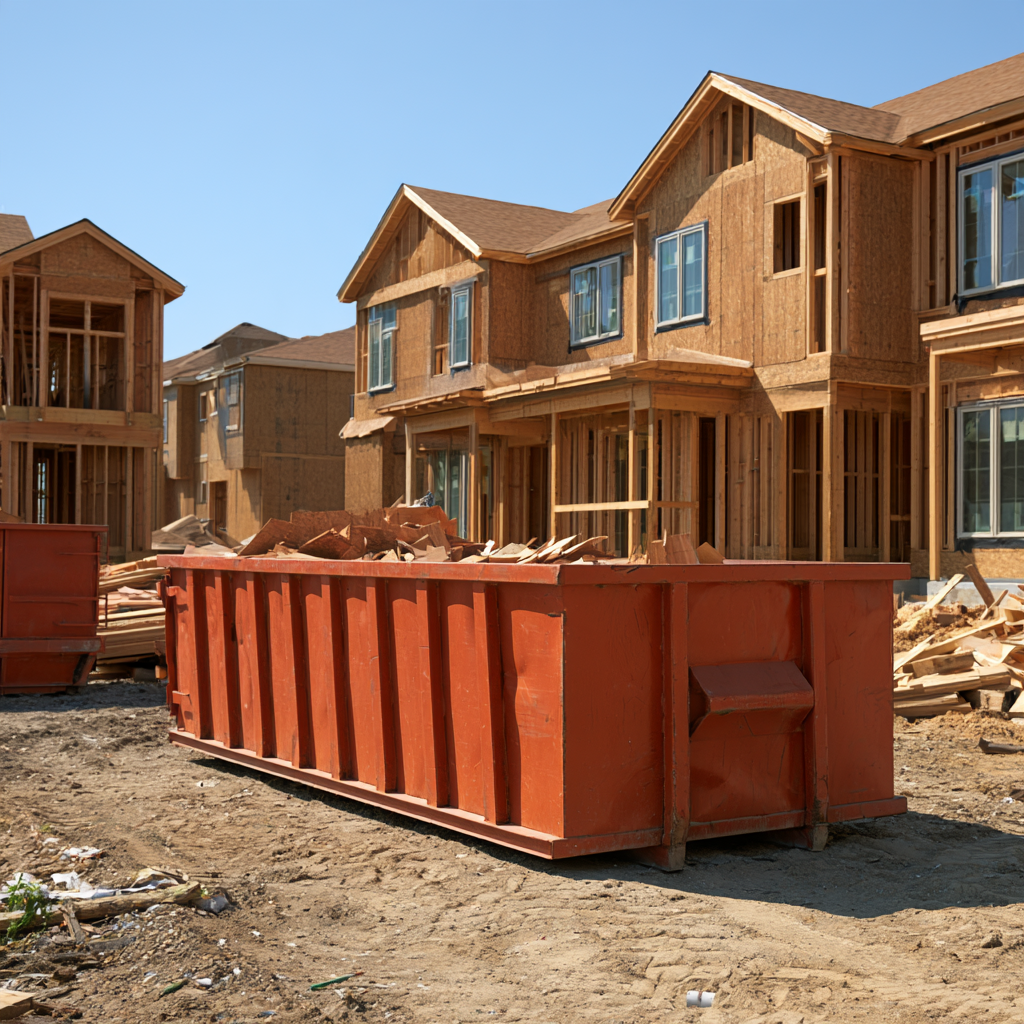
#8. Carpet and Flooring Removal
Flooring replacement projects produce bulky, awkward debris that’s hard to manage without a dedicated container. Common materials include:
- Carpet and padding
- Hardwood and laminate planks
- Tile and grout
- Underlayment
A dumpster keeps this material out of the work area so crews can move through the space efficiently, whether the project covers one room or an entire building.
#9. Kitchen or Bathroom Remodels
Kitchen and bathroom renovations generate a mix of heavy and bulky debris, including old cabinets, countertops, fixtures, tile, and drywall. A dumpster gives you a central place to dispose of it all and helps keep the work area safe.
“Kitchen and bath remodels produce more weight than people expect,” says the Prime Dumpster Pro. “Tile, stone countertops, and cast-iron tubs add up fast, so it’s worth mentioning them when you book.”
#10. Window and Siding Replacements
Replacing windows or siding can improve a home’s energy efficiency and curb appeal. These projects produce bulky materials like old window frames, siding panels, trim, and insulation, and a dumpster helps keep that debris contained and off the lawn.
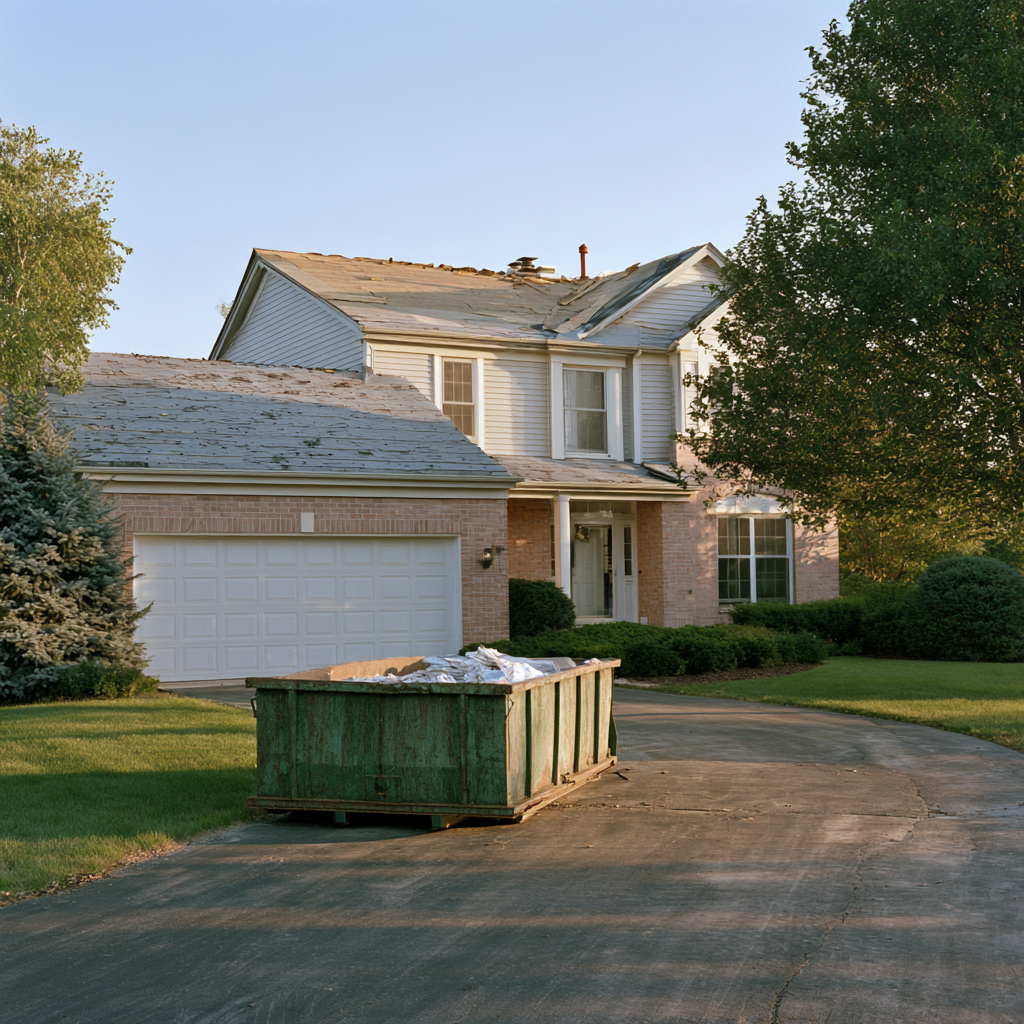
#11. New Construction
New construction projects produce debris throughout every phase, including lumber scraps, drywall, packaging, and other building materials. A dumpster keeps the site organized and helps crews stay focused on building instead of cleanup.
#12. Demolition Projects
Tearing down a shed, deck, garage, or interior walls produces a large amount of debris in a short time. A dumpster gives crews a place to load material as they work, which keeps the site safer and easier to navigate.
Older buildings may contain asbestos, lead paint, or other hazardous materials. These materials are typically prohibited in standard dumpsters and need to be handled by licensed professionals, so it’s important to identify them before demolition begins.
#13. Concrete
Concrete removal projects create heavy, dense debris. Concrete reaches weight limits quickly, even in smaller containers.
A 10-yard dumpster is the standard choice for concrete, because filling a larger container would almost always exceed the weight limit before reaching the volume limit. That can lead to overage fees or a container that can’t be safely transported.
#14. Swimming Pool Removal or Renovation
Removing or renovating a pool can produce soil, concrete, tile, and old pool equipment. A dumpster simplifies cleanup, but because concrete and soil are heavy, these materials are often best kept in a 10-yard dumpster or separated into multiple loads.
#15. Metal
Old fencing, pipes, appliances without refrigerants, and other metal items can take up a lot of space. Setting metal aside for recycling is an environmentally responsible choice and can free up room in your dumpster for other debris.
#16. Large Events
Festivals, concerts, and community events generate significant waste in a short period. Temporary dumpsters placed in convenient locations help keep the grounds clean during and after the event. For help choosing the right container, see this guide on what size dumpster you need for an event.
#17. Warehouse and Commercial Cleanouts
Warehouses and commercial spaces often collect packaging, pallets, broken shelving, and old fixtures over time. A temporary dumpster rental provides a central collection point that keeps the workspace tidy and helps crews clear large areas quickly.
#18. Estate and Rental Property Cleanouts
Clearing out an estate or a rental property between tenants often involves a large volume of mixed items. A dumpster makes it easier to handle:
- Furniture and mattresses
- Household goods and clutter
- Damaged fixtures
- Carpet and flooring
Setting aside items to donate or keep before you start loading helps the cleanout go more smoothly.
#19. Landscaping Projects
Redesigning an outdoor space often means removing old materials before new ones go in. A dumpster helps clear out old sod, landscaping rock, broken pavers, edging, and overgrown shrubs. Heavy materials like rock and stone add weight quickly, so plan your container size around them.
#20. Recyclables
Many projects produce materials that can be recycled, such as cardboard, metal, and clean wood. Separating these items before loading can reduce how much ends up in a landfill and free up space in your container. Ask your provider about options for handling recyclable materials on your project.
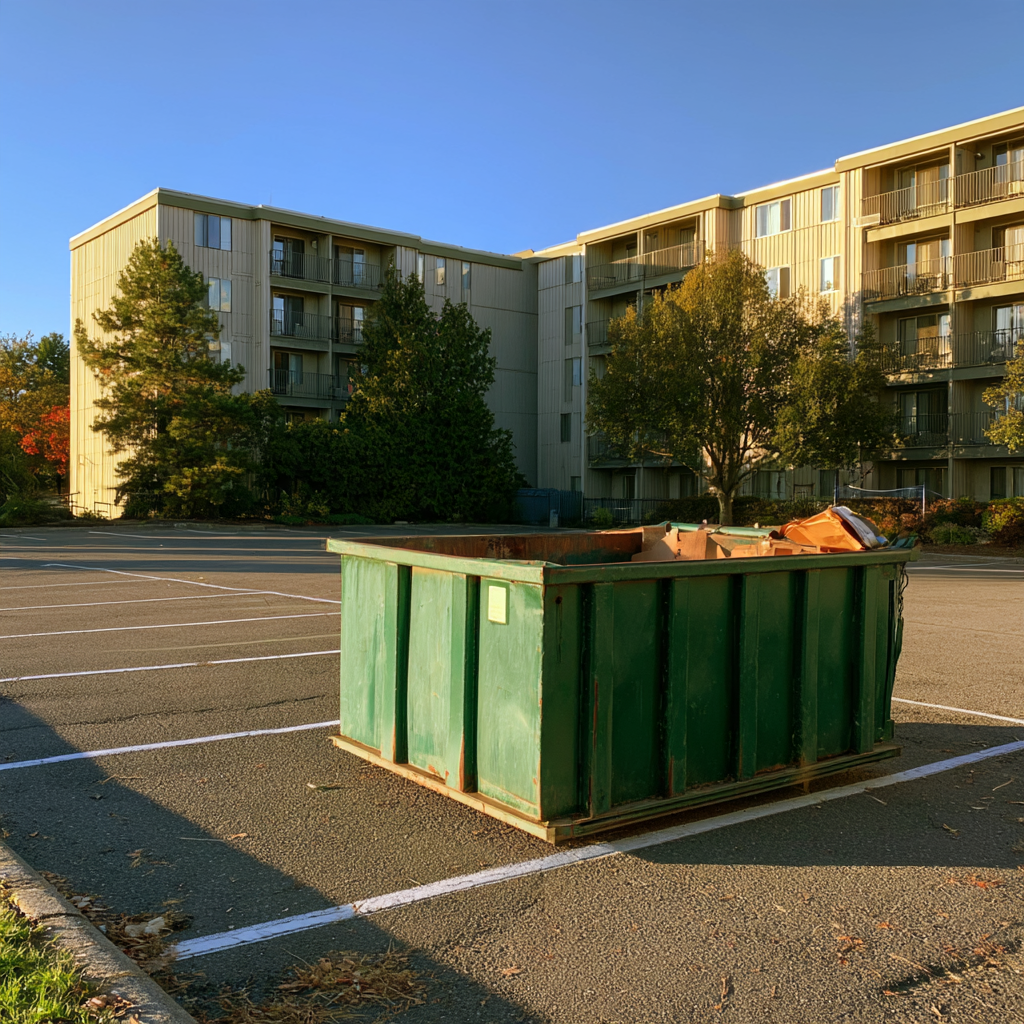
Choosing the Right Dumpster for Your Project
No matter which project you’re tackling, the right container size makes the work easier. Heavy materials like concrete, dirt, and stone need different planning than bulky, lightweight debris, and some materials, such as paint, batteries, tires, and appliances with refrigerants, are typically restricted.
For sizing guides, weight calculators, and more planning tools, visit the Prime Dumpster dumpster rental resource hub.
So Many Uses for a Temporary Dumpster
With so many dumpster rental uses, a temporary container can support almost any home, construction, commercial, or event project. Choosing the right size and planning for heavy or restricted materials helps keep your project clean, safe, and on schedule.
At Prime Dumpster, we’re ready to help you find the right container for your project. Contact our team to request a quote.
If you are looking for 7 Uses of Residential Dumpster Rentals, Click Here
Recent Posts


Follow Us
Have any questions?
+1 844 853 3867
Give us a call today so we can help you find the right waste & sanitation solution for
your project!
Contact Us