
Mon - Sat 7:00 am to 7:00 pm

How to Load a Dumpster: A Complete Guide for Homes and Jobsites
A roll-off dumpster looks simple enough: an open steel box with a door at one end. But how you fill it determines whether everything fits in one haul, whether the load is safe to transport, and whether your project stays on schedule.
Most loading problems come from a few common habits: tossing debris over the side, leaving bulky items whole, and piling heavy material in one corner. Each one wastes space or leaves you with a load that can’t safely leave the site.
At Prime Dumpster, we put together this guide on how to load a dumpster for home cleanouts, remodels, construction jobs, and more. It covers the loading sequence, space-saving techniques, weight limits, and tips for popular project types.
Fast Facts: Loading a Roll-Off Dumpster
Load heavy, flat debris first and spread it evenly across the floor, break down bulky items, fill gaps as you go, and keep the load level and below the fill line.
Here’s a rundown of core loading tips to know for different dumpster rental sizes.
| Dumpster Size | Common Projects | Approximate Weight Capacity | Loading Tip |
| 10-Yard Dumpster | Garage cleanouts, small bathroom remodels, concrete and dirt | Up to 2 tons | The go-to size for heavy debris like concrete, brick, and dirt |
| 15-Yard Dumpster | Kitchen remodels, flooring removal, mid-size cleanouts | Up to 3 tons | Break down cabinets and countertops before loading |
| 20-Yard Dumpster | Multi-room remodels, roofing, deck removal | Up to 3 tons | Lay shingles or decking flat to build a solid base |
| 30-Yard Dumpster | New construction, large renovations, whole-house cleanouts | Up to 4 tons | Stack wall to wall to keep taller loads stable |
| 40-Yard Dumpster | Commercial construction, large cleanouts, bulky debris | Up to 5 tons | Best for bulky, lighter materials that fill space before they reach the weight limit |
Weight capacity may vary by location, so it’s worth confirming the limit for your container before loading starts. Your Prime Dumpster account manager can help you match a size to your debris type and project scope. You can also find sizing guides and weight calculators on our Prime Dumpster dumpster rental resource hub.
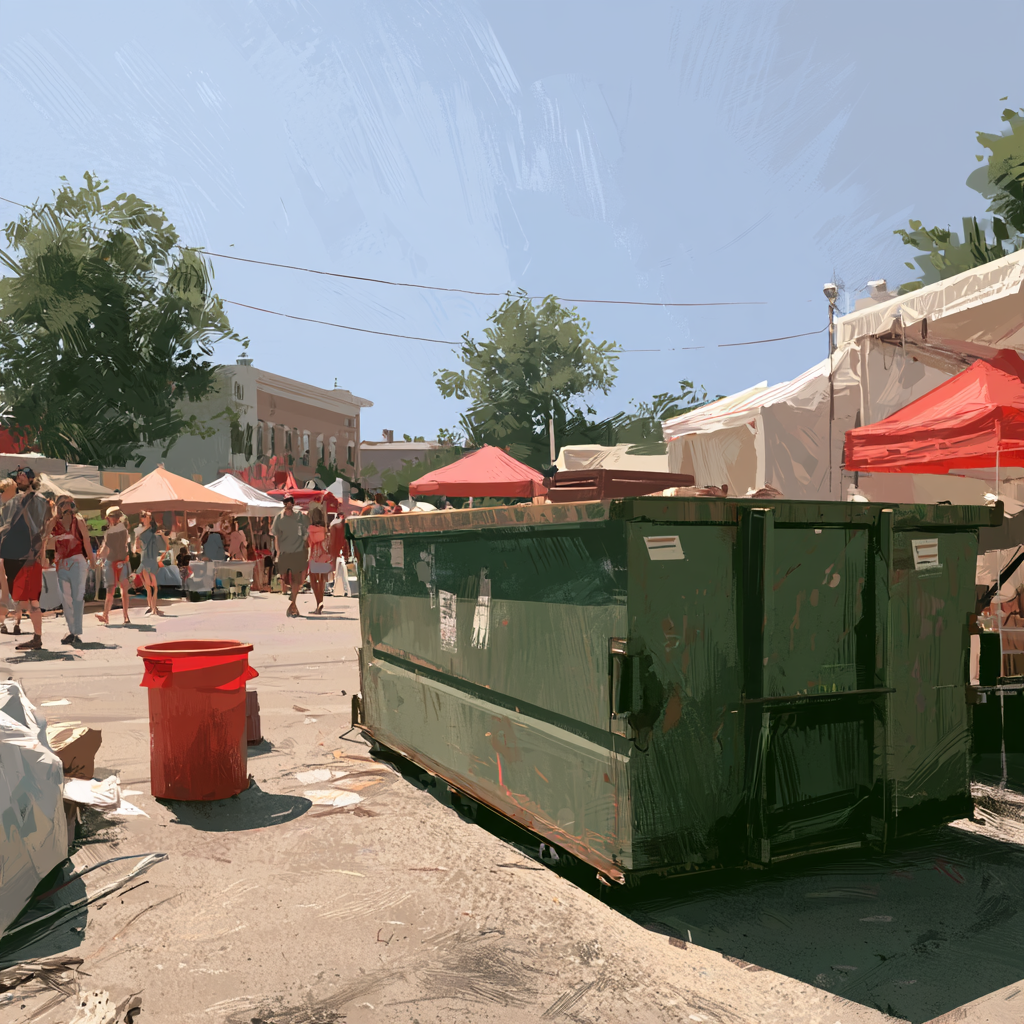
Before You Start Loading
A little prep before the first load makes the whole job faster and safer. Check these items before any debris goes in:
- Pick a firm, level spot: A driveway or packed gravel pad keeps the container stable. Plywood under the rails can help protect paved surfaces.
- Face the door toward the work area: This gives you a shorter, straighter path for heavy and bulky items.
- Clear the drop zone: Move vehicles, trim low branches, and watch for overhead wires before delivery day.
- Open and secure the door: Chain the door open so it can’t swing shut while you’re loading.
- Set up sorting zones: Group heavy, flat, bulky, and small debris so each type is ready when you need it.
- Gear up: Gloves, safety glasses, and steel-toe boots protect you from sharp edges and dropped items.
Taking care of these basics first lets you focus on building a good load instead of fixing problems halfway through.
“Most loading problems start before the first piece of debris goes in,” says the Prime Dumpster Pro. “If the door faces the wrong way or your materials are mixed together in one pile, you’ll spend the whole project working around it.”
Place the dumpster on firm, level ground with the door facing your work area, and sort debris before you start.
Loading Step by Step
The dumpster loading order matters more than almost anything else. The following sequence is the core of how to load a dumpster efficiently, and it works well as a general framework for most projects:
- Start with heavy, flat debris. Walk concrete chunks, brick, plywood, and drywall in through the door and spread them evenly across the floor. Don’t pile them in one spot.
- Work from the far end toward the door. Load the back of the container first so the door stays clear for the next items.
- Stand flat panels along the walls. Old doors, plywood, and paneling set against the sides create a wall-to-wall frame that holds everything else in place.
- Break down bulky items. Take apart furniture, bed frames, and cabinets before loading so they fit together instead of leaving empty pockets.
- Fill gaps and hollow spaces. Tuck smaller debris into gaps between large items and inside hollow objects like drawers and bins.
- Put lighter debris on top. Insulation, cardboard, and bagged trash go last, with a few heavier pieces on top to keep them from blowing out.
- Keep the load level. Finish with an even top surface below the fill line.
Once the door is closed and latched, the container is ready for pickup.
Load heavy, flat items first, build from back to front, and finish with a level top below the fill line.
Getting the Most Space From Your Rental
Every gap in the container is space you’ve paid for but aren’t using. Learning how to maximize dumpster capacity comes down to cutting that empty space without making the load unsafe.
Disassembly makes the biggest difference. A couch with the legs and cushions removed takes up far less room than one tossed in whole. Cardboard should be flattened completely, and plastic bins, buckets, and metal drums can often be cut down or nested inside each other.
Mixing densities helps too. Lighter materials can fill the gaps around heavier objects instead of stacking in their own loose layer. It’s also worth pausing every so often to look at the load and plan the next few items instead of loading as fast as you can.
“You want to pack the container like a puzzle, not a pile,” says the Prime Dumpster Pro. “Five minutes of breaking things down saves more space than an hour of rearranging a messy load.”
Break down bulky items, nest hollow objects, and fill gaps with lighter debris to use every bit of space.
Weight Limits and the Fill Line
Knowing how to load a roll-off dumpster also means knowing when to stop. Every container has two limits: how much it can hold by volume and how much it can safely carry by weight.
The dumpster fill line marks the volume limit. It’s usually the top edge of the side walls. Debris sticking out above the rim can fall off during transport, so an overfilled container can’t be hauled until the extra material is removed.
Weight is the limit people tend to overlook. Dense materials like concrete, brick, dirt, and wet roofing shingles can reach the weight limit long before the container looks full. For this reason, heavy materials like concrete typically go in 10-yard dumpsters, where a smaller volume keeps the load within safe hauling weight.
Keep debris level and below the top of the side walls, and plan for weight as well as volume with dense materials.
What Can’t Go in a Roll-Off Dumpster
Some materials can’t go in a standard dumpster because they need special handling or can harm people and the environment. Common restricted items include paint, solvents, batteries, tires, and appliances with refrigerants.
Many restricted items fall under the EPA’s definition of hazardous waste, which covers materials that are ignitable, corrosive, reactive, or toxic. Local rules vary, so check with your city or county about disposal sites and household hazardous waste collection days.
Keep hazardous materials, batteries, tires, and refrigerant appliances out of the container, and check local disposal rules. For a complete breakdown, see what you can’t throw in a rented dumpster.
Loading Tips by Project Type
The basic loading sequence works for every project, but each type of job has its own challenges. These tips cover the most common ones.
Homeowners: Cleanouts and Remodels
Most people learning how to load a dumpster at home are dealing with a mix of furniture, boxes, and remodeling debris. Start with the heaviest items, like old tile, drywall, or broken-down cabinets, and spread them across the floor.
Furniture should be taken apart before it goes in. Boxes of household items can fill the gaps around larger pieces. If kids or neighbors are around, keep the door closed and latched when you’re not actively loading.
Construction and Renovation Crews
On jobsites, loading works best when everyone follows the same rules. Post a short list near the container showing what goes in and what stays out, and assign one person to check the load each day.
OSHA’s construction standard for waste disposal requires scrap and debris to be removed from the immediate work area as work progresses. It also calls for enclosed chutes when material is dropped more than 20 feet outside a building’s exterior walls. On larger projects, scheduling swaps before a container fills up keeps crews from stacking debris on the ground while they wait. For a shorter version, see How to Load a Roll Off Dumpster in 5 Steps.
We have more help in our How to Renovate a House guide.
Roofing, Concrete, and Heavy Debris
Heavy debris needs extra attention to weight. Spread shingles, concrete, and brick in even layers rather than dumping them in one spot, since concentrated weight can make the container unstable during pickup.
Separate loads for heavy materials often work better than mixing them with lighter debris. This makes it easier to stay under the weight limit, and some disposal sites handle clean concrete or dirt separately from mixed waste.
Yard Waste and Landscaping
Branches and brush leave a lot of air space if they go in whole. Cut limbs into shorter lengths and lay them flat in the same direction so they stack tightly.
Leaves, clippings, and small debris can fill the gaps between branches. Wet yard waste weighs more than dry, so keep weight in mind after rain.
Business and Commercial Cleanouts
Office and retail cleanouts often involve desks, shelving, and fixtures that come apart easily with basic tools. Breaking them down saves a lot of space, especially with modular furniture.
Electronics like computers and monitors often need separate recycling, so set them aside before loading.
Adjust your loading approach to your debris type, especially for heavy materials, bulky furniture, and yard waste.
Loading Tips by Dumpster Size
“The basics of loading stay the same no matter what size you rent, but each container has its own quirks,” says the Prime Dumpster Pro. “Smaller dumpsters tend to hit their weight limit before they’re full, while larger ones give you more room for bulky debris but make heavy materials harder to manage.”
10-Yard Dumpster
The 10-yard dumpster is often the go-to choice for dense materials like concrete, dirt, brick, or roofing shingles, because heavy debris typically reaches the weight allowance well before it fills the container. Spread heavy materials evenly across the floor rather than piling them in one spot, and check your weight allowance with your rental provider before loading.
15-Yard Dumpster
A 15-yard dumpster works well for mid-sized projects like bathroom remodels, garage cleanouts, and smaller roofing jobs, where you’ll have a mix of heavy and bulky debris. Load heavier materials first, then layer lighter items on top, and break down furniture or cabinets so they don’t eat up space you’ll need later in the project.
20-Yard Dumpster
The 20-yard dumpster is one of the most popular sizes for whole-room renovations, flooring removal, and larger cleanouts, so it often takes on a wide variety of materials. If your project includes dense debris like tile, plaster, or shingles, keep an eye on weight as you load, since a 20-yard container can reach its limit before the debris reaches the fill line.
30-Yard Dumpster
A 30-yard dumpster has taller walls that make it well suited for bulky, lighter debris from major renovations, new construction, and large cleanouts. Use the rear door to walk or wheel in large items rather than lifting them over the sides, and avoid filling it with heavy materials like concrete or dirt, which can quickly push the load past its weight allowance.
40-Yard Dumpster
The 40-yard dumpster offers the most space and the tallest walls, making it best for high-volume, lightweight debris from demolition, commercial cleanouts, and large construction projects. Load the largest items through the door first and build toward the back, keeping the load level and below the fill line, since high walls make it easy to overfill without noticing.
Dumpster Loading Safety
A roll-off container holds heavy, shifting material, so safety should come first on every project. Keep these points in mind:
- Protective gear: Wear gloves, safety glasses, and steel-toe boots every time you load.
- Lifting: Bend at the knees, keep the load close to your body, and get help with anything too heavy to lift alone.
- Staying out: Don’t climb on the walls or stand on the load, since debris can shift without warning.
- Door safety: Keep the door chained open while loading and latched shut when you’re done.
- Throwing: Don’t throw items from above shoulder height or toss debris over the side toward other people.
These habits prevent the most common loading injuries and keep the area safe for everyone nearby.
Wear protective gear, lift with your legs, and stay off the load and the container walls.
Dumpster Loading Do’s and Don’ts
A quick checklist makes it easy to catch mistakes before they cost you space or time. These tips oh how to load a dumpster cover the habits that matter most.
| Do | Don’t |
| Spread heavy debris evenly across the floor | Pile heavy material in one corner |
| Break down furniture and flatten boxes | Load bulky items whole |
| Walk large items in through the door | Throw debris over the side walls |
| Fill gaps and hollow spaces as you go | Leave empty pockets under large items |
| Keep the load level and below the top of the walls | Stack debris above the rim |
| Keep hazardous materials out | Hide restricted items under other debris |
| Chain the door open while loading | Leave the door swinging free |
Checking the load against this list once or twice a day keeps most problems from growing. A container that’s loaded right the first time is ready for pickup as soon as you’re done.

Ask the Prime Dumpster Pros
We asked our Prime Dumpster Pros to help answer the most common questions we hear from clients about how to load a roll-off dumpster.
Can I Climb Into the Dumpster to Pack Debris Down?
No. Debris can shift or collapse under your weight, and sharp objects are often hidden under the surface. It’s safer to break items down before loading and arrange them from the door.
What Should Go in First?
The heaviest, flattest materials should go in first. Concrete, brick, plywood, and drywall make a stable base when they’re spread evenly across the floor.
How Full Is Too Full?
Anything above the top of the side walls is too full. The load should be level with or below the rim so nothing can fall off during transport.
Can I Mix Concrete With Household Junk?
It’s usually better to keep heavy materials like concrete separate. Mixing makes it harder to track weight, and a small amount of concrete can push a load over its limit quickly.
What If I Run Out of Room?
Stop loading once you reach the top of the walls and talk with your account manager about a swap or a second container. Overfilling to squeeze in a little more usually causes more trouble than it saves.
Load Smarter From Start to Finish
Knowing how to load a dumpster helps you fit more in each haul, stay within weight limits, and keep everyone safe on site. A solid base, broken-down items, and a level top make a big difference on any project.
At Prime Dumpster, we’re ready to help you choose the right size and plan a smooth project from delivery to pickup. Contact our team to get started.
If you are looking for Environmental Benefits of Temporary Dumpster Rentals Near You, Click Here
Recent Posts


Follow Us
Have any questions?
+1 844 853 3867
Give us a call today so we can help you find the right waste & sanitation solution for
your project!
Contact Us