
Mon - Sat 7:00 am to 7:00 pm

10 Questions to Ask Before Renting a Dumpster in Tampa, FL
Renting a dumpster in Tampa goes more smoothly when the right questions are asked before booking day. Permit requirements, debris restrictions, and pricing structures all vary enough across the Tampa Bay area that a little preparation up front prevents most of the common problems renters run into.
Prime Dumpster coordinates roll-off dumpster rentals across Tampa and the surrounding Hillsborough County area for home renovations, construction projects, cleanouts, and commercial work. We put together this guide to answer the questions about dumpster rental Tampa FL renters and contractors ask most often before getting started.
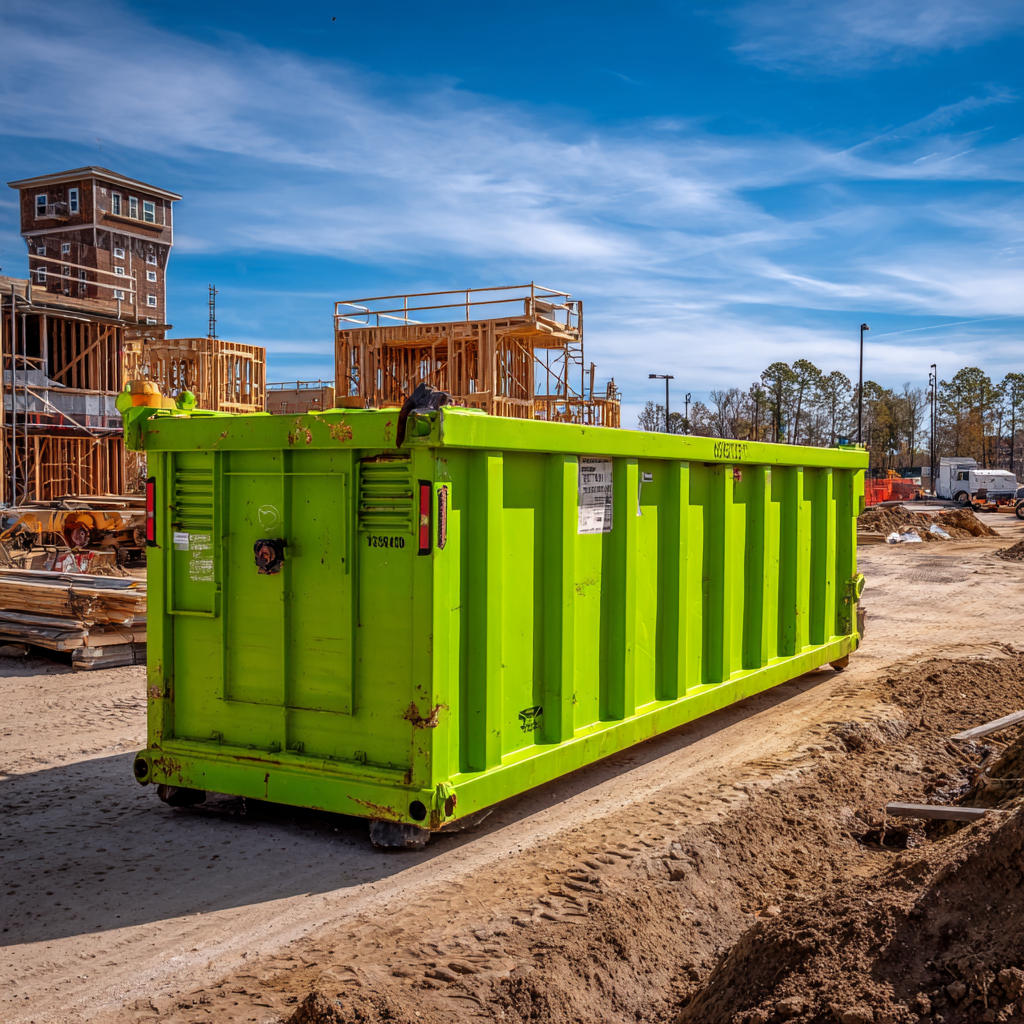
Questions to Ask Yourself Before You Book
Before calling a provider, a few minutes of assessment about your project can save significant time and money. These five questions help narrow down the right container, timeline, and placement approach for your specific situation.
1. How Much Debris Will My Project Generate?
Estimating debris volume before choosing a container size is the single most important step in the rental process. Most renters underestimate how quickly debris accumulates once demolition or cleanout work begins.
A single-room renovation can fill a 15-yard container faster than expected once flooring, drywall, and fixtures pile up together. When in doubt, sizing up slightly costs less than arranging a second haul mid-project.
However, keep in mind that larger sizes aren’t always an option. Heavy materials like concrete typically need 10-yard dumpster limits due to the weight limits.
2. What Type of Materials Am I Throwing Away?
Debris type affects both container size and total rental cost. Heavy materials including concrete, brick, masonry, and asphalt require a dedicated 10-yard dumpster regardless of overall project size.
Putting heavy materials into a larger container doesn’t increase the weight limit. It just means hitting that limit before the container appears full and paying overage fees that could have been avoided from the start.
Florida regulations also prohibit certain items from standard roll-off containers. Electronics, tires, batteries, appliances containing refrigerants, and hazardous liquids all require separate disposal outside of a standard rental.
3. How Long Will My Project Take?
Matching the rental period to the actual project timeline keeps costs predictable. Most standard rentals cover five to seven days, which works well for cleanouts and shorter renovation phases.
Longer projects benefit from discussing extended rental terms upfront rather than requesting extensions after delivery. Extension fees vary by provider, and knowing the daily rate for additional days before booking gives a clearer picture of total cost if the timeline shifts.
4. Where Will the Dumpster Go?
Placement location determines both logistics and permit requirements. A container placed entirely on private property, such as a driveway or job site lot, generally does not require a city permit in Tampa or Hillsborough County.
Street or sidewalk placement is a different situation. HOA communities across Tampa Bay add another layer of rules around placement location, container screening, and rental duration that go beyond city requirements. Checking with the HOA before booking prevents conflicts that can force a container to be moved mid-project.
5. Do I Need a Permit in Tampa?
Any container placed on a public street or sidewalk in Tampa requires a permit from the City of Tampa. The permit must be in place before the container is delivered, not after.
Requirements vary across the Tampa Bay area. Placement in unincorporated Hillsborough County, St. Petersburg, or Clearwater falls under those jurisdictions’ own permitting rules. Confirming which entity has authority over your specific address before booking prevents applying to the wrong agency and missing the delivery window.
Questions to Ask Your Dumpster Rental Provider
The right provider makes the rental process straightforward. These five questions help identify a trustworthy company and clarify the details that affect both cost and logistics before any commitment is made. If your project is in Tampa, you can see local sizes, pricing and permit details on our dumpster rental in Tampa, FL page.
6. What Is Included in the Base Price?
A reliable quote covers the base rental rate, weight allowance, delivery fee, and pickup cost. Vague quotes that list only a single number leave room for charges that appear after the container is already on site.
Ask specifically what triggers additional fees before confirming a booking. Fuel surcharges, environmental fees, and overage charges are common add-ons that some providers bundle into the base rate and others list separately. Knowing which approach a provider uses makes comparison shopping more accurate.
7. What Are Your Weight Limits and Overage Fees?
Every roll-off container has a weight limit built into the base rental price. Exceeding that limit results in overage fees charged per ton, and those charges can add up quickly on projects involving heavy debris.
Ask for the specific weight allowance and the per-ton overage rate before booking. A provider that answers those questions clearly and upfront is one that prioritizes transparency over surprise charges at the end of the rental.
8. What Items Are Not Allowed in the Dumpster?
Prohibited items lists vary slightly between providers, but Florida state regulations set a baseline that applies across the board. Tires, batteries, electronics, appliances containing refrigerants, paint, and hazardous liquids cannot enter a standard roll-off container.
A trustworthy provider walks through the prohibited items list before delivery rather than flagging violations after the container is picked up. Knowing what can’t go in the container before loading begins prevents disposal fees that show up on the final invoice.
9. How Flexible Is Your Scheduling?
Project timelines shift. A provider that can adjust delivery and pickup windows around those changes causes far less disruption than one locked into rigid scheduling.
Ask specifically about the process for extending a rental, rescheduling a pickup, or requesting an early swap. A provider with clear, straightforward answers to those questions is one that has thought through the customer experience beyond the initial booking call.
10. How Quickly Can You Deliver?
Lead times in the Tampa market vary depending on the season and current container availability. Spring and fall renovation seasons tighten availability across the bay area and can push delivery windows out further than renters expect.
Ask about current lead times and whether same-day or next-day delivery is available for your project dates. A provider that gives a direct, honest answer about availability, even when that answer isn’t ideal, is more reliable than one that overpromises and underdelivers on the day the container is supposed to arrive.
Find the Right Dumpster Rental in Tampa, FL
Asking the right dumpster rental Tampa FL questions before booking makes the difference between a rental that runs smoothly and one that creates avoidable complications. From sizing and debris type to permit requirements and provider transparency, the details sorted out before delivery day are the ones that matter most. Contact our team to get a quote and talk through the specifics of your Tampa project.
If you are looking for Your Complete Guide to Mobile, Alabama by Industry, Click Here
Recent Posts


Follow Us
Have any questions?
+1 844 853 3867
Give us a call today so we can help you find the right waste & sanitation solution for
your project!
Contact Us