
Mon - Sat 7:00 am to 7:00 pm
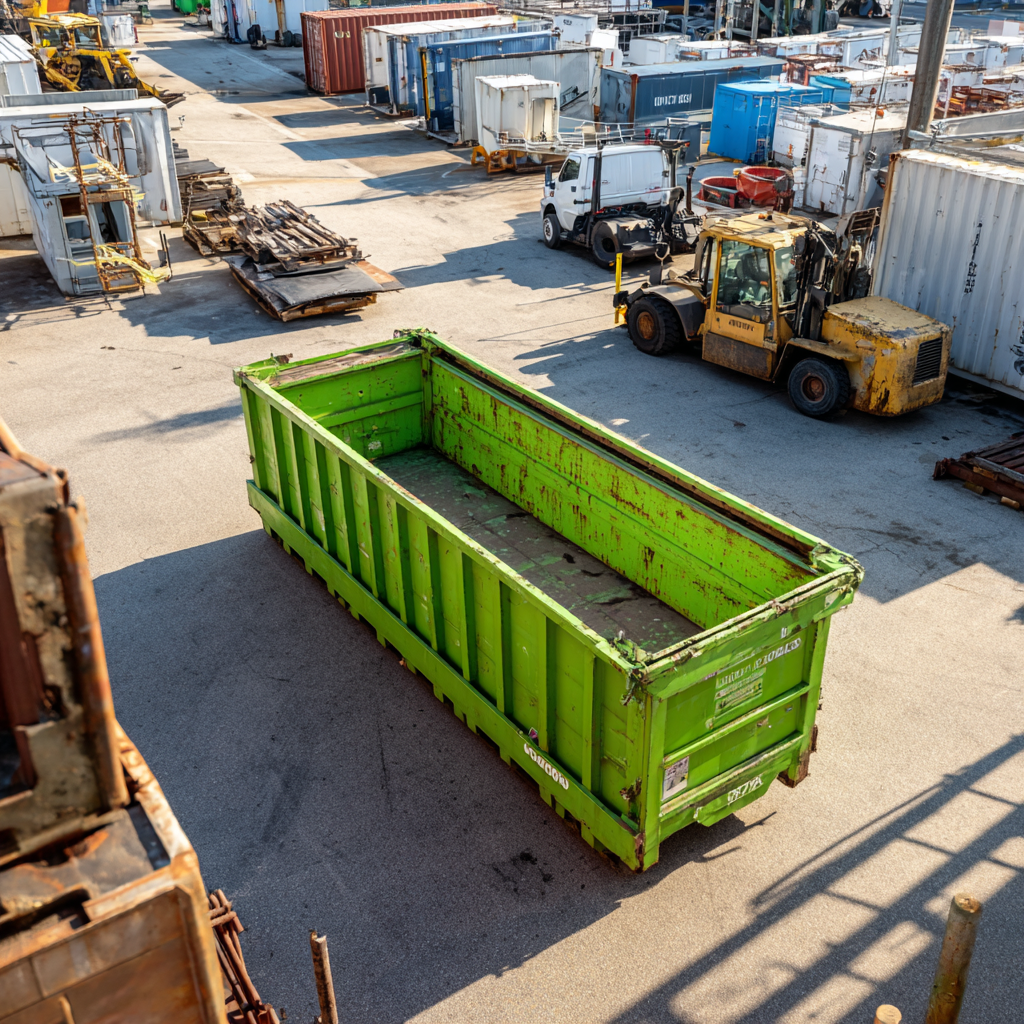
Your Complete Guide to Mobile, Alabama by Industry
Mobile is one of the Gulf South’s most economically diverse cities. Its working port, growing aerospace sector, historic neighborhoods, and Gulf Coast location create a dumpster rental market that spans industrial-scale projects, hurricane recovery, Mardi Gras events, and everything in between. No two projects here look quite the same.
Prime Dumpster coordinates roll-off dumpster rentals across the Mobile area for residential renovations, commercial construction, industrial maintenance, and disaster recovery. We put together this guide to walk you through the most important elements to know for each project type in this market.
Fast Facts: Dumpster Rental in Mobile, AL
“Mobile has a project mix you don’t see in most markets,” says the Prime Dumpster Pro. “Port work, aerospace construction, historic home renovations, and storm recovery all create different container needs, and getting those details right from the start saves real time and money.”
Ready to rent a dumpster in the Mobile, AL, 36608 area? Here’s a quick look at how each standard container size fits into common Mobile-area projects.
- A 10-yard dumpster is the right choice for concrete removal, heavy masonry debris, and any project where weight rather than volume drives the sizing decision.
- A 15-yard dumpster works well for single-room renovations, garage cleanouts, and moderate amounts of mixed light debris.
- A 20-yard dumpster suits roofing tear-offs, multi-room renovation projects, estate cleanouts, and moderate storm debris loads.
- A 30-yard dumpster fits large residential renovations, commercial construction scopes, and sustained industrial maintenance work.
- A 40-yard dumpster handles major demolition, large-scale new construction, and high-volume hurricane recovery across the Mobile metro.
Container selection depends on both debris volume and debris type, and those two factors don’t always point to the same size.
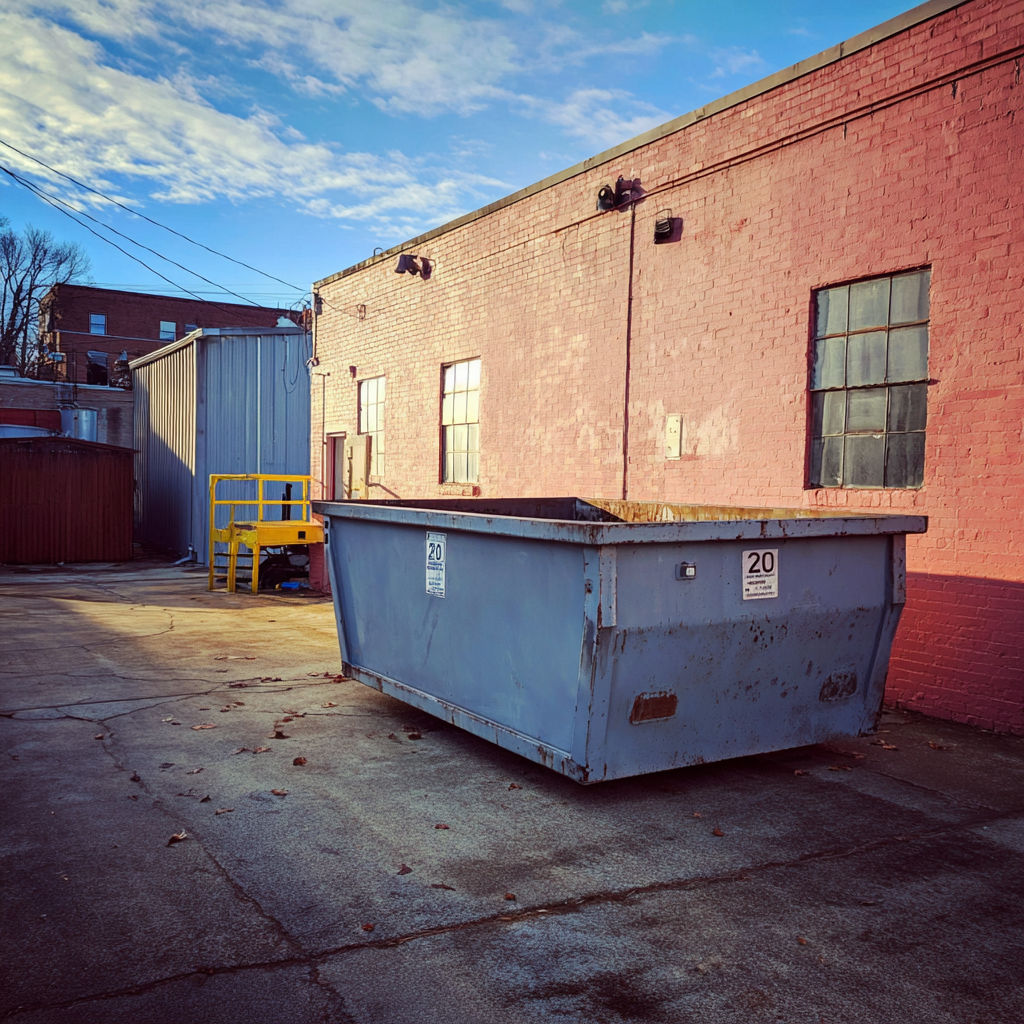
Dumpster Rental Basics in Mobile
Whether the project is a small residential cleanout or a large industrial job, the fundamentals of renting a roll-off dumpster in Mobile come down to three decisions: size, cost, and placement.
Choosing the Right Size
Project scope and debris type together determine the right container size. Volume matters, but weight matters just as much. A renovation generating moderate amounts of mixed debris calls for a different container than one involving concrete removal or waterlogged storm materials.
Heavy materials, including concrete, brick, masonry, and asphalt, require a dedicated 10-yard dumpster regardless of overall project scale. Placing those materials in a larger container doesn’t increase the weight allowance. It just means hitting the limit before the container appears full and paying avoidable overage fees.
Pricing and What Affects Your Cost
Base pricing in Mobile follows standard roll-off rental structure, with container size driving the starting rate. Several local factors influence total cost beyond the base price. Debris weight, distance from Mobile County disposal facilities, rental duration, and seasonal demand all affect what a rental ultimately costs.
Hurricane season creates predictable demand surges that push prices up and tighten availability across the metro. Projects that can be scheduled outside peak storm recovery windows typically see better pricing and more flexible delivery options. Booking in advance rather than reactively is the single most reliable way to control cost in this market.
Permits and Placement in Mobile
The City of Mobile requires a permit for any dumpster placed on a public right-of-way, including streets, sidewalks, or other public property. Permits are issued by the City of Mobile’s Traffic Engineering Department at 205 Government St, reachable at (251) 208-2960. Containers placed entirely on private property do not require a permit.
Placement rules for permitted street placement in Mobile include:
- The container must not block fire hydrants, emergency access routes, or travel lanes
- Reflective markers are required on street-facing sides of the container
- The container must stay clear of intersections and crosswalks
Projects in surrounding municipalities including Saraland, Prichard, and Tillman’s Corner fall under those jurisdictions’ own rules. Work within Mobile County’s public right-of-way requires a separate permit application submitted to the Mobile County Engineering Office, reachable at (251) 574-4030.
Mobile Industries and Project Types
Mobile’s industrial base is one of the most diverse on the Gulf Coast, and each sector comes with its own dumpster rental logistics.
Port and Maritime Projects
The Port of Mobile ranks among the Gulf Coast’s most active shipping hubs, and the construction, repair, and logistics work surrounding it generates steady roll-off container demand throughout the year. Shipbuilding facilities, warehouse construction along the waterfront corridor, and infrastructure projects tied to port expansion all require container service built around the rhythms of an active freight operation.
“Port job sites operate on schedules that most contractors aren’t used to working around,” says the Prime Dumpster Pro. “Crane operations, active loading zones, and shift rotations all dictate when a container can be placed or picked up, and coordinating those details before booking rather than after makes a significant difference.”
Containers on working waterfront sites need to stay clear of active equipment paths and freight staging areas throughout the rental period. Identifying viable placement zones with the site logistics team ahead of delivery keeps the container accessible to work crews without creating interference with ongoing port operations.
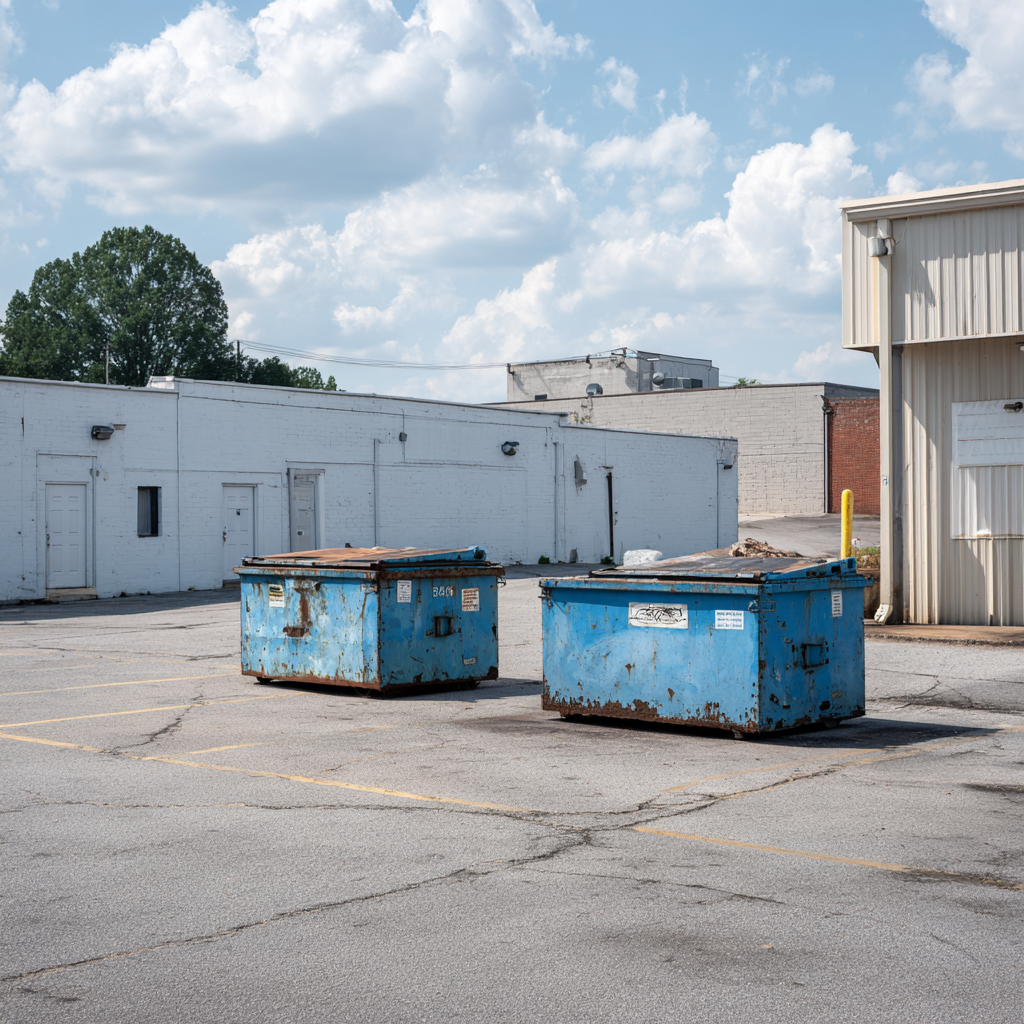
Airbus and Aerospace Manufacturing
Mobile’s Airbus manufacturing facility and the growing aerospace supply chain surrounding it have brought significant construction and facility maintenance activity to the region. Large-scale industrial construction, facility fit-outs, and ongoing maintenance work all generate debris streams that require container logistics coordinated around active manufacturing environments.
Safety protocols at aerospace facilities govern where equipment can be staged, and roll-off containers are no exception. Confirming placement zones with the facility’s safety and operations team before delivery prevents compliance issues that delay project timelines. A 30 or 40-yard dumpster on a planned rotation schedule handles most large-scope aerospace facility construction without requiring reactive arrangements mid-project.
Industrial and Chemical Facility Maintenance
The Mobile River industrial corridor is home to chemical plants, manufacturing facilities, and heavy industrial operations that generate non-hazardous maintenance debris across regular turnaround and upkeep cycles. These projects require container placement that accounts for exclusion zones, active process equipment, and facility safety requirements.
Regulated materials, including liquid waste, chemical containers, and hazardous substances cannot enter a standard roll-off container under any circumstances. Non-hazardous construction and maintenance debris, including insulation, packaging, structural materials, and general facility waste can go into a standard container on a planned rotation schedule. Identifying and segregating regulated materials before container delivery is a required step on any compliant industrial job site.
Healthcare and Institutional Projects
Mobile’s healthcare sector includes major hospital campuses and medical facilities that generate renovation and construction waste across ongoing capital improvement projects. Patient access routes, ambulance lanes, and infection control requirements all restrict where debris can be staged during active work periods.
The University of South Alabama and Spring Hill College both generate periodic construction and renovation waste across campus improvement projects. Container placement on institutional campuses requires coordination with facilities operations teams well before delivery day. A container positioned without accounting for pedestrian traffic patterns and emergency access routes creates compliance issues that are harder to resolve after delivery than before it.
Residential and Neighborhood Projects
Mobile’s residential market ranges from historic inner-city neighborhoods to established suburban corridors, and each comes with its own set of container logistics considerations.
Historic District Renovations
Mobile’s historic neighborhoods, including Midtown, Old Dauphin Way, and sections of Downtown, feature older residential streetscapes where tight lot lines, canopy trees, and mature pavement create placement challenges that newer suburban neighborhoods don’t present. Delivery truck access often requires more advance planning than the project itself.
“Older neighborhoods in Mobile can be tricky for delivery logistics,” says the Prime Dumpster Pro. “Low-hanging branches, narrow street widths, and driveways that weren’t built to support a loaded container are all things worth checking before scheduling a drop-off.”
Renovation work in these areas also generates debris types that require separate handling. Materials common in pre-1980 construction, including those containing lead or asbestos, fall outside the scope of a standard roll-off and require licensed abatement before demolition proceeds. Identifying those materials during the project planning phase prevents compliance problems that can stall a renovation after work has already begun.
Older Housing Stock and General Renovation
Mobile’s established residential neighborhoods contain a high proportion of older homes undergoing renovation as the city’s housing market grows. Kitchen and bathroom remodels, roof replacements, and full interior updates all generate debris volumes that vary significantly based on the age and construction type of the home.
A 20-yard dumpster handles most single-family renovation scopes in Mobile’s established neighborhoods. Projects generating concrete, brick, or masonry need a dedicated 10-yard unit for those materials regardless of what else the project produces. Sizing up slightly on the general debris container costs less than arranging a second haul when a container fills unexpectedly mid-project.
Post-Storm Recovery and Debris Removal
Major storms produce debris volumes that accumulate faster than most homeowners and contractors anticipate. Damaged roofing, structural framing, interior contents, and exterior materials all come down at once, and recovery work moves faster when containers are already in place rather than ordered after the fact.
Common debris categories in Mobile-area storm recovery projects include:
- Roofing materials including shingles, felt, and structural decking
- Waterlogged interior materials such as drywall, flooring, and insulation
- Exterior debris including damaged siding, fencing, and window assemblies
Saturated materials weigh significantly more than their dry equivalents, which changes both sizing and weight limit calculations. Keeping a dedicated 10-yard dumpster for heavy waterlogged debris alongside a larger container for general storm waste prevents overweight fees and keeps the recovery moving without logistical interruptions.
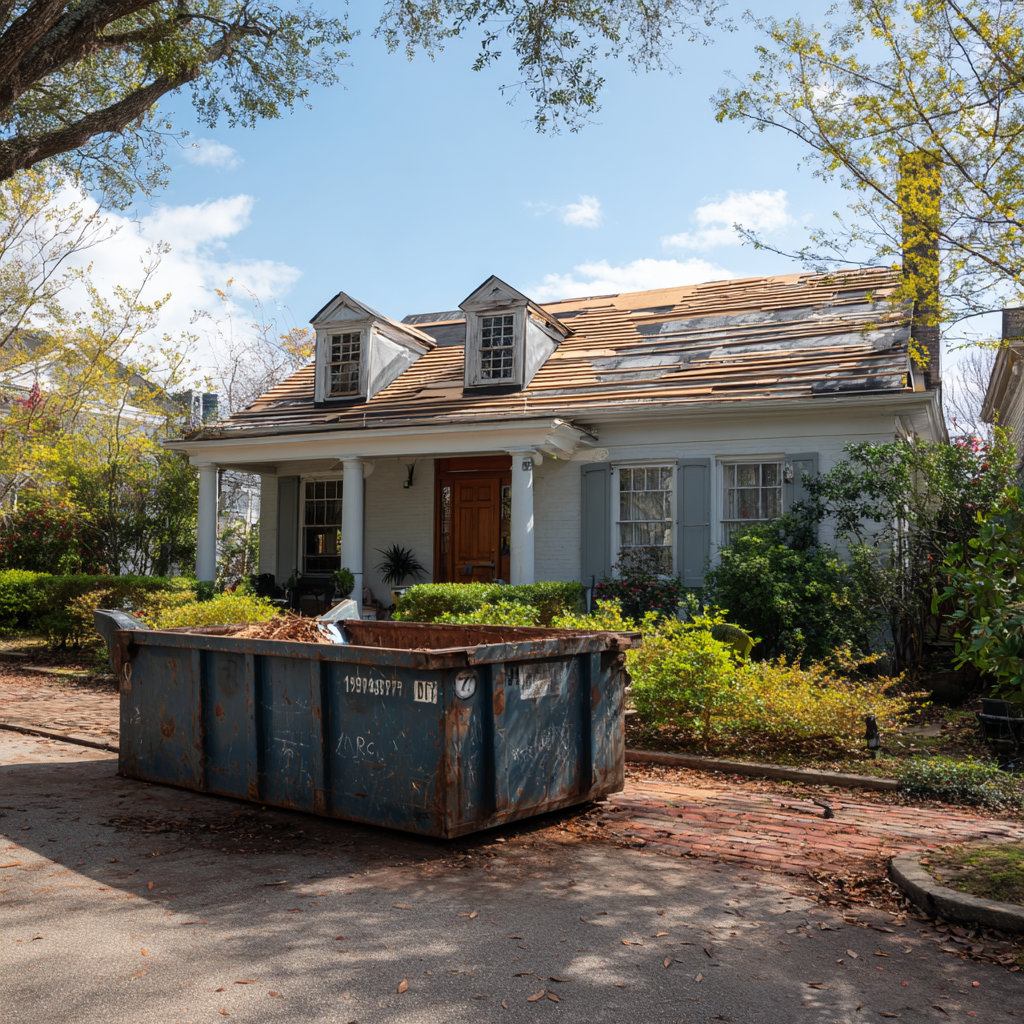
Events and Seasonal Considerations
Mobile’s Gulf Coast location and cultural calendar create seasonal dumpster rental patterns that differ significantly from inland markets.
Mardi Gras and Large Outdoor Events
Mobile is the birthplace of American Mardi Gras, and the city’s parade season generates substantial waste across parade routes, public gathering areas, and vendor zones throughout the celebration. Large outdoor events in Mobile require container placement coordinated with city event permitting and public works well in advance of the event date.
Effective waste management across large Mobile events typically involves:
- Staging containers at primary waste generation points before the event opens
- Scheduling mid-event pickups at high-traffic vendor and concession zones
- Confirming right-of-way permit requirements with the City of Mobile’s Traffic Engineering Department before booking
Booking containers several weeks ahead of fixed event dates secures availability before demand tightens across the city’s busy event calendar. A combination of 20 and 30-yard containers distributed across multiple waste generation zones handles large-event volume more effectively than a single large unit at one location.
Learn more here: Dumpster Rental for Mardi Gras in Mobile, AL.
Hurricane Season Preparation and Recovery
Mobile’s position along the Gulf Coast means hurricane season is a recurring operational reality rather than an occasional event. Container demand spikes immediately after storm landfalls, and availability across the metro tightens within hours as homeowners, contractors, and municipalities all seek service at the same time.
“The renters who navigate storm recovery most efficiently are the ones who already have a provider relationship in place before the season starts,” says the Prime Dumpster Pro. “When a storm makes landfall and everyone needs containers the same week, the people who called in advance are typically the ones who find available rentals.”
Building a provider relationship before June and communicating project needs early gives both homeowners and contractors a meaningful advantage when recovery windows are short and competition for available containers is high. A 30 or 40-yard dumpster handles general storm debris on most residential recovery projects, with a separate smaller unit reserved for heavy saturated materials.
Flooding Recovery Along Mobile Bay
Low-lying areas near Mobile Bay and the Mobile River delta are prone to flooding independent of hurricane events, and flood recovery generates its own distinct set of debris management challenges. Waterlogged building materials, saturated contents, and flood-damaged fixtures all produce heavier debris loads than their dry equivalents.
Soft or saturated ground following a flood event creates placement challenges that don’t exist on standard job sites. Protective boards or steel plates under the container distribute weight and prevent sinking on ground that hasn’t fully dried. Confirming ground conditions at the placement site before scheduling delivery prevents a failed drop-off on a time-sensitive recovery project.
Plan Your Mobile Dumpster Rental in Advance
Mobile’s project mix spans a wider range of industries, environments, and seasonal variables than most Gulf Coast markets. Our guide to dumpster rental in Mobile, Alabama, is here to help — and so is our team! Contact our team to get a quote and coordinate roll-off container service for your Mobile project. We’re ready with custom solutions to fit your needs and budget.
If you are looking for Dumpster Rental for Film Production in Atlanta, GA, Click Here
Recent Posts


Follow Us
Have any questions?
+1 844 853 3867
Give us a call today so we can help you find the right waste & sanitation solution for
your project!
Contact Us