
Mon - Sat 7:00 am to 7:00 pm
When Should I Rent a 40 Yard Dumpster?
Ever faced a massive pile of debris and thought, “How do I tackle this?” Whether it’s a home renovation, construction project, or commercial cleanup, a 40-yard dumpster might be your best ally. These heavy-duty containers handle large-scale waste efficiently.
Bigger isn’t always better, though. Before choosing one, consider space, weight limits, and costs. We’ll break down the best scenarios for using these giants—so you make the right call.
From demolishing old structures to clearing out entire properties, this Prime Dumpster guide covers it all. Let’s look into when a 40-yard dumpster makes sense for your project.
Fast Facts: 40-Yard Dumpster Power Specifications
Heavy-duty projects demand maximum capacity solutions with careful planning considerations. Here’s what to know about rented 40-yard dumpsters.
- Maximum Dimensions: Extends 22 feet long, 8 feet wide, and stands 8 feet tall for substantial loading capacity. Requires significant placement space but accommodates even the largest debris items.
- Superior Capacity: Contains 40 cubic yards equivalent to 12-16 pickup truck loads or 240+ trash bags. Handles large roofing tear-offs, typically about 23 to 40 squares of single-layer asphalt shingles before reaching its weight limit, along with full garage cleanouts.
- Project Scale Indicators: Essential when debris volume exceeds 30 cubic yards or projects involve multiple work crews. Ideal for whole-home renovations, large commercial cleanouts, and major construction phases.
- Logistical Requirements: Demands careful site preparation with adequate overhead clearance and sturdy placement surfaces. Most municipalities require permits for containers this size on public property.
Understanding these specifications ensures proper deployment for projects requiring maximum waste management capacity.
Understanding the 40 Yard Dumpster
Imagine needing to dispose of an entire room’s worth of junk—now picture fitting it all into one massive container. That’s the power of a 40-yard dumpster. Built for heavy-duty projects, these giants handle waste like no other. Wondering how big that is in practice? See What is the Size of a 40 Yard Roll Off Dumpster?
Dimensions and Capacity
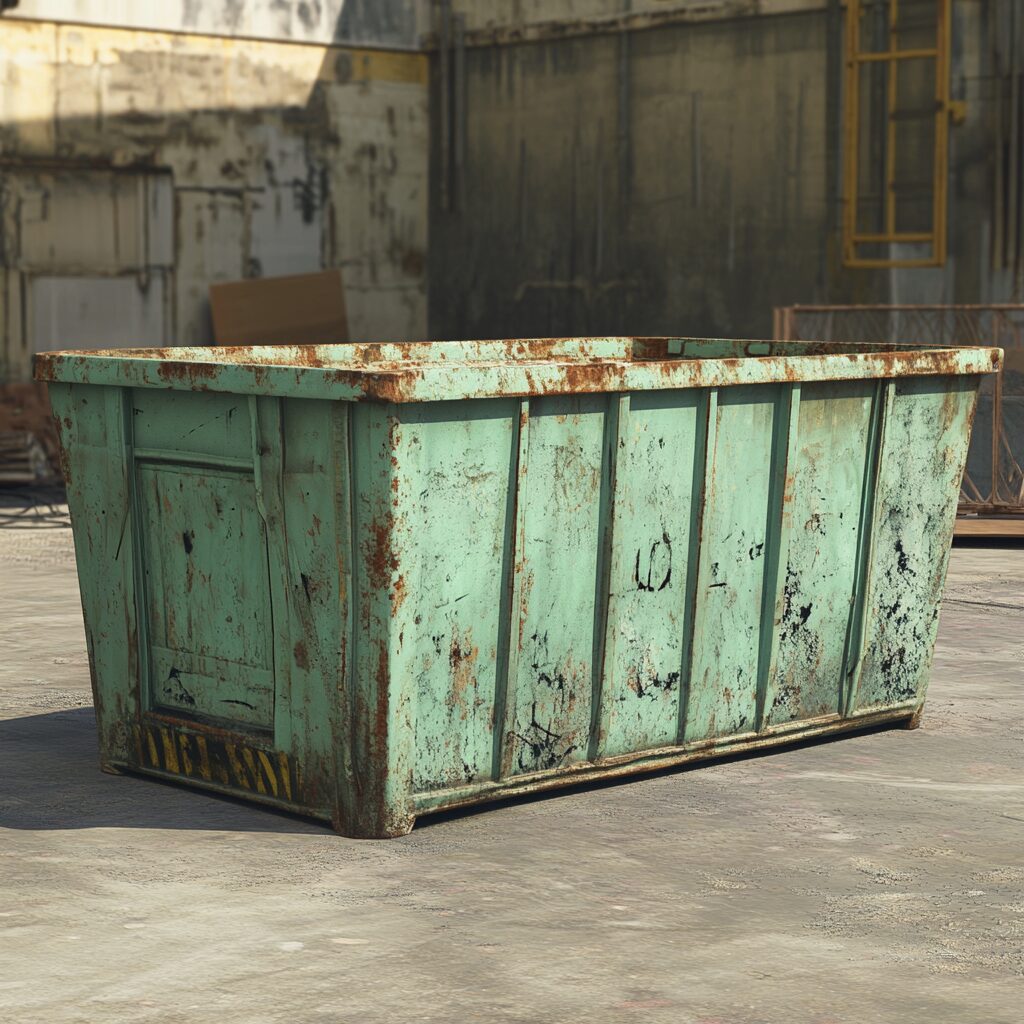
Picture two SUVs parked bumper-to-bumper. That’s roughly the length (22 feet) of this container. At 8 feet wide and 8 feet tall, it holds up to 40 cubic yards—enough for 12-16 pickup truckloads. Need a visual? It could swallow 40 washing machines whole.
| Feature | 40-Yard Dumpster | 30-Yard Dumpster |
|---|---|---|
| Dimensions | 22′ x 8′ x 7-8′ | 22′ x 8′ x 6′ |
| Weight Capacity | Up to 5 tons | Up to 4 tons |
| Best For | Large commercial projects, whole-home gut jobs | Major renovations, large cleanouts |
How It Compares to Smaller Dumpsters
That extra 2 feet in height? It’s a game-changer for loading bulky items like furniture. While a 30-yard container might save space, the 40-yard version reduces haul trips. Heavy materials like concrete are the exception, since they typically belong in a 10-yard dumpster.
“If your project involves a large roof tear-off or a whole-home renovation, this container’s capacity is your best ally,” says the Prime Dumpster Pro. “Just remember to check the weight limit, since roofing and other dense debris can reach it before the container looks full.”
When Should You Rent a 40 Yard Dumpster?
Got a mountain of waste staring back at you? A 40-yard container might be the solution. Let’s break it down—here’s how to spot if your project demands this heavy-duty option.
Signs Your Project Needs a 40-Yard Container
If your junk pile resembles a small hill, it’s time to go big. These dumpsters excel for large-scale projects generating 30+ cubic yards of debris. Think whole-home cleanouts or multi-room renovations.
- Multiple crews working fast: Construction teams filling bins simultaneously? A 40-yard unit keeps pace.
- Combined projects: Renovating indoors while landscaping? One container handles mixed debris like drywall and branches.
- Tight deadlines: Need it done yesterday? Bigger bins mean fewer hauls and no mid-project delays.
Residential Uses for a 40 Yard Dumpster
Tackling major home projects? You’ll need serious waste removal power. These containers handle everything from gutted kitchens to storm-wrecked yards. Let’s explore where they shine.
Whole-Home Renovations
Say goodbye to those 1970s kitchen cabinets—for good. A full-home remodel generates piles of demolition debris. Think drywall, flooring, and old fixtures. One 40-yard unit fits waste from a 4-bedroom renovation.
Pro tip: Stack bulky items like appliances vertically to maximize space. No more mid-project delays waiting for haul-away.
Large-Scale Property Cleanouts
Clearing Grandma’s attic untouched since the Nixon era? Estate cleanouts fill up fast. These dumpsters swallow furniture, boxes, and decades of accumulated treasures (or junk).
Storm damage cleanup also fits here. When nature throws a tantrum, toss branches, shattered siding, and soaked drywall in one go.
Roofing or Siding Replacements
Roofing debris adds up by weight, not just volume. A square of asphalt shingles typically weighs about 250 to 430 pounds, so a 40-yard dumpster’s 5-ton limit usually covers about 23 to 40 squares of a single layer, before underlayment and nails.
Garage overhauls count too. Finally tackle that “I’ll fix it someday” graveyard of tools and tires. Just mind weight limits with heavy materials like concrete.
Commercial and Construction Applications
Big commercial projects need big solutions—enter the 40-yard dumpster. These containers are workhorses for industrial and construction sites, handling everything from concrete slabs to retail makeovers.
Building Demolitions
A 40-yard dumpster is a common choice for commercial demolition because these projects produce large volumes of mixed debris in a short time. Its capacity keeps crews working without waiting on frequent swaps. It’s well suited for:
- Structural teardowns: High volumes of drywall, framing, and mixed demolition debris, with concrete and brick going in separate 10-yard dumpsters
- Retail renovations: Shelving, fixtures, flooring, and signage from storefront and strip mall remodels
- Disaster recovery: Water-damaged drywall, insulation, and charred framing after a fire or flood
Planning container sizes around each phase of the demolition helps keep heavy and lightweight debris separated and every load within its weight limit.
New Construction Projects
Construction crews hate waiting for waste removal. A 40-yard dumpster keeps sites clean and crews productive. Perfect for:
- Office build-outs: Drywall scraps, flooring, and packaging pile up fast.
- Efficiency wins: Fewer hauls mean more time hammering nails, not scheduling pickups.
Commercial Tenant Cleanouts
Previous tenants left a mess? Make it their landlord’s problem. These dumpsters tackle:
- Post-lease chaos: Broken furniture, outdated tech, and abandoned inventory.
- Retail transformations: Swapping a bookstore for a coffee shop? Toss shelves and signage in one go.
Benefits of Choosing a 40 Yard Dumpster
Big projects demand big solutions—discover why this container size dominates waste removal. From slashing costs to simplifying logistics, the advantages stack up fast. Let’s break down the perks.
Cost-Effectiveness for Large Projects
Why pay for two rentals when one does the job? A 40-yard dumpster rental costs just $50–$100 more than a 30-yard but holds 33% more debris. That’s budget math even non-accountants love.
“When you’re torn between a 10-yard and 20-yard dumpster, go with the larger size to avoid running out of space mid-project. Fewer hauls mean no surprise fees for additional pickups,” says the Prime Dumpster Pro.
Reduced Need for Multiple Hauls
Time is money, especially on job sites. One delivery and pickup mean less scheduling chaos. No more waiting for a second container—just fill and focus.
- Fewer trips: Haulers charge per pickup. One rental cuts those fees.
- Faster cleanup: Crews stay productive without waste-removal delays.
Versatility for Mixed Debris
Got shingles, drywall, and old furniture? No sorting required. This container’s space handles it all. Unlike smaller options, bulky items fit vertically—maximizing every cubic yard.
Prime Dumpster Pro Tip: Keep concrete, brick, and other heavy debris out of the 40-yard dumpster and in a separate 10-yard dumpster, so the larger container can fill by volume.
Bottom line: For large-scale projects, this service offers unmatched efficiency. Fewer rentals, lower price stress, and flexible loading options make it a clear winner.
Limitations and Considerations
Not every property can handle a dumpster this large. Before ordering, factor in space needs, weight limits, and local rules. Skipping this step could mean fines, frustrated neighbors, or a container that won’t fit.
Space Requirements for Placement
Your driveway might look empty—until a 22-foot-long, 8-foot-wide giant parks there. Delivery trucks need clearance too. Low-hanging branches? Say goodbye to them.
| Requirement | Details | Common Issues |
| Length | 22 feet | Blocks mail carriers or street parking |
| Overhead Clearance | 8 feet | Tree limbs or power lines interfere |
| Surface | Paved or gravel | Soft ground causes sinking |
Your HOA might protest louder than pink lawn flamingos. Always check rules for rental placement in your location.
Weight Restrictions for Heavy Materials
A 40-yard dumpster’s limit of up to 5 tons goes quickly with dense debris. Concrete, brick, and asphalt typically belong in a 10-yard dumpster instead.
- Driveway durability: Asphalt cracks under extreme weight.
- Mixed loads: Mixed loads: Keep heavy materials separate so lighter debris can use the container’s full volume.
- Permit puzzles: Some cities require permits for oversized containers.
Prime Dumpster Pro Tip: Measure twice, rent once. A quick call to your disposal provider saves headaches later.
The Rental Process Explained
Renting a massive waste container isn’t rocket science—but smart planning makes all the difference. Follow these steps to avoid surprises and keep your project on track.
Choosing a Delivery Location
Pick a spot that’s flat, sturdy, and accessible. Concrete or gravel works best. Avoid soft ground—your dumpster isn’t a beach umbrella.
| Requirement | Why It Matters |
| 22 feet long | Fits the container + truck clearance |
| 8 feet overhead | No tangles with tree limbs or wires |
| Near work area | Saves hauling debris across the yard |
Prime Dumpster Pro Tip: Measure twice. Delivery trucks need space to pivot without taking out your mailbox.
Scheduling Pickup and Removal
Most rentals last 7 days. Need more time? Book upfront—last-minute extensions cost extra. Schedule pickup when the container hits about 75% full to dodge overflow stress.
Remember: Hazardous materials (paint, chemicals) are a no-go. Check local rules for banned items.
Alternatives to a 40 Yard Dumpster
A 40-yard container is overkill for many projects. Smaller dumpsters or specialty bins often save space, cash, and headaches.
When a 30 Yard Dumpster Suffices
Don’t rent a stadium for a little league game. A 30-yard dumpster fits 25+ cubic yards—ideal for partial renovations or mid-sized cleanouts. It’s 33% cheaper and easier to place in tight driveways.
- Partial home makeovers: Single-room demolitions or attic cleanouts won’t fill a 40-yard monster.
- Landscaping projects: Branches and dirt pile up, but rarely need max capacity.
- Budget wins: Save $100+ on rental fees for projects under 30 cubic yards.
Specialty Containers for Heavy Debris
Concrete fills 40-yarders faster than kids eat ice cream. For dense materials, consider:
- 10-yard roll-offs: Designed for heavy loads like bricks or concrete—no wasted space.
- Dirt-only bins: Because dirt deserves its own VIP treatment. Lower weight limits, but cheaper rates.
- Two small bins: Sometimes, splitting debris beats one giant container (especially with mixed materials).
Prime Dumpster Pro Tip: Always compare dumpster sizes before rental. The right fit keeps your project—and wallet—efficient.
Pros and Cons: 40-Yard Dumpster Analysis
Evaluating maximum capacity containers requires weighing substantial benefits against potential limitations for your specific project needs.
Pros: Maximum Capacity Advantages
Here are the main benefits found with these large capacity dumpsters:
- Handles Massive Volume: Accommodates 40 cubic yards of debris, equivalent to 12-16 pickup truck loads, eliminating multiple container rentals for large projects.
- Reduces Project Interruptions: Single delivery and pickup streamlines logistics, preventing work delays caused by coordinating multiple smaller containers throughout project phases.
- Cost-Effective for Large Jobs: Despite higher upfront rental costs, eliminates expenses associated with multiple hauls, additional delivery fees, and extended rental periods.
- Accommodates Bulky Items: Eight-foot height allows easy loading of large furniture, appliances, and construction materials without complex dismantling or cutting procedures.
- Generous Weight Capacity: A limit of up to 5 tons handles large volumes of mixed, lighter debris, like drywall, framing, furniture, and roofing.
They’re large while remaining versatile.
Cons: Limitations and Challenges
As the largest dumpster size available to rent, these units aren’t well-suited for every job or situation.
- Significant Space Requirements: Demands 22 feet of length plus additional clearance for delivery trucks, often exceeding residential driveway capacity or requiring street placement permits.
- Not Suitable for Dense Materials: While it handles mixed debris well, extremely heavy materials like concrete or brick require 10-yard dumpsters.
- Higher Rental Costs: Premium pricing compared to smaller containers may exceed project budgets when maximum capacity isn’t actually needed for the debris volume generated.
Many of these limitations relate to the size itself, often making a smaller dumpster a viable option.
Is a 40-Yard Dumpster Right for Your Project?
A 40-yard dumpster is the right choice when your project produces more debris than smaller containers can handle, such as whole-home renovations, commercial cleanouts, and large construction or demolition jobs. It’s built for high-volume, lighter debris, while concrete, brick, and other heavy materials belong in a 10-yard dumpster. Before you book, make sure you have room for a 22-foot container and clear access for delivery.
We arrange 40-yard dumpster rentals nationwide with transparent, upfront pricing, and our friendly, knowledgeable team helps you confirm the right size and placement for your project. Availability varies by location. Contact our team to find out if a 40-yard dumpster fits your next job.
If you are looking for When Should I Rent a 30 Yard Dumpster?, Click Here
Recent Posts


Follow Us
Have any questions?
+1 844 853 3867
Give us a call today so we can help you find the right waste & sanitation solution for
your project!
Contact Us