
Mon - Sat 7:00 am to 7:00 pm
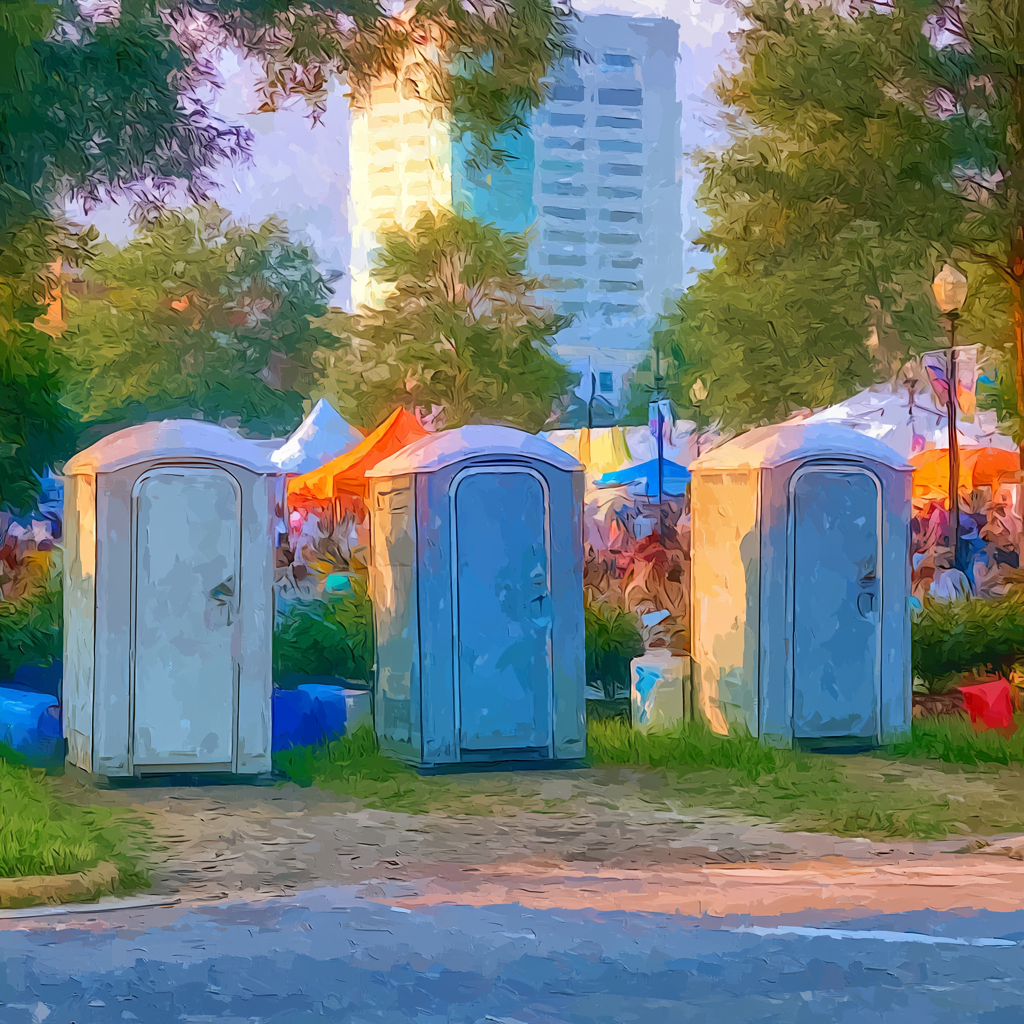
Porta Potty Rental for Outdoor Events and Recreation in Chesapeake, VA
Chesapeake is defined by its outdoor spaces in ways that few Virginia cities can match. The Great Dismal Swamp National Wildlife Refuge, the Elizabeth River, miles of Intracoastal Waterway, and an extensive network of parks and trails create a city where outdoor gatherings, recreation events, and waterfront activities are woven into the community calendar year-round.
Prime Dumpster put together this guide to porta potty rental for outdoor events and recreation in Chesapeake, VA to help event organizers, trail race coordinators, park managers, and outdoor recreation groups plan portable sanitation that works within the specific constraints of Chesapeake’s natural environment. From waterfront placement rules to permit timelines, this guide covers what organizers need to know before they book.
Fast Facts: Porta Potty Types for Chesapeake Outdoor Events
“Outdoor events in Chesapeake bring a set of placement and environmental constraints that most urban venues don’t have to think about,” says the Prime Dumpster Pro. “The unit type, the placement, and whether you need a containment tray all depend on exactly where the event is happening and what’s nearby.”
The table below outlines the most common porta potty options available for outdoor events and recreation rentals in Chesapeake, Virginia, along with their notable features and typical outdoor uses.
| Unit Type | Notable Features | Commonly Used When |
| Standard Porta Potty | Self-contained toilet, urinal, and hand sanitizer | General outdoor gatherings, trail events, community festivals |
| Deluxe Porta Potty with Sink | Built-in handwashing station with soap dispenser | Food vendor areas, farmers markets, waterfront events with food service |
| Deluxe Flushing Porta Potty | Foot-pedal flush system for a cleaner experience | Upscale outdoor events, private waterfront gatherings, VIP areas |
| ADA Handicap Portable Toilet | Grab bars, wider entry, and ground-level access | Any public-facing outdoor event with ADA compliance requirements |
| Towable Porta Potty | Attaches to a vehicle for repositioning | Trail races, hunting camps, fishing tournaments, large recreation areas |
| Solar Porta Potty | Operates without external power, includes interior lighting | Remote locations, multi-day outdoor events, low-infrastructure sites |
| Containment Tray | Spill containment base beneath the unit | Any placement near waterways, wetlands, or environmentally sensitive areas |
Prices and availability will vary based on unit type, rental duration, service frequency, and other factors.
What Makes Outdoor Event Sanitation Different in Chesapeake
Chesapeake’s geography creates sanitation planning challenges that organizers in most other Virginia cities don’t encounter. The proximity of nearly every outdoor venue to a waterway, wetland, or protected natural area means that unit placement decisions carry environmental implications beyond standard logistics.
The Great Dismal Swamp alone covers more than 111,000 acres across Chesapeake and the surrounding region, and its buffer zones affect how portable sanitation can be positioned at events near its edges. Similar considerations apply along the Elizabeth River corridor and the Intracoastal Waterway, where Virginia’s environmental regulations govern what can be placed near the water.
“The question we always ask for Chesapeake outdoor events is what’s within 50 feet of the proposed placement spot,” says the Prime Dumpster Pro. “In this city, the answer is often a canal, a drainage ditch, or a protected wetland, and that changes the equipment configuration we’d recommend.”
Containment trays are the most practical response to those constraints. Placed beneath a porta potty, they catch any leaks or spills before they reach the ground, providing a barrier that protects the surrounding environment and keeps the placement compliant with Virginia’s environmental guidelines.
Many people who rent porta potties also need rented dumpsters, and in many cases it’s easier and cheaper to bundle them together through a single service provider. Learn more in What Dumpster Size Should I Rent in Chesapeake, Virginia?.
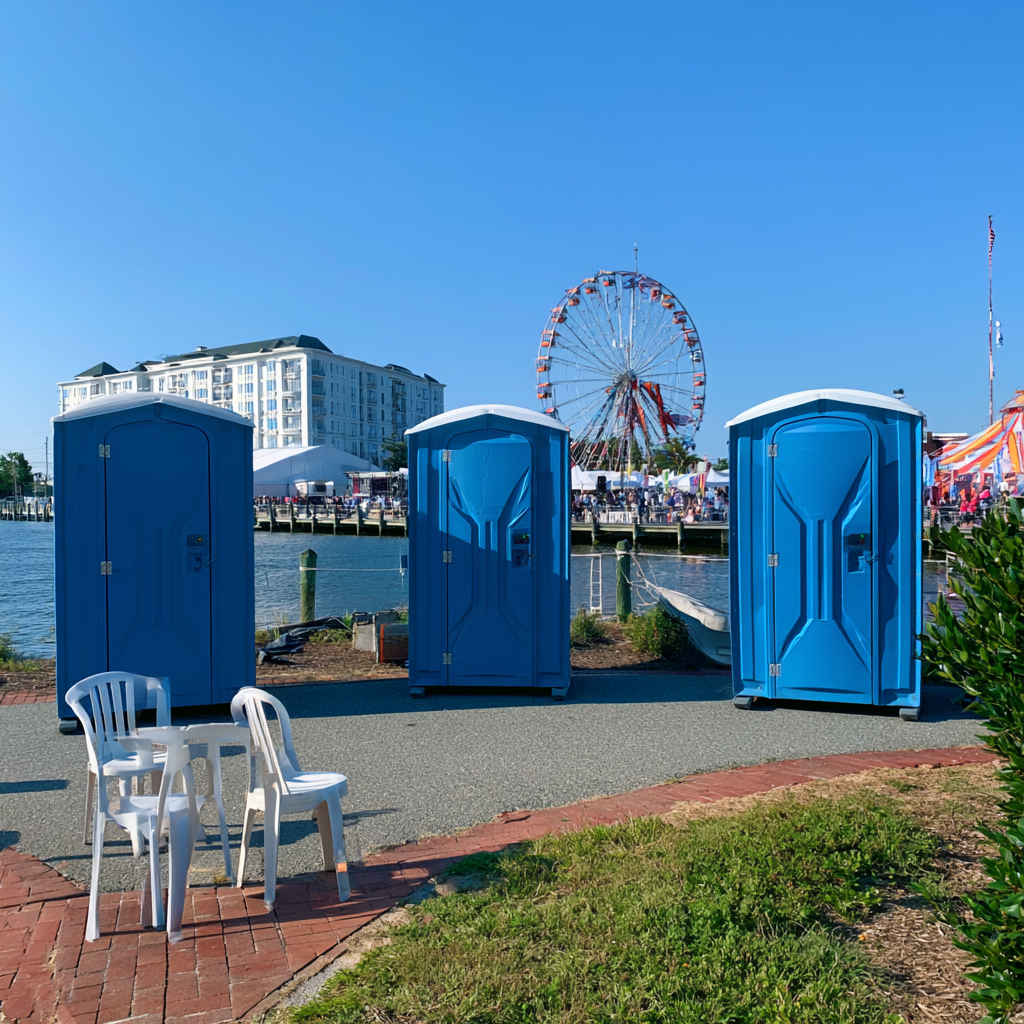
Parks and Nature Reserve Events
Chesapeake’s parks and nature reserves host a consistent calendar of community events, outdoor education programs, and recreational gatherings that require portable sanitation planning suited to natural surfaces and environmentally sensitive settings. Units placed on grass, gravel, or unpaved natural surfaces need to be positioned on the firmest, most level ground available to prevent shifting between service visits.
Alcohol is not permitted at City of Chesapeake parks or recreational facilities, which affects the unit count formula for park events. Without alcohol, the standard ratio of one unit per 50 guests for a four-hour event applies, and the count adjusts based on event duration and expected attendance.
ADA-compliant units are required at any public-facing park event and should be positioned on the flattest, most accessible area of the site near main pedestrian entry points. Events near sensitive natural areas, including those adjacent to the Great Dismal Swamp buffer zones, should use containment trays as a standard precaution regardless of how far the unit sits from the nearest waterway.
Waterfront and Marina Events
Waterfront gatherings along the Elizabeth River, the Intracoastal Waterway, and Chesapeake’s marina venues present some of the most complex portable sanitation placement challenges in the Hampton Roads region. The combination of limited lot space, boat traffic, tidal variation, and proximity to open water means that unit positioning requires more advance planning than a standard park event.
“Waterfront events in Chesapeake are where we see the most last-minute placement problems,” says the Prime Dumpster Pro. “The venue looks spacious until you factor in the dock, the seawall, the parking, and the environmental buffer, and suddenly the options for a stable, compliant unit placement are much more limited than they appeared.”
Containment trays are non-negotiable for any unit placed within proximity of the water at a Chesapeake marina or waterfront venue. Sink-equipped units are worth adding near food service areas at waterfront events, both for hygiene purposes and to reduce the number of guests walking back and forth to permanent restrooms that may be far from the event footprint.
Trail Races and Athletic Events
Chesapeake’s extensive trail network, including the Chesapeake Expressway Trail and the city’s greenway corridors, supports a growing calendar of trail runs, road races, and cycling events that require portable sanitation planning across a moving course rather than a stationary venue. Start and finish areas need the heaviest concentration of units, where participants gather for extended periods before and after the event.
Towable units are particularly well suited for large trail events where course conditions change between the planning stage and event day. A unit that can be repositioned without a full service truck gives race organizers flexibility to respond to last-minute changes in participant flow or course conditions.
Pickup logistics on trail events require coordination with the city’s road closure schedule. Units placed along closed routes need to be retrieved in a sequence that aligns with street reopening times, and planning that coordination with your provider well before event day prevents the kind of last-minute scramble that can disrupt a race’s post-event operations.
Outdoor Festivals and Community Gatherings
Chesapeake’s community festivals and outdoor cultural gatherings span neighborhoods from Greenbrier to Great Bridge to Western Branch, and the portable sanitation needs at each reflect the scale, setting, and audience of the specific event. Most community-scale outdoor events need a straightforward unit mix of standard and ADA-compliant models, with sink-equipped units added near any food vendor areas.
The City of Chesapeake requires an Outdoor Special Event Permit for most public gatherings, and sanitation planning is a component of that process. The city’s permit submission timeline requires applications 30 days prior for events with attendance under 500, 60 days prior for events with 500 to 1,000 attendees, and 90 days prior for events expecting over 1,000 guests or requiring major road closures. Organizers can download the Outdoor Special Event Permit Application through the City of Chesapeake Parks, Recreation and Tourism department.
Building the sanitation plan before submitting the permit application keeps the process moving without delays from incomplete submissions. Confirming unit type, count, and placement location before the application goes in is far easier than amending a submitted permit after the fact.
Hunting, Fishing, and Seasonal Recreation
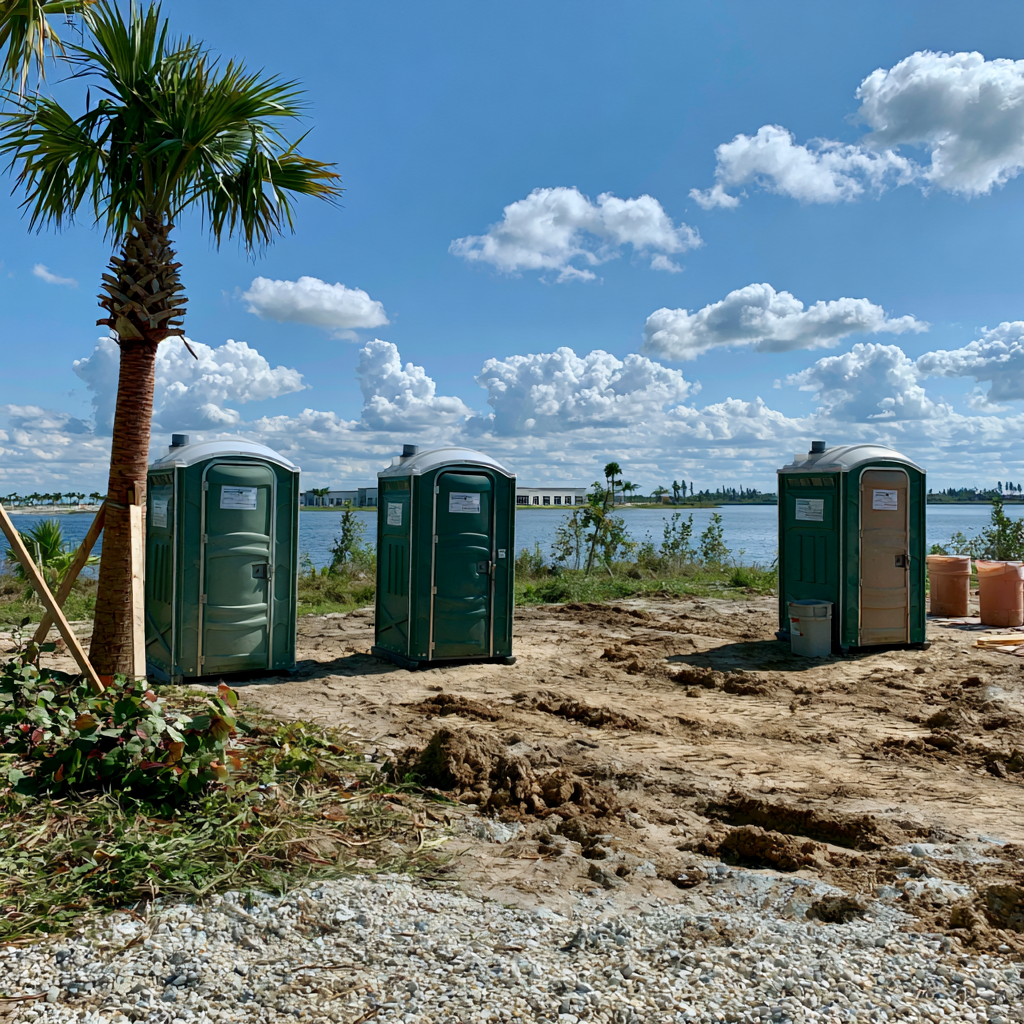
Chesapeake’s rural areas and waterways support active hunting and fishing communities, and seasonal recreation creates portable sanitation demand in remote locations that present unique delivery and service logistics. Hunting camps and fishing tournament staging areas are often far from paved roads, and delivery truck access needs to be confirmed well before the rental begins.
Towable units are the most practical option for hunting camps and remote fishing locations where crews or participants move between sites throughout the day. Solar units are worth considering for multi-day outdoor recreation events in low-infrastructure locations where interior lighting matters for early morning or late evening use.
Service frequency for extended seasonal placements in Chesapeake’s rural areas should account for the limited access windows that some of these sites create. Building service visits around the site’s access conditions from the start of the rental, rather than on a standard fixed schedule, prevents service gaps that are difficult to correct when the site is remote.
Environmental and Permit Considerations
Virginia’s environmental regulations govern portable sanitation placement near waterways and wetlands across the state, and Chesapeake’s geography means those rules apply to a higher percentage of outdoor event sites here than in most other Hampton Roads cities. The Virginia Department of Environmental Quality oversees water quality protection in the Commonwealth, and events near protected waterways or wetland buffers should confirm placement rules before delivery.
Containment trays provide the most practical on-site environmental protection for any unit placed near Chesapeake’s canals, rivers, or wetland areas. They add minimal cost to a rental and provide meaningful protection against the compliance and environmental consequences of a spill near sensitive water resources.
The City of Chesapeake’s outdoor event permit process also includes a sanitation requirement, with the city code stating that adequate sanitary facilities must be provided for persons attending or participating in events with over 500 attendees. Reviewing both the city’s permit requirements and any applicable state environmental guidelines before confirming unit placement gives event organizers a complete picture of their compliance obligations before the first unit arrives on site.
Plan Your Chesapeake Outdoor Event Porta Potty Rental with Prime Dumpster
From trail races along Chesapeake’s greenway corridors to waterfront festivals on the Elizabeth River and seasonal hunting camps in the city’s rural areas, porta potty rental for outdoor events in Chesapeake, VA requires planning that accounts for the natural environment as much as the headcount. Getting the unit type, placement, and environmental precautions right from the start is what separates a smooth outdoor event from one where sanitation becomes the problem nobody planned for.
Prime Dumpster coordinates portable sanitation for outdoor events and recreation across Chesapeake and the broader Hampton Roads area, with unit options and service schedules built around the specific demands of waterfront venues, nature reserves, and remote recreational sites. Our account managers work with event organizers to match the right configuration to each site’s environmental constraints, permit requirements, and attendance expectations.
Contact our team to get a quote for your Chesapeake outdoor event or recreation rental.
If you are looking for 5 Pro Tips for Porta Potty Rental for Construction in Katy, Texas, Click Here
Recent Posts


Follow Us
Have any questions?
+1 844 853 3867
Give us a call today so we can help you find the right waste & sanitation solution for
your project!
Contact Us