
Mon - Sat 7:00 am to 7:00 pm
REQUEST A QUOTE
UNLOCK THE BEST DEALS FOR YOUR DUMPSTER AND PORTA POTTY RENTAL NEEDS!
Home Resources Dumpster Rental Resources Dumpster Rental Weight Calculators
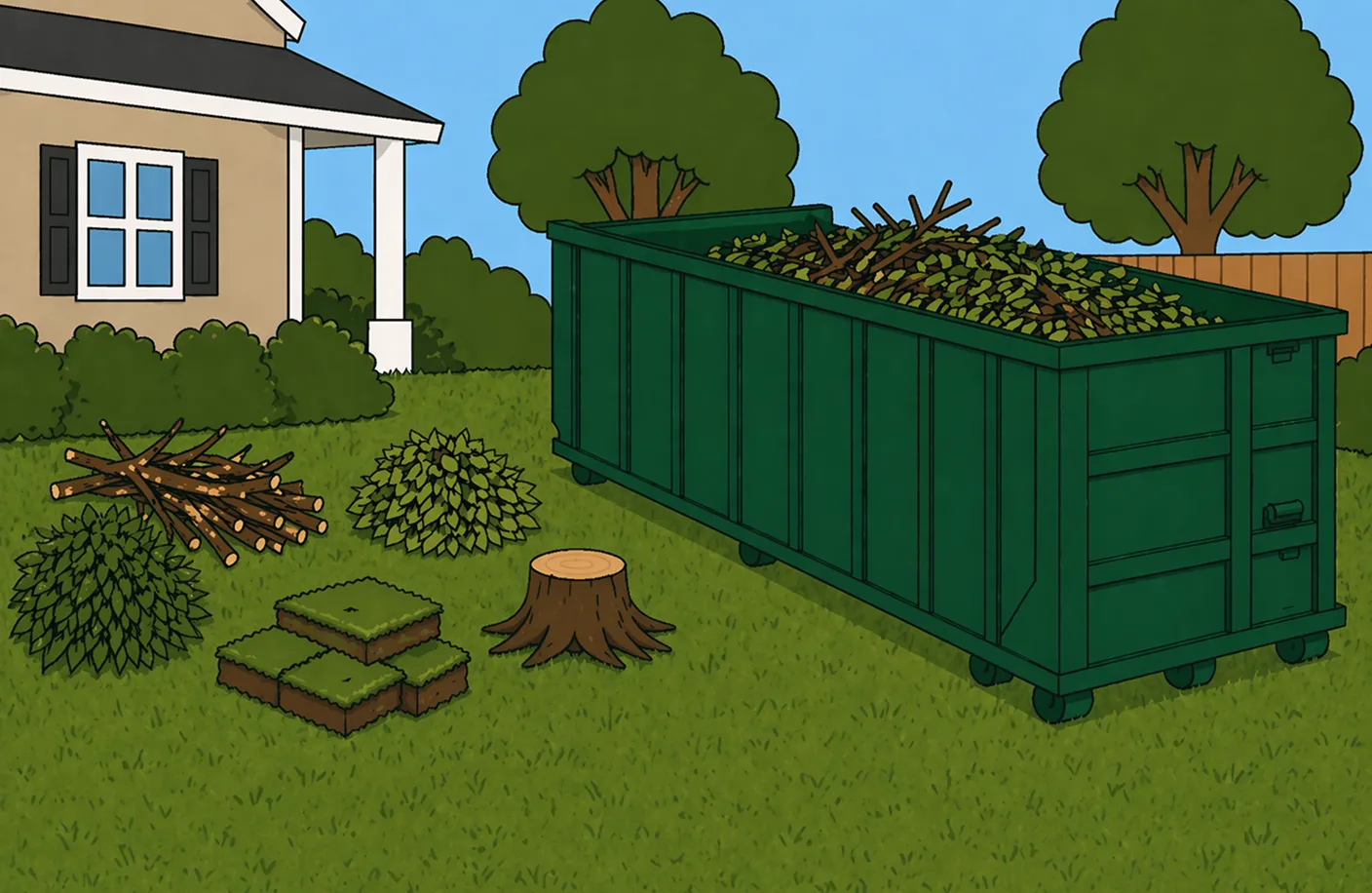
Dumpster Weight Calculators
Estimating the weight of your debris helps you save money and time when renting dumpsters. Here you’ll find dumpster weight calculators and tips for estimating the weight of concrete, shingles, drywall, lumber, and other common materials.
Free Debris Weight Calculators to Help You Choose the Right Dumpster Size
Our dumpster calculators help you accurately estimate the weight of the most common types of debris disposed of in rented units.


Do you need help estimating a different debris type? Our Prime Dumpster Pros are ready to help
What is the Weight Limit for Each Dumpster Size?
Every dumpster rental includes a weight allowance, and staying within it is essential to avoiding overage fees. Since landfills charge by the ton, exceeding your container’s limit can result in additional per-ton charges. Aside from our dumpster weight calculators, it’s also helpful to understand the approximate weight limit for each dumpster size.
Weight limits are general estimates and may vary by location and debris type. Contact Prime Dumpster for exact limits on your rental.
| Dumpster Size | Approximate Weight Limit |
|---|---|
| 10 Yard Dumpster | Up to 2 tons |
| 15-Yard Dumpster | Up to 3 tons |
| 20-Yard Dumpster | Up to 3 tons |
| 30-Yard Dumpster | Up to 4 tons |
| 40-Yard Dumpster | Up to 5 tons |
What Size Dumpster Do I Need?
The right dumpster size depends on the type of debris you’re disposing of, the volume your project will generate, and the space available at your site. Use the dropdowns below to find the size that fits your project.
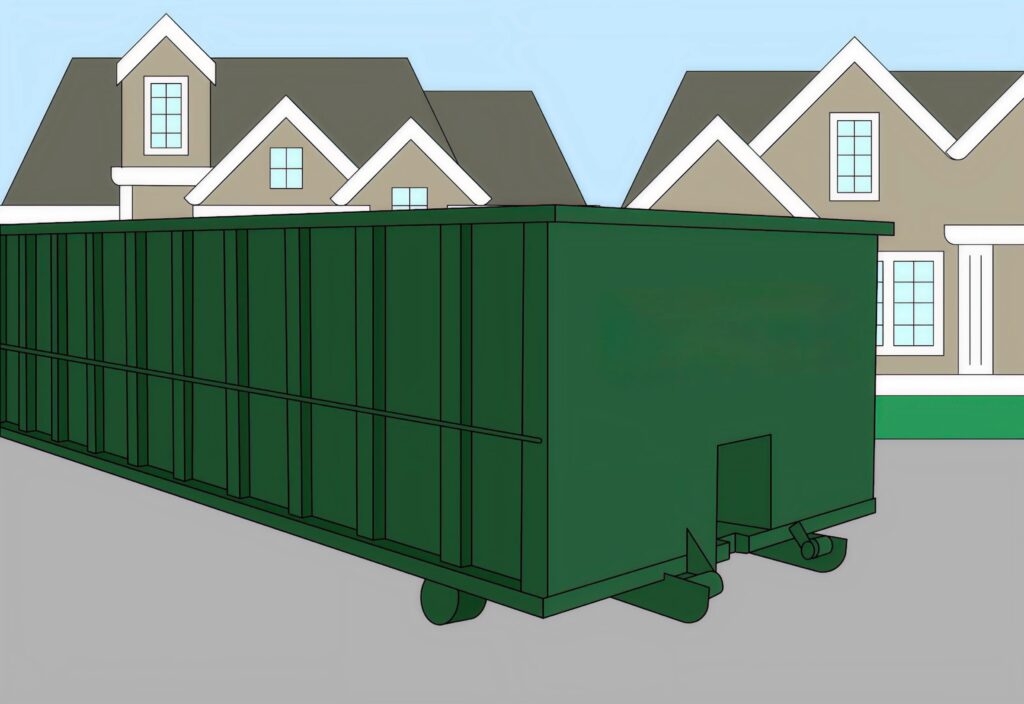
The 10-yard dumpster is a good choice for small projects and heavy materials. It’s ideal for single-room remodels, small cleanouts, and any project involving concrete, brick, or asphalt — materials that hit weight limits before filling a larger container.
The 15-yard dumpster works well for mid-sized residential projects that generate more debris than a 10-yard can handle. Common uses include kitchen and bathroom remodels, garage cleanouts, landscaping projects, and roofing jobs on smaller structures.
The 20-yard dumpster is the most popular size for residential and light commercial projects. It handles whole-house flooring replacements, multi-room renovations, roof tear-offs on mid-sized homes, and large estate cleanouts in a single rental.
The 30-yard dumpster is suited for major renovations and commercial construction projects generating debris across multiple phases. It’s commonly used for full home renovations, large commercial tenant improvements, office build-outs, and disaster restoration work.
The 40-yard dumpster is the largest standard container available and is built for high-volume commercial and industrial projects. It’s the right choice for commercial demolitions, factory cleanouts, large venue events, and complete building interior gutting.
Some projects generate more debris than a single container can handle — either in volume or weight. Heavy materials like concrete, brick, and asphalt hit weight limits quickly, often requiring multiple hauls even when the container isn’t visually full. For large-scale projects, planning for multiple containers upfront is almost always more cost-effective than arranging emergency swaps mid-project.
Do I Need to Rent More Than One Dumpster?
Some projects generate more debris than a single container can handle — either in volume or weight. Heavy materials like concrete, brick, and asphalt hit weight limits quickly, often requiring multiple hauls even when the container isn’t visually full. For large-scale projects, planning for multiple containers upfront is almost always more cost-effective than arranging emergency swaps mid-project.
| Material / Scenario | Estimated Debris Amount | Recommended |
|---|---|---|
| Concrete, brick, or asphalt | Up to 2 tons | 1 x 10-yard dumpster |
| Concrete, brick, or asphalt | 2–4 tons | 2 x 10-yard dumpsters |
| Concrete, brick, or asphalt | Over 4 tons | Contact Prime Dumpster for custom recommendations |
| Roofing shingles | Up to 40 squares | 1 x 10-yard dumpster |
| Roofing shingles | 40–80 squares | 2 x 10-yard dumpsters |
| Roofing shingles | Over 80 squares | Contact Prime Dumpster for custom recommendations |
| Full home renovation | Single phase | 1 x 20 or 30-yard dumpster |
| Full home renovation | Multiple phases | 2 or more x 20 or 30-yard dumpsters |
| Large commercial project | High debris volume | Contact Prime Dumpster for custom recommendations |
Concrete, brick, or asphalt
Up to 2 tons1 x 10-yard dumpster
2–4 tons2 x 10-yard dumpsters
Over 4 tonsContact Prime Dumpster for custom recommendations
Roofing shingles
Up to 40 squares1 x 10-yard dumpster
40–80 squares2 x 10-yard dumpsters
Over 80 squaresContact Prime Dumpster for custom recommendations
Full home renovation
Single phase1 x 20 or 30-yard dumpster
Multiple phases2 or more x 20 or 30-yard dumpsters
Large commercial project
High debris volumeContact Prime Dumpster for custom recommendations
Estimates vary based on debris density, container size, and location. Our team is ready to discuss your project and confirm the right number of containers before you rent.
Average Weight of Common Debris
Not all materials weigh the same, which can significantly effect your overall dumpster weight allowance. For example, carpet weight can change depending on whether it’s wet or dry and solid concrete weighs differently than broken concrete. The table below is another helpful reference for estimating your debris weight before you rent.
Solid concrete
Approximate Weight Per Cubic Yard: 3,000–4,050 lbs
Loading Tip: Use a 10-yard dumpster only; concrete hits weight limits fast, regardless of volume
Broken concrete
Approximate Weight Per Cubic Yard: 1,500–2,040 lbs
Loading Tip: Break into smaller pieces for easier loading and more efficient use of space
Asphalt
Approximate Weight Per Cubic Yard: 2,000–2,200 lbs
Loading Tip: Keep separate from lighter debris; mix loading can cause unexpected weight overages
Brick and masonry
Approximate Weight Per Cubic Yard: 2,000–3,000 lbs
Loading Tip: Distribute evenly across the container floor to prevent uneven weight distribution
Roofing shingles
Approximate Weight Per Cubic Yard: 225–300 lbs
Loading Tip: Stack flat rather than tossing loosely to maximize capacity of your roofing dumpster
Drywall and plaster
Approximate Weight Per Cubic Yard: 3,000–4,050 lbs
Loading Tip: Break sheets into smaller pieces; full sheets waste space and make loading harder
Scrap metal
Approximate Weight Per Cubic Yard: 800–1,000 lbs
Loading Tip: Flatten or compact where possible to reduce volume and improve load efficiency
Carpet and padding
Approximate Weight Per Cubic Yard: 250–350 lbs
Loading Tip: Roll tightly and cut into sections for easier handling and more efficient loading
Yard waste
Approximate Weight Per Cubic Yard: 500–600 lbs
Loading Tip: Avoid loading wet yard waste — moisture adds significant weight
Household junk
Approximate Weight Per Cubic Yard: 250–300 lbs
Loading Tip: Load heaviest items first and distribute weight evenly across the container floor
Approximate Weight Per Cubic Yard: 3,000–4,050 lbs
Loading Tip: Use a 10-yard dumpster only; concrete hits weight limits fast, regardless of volume
Approximate Weight Per Cubic Yard: 1,500–2,040 lbs
Loading Tip: Break into smaller pieces for easier loading and more efficient use of space
Approximate Weight Per Cubic Yard: 2,000–2,200 lbs
Loading Tip: Keep separate from lighter debris; mix loading can cause unexpected weight overages
Approximate Weight Per Cubic Yard: 2,000–3,000 lbs
Loading Tip: Distribute evenly across the container floor to prevent uneven weight distribution
Approximate Weight Per Cubic Yard: 225–300 lbs
Loading Tip: Stack flat rather than tossing loosely to maximize capacity of your roofing dumpster
Approximate Weight Per Cubic Yard: 3,000–4,050 lbs
Loading Tip: Break sheets into smaller pieces; full sheets waste space and make loading harder
Approximate Weight Per Cubic Yard: 800–1,000 lbs
Loading Tip: Flatten or compact where possible to reduce volume and improve load efficiency
Approximate Weight Per Cubic Yard: 250–350 lbs
Loading Tip: Roll tightly and cut into sections for easier handling and more efficient loading
Approximate Weight Per Cubic Yard: 500–600 lbs
Loading Tip: Avoid loading wet yard waste — moisture adds significant weight
Approximate Weight Per Cubic Yard: 250–300 lbs
Loading Tip: Load heaviest items first and distribute weight evenly across the container floor
Weights are general estimates and vary based on material condition, moisture content, and density. When in doubt, round your estimate up.
Dumpster Weight Calculator FAQ
Quick answers to common questions about using weight calculators for dumpsters and other
issues related to load limits.
You’ll be charged an overage fee for every ton over the included weight allowance. In some cases, the container may need to be partially unloaded before it can be transported safely. Estimating your debris weight before booking is the best way to avoid this.
You can, but it’s often not the most cost-effective approach. Concrete is dense enough to hit weight limits while the container is still largely empty, leaving you paying for unused volume. For projects generating both heavy and light debris, separate containers are usually the smarter choice.
Water adds significant weight to materials like wood, drywall, carpet, and yard waste. If your project is outdoors or your container is exposed to rain, your debris can weigh considerably more than a dry estimate would suggest. Covering your dumpster during wet weather helps keep weight in check.
The dumpster weight and roofing dumpster calculators provide reliable estimates based on standard material densities. Actual weights can vary depending on material condition, moisture content, and how debris is packed. Use the results as a planning guide and round up or speak to our helpful team when in doubt.
Yes. Local regulations, landfill policies, and hauling restrictions can all affect the weight allowance included with your rental. The ranges on this page are general estimates — contact Prime Dumpster for exact limits in your area.
Concrete weight makes it the densest material most projects deal with, coming in at about 4,050 pounds per cubic yard. Even small amounts can push a container to its limit. If your project involves significant concrete removal, a 10-yard container is typically the right choice regardless of overall project scope.
A square of asphalt shingles covers 100 square feet of roof and typically weighs between 150 and 300 pounds, depending on the shingle type and thickness. Architectural shingles run heavier than standard three-tab shingles, so knowing your shingle type helps produce a more accurate weight estimate before you rent.
An empty roll-off dumpster typically weighs between 4,000 and 10,000 pounds, depending on its size. The container’s empty weight is separate from your debris weight and is factored into the hauling process, but your rental’s weight limit refers only to the debris you load into it.
A yard of concrete weight lands at approximately 3,000 to 4,050 pounds per cubic yard, making it one of the heaviest common debris types you’ll encounter. Understanding concrete weight per cubic yard helps you plan the right container size — even a small volume can push a container to its weight limit, which is why concrete disposal should always be planned for a 10-yard dumpster.
Finding the Right Dumpster Size with Help from Prime Dumpster
Our dumpster weight calculators are always available to help you estimate debris weight, plus our team is ready with custom solutions. Contact us today for help finding the best dumpster for the type of debris you’re disposing of. Our team is ready with dumpster solutions for your commercial or residential project.
Additional Dumpster Resources
Dumpster Rental Resources
Find everything you need for your dumpster rental, from sizing and pricing to permits.

Dumpster Rental Sizes
Learn more about dumpster sizes and how to find the best option..
Dumpster Permit Guide
Your dumpster might need a permit for placement. Learn more here.
Give us a call today so we can help you find the right waste & sanitation solution for your project!