
Mon - Sat 7:00 am to 7:00 pm

Dumpster Security on Jobsites
Dumpster security on jobsites is essential for maintaining a safe, efficient, and compliant construction environment. Unsecured dumpsters can lead to theft, unauthorized access, and illegal dumping, all of which increase costs, pose safety risks, and jeopardize regulatory compliance.
At Prime Dumpster, we’ve created this guide to help construction companies understand and address these vulnerabilities. By exploring best practices, physical security measures, and waste management strategies, you’ll gain the tools needed to safeguard your jobsite and keep operations running smoothly.
Fast Facts: Dumpster Security on Jobsites
Here are answers to common questions about securing and managing dumpsters on construction sites.
How do I secure a dumpster on a construction site?
“Start with strategic placement near your site office or main gate where it’s visible but not accessible to the public. Install weatherproof locks on lids and doors, add motion-activated lighting to deter after-hours access, and consider perimeter fencing or gates that you lock after work hours. Combine these physical measures with weekly inspections to check for tampering or unauthorized materials, and train your crew on proper waste sorting to prevent contamination that raises disposal costs.”
Is it illegal to use a construction site dumpster?
“Using someone else’s construction dumpster without permission is illegal dumping and trespassing, which can result in fines that vary by jurisdiction. Construction site dumpsters are rented for specific projects and paid for by contractors, so unauthorized use raises their costs through extra disposal fees and contaminated loads. If you’re caught dumping illegally on a construction site, you face potential fines, cleanup costs, and even criminal charges depending on what you dumped and local regulations.”
Is it illegal to dumpster dive on a construction site?
“Dumpster diving on construction sites is typically illegal because it involves trespassing on private property and accessing containers you’re not authorized to use. Beyond the legal issues, it’s extremely dangerous because construction dumpsters contain sharp materials, exposed nails, hazardous substances, and heavy debris that can cause serious injuries. Construction sites also have liability concerns, so property owners and contractors actively discourage and report unauthorized access to protect both their materials and people from harm.”
What should I do if I accidentally throw something away on a construction site?
“Contact the site manager or foreman immediately and explain what you threw away and approximately when it happened. They can help you safely access the dumpster if the item is retrievable, or coordinate with the waste company if the dumpster has already been picked up. Never attempt to retrieve items from a construction dumpster yourself without permission and proper safety equipment, because climbing into dumpsters creates fall hazards and exposes you to sharp objects, unstable loads, and potentially hazardous materials.”
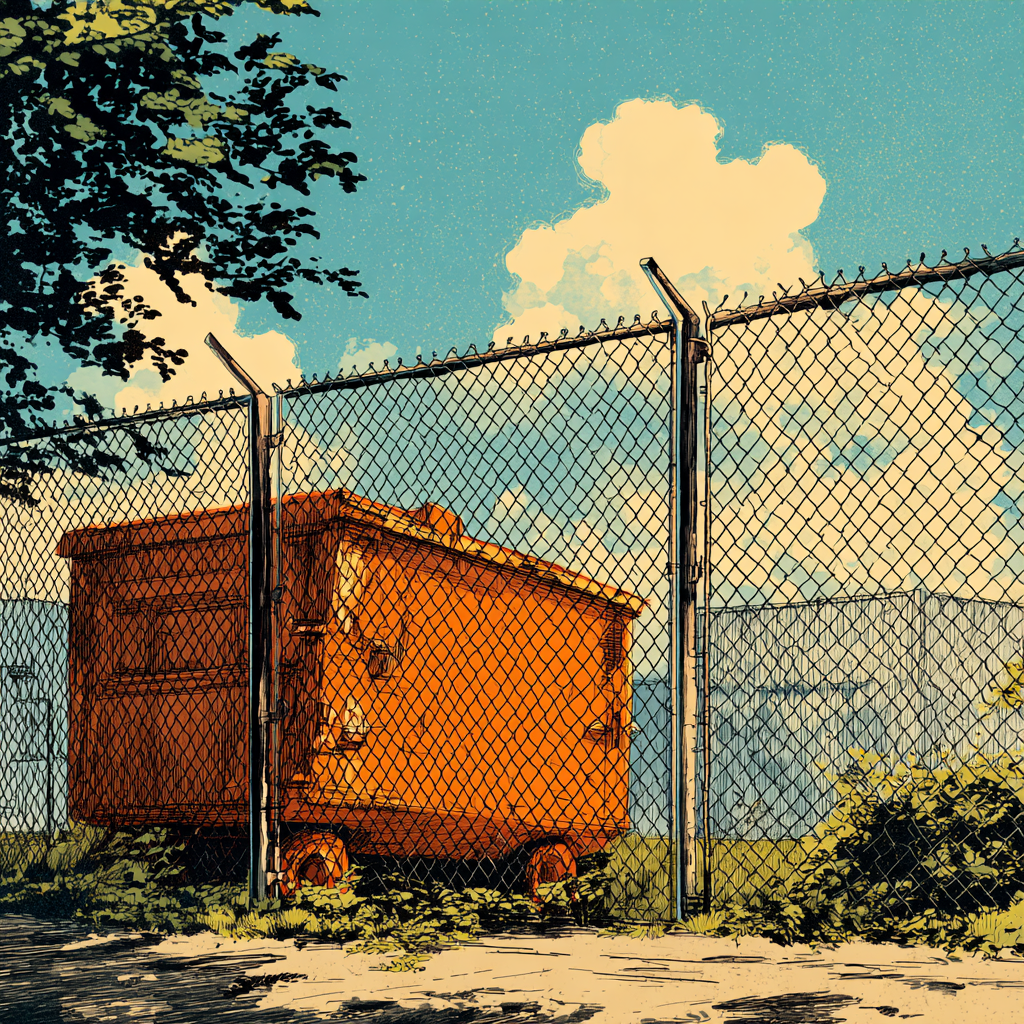
A Closer Look at Jobsite Dumpster Vulnerabilities and Risks
Dumpsters on a construction site face common threats. People may gain unauthorized access. Thieves may take materials. Others may dump waste that does not belong. Each issue can raise costs, create hazards and slow operations.
Common Security Threats to Construction Site Dumpsters
Unauthorized access can contaminate recyclables. It can also expose workers to hazardous materials in the bin. Illegal dumping can overload dumpsters. Overfull bins create debris hazards and may breach local waste rules. That can lead to extra disposal fees.
Impact of Unauthorized Access and Illegal Dumping
Unauthorized use of dumpsters raises operational costs. It also creates safety and compliance issues. Improper disposal can trigger legal ramifications. Rental companies, site managers and property owners must plan for these risks.
Legal Implications and Liability Concerns
Construction companies must meet local waste regulations. Fines and penalties vary by jurisdiction. Check local rules to confirm liability for improper disposal. Managers should document inspections and actions to reduce exposure.
Best Practices for Dumpster Security on Jobsites
A secure jobsite starts with clear rules and simple actions. Use the right dumpster for the job. Place bins where authorized workers can access them, but the public cannot. Train the team to follow waste rules and report problems.
Strategic Dumpster Placement
Put dumpsters near the work area to limit the carrying of debris. Keep them visible from the site office or main gate. Avoid public sidewalks and high-traffic areas. If space is tight, choose a smaller bin and plan more frequent pickups.
Also, make sure to rent the correct type of dumpster. Right-size the bin to avoid overfilling. Overfull dumpsters create safety and access problems and increase debris around the site.
Regular Monitoring and Inspections
Inspect dumpsters at least weekly. Check for tampering, unauthorized items and signs of illegal dumping. Log inspections and note needed actions. If you spot hazardous materials, isolate the bin and follow your site’s hazardous waste protocol.
Employee Training and Awareness
Teach workers how to sort materials and how to report issues. Post simple signs at dumpster areas showing allowed items. Hold a short toolbox talk when a new dumpster is placed. A trained team reduces mistakes and improves safety.
| Key Best Practices | Benefits |
| Strategic dumpster placement | Deters unauthorized use and improves overall site organization |
| Regular monitoring and inspections | Identifies and addresses security issues promptly |
| Employee training and awareness | Promotes a culture of security and responsible waste management |
Quick checklist for teams: place bins near the work area, post signs for allowed materials, inspect weekly and log findings, and train workers on waste sorting. These steps improve dumpster placement, safety and daily site operations.
Physical Security Measures and Equipment
Use physical measures to protect dumpsters and cut theft and illegal dumping. Choose options that match the site and local weather. Combine simple hardware with monitoring for the best results.
Types of Dumpster Locks and Barriers
Use durable padlocks or chain locks for lids and doors. Consider lock boxes that hide padlocks from cutters. Temporary barriers or chocks can block vehicle access. Pick hardware rated for outdoor use so salt, rain and cold do not degrade it.
Surveillance Systems and Lighting Solutions
Place cameras to cover dumpster areas and approach routes. Use motion-activated lights to deter after-hours access. For harsh climates choose weatherproof cameras and fixtures. Test camera angles and lighting at night to avoid blind spots.
Perimeter Security Options
Fencing, gates and temporary barriers help control access to the area. Lock gates after hours. Combine perimeter measures with cameras to spot intruders before they reach dumpsters. Review local codes to make sure fences and barriers meet safety rules for workers and emergency access.

Implementing Effective Waste Management Protocols
Clear waste management reduces clutter, cuts disposal costs and supports dumpster security on the site. Use simple protocols for sorting, recycling and pickups. Communicate expectations to the team and to your dumpster provider.
Set up a simple waste plan for each project. Assign materials to specific bins. Mark dumpsters with allowed items. That lowers the chance of contaminated loads and reduces fees for sorting at pickup.
- Do: segregate materials. Use separate containers for wood, metal and general debris. This improves recycling and lowers waste costs.
- Do: schedule regular pickups and confirm them in writing. A shared calendar or weekly check reduces missed pickups and overfilled dumpsters.
- Don’t: allow mixed loads that can contaminate recyclables. Contamination raises disposal fees and creates handling issues for workers.
- Do: name a contact for communication with the dumpster company. Share the contact for pickups, extra services and fee questions.
| Key Waste Management Practices | Benefits |
| Proper Waste Segregation | Reduces environmental impact, lowers disposal costs |
| Effective Recycling Efforts | Conserves resources, minimizes waste sent to landfills |
| Regular Communication with Dumpster Providers | Ensures timely pickup, addresses issues promptly |
Before each project phase, review waste needs and adjust dumpster sizes or pickup frequency. Ask your provider for a simple service list: pickup days, fee for extra loads and any recycling services. That small step saves time and money and keeps the jobsite cleaner and safer.
Keeping Dumpsters Safe on Construction Sites
Ensuring dumpster security on jobsites protects your property, reduces costs, and improves safety. By implementing best practices like strategic dumpster placement, employee training, and effective waste management protocols, you can minimize risks and maintain compliance with local regulations.
Prime Dumpster is here to assist with expert advice and solutions tailored to construction site needs. Contact us today to learn more about securing your dumpsters and creating a safer, more efficient jobsite. Together, we can build a cleaner and more secure future.
If you are looking for Dumpster Security Cameras: Benefits, Selection Tips and More, Click Here
Recent Posts


Follow Us
Have any questions?
+1 844 853 3867
Give us a call today so we can help you find the right waste & sanitation solution for
your project!
Contact Us