
Mon - Sat 7:00 am to 7:00 pm

10 Easy DIY Home Improvement Projects for First-Time Homeowners
Moving into your first home is one of the biggest milestones there is, and most first-time buyers can’t wait to start making the space their own. The good news is that many of the most satisfying improvements don’t require a contractor, a large budget, or years of hands-on experience. Prime Dumpster works with homeowners at every stage of the process, from first-weekend cosmetic updates to full-scale renovations.
The projects in this guide are realistic for beginners, completable on a weekend, and impactful enough to change how your home looks and feels. Some will barely touch the budget; others, like flooring upgrades and landscaping, generate debris that needs a plan. Either way, this is a solid place to start.
Fast Facts: Easy DIY Home Improvement Projects for First-Time Homeowners
First-time homeowners have no shortage of ways to make a new space their own without hiring a contractor. Here are the projects covered in this guide:
- Refresh Cabinet Hardware – a quick, affordable update that changes the look of kitchens and bathrooms
- Paint a Room or Your Front Door – one of the highest-impact changes you can make in a single weekend
- Install a Peel-and-Stick Backsplash – a beginner-friendly kitchen upgrade that installs without professional tools
- Upgrade Your Lighting Fixtures – swapping outdated fixtures and bulbs brightens and modernizes any room
- Replace Bathroom Fixtures – new showerheads, faucets, and hardware refresh a bathroom without a full remodel
- Add a Feature Wall – wallpaper, wood accents, or a gallery wall adds personality without repainting an entire room
- Install a Smart or Programmable Thermostat – a straightforward upgrade that reduces energy costs right away
- Improve Closet Organization – customizable systems maximize storage in bedrooms, entryways, and pantries
- Upgrade Flooring in High-Traffic Rooms – modern laminate and vinyl options are DIY-friendly and durable
- Boost Curb Appeal – landscaping, exterior lighting, and a fresh entry make a strong first impression
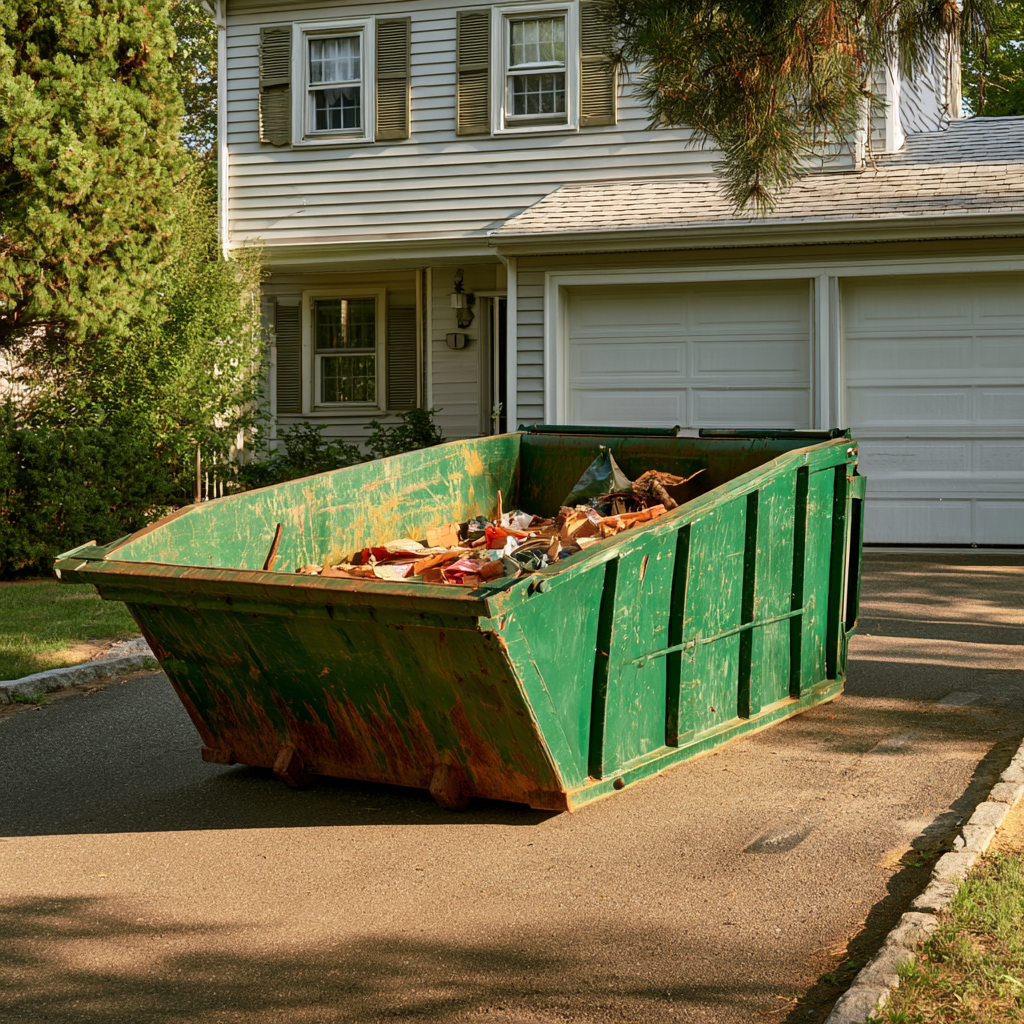
Dumpster rentals make several of these projects easier to manage, particularly those that generate debris like flooring removal and landscaping work. Prime Dumpster offers a range of dumpster rental sizes to fit projects of any scale, from a single-room refresh to a multi-room renovation.
For more on how dumpster rentals work, what sizes are available, and how to plan for debris removal, visit the Prime Dumpster dumpster rental resource page.

1. Refresh Cabinet Hardware
Replacing handles, knobs, and pulls on kitchen and bathroom cabinets is one of the fastest ways to update a room without touching the cabinets themselves. Hardware finishes range from brushed nickel and matte black to brass and chrome, and matching the finish across the kitchen and bathrooms creates a cohesive look throughout the home.
Installation requires a screwdriver and an afternoon. Most knobs and pulls use a single screw, though switching from knobs to bar pulls may require drilling a second hole. A simple spacing template from the hardware store keeps everything aligned.
What to update when refreshing cabinet hardware:
- Kitchen cabinet doors and all drawer fronts, upper and lower
- Bathroom vanity knobs and pulls
- Pantry and utility cabinet hardware, including laundry room cabinetry
- Hinges, if they’re visibly worn or mismatched with the new hardware finish
Updating cabinet hardware is a low-cost, beginner-friendly project that immediately refreshes kitchens and bathrooms without any cabinet replacement or refinishing.
2. Paint a Room or Your Front Door
A fresh coat of paint is the most accessible DIY home improvement project and often the most impactful. Color changes the personality of a room, and first-time buyers frequently inherit paint choices made by previous owners.
Interior painting requires basic preparation: patching nail holes, cleaning walls, and applying painter’s tape along trim and ceilings. Rolling technique improves quickly with practice, and taking the time to cut in carefully along edges is what separates a clean result from an obvious amateur job.
“The front door is one of the most underrated painting projects in the house,” says the Prime Dumpster Pro. “A bold color on the front door changes the entire character of the exterior and takes a Saturday afternoon. It’s the kind of project that gets noticed right away.”
Painting walls or the front door is one of the most cost-effective ways first-time homeowners can personalize a space and make an immediate visual impact.
3. Install a Peel-and-Stick Backsplash
A kitchen backsplash adds function and visual interest, and peel-and-stick tile panels make it a realistic weekend project for beginners. The material protects the wall behind the stove and sink from splatter and moisture while upgrading one of the most-used areas in the home.
Peel-and-stick panels come in a wide range of styles, including subway tile, mosaic, and stone-look patterns. They don’t require adhesive, grout, or professional tools, and most kits include trim strips for clean edges around cabinets and countertops.
Before starting, keep these tips in mind:
- Measure the backsplash area carefully and order about 10 percent more material than you calculate
- Clean and degrease the wall surface before applying; adhesion fails on dirty or oily surfaces
- Work from the center outward for the most balanced, symmetrical result
- Use a utility knife and straightedge for clean cuts around outlets and corners
A peel-and-stick backsplash is a beginner-friendly kitchen upgrade that requires no grout, adhesive, or professional tools and installs in a single weekend.
4. Upgrade Your Lighting Fixtures
Outdated ceiling fixtures are one of the most common features first-time buyers inherit and one of the easiest to replace. Swapping a builder-grade flush mount for a semi-flush, pendant, or statement fixture changes a room without any structural work.
Most lighting replacements involve shutting off the circuit at the breaker, removing the old fixture, and connecting the new one by matching wire colors. The process is manageable for a careful beginner, and the difference in a room before and after is immediate.
“Lighting has an outsized effect on how a room feels,” says the Prime Dumpster Pro. “First-time buyers spend a lot of focus on paint and floors, but upgrading a dated ceiling fixture in the dining room or swapping out builder-grade bathroom vanity lights makes a difference you notice right away. It’s one of the better returns on a few hours of work.”
Replacing bulbs throughout the home with LED options is worth doing at the same time. Energy Star-certified LEDs use a fraction of the energy that incandescent bulbs require and last significantly longer.
Replacing outdated fixtures and switching to LED lighting modernizes the home immediately and reduces long-term energy costs with minimal installation complexity.
5. Replace Bathroom Fixtures
A bathroom doesn’t need a full renovation to feel noticeably better. Replacing the showerhead, faucet, towel bars, and toilet paper holder refreshes the space quickly and costs far less than a remodel.
These updates are well within DIY reach. Showerhead and faucet replacements typically require a wrench and plumber’s tape, and most hardware ships with clear instructions. Matching finishes across all fixtures ties the room together and makes the updates look intentional.
Simple bathroom fixture swaps that make a real difference:
- Showerhead: upgrade to a rain-style or handheld model for improved function
- Sink faucet: replace a builder-grade unit with a brushed nickel or matte black finish
- Towel bars, rings, and robe hook: update to match the new faucet finish
- Toilet seat: an overlooked swap that improves the feel of the bathroom immediately
Replacing bathroom fixtures is a straightforward DIY update that refreshes the look and function of the space without the cost or disruption of a full remodel.
6. Add a Feature Wall
A feature wall introduces color, texture, or pattern to a room without committing to four painted walls. For first-time homeowners who aren’t ready for permanent changes, it’s one of the more flexible improvements available.
Removable peel-and-stick wallpaper has made feature walls far more accessible. Patterns and textures come in dozens of styles, apply without paste or professional tools, and remove cleanly when you’re ready for something new. Wood accent walls, shiplap, and board-and-batten add architectural character and tend to hold resale appeal.
“A feature wall gives a room a focal point that makes it look designed rather than assembled,” says the Prime Dumpster Pro. “In a bedroom, it goes behind the headboard. In a living room, it goes behind the sofa or TV. You don’t need a designer to understand where the eye naturally lands in a room.”
A feature wall adds personality and visual depth to any space using removable wallpaper, wood paneling, or a carefully chosen accent color.
7. Install a Smart or Programmable Thermostat
A smart or programmable thermostat is one of the few DIY projects that pays for itself through ongoing savings. These devices automatically adjust heating and cooling based on your schedule, reducing energy use when you’re away or asleep.
Most smart thermostats are designed for DIY installation. The process involves turning off power to the HVAC system, labeling and removing existing wires, and connecting them to the matching terminals on the new unit. Setup through a smartphone app handles the rest.
What to confirm before buying:
- Check HVAC compatibility on the thermostat manufacturer’s site before purchasing
- Confirm whether your system has a C-wire, which powers most smart thermostats; adapters are available if it doesn’t
- Decide between basic programmable scheduling and full smart-home connectivity based on your preference and budget
- Energy Star-certified thermostats meet efficiency standards and may qualify for utility rebates in your area
A smart or programmable thermostat reduces home energy costs automatically and typically installs in under an hour with basic tools.
8. Improve Closet Organization
Most homes come with a basic single-rod closet setup that wastes a significant portion of available space. Installing an organization system addresses that immediately and makes daily routines easier from the first week in the home.
Modular closet systems from home improvement stores are designed for DIY installation. They’re adjustable, available in dozens of configurations, and don’t require professional help. The single most impactful change is adding a second hanging rod in sections used for shorter garments, which doubles hanging capacity without adding floor space.
“Closet organization is one of those projects that feels minor until you live with it,” says the Prime Dumpster Pro. “First-time buyers are trying to settle in while working around a cluttered, inefficient closet. A Saturday spent on this project makes the rest of move-in significantly easier.”
Pantries and entry closets benefit from the same approach. Pull-out drawers, shelf dividers, and door-mounted organizers turn a disorganized pantry into a functional storage space in an afternoon.
Installing a closet organization system is a high-impact weekend project that maximizes storage and simplifies daily routines from the start.
9. Upgrade Flooring in High-Traffic Rooms
Flooring sets the tone for an entire room, and first-time buyers often inherit outdated carpet, scratched hardwood, or worn vinyl. Modern luxury vinyl plank and laminate options are durable, water-resistant, and designed for floating installation without adhesive or nails.
Starting with one or two high-traffic rooms, like the entry, kitchen, or main living area, lets you get comfortable with the process before expanding to the rest of the house. Most floating-floor products click together without specialized tools, though a miter saw produces cleaner cuts around doorframes and corners.
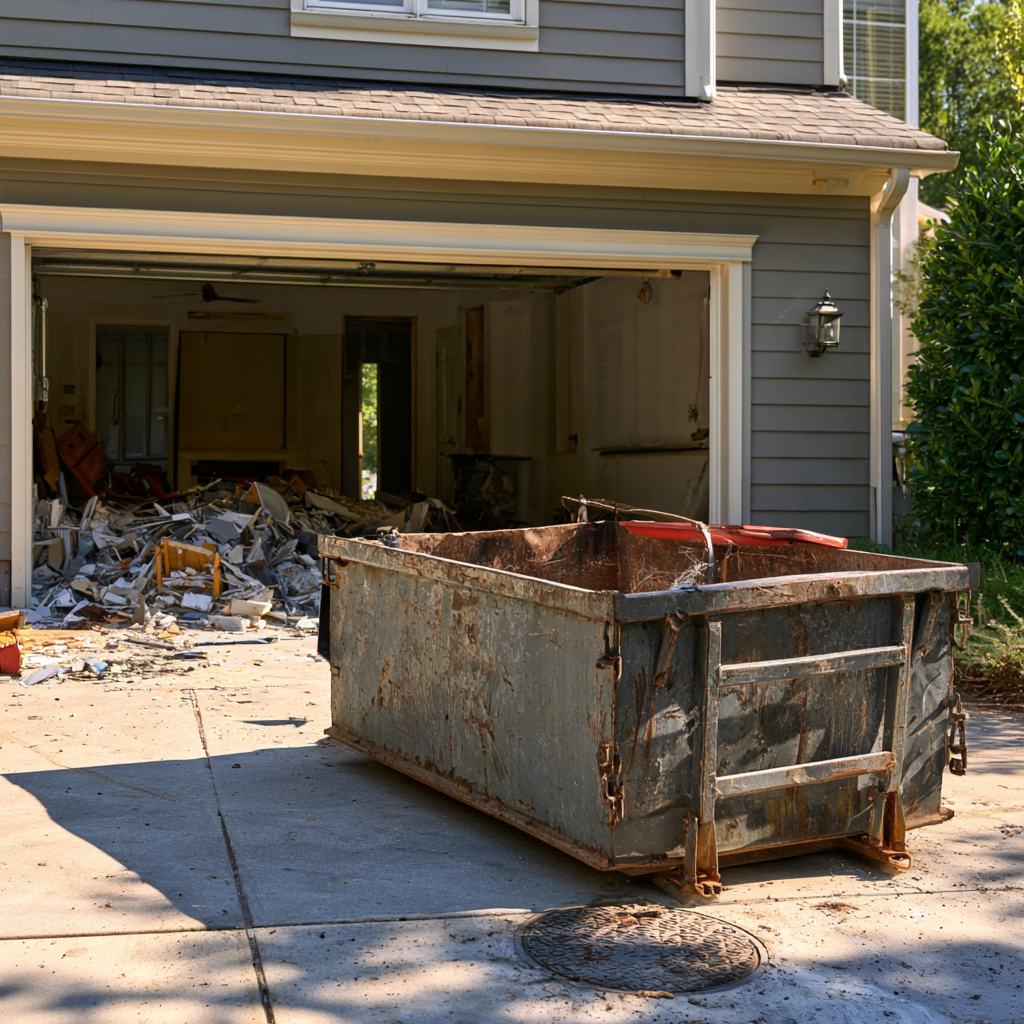
Flooring projects generate more debris than most first-time buyers expect:
- Old carpet, padding, and tack strips add up fast even in a single room
- Hardwood or tile demo produces heavier, bulkier waste
- Packaging from new flooring materials is more voluminous than it looks in the store
- Underlayment rolls and cut scraps add to the pile quickly
A 10-yard container handles most single-room flooring projects. Multi-room jobs typically call for a 15-yard or 20-yard container, depending on total square footage and what’s coming out. First-time buyers who are still settling in can also use a moving dumpster to clear out packing materials and unwanted furniture at the same time.
Upgrading flooring in high-traffic rooms is one of the most transformative DIY projects available, and modern floating-floor options make it manageable without professional installation.
10. Boost Curb Appeal
The exterior of the home is the first thing anyone sees, and small improvements to landscaping, lighting, and the entryway make a meaningful difference in how the property reads from the street.
Fresh mulch in beds, trimmed shrubs, and a few seasonal plantings handle most of the visual work. Solar-powered path lights and updated house numbers are low-cost additions that finish the look. Repainting or replacing the mailbox is a detail most buyers overlook but that visitors notice.
“First-time buyers tend to focus everything on the inside,” says the Prime Dumpster Pro. “But the front yard sets expectations before anyone steps through the door. A few hours of cleanup and a fresh layer of mulch changes how a home reads from the street.”
Landscaping and yard cleanup generate real debris volume. Dead plants, old mulch, trimmed branches, and pulled weeds can quickly exceed what curbside pickup handles comfortably, especially on larger properties or neglected yards.
Curb appeal improvements, including landscaping, exterior lighting, and entryway updates, significantly improve the home’s first impression with minimal investment.
What Size Dumpster Do You Need for First-Time Home Improvement Projects?
Most cosmetic projects, like hardware swaps, painting, and fixture replacements, don’t generate enough debris to need a dumpster. Flooring removal, landscaping, and multi-room cleanouts are a different story. Here’s how standard roll-off sizes compare for common first-time buyer projects.
| Dumpster Size | Price Range | Approximate Dimensions | Best For |
| 10-Yard Dumpster | $399–$499 | 12′ L x 8′ W x 3.5′ H | Single-room flooring removal, light yard cleanup, small amounts of demo debris |
| 15-Yard Dumpster | $449–$569 | 16′ L x 8′ W x 4.5′ H | Two-room flooring projects, moderate landscaping debris, combined light cleanout and demo |
| 20-Yard Dumpster | $499–$649 | 22′ L x 8′ W x 4.5′ H | Multi-room flooring or full home cleanup, larger landscaping and yard debris removal |
| 30-Yard Dumpster | $599–$799 | 22′ L x 8′ W x 6′ H | Major renovation combined with full property cleanup; rarely needed for typical first-time buyer projects |
| 40-Yard Dumpster | $699–$899 | 22′ L x 8′ W x 8′ H | Large-scale whole-home renovation and cleanout combinations; rarely needed for standard DIY projects |
Most first-time buyer projects fit a 10-yard or 15-yard container. If you’re tackling flooring in multiple rooms alongside landscaping and a light cleanout, the 20-yard is usually the better call.
Start Your First Home Improvement Projects the Right Way
The right first projects build confidence and make the home more livable without the pressure of a major renovation. Cabinet hardware, paint, and fixture swaps deliver real results quickly. Flooring, landscaping, and closet work take more time but change how the home functions every day.
We make debris removal straightforward so first-time homeowners can stay focused on the work. Whether you’re pulling up carpet in one room or tackling a full-yard cleanup, Prime Dumpster has the right container for the job. Your dedicated account manager will help you choose the right size and confirm your delivery window before the dumpster arrives.
Ready to get started? Contact our team to schedule your rental and get a quote.
If you are looking for 7 Home Projects That Require a Dumpster, Click Here
Recent Posts


Follow Us
Have any questions?
+1 844 853 3867
Give us a call today so we can help you find the right waste & sanitation solution for
your project!
Contact Us