
Mon - Sat 7:00 am to 7:00 pm
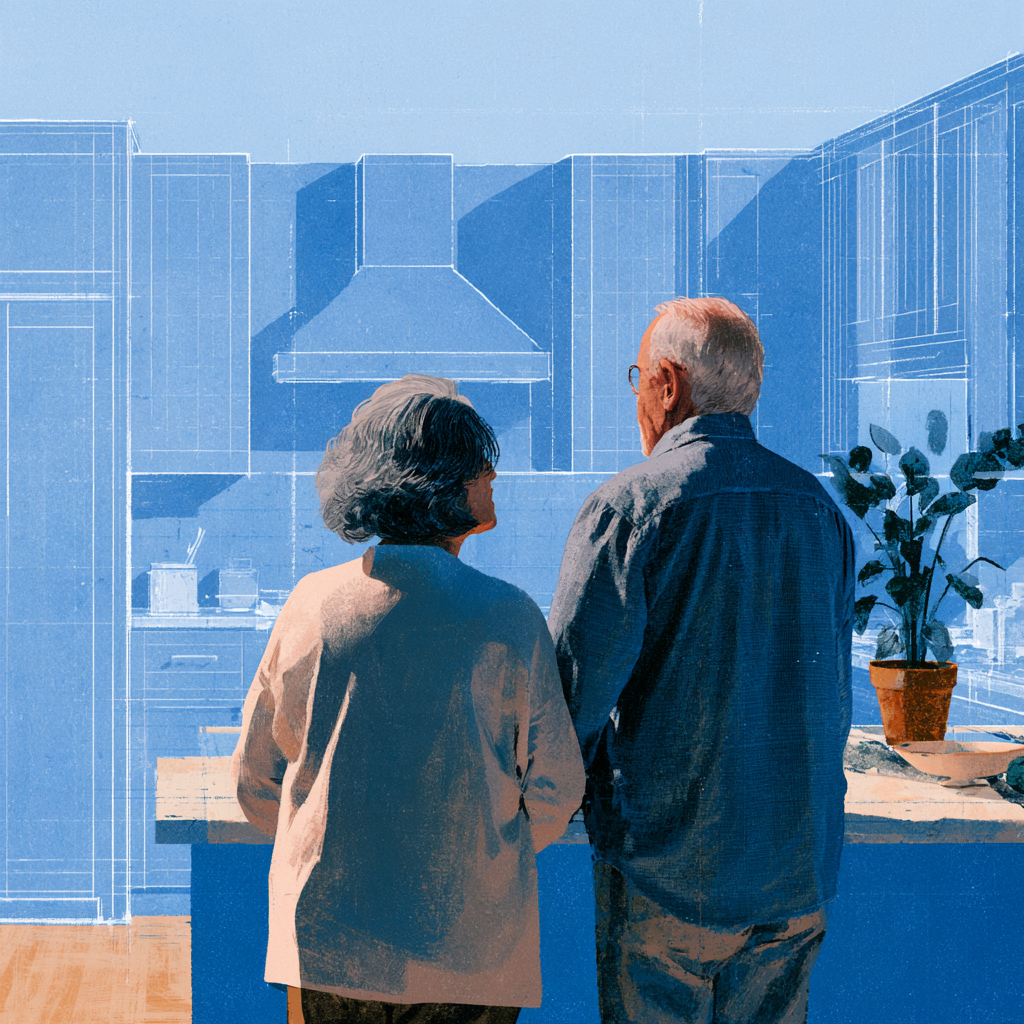
Home Remodeling for Aging in Place: A Room-by-Room Guide
Most older adults would rather stay in the homes they know than move to a care facility, and the right modifications make that possible without sacrificing safety or comfort.
Home remodeling for aging in place covers a wide range of projects, from small hardware swaps to full bathroom renovations, and the scope depends on the individual’s current and anticipated needs. Prime Dumpster works with homeowners and families managing aging-in-place renovations across the country, providing debris removal so the focus stays on the work.
A well-planned aging-in-place remodel improves safety, reduces fall risk, and supports independence in every room of the home. This guide covers the most impactful changes, room by room, along with the practical side of managing renovation debris.
Fast Facts: Home Remodeling for Aging in Place
The National Institute on Aging identifies home modification as one of the most effective ways to help older adults maintain independence and reduce injury risk. Aging-in-place remodeling spans several categories of home modifications, each addressing a different aspect of safety, accessibility, and long-term livability. Here’s a summary of the major areas and what each one provides.
| Modification Type | What It Involves | Why It Helps |
| Bathroom safety upgrades | Grab bars, curbless shower, non-slip flooring, comfort-height toilet | Reduces fall risk in the room where falls are most common and most serious |
| Kitchen accessibility | Lowered counters, pull-out shelves, lever faucets, task lighting | Keeps daily cooking and meal prep safe and manageable without assistance |
| Bedroom modifications | Adjusted bed height, grab bars, motion-activated lighting, clear pathways | Supports nighttime mobility and reduces fall risk in low-light conditions |
| Exterior and entryway | Ramps, handrails, improved lighting, non-slip surfaces, widened doorways | Ensures safe entry and exit for those using walkers, canes, or wheelchairs |
| Flooring and lighting | Low-pile or hard flooring, motion-activated or path lighting throughout | Eliminates trip hazards and improves visibility across the entire home |
| Financial assistance | Home equity loans, government grants, VA benefits, Medicaid programs | Makes modifications more accessible for fixed-income or retirement-budget households |
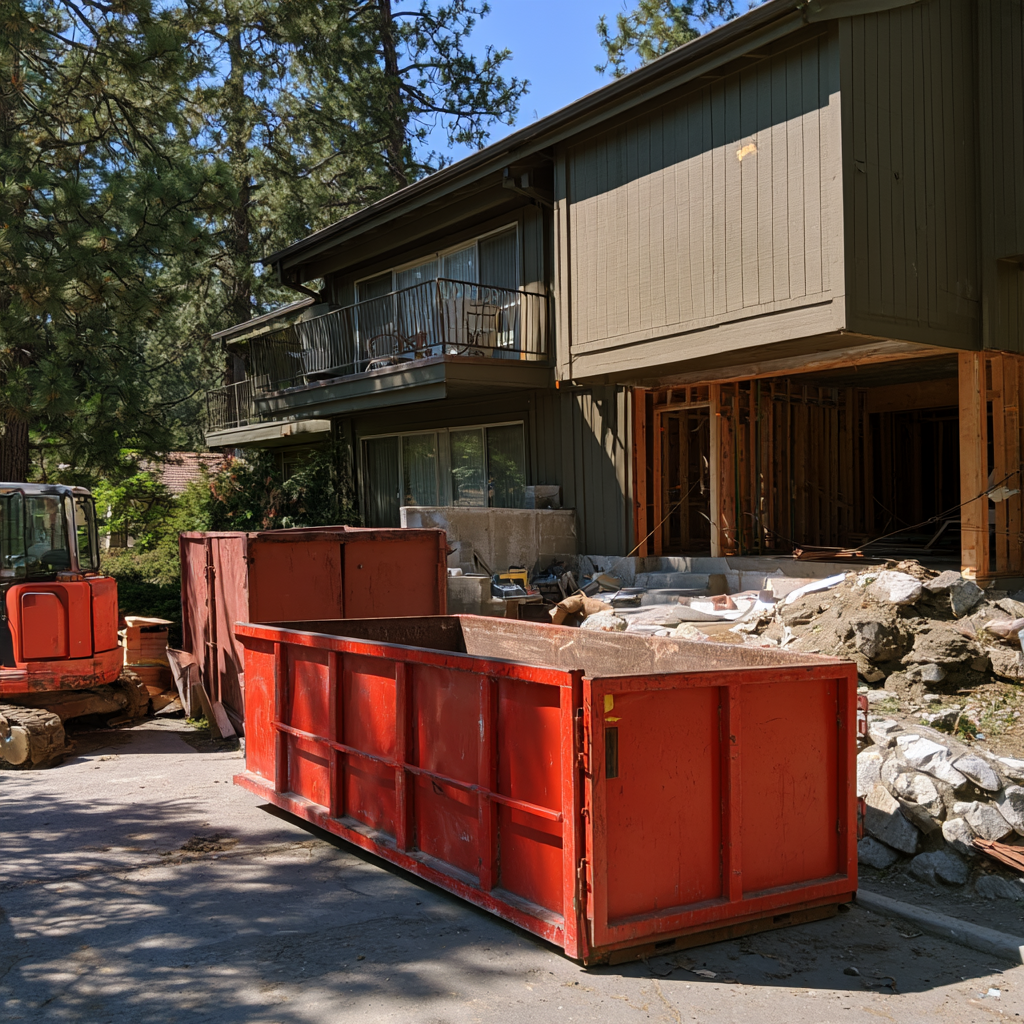
Aging-in-place renovations often generate significant debris. Bathtub removal, flooring replacement, doorway widening, and ramp installation all produce material that needs somewhere to go. A roll-off dumpster keeps the job site organized and clutter-free throughout the project, which matters especially when a senior is living in the home during the remodel.
Prime Dumpster is ready to help at every stage of the project. Whether the scope is a single bathroom renovation or a full-home accessibility overhaul, a dedicated account manager can match the right roll-off dumpster to the project, coordinate delivery around the work schedule, and arrange pickup when demolition and renovation debris is ready to go.
Bathroom Modifications for Aging in Place
The bathroom is where fall risk is highest, and it’s usually the first room addressed in an aging-in-place remodel. Wet surfaces, confined spaces, and the physical demands of bathing create conditions that call for specific safety upgrades.
Grab bars are the most immediate addition. They provide stable support in the shower, near the toilet, and alongside the tub, and they’re among the few modifications that can be installed without a contractor in most cases. Placement matters: grab bars need to anchor into wall studs or blocking, not just drywall, to support real weight under pressure.
Replacing a standard bathtub with a curbless shower is one of the more impactful bathroom changes. A curbless or low-threshold shower eliminates the step-over that’s a common cause of bathroom falls and accommodates a shower chair or wheelchair if needed. Bathroom remodeling projects generate meaningful demo debris, including the tub, surrounding tile, and potentially subflooring.
Bathroom modifications for aging in place to address first:
- Grab bars in the shower, near the toilet, and at tub entry points, anchored into studs or blocking
- Curbless or walk-in shower to eliminate step-over hazards entirely
- Comfort-height or ADA-compliant toilet, which is easier to sit and rise from
- Non-slip tile or flooring throughout the bathroom floor area
- Handheld showerhead on an adjustable slide bar for seated or assisted bathing
- Improved lighting, including night lighting for overnight trips to the bathroom
- Widened doorway if wheelchair or walker access is needed
Bathroom modifications including grab bars, curbless showers, and non-slip flooring reduce fall risk and support independent bathing for aging adults.
Kitchen Updates That Improve Accessibility
Kitchen accessibility upgrades, including adjusted counter heights, pull-out storage, lever hardware, and task lighting, keep daily routines safe and manageable.
Kitchen accessibility focuses on keeping everyday tasks manageable without overextension or strain. Most kitchen modifications don’t require structural work, though larger changes like counter height adjustments involve some demo.
Counter height is the most significant accessibility variable. Standard counters sit around 36 inches high, which can be difficult for someone seated in a wheelchair or dealing with shoulder and arm limitations. Lowering a section of counter or installing an adjustable-height surface creates a workstation that accommodates a wider range of mobility levels.
Cabinet hardware and storage systems are simpler wins. D-ring or loop pulls are easier to grip than small knobs, and pull-out shelves eliminate the need to reach deep into lower cabinets. Lazy Susans in corner cabinets bring items to the user rather than requiring an awkward reach.
“Kitchen accessibility is often addressed last, but it shouldn’t be,” says the Prime Dumpster Pro. “People spend a significant amount of time in the kitchen every day. Lever faucets, pull-out shelves, and task lighting above work surfaces make a real difference in how independently someone can manage daily routines.”
Lighting is a practical consideration that often gets overlooked. Under-cabinet task lighting improves visibility at the counter and reduces the risk of cuts or burns from working in shadow. Contrasting colors between countertops and cabinet faces also improve depth perception for those with declining vision.
Bedroom and Living Area Modifications
Bedrooms and main living areas need to support safe movement at all hours, particularly at night when lighting is low and orientation can be disorienting.
Bed height is a practical starting point. A bed that’s too low makes sitting and standing difficult and increases fall risk during transfer. Adjustable bed frames or riser blocks bring the mattress to a height that allows the feet to rest flat on the floor when sitting on the edge, which is the standard for safe independent transfers.
Clear pathways throughout the bedroom and living area matter as much as any hardware addition. Area rugs are a leading trip hazard for older adults and should be removed or secured with non-slip backing and double-sided tape. Furniture should be arranged to allow unobstructed movement with a walker or wheelchair if that’s a current or anticipated need.
Modifications that make bedrooms and living areas safer:
- Bed adjusted to a transfer-safe height, typically between 20 and 23 inches from floor to mattress top
- Grab bar or bed rail on one or both sides of the bed for support during transfer
- Motion-activated nightlights along the path from the bedroom to the bathroom
- Light switches at accessible heights, or smart switches operable by voice
- Non-slip flooring or fully secured rugs throughout
- Furniture arranged to allow wide, unobstructed pathways for walkers or wheelchairs
Bedroom and living area modifications, including adjusted bed height, clear pathways, and motion-activated lighting support safe independent movement at all hours.
Exterior and Entryway Improvements
Exterior and entryway improvements, including ramps, widened doorways, handrails, and improved lighting, create safe access to and from the home for those with limited mobility.
Getting in and out of the home safely is a prerequisite for everything else. Exterior and entryway modifications address the steps, surfaces, and lighting that create hazards before anyone reaches the front door.
Steps are the most common exterior hazard. Sturdy handrails on both sides of any stairway, extending the full length of the steps, are a standard addition. For those using a wheelchair or walker, a ramp with a gradual slope replaces or supplements stairs at the primary entrance. Ramp installation is a more involved project that typically requires a contractor and generates construction debris.
Doorways are another frequent barrier. Standard interior doorways run 28 to 30 inches wide, which doesn’t accommodate most wheelchairs comfortably. Widening to 36 inches requires framing work and drywall repair but creates lasting accessibility throughout the home, and this project produces a meaningful amount of demo material.
“Exterior modifications often get postponed because they feel like a bigger undertaking,” says the Prime Dumpster Pro. “But a ramp or a widened doorway isn’t something you want to be doing quickly under pressure. Planning and completing this work before it becomes urgent means it’s done right and ready when it’s needed.”
Lighting and surface treatments complete the exterior checklist. Motion-activated lighting at the entry, along walkways, and near the driveway reduces fall risk in low-light conditions. Non-slip coatings or textured strips on steps and porch surfaces provide traction when surfaces are wet.
Financial Assistance for Aging-in-Place Renovations
The cost of aging-in-place modifications varies widely depending on the scope of work, and several assistance options exist to help offset expenses for qualifying homeowners.
Home equity is one of the most common funding sources. A home equity loan or home equity line of credit uses the value built up in the property to finance renovations, often at lower interest rates than unsecured personal loans. For homeowners who have lived in the same home for many years, this can provide substantial borrowing capacity.
Government programs are worth researching at the federal, state, and local levels. The U.S. Department of Housing and Urban Development administers several programs that support home modifications for low-income and elderly homeowners, and many state and county programs offer grants or low-interest loans specifically for accessibility renovations. Eligibility requirements vary by program and location.
Additional assistance options worth exploring:
- VA home improvement grants for veterans with service-connected disabilities, including the Specially Adapted Housing and Special Home Adaptation programs
- Medicaid Home and Community-Based Services waivers, which cover home modifications in many states for qualifying individuals
- Nonprofit organizations focused on senior housing and accessibility, many of which offer grants or volunteer labor for modifications
- Area Agencies on Aging, which connect local homeowners with programs specific to their region and circumstances
Financial assistance for aging-in-place renovations is available through home equity products, federal and state programs, veteran benefits, and local nonprofit organizations.
What Size Dumpster Do You Need for an Aging-in-Place Remodel?
The right dumpster size depends on the scope of the project. Smaller modifications like grab bar installation and hardware swaps produce minimal debris. Bathroom renovations, flooring replacement, doorway widening, and ramp installation generate significantly more. Here’s how standard roll-off sizes match up with common aging-in-place projects.
| Dumpster Size | Price Range | Approximate Dimensions | Best For |
| 10-Yard Dumpster | $399–$499 | 12′ L x 8′ W x 3.5′ H | Single bathroom renovation, light flooring removal, small amounts of demo debris |
| 15-Yard Dumpster | $449–$569 | 16′ L x 8′ W x 4.5′ H | Bathroom and kitchen updates combined, moderate flooring demo, doorway widening debris |
| 20-Yard Dumpster | $499–$649 | 22′ L x 8′ W x 4.5′ H | Multi-room modifications, ramp installation, whole-home flooring replacement |
| 30-Yard Dumpster | $599–$799 | 22′ L x 8′ W x 6′ H | Large-scale whole-home accessibility overhauls; rarely needed for standard aging-in-place projects |
| 40-Yard Dumpster | $699–$899 | 22′ L x 8′ W x 8′ H | Extensive structural renovation combined with full-home modifications; rarely needed for typical projects |
A single bathroom renovation usually fits in a 10-yard container. Projects combining bathroom work, flooring replacement, and exterior modifications typically call for a 15-yard or 20-yard.
Don’t worry if you’re new to renting a dumpster or have more questions. You can find a wealth of information on our dumpster rental resource page.
Plan Your Aging-in-Place Remodel With the Right Support
Home remodeling for aging in place works best when it’s approached systematically, starting with the highest-risk areas and working outward from there. Bathroom safety, kitchen accessibility, bedroom modifications, and exterior improvements each contribute to a home that supports independence for the long term.
We work with homeowners and families across the country on projects of every scale, from single-room safety upgrades to full accessibility overhauls. Getting the right dumpster on-site before demolition starts keeps the project organized, the work area safe, and the timeline moving. Your dedicated account manager will help you choose the right container and coordinate delivery around your project schedule.
Ready to get started? Contact our team to schedule your dumpster rental and get a quote for your aging-in-place renovation.
If you are looking for Dumpster Rental vs Junk Removal Services: Which to Choose?, Click Here
Recent Posts


Follow Us
Have any questions?
+1 844 853 3867
Give us a call today so we can help you find the right waste & sanitation solution for
your project!
Contact Us