
Mon - Sat 7:00 am to 7:00 pm
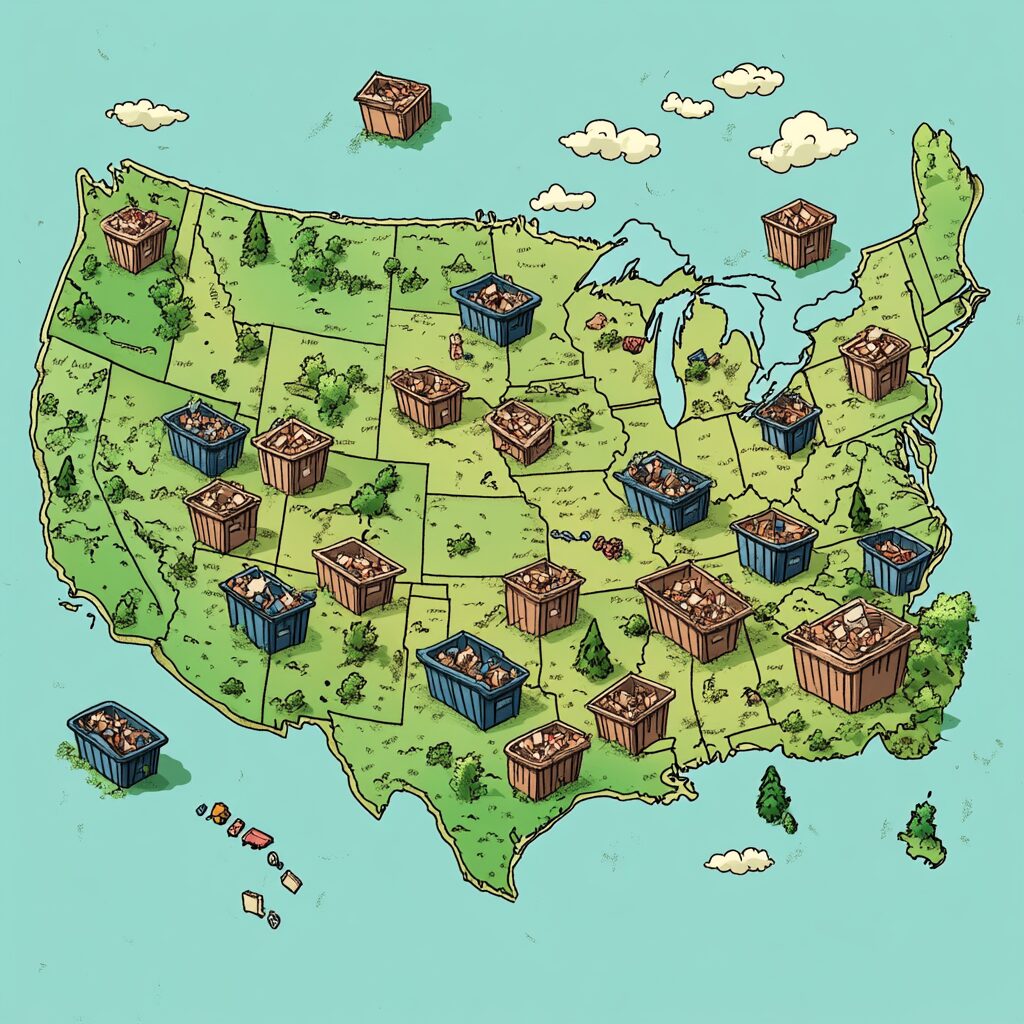
National vs Local Dumpster Rental Companies: Pros and Cons
Construction pros, event planners, contractors and homeowners face a common dilemma when renting dumpsters: should they choose a local provider or go with a national company? Deciding between national vs local dumpster rental companies often creates confusion, especially when project timelines are tight and budgets matter.
Both options offer distinct advantages depending on your specific needs and circumstances. Local providers often excel at personalized service and quick adjustments, while national companies bring standardized processes and multi-state coordination.
At Prime Dumpster, we put together this guide to break down the key differences between national and local providers, including pricing structures, service quality and logistical considerations. Understanding these distinctions helps you make informed decisions that keep projects on track and within budget.
Fast Facts: Pros and Cons for Each Type
National providers offer consistency and multi-state coordination, while local providers often offer personalized service and deep knowledge of local rules. The best choice depends on your project’s scope and priorities.
National Dumpster Rental Companies
National providers facilitate rentals across multiple states with service protocols designed for consistency. Many work with networks of local haulers, which allows them to arrange dumpster rentals in many different markets.
Pros:
- Multi-state coordination with centralized billing and unified scheduling
- Consistent processes across locations
- A single point of contact for customer support
Cons:
- Potentially less flexibility for unique local requirements or last-minute schedule changes
- Some providers have less in-depth knowledge of local regulations and neighborhood-specific challenges
Local Dumpster Rental Companies
Local providers focus on specific geographic regions and the communities around their operations. They often emphasize personalized relationships and a deeper understanding of local permitting requirements.
Pros:
- Potentially strong knowledge of local permits, regulations and neighborhood restrictions
- Flexibility and customized solutions for unique project requirements
Cons:
- Limited availability during peak seasons or high-demand periods
- Pricing that may vary more from one provider to the next
- Limited ability to coordinate multi-state projects or provide unified billing
Local providers often excel at providing personalized service, but service capabilities can sometimes be limited.
National vs Local Dumpster Rental Companies: Price, Ease, and Logistics
Whether you’re coordinating a single-site cleanup or managing debris across state lines, costs and logistics can make or break your timeline. Here’s how different providers compare.
Structured Pricing vs Flexible Rates
Larger operations often use structured pricing, which can make costs more predictable. Smaller providers may be more willing to work with you on pricing if your project runs into unexpected changes.
In both situations, make sure you understand exactly what’s included. Ask questions like:
- What does the quoted price include?
- What triggers overage fees?
- How are schedule changes or extensions handled?
Your Prime Dumpster account manager is happy to answer your questions and provide custom recommendations.
Coordination Ease: Systems vs Savvy
National providers shine when managing multi-location jobs through centralized systems. If you need containers at several sites across different states, a single point of contact can make coordination much simpler.
Local providers, on the other hand, may be able to adjust quickly when weather or site conditions change. The right fit depends on whether your priority is speed and flexibility at one site or simplicity across many.
Advantages of National Dumpster Rental Companies
When your project spans multiple ZIP codes, coordination becomes the top priority. National providers bring streamlined logistics and consistent processes to projects in different markets.
One Call Covers All Locations
Managing debris removal in several states at once can be complicated. National providers often use centralized scheduling, so you can arrange containers at multiple sites through one point of contact.
| Service Feature | Benefit | Example |
| Multi-Region Scheduling | Single point of contact | Arrange containers at sites in several states through one account manager |
| Centralized Billing | Simpler paperwork | One consolidated invoice instead of separate bills from each location |
| Consistent Processes | Same expectations everywhere | Similar ordering, delivery and pickup steps at every site |
No Guesswork Quality
If you manage crews in different cities, consistency matters. National providers aim to deliver the same ordering experience and service expectations at every location.
Common features include:
- Online ordering and account management
- Delivery and pickup updates
- A dedicated account contact for ongoing projects
The payoff is a simpler process for multi-site projects, without having to build relationships with a new provider in every market.
Does a national dumpster rental company sound like the right option for your needs? You can learn more in our guide How to Choose a National Dumpster Rental Company.
Unique Strengths of Local Dumpster Rental Services
Local providers often stand out for personal service. Many renters appreciate being able to reach someone directly who knows the area and the project.
Personalized Customer Service and Community Ties
Local teams can often respond quickly when delivery timing changes, because they’re close by and familiar with the area.
Benefits that can be harder to find elsewhere:
- Direct access to decision-makers
- Quick adjustments for urgent needs
- Knowledge of neighborhood rules and ordinances
Keep in mind you can still find these benefits from national providers, but companies vary in their local expertise.
Expertise with Local Permitting and Regulations
Permit requirements can be confusing, and local providers are often familiar with the rules in their area. They may be able to help you navigate:
- Historic district restrictions
- HOA container placement rules
- County recycling requirements
This local knowledge can help you avoid delays and keep your project moving.
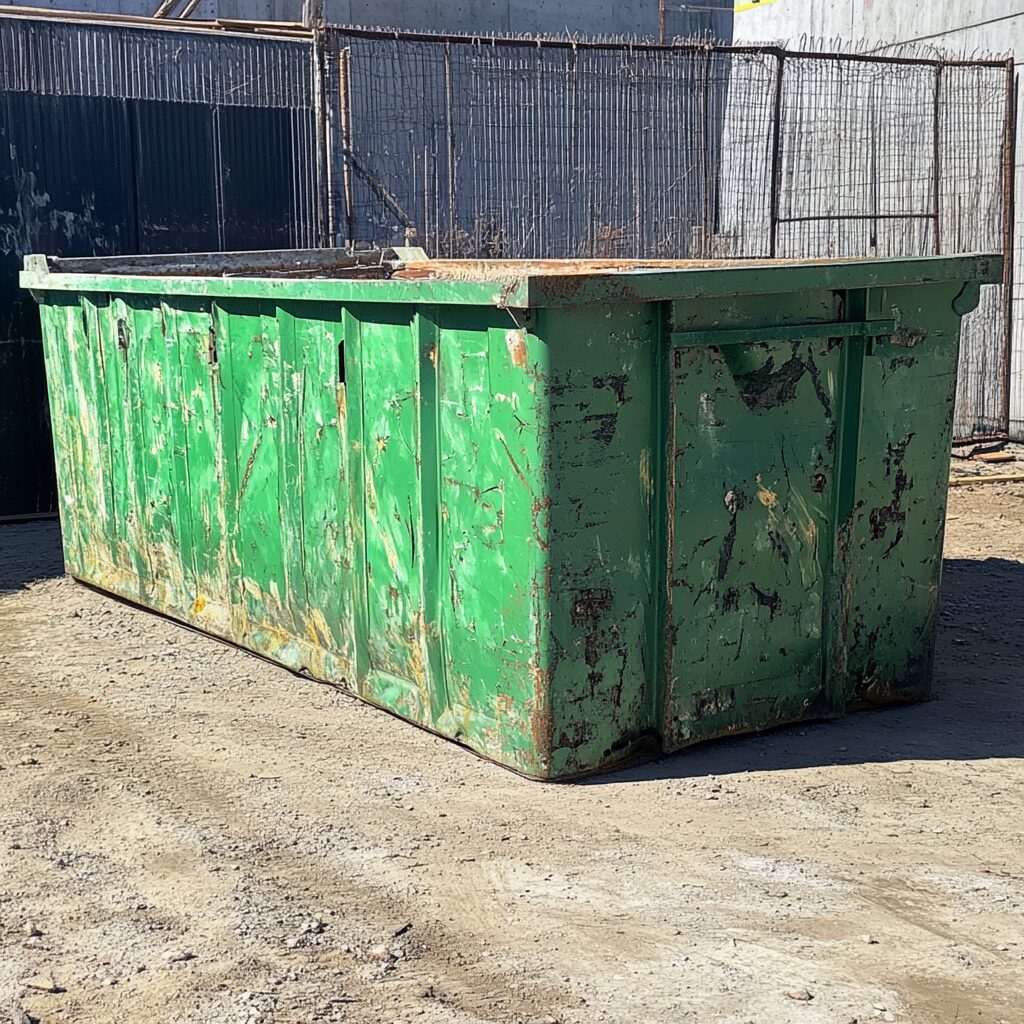
Roll-Off Dumpster Options and Sizing Explained
Whatever type of provider you choose, selecting the right container size helps you avoid running out of space or paying for room you don’t need. Here are the five most common options.
| Size | Best For | Approximate Weight Capacity |
| 10-yard dumpster | Small bathroom remodels, concrete and dirt | Up to 2 tons |
| 15-yard dumpster | Single-room cleanouts and kitchen remodels | Up to 3 tons |
| 20-yard dumpster | Mid-size projects and roofing | Up to 3 tons |
| 30-yard dumpster | Large renovations and commercial debris removal | Up to 4 tons |
| 40-yard dumpster | Commercial construction and bulky debris | Up to 5 tons |
Keep in mind dumpster availability in your area will depend on many different factors, and dumpsters available might have different sizes and weight capacities that listed above.
Smart Sizing Strategies
Start by estimating the volume and type of debris your project will produce. If you’re between sizes, it’s often better to size up so you don’t run out of room mid-project. Heavy materials like concrete are the exception, since they typically go in a 10-yard dumpster to stay within weight limits.
Businesses with steady waste streams sometimes use multiple smaller containers instead of one large unit, which can make swaps easier and reduce worksite congestion. Homeowners tackling cleanouts might pair a smaller container with junk removal for a few bulky items.
Always check weight limits, since going over can add to your cost. When in doubt, ask your provider to help you choose a size based on your project.
The Rental Process with National Providers
National providers aim to simplify the rental process with straightforward systems. Here’s how it typically works from start to finish.
A Step-by-Step Guide to Booking
Getting started usually takes a quick call or online request. Here’s the typical flow:
- Request a Quote: Share project details like location, container size and timeline
- Confirm Logistics: Choose delivery dates and review weight limits to manage costs
- Track Progress: Stay updated on delivery and pickup timing
For multi-site projects, booking several containers through one account can save time compared to coordinating with separate providers in each area.
Simplifying Multi-State Coordination
Managing trash removal in multiple regions involves more moving parts. Here’s how needs can differ between a single-site job and a multi-state project:
| Single-State Job | Multi-State Project |
| One set of local permit rules | Permit rules that vary by location |
| Standard delivery windows | Scheduling across time zones |
| One contact person | A dedicated account contact for all sites |
No matter the project size, the renter is typically responsible for securing any needed permits, so check local requirements at each site.
Final Thoughts on Choosing the Best Dumpster Rental Option
Smart contractors and homeowners evaluate three key factors when comparing national vs local dumpster rental companies: scope of work, flexibility requirements and long-term partnership potential. The best provider is the one that understands your specific needs and delivers consistent results.
At Prime Dumpster, we combine nationwide reach with local partners, helping keep projects moving and budgets on track. Contact our team to talk through the right setup for your next project.
If you are looking for Is It Cheaper to Rent from a Local or National Dumpster Company?, Click Here
Recent Posts


Follow Us
Have any questions?
+1 844 853 3867
Give us a call today so we can help you find the right waste & sanitation solution for
your project!
Contact Us