
Mon - Sat 7:00 am to 7:00 pm

Construction Porta Potty Requirements in Jackson, MI
Portable restrooms are essential for construction projects of nearly every type and size across Jackson. But placing porta potties on construction sites requires adhering to a federal, state, and local rules.
Permit requirements vary based on where you place units and what type of project you’re managing. At Prime Dumpster, we’ve created a complete guide to construction site porta potty requirements in Jackson, Michigan. Jobsite managers, contractors, and other construction pros will find easy, updated info to help ensure site compliance and improve comfort.
Fast Facts: Porta Potty Permit Requirements
“Porta potty permit requirements depend primarily on whether you’re placing units on public or private property, with public land almost always requiring authorization while private property typically gets exceptions,” says the Prime Dumpster Pro. “While exceptions are obviously involved, these basic distinctions help contractors and event planners avoid compliance issues.”
Here are the most important things to remember about renting a porta potty in Jackson, Michigan.
- Public property placement, including streets, parks, and sidewalks, almost always requires permits from your city’s building department, health department, or public works office. Fees vary by location but broadly range from about $25 to over $100.
- Private property placement for construction sites, backyard events, and residential projects usually requires no municipal permit, though homeowner associations may have their own approval requirements
- Large public events trigger stricter permit requirements regardless of location, with cities often requiring detailed site plans showing restroom placement, attendee ratios, and waste management procedures
- Permit applications typically take 3-5 business days for processing, so contractors and event planners should submit requests well before scheduled delivery dates to avoid timeline disruptions
- Many full-service porta potty rental companies handle permit applications for clients as part of their service, leveraging their knowledge of local regulations and existing relationships with municipal offices
Jackson contractors and event planners who understand these permit basics, plan ahead for application timelines, and work with experienced providers maintain compliant operations without delays or regulatory complications.
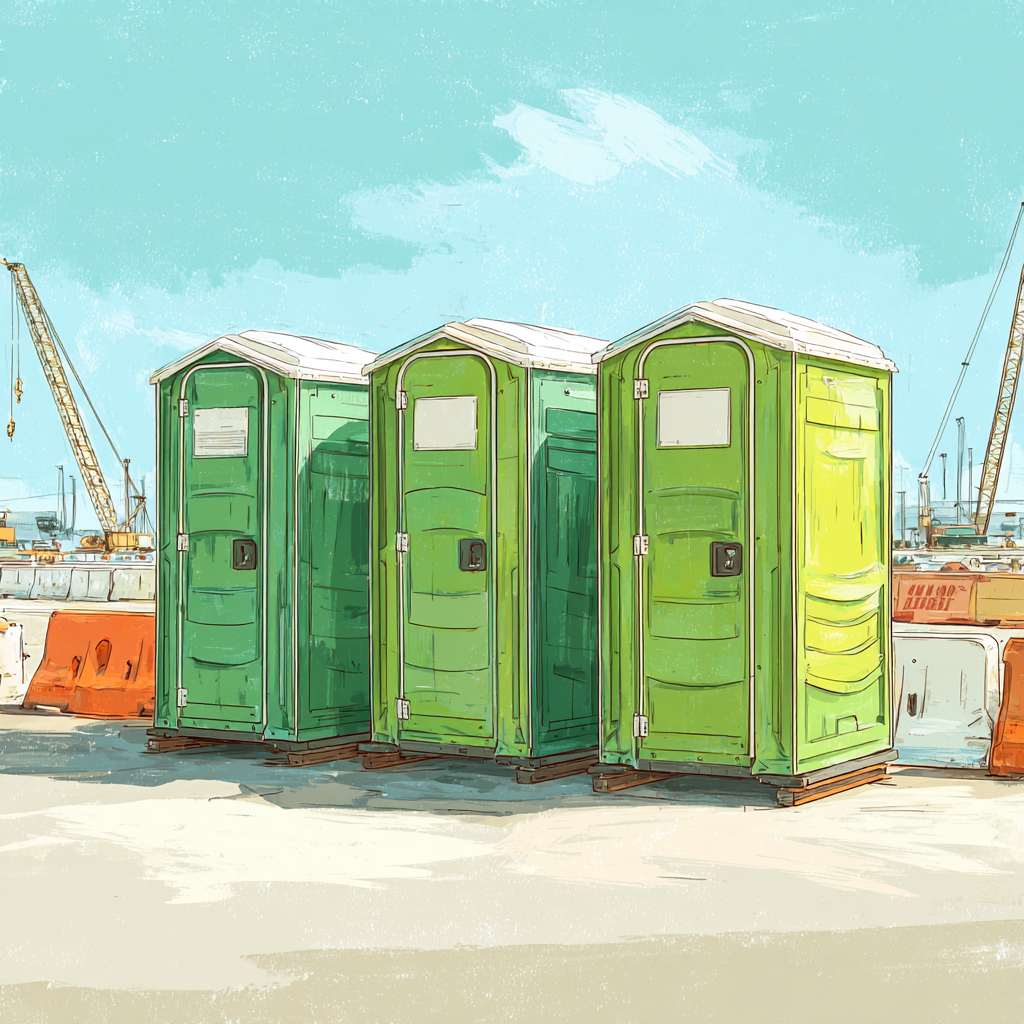
Regulations from OSHA to Local: What to Know
Are porta potties required on construction sites? What really happens if you skip proper restroom planning? The answer is expensive. Federal and state rules create a framework for worker health and safety that you must follow.
OSHA Standards for Portable Restrooms
The Occupational Safety and Health Administration sets clear standards for construction porta potty rentals. These OSHA regulations mandate adequate facilities on all job sites.
- A single violation now carries a penalty of up to $16,550.
- Proper sanitation can cut worker absenteeism by 20%.
- Willful violations may cost over $165,000.
Adhering to proper construction porta potty requirements is a direct investment in your team’s health and productivity.
State and Local Compliance in Michigan
Michigan laws align closely with federal mandates. Your site must meet these state regulations to ensure full compliance.
Local codes may add specific layers, so always check. Regular reviews of your setup keep you protected and your project on track.
How Many Porta Potties Per Person on Construction Sites?
“OSHA requires one portable toilet for every 20 workers on construction sites,” says the Prime Dumpster Pro. “You might need extra units for long projects, remote locations, extended shifts, or crews working around the clock.”
Construction projects across Jackson require careful planning for sanitation, and understanding which of the different types of porta potties available to rent match your specific situation helps ensure both compliance and worker comfort.
| Construction Situation | Common Porta Potty Types | Permit Requirements |
| Residential renovation or remodel | Standard porta potty, ADA-compliant porta potty if crew includes workers with disabilities | Typically no separate permit needed for private property placement |
| New home construction | Standard units, handwashing stations | No separate permit if on private lot; may be included in building permit |
| Commercial building construction | Standard units, ADA-compliant units, handwashing stations | Usually covered under main construction permit from city |
| Road work or public infrastructure | Standard units, may include deluxe units for long-term projects | Separate permit required for public right-of-way placement |
| Utility work on public property | Standard units, crane-lift units for elevated work | DOT or public works permit required for street/sidewalk placement |
| Industrial site or plant expansion | Standard units, ADA-compliant, possible restroom trailers | Typically included in site development permit for private property |
Assessing Optimal Placement and Accessibility
Getting the location right for portable toilets isn’t just about convenience. It’s a safety mandate that keeps your team productive and your project compliant.
Defining Walkway and Proximity Guidelines
You must place every jobsite porta potty within a 2-minute walk or 200 yards of active work areas. This rule ensures reasonable access for your crew.
With this policy in place, workers shouldn’t have to waste time trekking across a large site. Evaluate your layout to prevent unnecessary downtime.
Keep pathways clear and avoid blocking traffic. Good organization helps you meet strict accessibility rules from safety authorities.
Ensuring Safe, Well-Lit Access for Night Shifts
Night work brings extra challenges. Adequately lit pathways to all sanitation units are non-negotiable.
Why? It prevents trips and falls in the dark. Well-lit access protects your team and keeps you in compliance.
Plan your lighting setup during the day. It’s a simple step that makes a huge difference for overnight safety.
Upholding Sanitation and Hygiene Standards
What separates a compliant site from a great one? Impeccable cleanliness and access for all. Your team’s health depends on consistent hygiene practices that prevent illness.
Maintenance Schedules and Cleaning Protocols
Set a strict service routine with your provider. Regular upkeep keeps construction portable toilets functional and pleasant throughout the project.
A clean facility reflects your commitment to the crew’s well-being. We recommend weekly servicing at a minimum.
Handwashing Facilities and Sanitizer Requirements
Every group of toilets needs a handwashing station nearby. You must supply soap with paper towels or sanitizer containing at least 60% alcohol.
This simple step fights germs effectively. It’s a basic defense for worker health on the job.
ADA-Compliant Portable Solutions
Ensure accessibility for everyone. Rules mandate that 5% of your total units meet ADA standards.
These models feature wider doors, grab bars, and ample interior space. They provide necessary access for all team members.
It’s a non-negotiable part of inclusive and compliant site planning.
Construction Site Porta Potty Requirements in Jackson, MI
Stop the guesswork about permits for porta potties. Federal guidelines provide a clear blueprint for the number of units required.
Getting this calculation right keeps your project running smoothly and avoids regulatory trouble.
Mandatory Ratios and Unit Calculations
The rule is straightforward. You must supply at least one portable toilet for every 20 workers.
When your team grows beyond that, the math changes slightly. For a crew of more than 20 people, the standard becomes one seat and one urinal for every 40 workers.
These are the non-negotiable foundations for site sanitation.
Adjustments for Peak Workforce Demands
Here’s the critical part. You must base your calculations on your peak workforce numbers, not an average.
Planning for the maximum crew size is essential. It ensures adequate facilities are always available.
We advise managers to adjust their rental needs whenever more people are on the job. A quick call to your service provider can update your delivery schedule.
This proactive step is the best way to maintain full compliance with OSHA regulations.
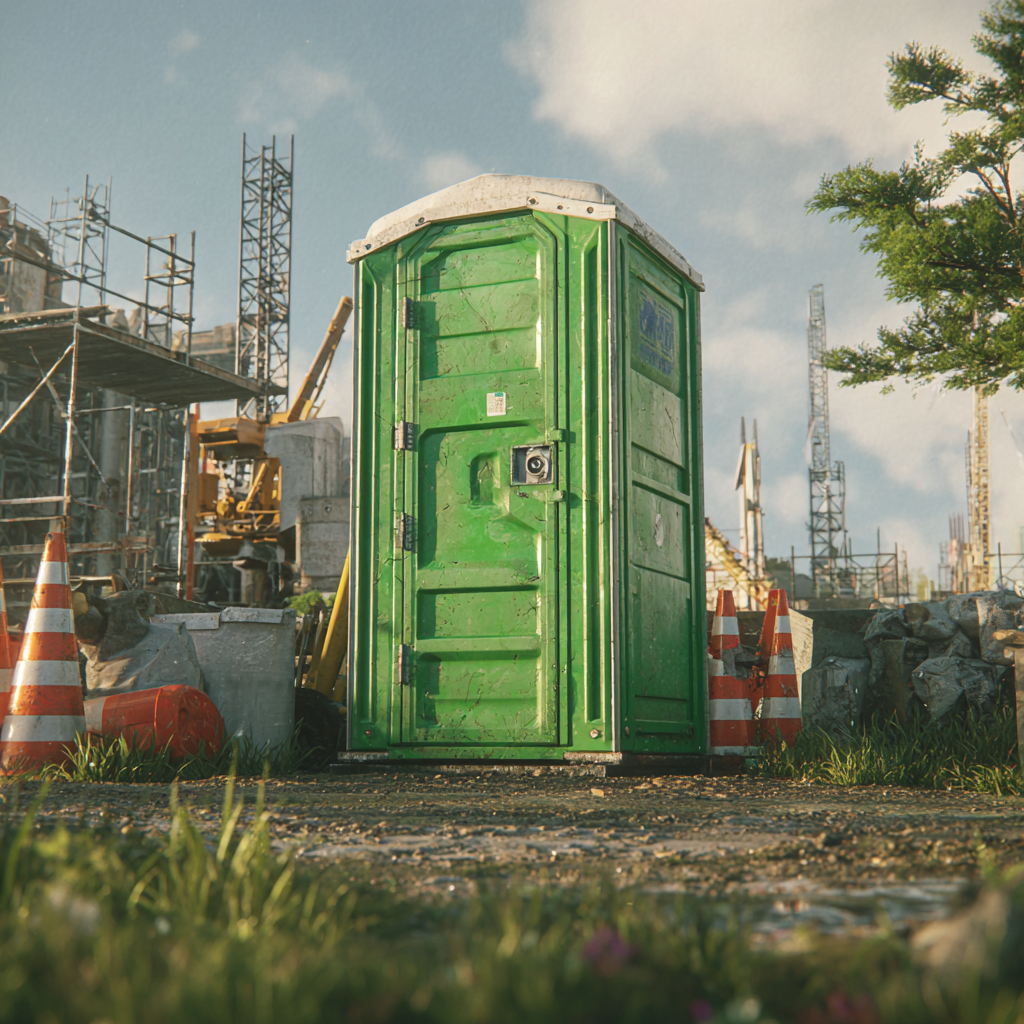
Do I Need a Permit for a Porta Potty on a Construction Site?
For most construction sites in Jackson, a separate porta potty permit is not required when units are placed on private property, as sanitation is typically covered under the building permit already issued for the project.
When units are placed on public property — such as a street, sidewalk, or city park — Jackson permits and regulations generally require separate authorization from the city’s building or public works department.
Contractors should also be aware that even on private property, homeowner associations may have their own approval requirements that apply independently of any municipal permitting process.
In accordance with the American National Standards Institute's Standard Z4.3, restrooms must be located no more than 200 feet or 60 meters from the primary workspaces, considering a work schedule of 8 hours a day and 40 hours a week.
Implementing Effective Maintenance and Safety Strategies
Think of your sanitation units as a critical piece of your project’s safety gear. Keeping them clean and functional is a direct line to protecting your team’s health and meeting regulatory standards.
A clear schedule is your best tool. The rules are specific based on how many people are on your site.
| Site Size (Workers) | Required Service Frequency | Key Action for Managers |
| 1 to 20 | Weekly | Schedule a weekly cleaning visit. |
| 21 to 49 | Weekly (minimum) | Monitor usage and request extra service if needed. |
| 50 or more | Every three days | Confirm service every 72 hours. |
Bringing It All Together for a Compliant Jobsite
You now understand the key factors that determine porta potty permit requirements, from public versus private property distinctions to application processes and compliance strategies. Prime Dumpster provides expert guidance on construction porta potty requirements in Jackson, Michigan, and helps contractors, event planners, and property managers navigate local regulations efficiently. Contact us for portable restroom rentals, permit assistance, and answers to your specific compliance questions.
If you are looking for 6 Easy DIY Porta Potty Decorating Ideas, Click Here
Recent Posts


Follow Us
Have any questions?
+1 844 853 3867
Give us a call today so we can help you find the right waste & sanitation solution for
your project!
Contact Us