
Mon - Sat 7:00 am to 7:00 pm

Porta Potty Rental for Construction in Richland, Washington
Construction sites across the Tri-Cities face immediate compliance risks when sanitation facilities don’t meet OSHA standards. From commercial builds near the Hanford Site to residential developments in South Richland, renting the right portable toilets for your jobsite requires understanding crew ratios, placement strategies, and service schedules.
At Prime Dumpster, we’ve coordinated construction site sanitation for projects throughout the Columbia Basin, from high-rise builds requiring crane-lift units to sprawling residential developments needing multiple standard facilities. Our guide to porta potty rentals for construction in Richland, WA, 99352 covers federal compliance requirements, unit selection for different project types, and cost management strategies that protect your budget without compromising worker safety.
Fast Facts: Construction Site Porta Potty Rentals
We asked our Prime Dumpster Pros for their answers to common questions about renting construction porta potties in Richland, Washington.
How many porta potties does a construction site actually need?
“OSHA requires one toilet for every 20 workers as your baseline, but smart contractors plan for peak crew numbers rather than averages to avoid shortages during critical project phases. If you’ve got subcontractors rotating through or expect inspections bringing extra personnel on-site, factor those temporary spikes into your count from day one.”
What’s the ideal placement strategy for construction site porta potties?
“Keep units within 200 feet of active work areas so crews don’t waste productive time walking across large sites, but position them away from equipment paths and material staging zones to prevent safety hazards. Level ground with clear access for service trucks matters just as much as proximity to workers, since blocked service routes create maintenance problems that affect the entire site.”
How often do construction porta potties need servicing?
“Standard construction sites require weekly service as the baseline, with waste removal, restocking supplies, and interior cleaning included in each visit. High-traffic sites with crews exceeding 50 workers often need twice-weekly service to maintain functionality, while smaller crews on extended projects might negotiate bi-weekly schedules during slower phases.”
What porta potty features matter most for construction crews?
“Durability and functionality trump luxury on active job sites, so standard units with hand sanitizer dispensers handle most construction needs without unnecessary costs. ADA-compliant units aren’t just for accessibility compliance. Their extra interior space benefits workers wearing bulky gear or carrying tools, making them practical additions even when regulations don’t specifically require them.”
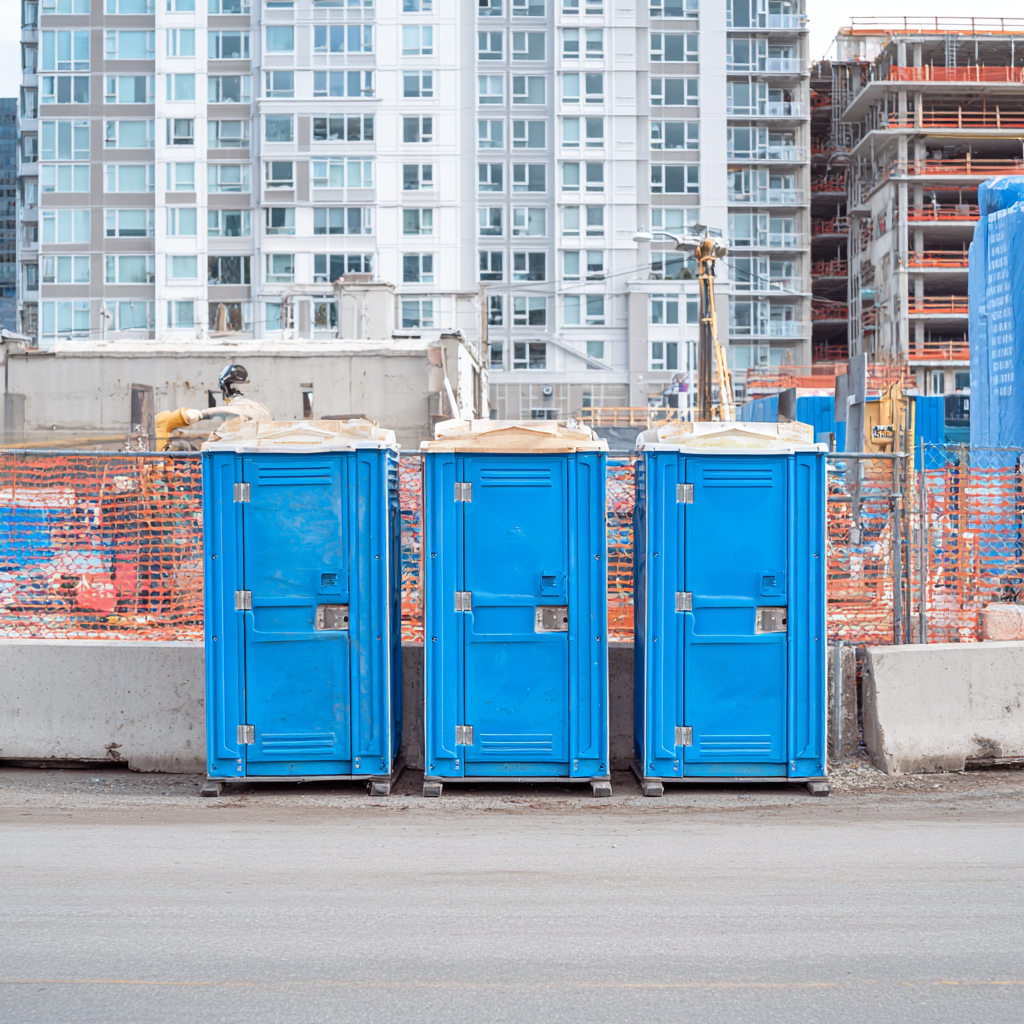
Assessing Restroom Needs for Construction Sites
Smart planning for on-site facilities in Richland, Washington starts with understanding two things: your crew size and the rules. Getting this right keeps your project compliant and your team productive.
Evaluating Crew Requirements and OSHA Guidelines
Federal regulations provide a clear framework. You must follow these ratios to meet basic standards.
- One toilet serves up to 20 workers.
- For 21 to 200 employees, provide one toilet seat and one urinal for every 40 people.
- Sites with over 200 workers need one toilet seat and one urinal per 50 employees.
Always plan for your peak staffing numbers, not the average. This prevents shortages during critical project phases. Your rental provider can also clarify any local ordinances that might add extra rules.
Exploring Different Porta Potty Options
Not all portable restrooms are created equal. Understanding your options ensures you get exactly what your team needs.
Basic units handle OSHA requirements efficiently. But sometimes your project demands more specialized solutions.
Flushable, Towable, and Crane Lift Models
While specifics will vary based on availability, here are the most common portable toilet types typically available:
Standard construction porta potties work well for most sites. They’re economical and meet basic needs.
Flushable portable toilets offer foot pump systems and mirrors. Crews appreciate these cleaner options during long shifts.
Towable porta potty units attach directly to work trucks. They’re perfect for roving crews on pipeline projects.
Crane lift porta potties solve access problems on high-rise sites. You can position them where workers actually spend time.
ADA Accessible Units and Built-In Sinks
ADA-compliant portable toilets feature wider doorways and handrails. They offer extra space that benefits everyone.
Workers carrying tools or wearing bulky gear appreciate the roomier interior. These units provide safe, dignified facilities for all.
Built-in sink models combine toilet and handwashing in one footprint. Some connect to water sources while others use self-contained tanks.
Restroom trailers provide multiple stalls with flushing toilets. They create an experience closer to permanent facilities.
Insulated units with heating extend comfortable use through colder months. The right choice depends on your project duration, crew size, and site accessibility.
Preparing Your Construction Site for Delivery and Setup
A smooth delivery day starts with proper site preparation before the truck even arrives. Think of it as setting the stage for a seamless experience. Getting this right saves time and prevents headaches.
Site Selection and Accessibility
Choose your spot wisely. Level ground is non-negotiable for stability. Avoid areas near lunch zones or future material storage.
Confirm truck access is clear. Delivery vehicles need wide paths without overhead wires. Mark placement spots with spray paint for precision.
Keep units 50 feet from structures for service access. Consider wind patterns in open areas. Plan for future site changes too.
Efficient Installation Practices
Clear debris from the delivery area beforehand. This allows quick placement when the truck shows up. Your crew will appreciate the efficiency.
Communicate any gate codes or time restrictions early. Rush service may be available but planning ahead saves money.
Think about the entire project timeline. That empty corner today might be a busy work zone next month. Smart placement prevents moving units later.
| Site Preparation Factor | Ideal Condition | Problematic Scenario |
| Ground Surface | Level, compacted soil | Sloped or soft ground |
| Vehicle Access | Clear 12-foot wide path | Narrow passages or low wires |
| Future Site Use | Stable, low-traffic area | Future equipment staging zone |
| Service Access | 50-foot clearance all sides | Blocked by materials or fencing |
Porta Potty Rental for Construction in Richland, Washington
Finding the right portable restroom provider in the Tri-Cities area makes all the difference. The region’s construction landscape spans from downtown redevelopment to industrial expansions near the Hanford Site. Each project type requires tailored sanitation solutions that match its scale and duration.
Local companies serving Richland, Pasco, and Kennewick understand regional demands deeply. They respond quickly to sites throughout Benton and Franklin counties. West Richland’s growing neighborhoods and Horn Rapids’ industrial zones create consistent need for these services across diverse project types.
Geography matters when selecting your provider. Firms based in the Tri-Cities navigate local streets efficiently. This reduces delivery times compared to companies operating from Yakima or Spokane. You save both time and transportation costs.
Seasonal patterns affect availability too. Summer’s dry months bring construction peaks that increase demand. Booking early for projects starting between May and September ensures you get units when needed. Winter work continues despite occasional cold snaps, so providers stock insulated models that function reliably.
Richland’s flat terrain generally simplifies delivery. However, older neighborhoods might require careful access planning. Established local businesses understand Tri-Cities construction timelines. They help your site meet both OSHA standards and city waste management regulations.
Cost Considerations and Money-Saving Strategies
Construction site sanitation represents a necessary investment in worker safety and project compliance. Understanding price ranges helps you budget accurately without sacrificing quality or reliability.
Smart planning controls costs while maintaining the facilities your crew needs. Early booking and clear communication with providers prevent unexpected charges that strain project budgets.
Typical Price Ranges for Construction Rentals:
- Standard Porta Potty: $199 to $349
- Deluxe Flushing Toilet: $300 to $400
- Units with Built-In Sinks: $300 to $400
- ADA-Compliant Unit: $200 to $300
- Handwashing Station: $150 to $250
Construction rentals typically operate on 28-day billing cycles, with pricing covering the full monthly period including regular service visits.
These price ranges represent general estimates, and actual costs vary based on location, rental duration, service frequency, and specific site requirements.
Local Regulations and OSHA Compliance
Compliance isn’t just about checking boxes—it’s about protecting your workers and your project timeline. Federal inspectors have the authority to halt operations if sanitation standards aren’t met properly.
Understanding the full scope of regulations helps you avoid costly shutdowns. The rules cover everything from unit counts to placement and maintenance schedules.
Navigating Federal and Local Requirements
OSHA sets the baseline for how many facilities you need based on crew size. But local ordinances in Benton County often add extra layers of responsibility.
Your rental provider’s account team can identify specific regional rules. They help ensure your setup meets all standards from day one.
ADA accessibility requirements apply to job sites too. Providing appropriate units creates an inclusive environment for all team members.
Keep your rental agreements and service records readily available. Documentation proves compliance during unexpected inspections.
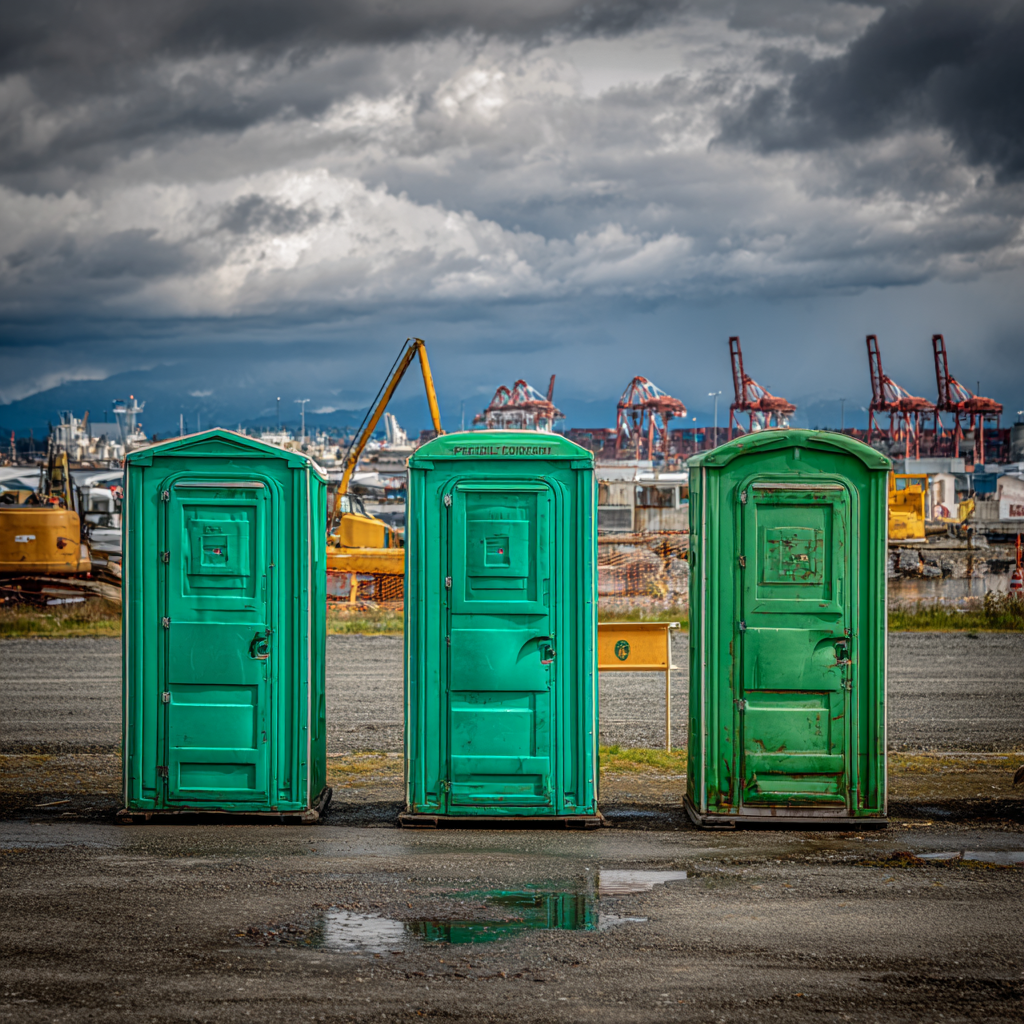
Maintenance and Service Frequency on Active Sites
Regular service visits transform basic sanitation into a reliable asset that supports your entire project timeline. The right maintenance schedule keeps facilities clean and fully stocked.
Your account manager helps determine the ideal service frequency based on crew size and project duration. Most construction sites benefit from weekly maintenance.
Regular Cleaning Intervals
Weekly service represents the industry standard for active job sites. Daily crew use generates significant waste and depletes supplies quickly.
High-traffic locations with crews exceeding 50 workers often need twice-weekly attention. This prevents units from becoming unusable mid-week.
If your schedule cannot accommodate weekly service, consider adding extra portable toilets. Distributing usage extends time between required cleanings.
| Crew Size | Standard Service | High-Traffic Option |
| 1-20 workers | Weekly service | Bi-weekly check |
| 21-50 workers | Weekly service | Twice weekly |
| 50+ workers | Twice weekly | Three times weekly |
Managing Service and Waste Disposal
Service visits include pumping waste tanks and restocking essentials. Technicians clean interior surfaces and check functionality.
Waste disposal follows strict environmental regulations. Rental companies transport contents to approved treatment facilities.
Seasonal changes affect maintenance needs. Summer heat accelerates odor development, while winter cold impacts tank capacity.
Report issues like damaged doors between scheduled visits. Some agreements include emergency service calls at no extra charge.
Richland Construction Site Sanitation Solutions
Successful porta potty rental for construction in Richland WA starts with accurate crew counts, OSHA-compliant unit ratios, and providers who understand Tri-Cities project timelines.
General tips to keep in mind:
- Calculate one unit per 20 workers
- Position facilities within 200 feet of work areas
- Schedule weekly service for active sites
Reach out to our Prime Dumpster team for construction-specific portable restroom solutions that meet federal standards while keeping your Benton County project on schedule and your crew productive.
If you are looking for Guide to Porta Potty Rentals for Events in Richland, Washington, Click Here
Recent Posts


Follow Us
Have any questions?
+1 844 853 3867
Give us a call today so we can help you find the right waste & sanitation solution for
your project!
Contact Us