
Mon - Sat 7:00 am to 7:00 pm

Q&A with the Prime Dumpster Pros: Porta Potty Rentals for 2026
Planning portable restroom rentals can feel complex. Seasonal demand spikes, regional market variations, and industry-specific requirements create a competitive landscape where timing and strategy determine success.
Whether you’re managing construction sites, coordinating government contracts, planning large-scale events, or overseeing commercial developments, you need answers fast. Understanding porta potty rental trends for 2026 means the difference between securing quality equipment at fair prices and scrambling for overpriced last-minute solutions.
At Prime Dumpster, we’ve created this comprehensive Q&A guide with our team of sanitation professionals who coordinate portable restroom solutions nationwide. Our experts answer the critical questions about who’s renting, how seasonal patterns affect availability and pricing, cost-saving strategies and more.

Who’s Renting Porta Potties in 2026?
Portable restroom demand spans far beyond traditional construction sites, with industries from government agencies to event producers competing for the same inventory. Here’s a look at who is renting portable toilets this year:
What types of construction projects require porta potty rentals in 2026?
“You’re looking at everything from residential housing developments and commercial builds to infrastructure work like road expansions and utility installations. High-rise projects in urban areas need specialized units that can be crane-lifted to upper floors, while sprawling suburban developments require multiple standard units spread across the site.
Renovation work creates unique challenges because you’re often dealing with occupied buildings where existing restrooms can’t accommodate the construction crew, so you’ll need temporary facilities even on properties with permanent bathrooms. Match your unit count to your crew size with one toilet for every 10 workers as your baseline, then adjust based on shift length and whether you’ve got subcontractors rotating through the site.”
How do government contracts and municipalities handle portable restroom requirements?
“Government work comes with strict compliance standards you won’t find in private sector jobs. Federal projects follow specific ratios mandated by OSHA, and you’ll need detailed documentation showing you’re meeting those requirements throughout the contract period.
Municipalities planning public events like Fourth of July celebrations, farmers markets, or community festivals typically start their procurement process three to four months out, and they’re looking for vendors who understand ADA compliance because accessibility isn’t optional on taxpayer-funded projects. State DOT contracts for highway work often span multiple years, so you’re negotiating long-term agreements that account for seasonal fluctuations and work zone relocations as the project progresses.”
What porta potty needs do commercial developments and property managers have?
“Property managers deal with two distinct scenarios: ongoing maintenance projects at existing facilities and new construction on commercial sites. Shopping centers doing parking lot repairs or facade renovations need units that won’t disrupt customer traffic, so placement becomes critical and you’re often working around business hours for delivery and service.
Office building managers coordinating major HVAC upgrades or lobby renovations want discreet units positioned away from main entrances, and they’ll pay premium rates for luxury trailers that match the property’s professional image. New commercial developments like retail centers and industrial parks need construction-grade units during the build phase, then you’re potentially looking at permanent or semi-permanent installations for staff and visitors once the property opens.”
Which industries beyond construction are driving porta potty rental demand in 2026?
“Event production is massive with wedding planners, festival organizers, and concert promoters all competing for inventory during peak summer months. Agriculture is bigger than people realize, with farms needing units during harvest season when they’re bringing in temporary labor crews, and vineyards hosting wine tastings and tours require upscale facilities that won’t turn off paying guests.
Film and television production companies need portable restrooms for location shoots, often in remote areas without infrastructure, and they want quick turnaround on delivery and pickup as shooting schedules shift. Disaster relief and emergency response agencies maintain relationships with rental providers for rapid deployment when hurricanes, floods, or other crises hit, and outdoor recreation facilities like trail systems, campgrounds, and parks are adding units as visitor numbers climb.”
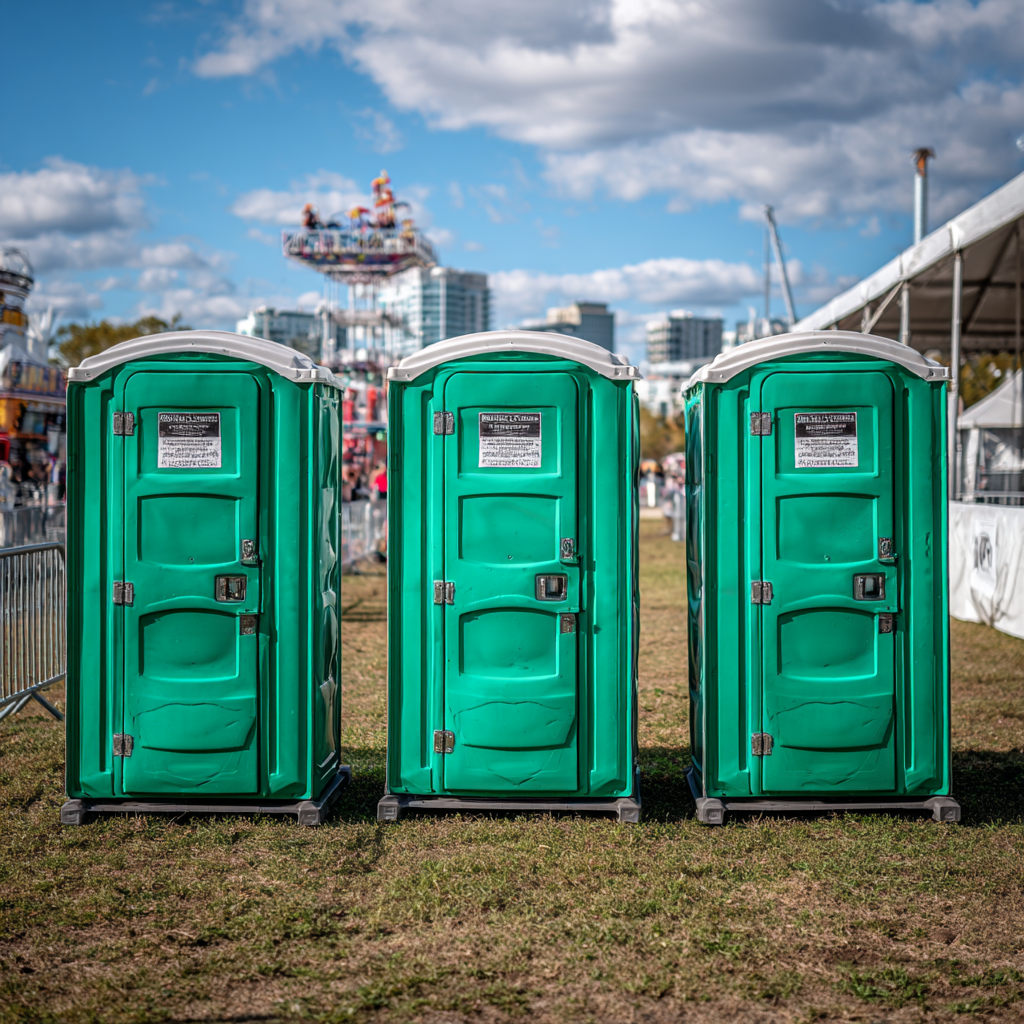
Planning Porta Potty Rentals by Season
Timing your reservations around seasonal patterns determines both equipment availability and the rates you’ll pay throughout the year.
How far in advance should you book porta potties for summer 2026 events and projects?
“Summer can be brutal for availability. Wedding season, music festivals, and construction all peak between May and September, so you’re competing with everyone for the same inventory.
Book six to eight weeks ahead minimum for standard events and construction projects. Premium units like luxury trailers need 10 to 12 weeks advance notice because they’re in short supply. If you’re planning a major festival or multi-day event on a holiday weekend, start your reservations even earlier. Summer pricing hits its highest point from June through August, so early booking also locks in better rates before seasonal surcharges kick in.”
What special considerations apply to winter porta potty rentals?
“Standard units can freeze when temperatures drop below 32 degrees. You need winterized models with antifreeze solutions and specially formulated chemicals that function in cold weather.
The good news is availability improves dramatically once event season ends in late fall. Construction projects running through winter months get better selection and stronger negotiating power on monthly rates. Placement matters more in winter because you want units accessible even when snow and ice create hazardous conditions. Factor in extra service costs if your site requires snow removal around the units or additional winterizing treatments during extreme cold snaps.”
How does spring weather affect porta potty planning and service schedules?
“Spring brings unpredictable temperature swings that create real challenges. You might see 40-degree mornings and 75-degree afternoons, and that temperature variation affects waste breakdown and odor control inside the units.
Rain is your other major concern in spring. Units need placement on high ground or stabilized surfaces to prevent sinking into muddy areas. Smart planners choose models with enhanced ventilation and non-slip flooring to handle wet conditions when guests track in moisture. Service frequency might need adjustment if you’re hitting unseasonably warm stretches above 80 degrees. Book two to three weeks ahead for spring events, which gives you better availability than summer without the winter freeze concerns.”
What makes fall an advantageous time for long-term portable restroom rentals?
“Fall creates interesting market dynamics as event season winds down but construction pushes to finish before winter weather hits. Rental companies have more inventory available, so you’ve got better selection and leverage to negotiate favorable rates on extended contracts.
September through November offers the sweet spot for locking in multi-month agreements. Temperature conditions are generally moderate, so you’re not dealing with summer heat issues or winter freeze protection yet. Projects starting in fall can often secure better terms that carry through into the following year.”

Regional Market Trends for 2026 Porta Potty Rentals
Geographic location dramatically affects equipment availability, pricing structures, and the specialized features you’ll need to handle regional climate and regulatory requirements.
What regional challenges affect East Coast porta potty rentals?
“East Coast markets deal with extreme urban density and space constraints that make delivery and placement more complicated than anywhere else in the country. High-rise construction in cities like New York, Boston, and Philadelphia requires crane-liftable units that cost 30 to 40 percent more than standard models, and you’re booking these specialized units 10 to 12 weeks ahead because inventory is limited.
Competitive markets mean better base pricing in metro areas, but permitting requirements add complexity and cost. Coastal events face hurricane season disruptions from June through November, so smart planners build weather contingencies into their contracts and maintain backup provider relationships.”
How do West Coast sustainability requirements impact porta potty planning?
“California and neighboring states mandate water-saving features that exceed federal requirements, with regulations pushing adoption of low-flow and waterless technologies across all rental fleets. Eco-conscious clients actively seek solar-powered units and composting toilets, driving 40 percent higher adoption rates for green technologies compared to national averages.
Drought conditions make water conservation a priority even for temporary facilities. West Coast providers lead the industry in smart monitoring systems and sustainable practices, but expect to pay 15 to 20 percent premiums for units meeting the strictest environmental standards.”
What makes Midwest porta potty rentals different from coastal markets?
“Midwest operations face the most extreme seasonal variations in the country, with winter temperatures plunging below zero and summer heat regularly exceeding 95 degrees. You need freeze-protected units with heavy-duty antifreeze systems from November through March, then switch to enhanced ventilation models for brutal summer conditions.
Agricultural demand creates unique patterns with harvest season requiring temporary labor housing and field facilities across sprawling rural properties. Towable units dominate Midwest markets because farms, oil fields, and large construction sites need mobility across acreage that would require a dozen fixed units elsewhere.

Cost-Saving Strategies for Porta Potty Rentals in 2026
Smart budgeting separates savvy renters who secure quality equipment at fair prices from those who overpay or sacrifice reliability chasing the lowest advertised rate.
What’s the real cost breakdown of porta potty rentals, and where do hidden fees appear?
“The daily or weekly rate you see advertised is just the starting point. Delivery fees, service charges, disposal costs, and fuel surcharges can easily double your total expenses if you’re not paying attention.
Always request a detailed breakdown showing every charge throughout your entire rental period. Location affects pricing significantly, with urban areas offering more competitive rates than remote locations where providers factor in longer drive times and limited competition.”
How can long-term contracts and multi-project agreements reduce rental costs?
“Providers prefer keeping equipment working rather than sitting idle in their yards. Multi-phase projects or seasonal contracts spanning several months give you serious negotiating leverage because you’re offering guaranteed revenue over an extended period.
Established relationships yield priority access during tight inventory periods and preferential pricing on future rentals. Companies often discount monthly rates by 15 to 20 percent compared to weekly pricing when you commit to longer terms.”
When is the best time to negotiate portable restroom rates?
“Fall and winter present the strongest negotiating opportunities because demand drops dramatically after event season ends. Companies want to keep their fleets working through slower months, so they’re motivated to offer better deals on projects starting between September and March.
Peak summer months command premium rates with little room for negotiation. Book during off-peak periods whenever your project timeline allows, and you’ll see substantial savings compared to June through August pricing.”
What strategies help balance cost savings with quality and service reliability?
“Choosing the cheapest option often backfires when units arrive late, service gets skipped, or equipment fails during critical periods. Your reputation takes a hit when guests or workers deal with overflowing toilets or malfunctioning doors, and those complaints cost more than the money you saved.
Focus on value rather than rock-bottom pricing by comparing total costs including service frequency and emergency response guarantees. Reliable providers with slightly higher base rates often deliver better overall value through consistent service and equipment that actually works when you need it.”
Planning Your 2026 Porta Potty Rental Success
Successful porta potty rentals in 2026 hinge on seasonal booking windows, industry-specific demands, and strategic cost management. Smart planning starts months before you need equipment and focuses on building provider relationships that deliver consistent service throughout the year.
Ready to secure your portable restroom solutions with confidence? Contact us at Prime Dumpster to discuss your specific project requirements, receive expert recommendations tailored to your industry and timeline, and develop a rental strategy that keeps your sites, events, and facilities running smoothly throughout 2026.
If you are looking for Guide to Renting Farm Restrooms, Click Here
Recent Posts


Follow Us
Have any questions?
+1 844 853 3867
Give us a call today so we can help you find the right waste & sanitation solution for
your project!
Contact Us