
Mon - Sat 7:00 am to 7:00 pm

Porta Potty Requirements for Women in Construction
With more women joining field teams nationwide, outdated assumptions about temporary restrooms no longer cut it. Nearly 11% of construction professionals are female, according to Bureau of Labor Statistics data. That number keeps climbing, and so do expectations for equitable workplace conditions.
At Prime Dumpster, we’ve created a guide walking you through what modern job sites need to know about porta potty requirements for women in construction. We’ll break down how to select units that balance privacy, hygiene, and practicality.
Beyond compliance, thoughtful restroom planning boosts morale and productivity. Let’s dig into the details that make job sites functional for everyone.
Fast Facts: Porta Potty Requirements for Women in Construction
Construction managers need proven strategies to provide inclusive sanitation facilities that meet OSHA standards while supporting the growing female workforce in construction trades.
OSHA Compliance Standards: Construction sites require one portable unit per 20 workers with facilities positioned within 10 minutes walking distance to prevent productivity loss and maintain regulatory compliance.
Privacy and Design Features: Female-specific units eliminate urinals while adding full-length doors, wall-mounted organizers, and antimicrobial surfaces that address unique hygiene needs and workplace comfort requirements.
Retention Impact Statistics: Construction firms using gender-specific sanitation facilities report 28% higher retention rates among female crews compared to sites with only standard shared units.
Strategic Placement Guidelines: Position units near high-activity zones with clear 4-foot pathways and adequate lighting to ensure safe access while maintaining productivity flow throughout work shifts.
Enhanced Maintenance Requirements: Summer heat and increased usage demand adjusted pumping schedules and midweek service visits to prevent hygiene issues that disproportionately affect female worker comfort and safety.
Now let’s explore the detailed strategies that help construction sites create inclusive sanitation solutions for diverse work teams.
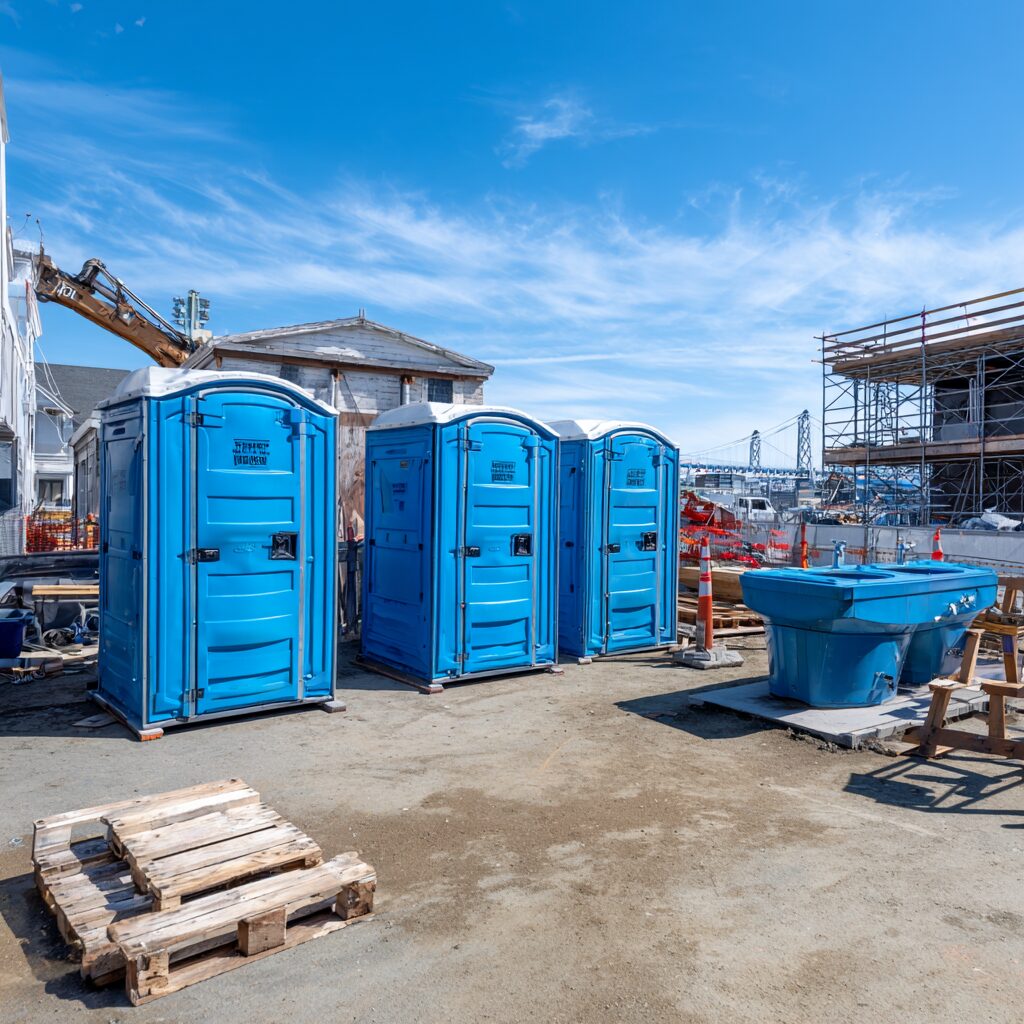
OSHA and Sanitation Requirements on Construction Sites
Proper sanitation is about keeping crews safe and projects moving. Let’s break down what OSHA demands and why these standards matter for modern work environments.
The Math Behind Restroom Availability
OSHA’s formula for restrooms is simple but non-negotiable. For every 20 people on site, you need one portable unit. Crews exceeding 40 workers require extra seats. This prevents lines that eat into productivity and create frustration.
- Weekly cleaning schedules prevent odor complaints
- Hand sanitizer stations reduce cross-contamination risks
- Lockable doors maintain privacy without needing separate units
Location Matters More Than You Think
Ever calculated walking time to facilities? OSHA says no worker should trek more than 10 minutes. Strategic placement near high-activity zones cuts downtime. It also reduces safety risks from hurried trips across busy sites.
These rules create baseline conditions that benefit all workers. When facilities meet standards, you’ll see fewer mid-day disappearances and more focused teams. Now let’s explore how to choose units that exceed expectations.
Different Types of Porta Potties and Their Features
Choosing the right sanitation setup isn’t one-size-fits-all—it’s like assembling a toolkit where each unit solves specific challenges. Let’s unpack rentable toilet options that balance practicality with comfort.
Standard Units and Enhanced Access Solutions
Basic single-occupancy models lock securely and meet privacy needs. These workhorses handle most sites but lack extras. For crews wanting upgrades, enhanced versions deliver:
- Extra elbow room with ventilation fans
- LED lighting for visibility
- Shelves and hooks for personal items
Handwashing stations pair with any setup. Think of them as hygiene sidekicks—soap, paper towels, and sanitizer keep germs at bay.
ADA Compliant, Flushable, and Multi-Stall Options
Need wheelchair access? ADA-approved designs feature grab bars and ramp entries. They’re not just compliant—they’re considerate.
Restroom trailers mimic home bathrooms. Running water sinks and real toilets reduce the “job site feel.” Multi-stall versions? They’re like mobile office restrooms—separate stalls cut wait times during peak hours.
Mix and match these options based on crew size and project duration. A blend of standard and premium units often works best. After all, nobody ever complained about too many clean restrooms.
Optimizing Porta Potty Placement and Accessibility on Job Sites
What’s worse than a poorly timed coffee break? Restrooms that force workers to play hide-and-seek with their productivity. Smart facility positioning keeps teams focused while meeting compliance standards.
Strategic Site Layout Considerations
Map high-activity zones first. Units near assembly points or equipment storage areas reduce detours. Maintain clear 4-foot pathways around facilities—no one wants to dodge forklifts for basic needs.
| Location Factor | Benefit | Risk if Ignored |
| Proximity to work zones | Cuts walk time by 65% | 15+ minute productivity gaps |
| Lighting conditions | Reduces after-hours accidents | Increased liability claims |
| Ground stability | Prevents tipping incidents | Costly cleanup delays |
Lighting and Terrain Tactics
Solar-powered units solve two problems: visibility and stability. They illuminate paths after dusk while eliminating tripping hazards from extension cords. Avoid low-lying areas where rainwater pools—muddy approaches deter usage.
Rotate units as projects evolve. Phase 1’s perfect spot becomes Phase 2’s obstacle course. Weekly placement reviews prevent “Porta-Potty Olympics” across uneven terrain.
Ensuring Porta Potties for Women in Construction Meet Unique Needs
Have you ever considered how restroom design impacts job site inclusivity? Standard units often miss the mark for 47% of field teams with mixed-gender crews. Modern sanitation strategies now address biological and cultural differences head-on.
Privacy, Comfort, and Design Features
Female construction professionals frequently report frustration with shared facilities. Dedicated units eliminate urinals while adding full-length doors and ventilation systems. Wall-mounted organizers hold personal items securely, and antimicrobial surfaces simplify cleaning.
Operators note a 62% reduction in maintenance issues when providing separate facilities. Cleaner seats and dry floors become the norm rather than the exception. Properly positioned units also minimize awkward encounters near high-traffic zones.
Tailored Amenities for Female Workers
Specialized units include discreet disposal bins and motion-activated lighting. These features address hygiene needs while preventing after-hours safety concerns. Mirrors prove practical for checking protective gear—not just personal appearance.
Construction firms using gender-specific units report 28% higher retention rates among female crews. Workers feel respected when companies invest in their daily comfort. It’s not about luxury—it’s about acknowledging different physiological requirements.
Forward-thinking sites now install hand-sanitizing stations inside each unit. This simple upgrade reduces cross-contamination risks during flu season. When facilities align with user needs, productivity follows naturally.
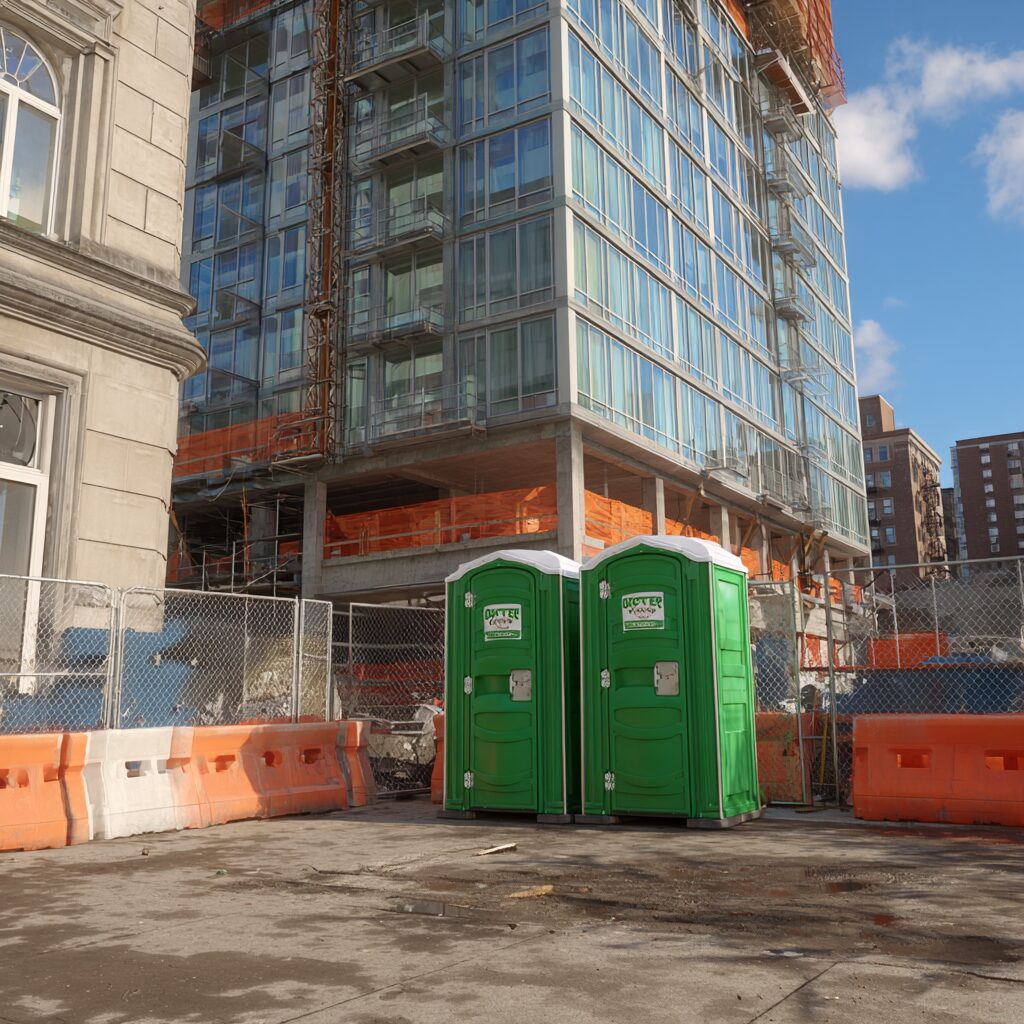
Best Practices for Maintenance and Cleanliness
Clean facilities aren’t just about odor control—they’re productivity powerhouses. A well-maintained sanitation setup keeps crews focused and projects on track. Let’s explore how to balance routine care with emergency preparedness.
Regular Servicing and Sanitation Routines
Summer heat turns neglected units into biohazards fast. Work with your rental provider to adjust pumping schedules as temperatures rise. Most companies include weekly cleanings, but high-traffic sites often need midweek check-ins.
Track usage patterns like a detective. Units near break areas fill quicker than those by storage zones. Spotting uneven wear helps redistribute resources before complaints start.
Tips for Preventing Overflows and Ensuring Hygiene
Stock levels matter more than you’d think. A single empty TP dispenser can trigger three HR complaints before lunch. Keep backup supplies in site trailers—workers notice when essentials disappear.
Create an inspection checklist that even rookies can follow:
- Test door locks daily
- Monitor blue liquid levels
- Check hand sanitizer pumps
Sync service visits with shift changes to avoid awkward encounters. Night crews appreciate fresh units as much as day teams do. Remember: Cleanliness isn’t a cost—it’s an investment in morale.
Building Inclusive Worksites Through Strategic Sanitation
Meeting porta potty requirements for women in construction creates inclusive work environments that boost productivity, improve retention, and demonstrate genuine commitment to worker welfare across diverse construction teams. Strategic sanitation planning transforms basic compliance into competitive advantages that attract skilled professionals and strengthen company reputation.
Prime Dumpster provides specialized solutions for porta potty requirements for women in construction with enhanced privacy features and expert placement strategies designed for modern, inclusive job sites. Contact our team to discover how our proven approach ensures compliant, respectful facilities that support all workers while maintaining the productivity and safety standards your construction projects demand.
If you are looking for How Porta Potties Impact Construction Crew Morale, Click Here
Recent Posts


Follow Us
Have any questions?
+1 844 853 3867
Give us a call today so we can help you find the right waste & sanitation solution for
your project!
Contact Us