
Mon - Sat 7:00 am to 7:00 pm
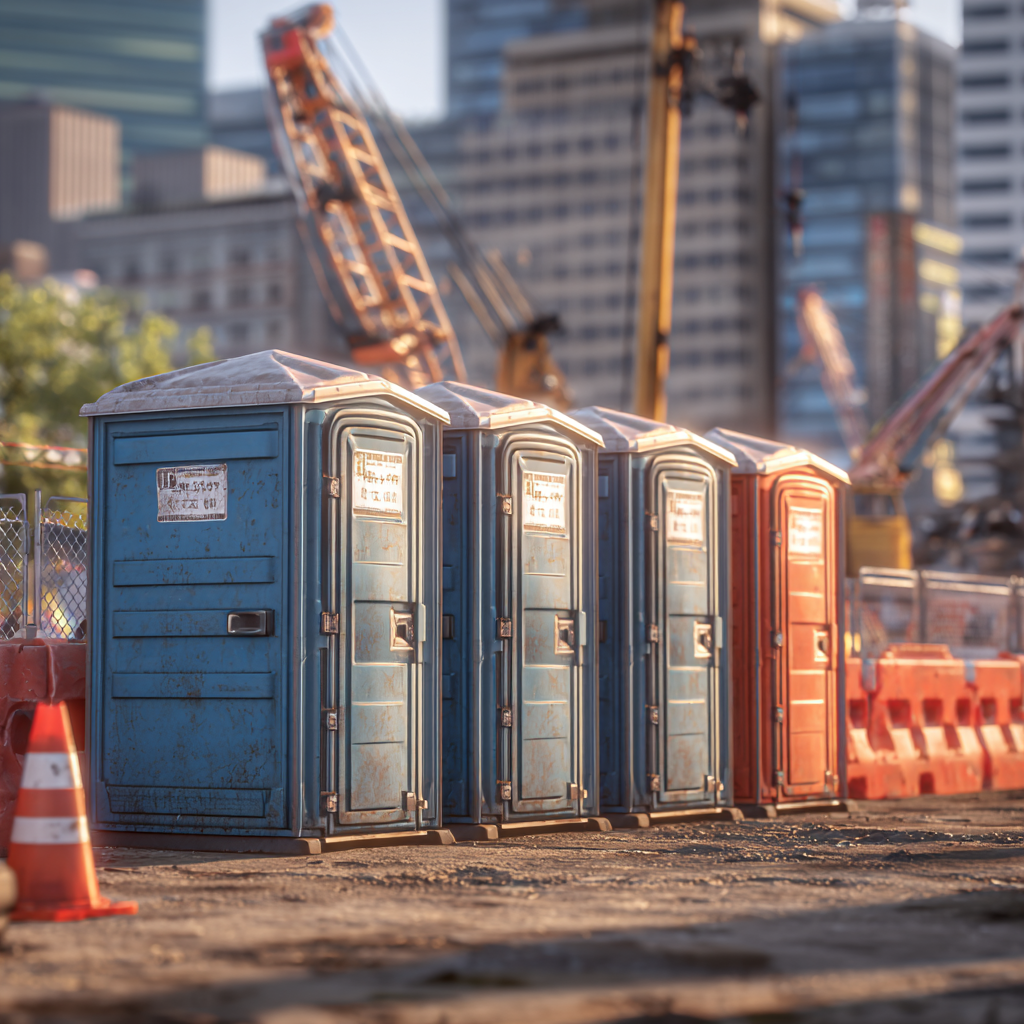
2026 Guide to OSHA Porta Potty Rules for Houston, Texas Construction Sites
OSHA porta potty rules for Houston construction sites can feel complicated to navigate, but they don’t have to be. Federal regulations establish baseline sanitation standards, while Harris County adds local requirements for permits, placement, and maintenance schedules.
Prime Dumpster helps Houston contractors navigate portable toilet compliance across construction zones from downtown high-rises to Energy Corridor developments. Our 2026 guide covers worker-to-facility ratios, placement standards for different Houston work zones, ADA accessibility requirements, climate considerations for Texas weather, and documentation protocols that keep your jobsite compliant and productive.
Fast Facts: OSHA Porta Potty Rules for Houston Construction Sites
We asked our Prime Dumpster Pro for answers to the most common questions about OSHA requirements when renting portable toilets for Texas construction sites.
How many porta potties does my construction site need in Texas?
“OSHA requires one portable toilet for every 20 workers on construction sites operating standard 40-hour work weeks. Larger crews need additional units based on total worker count, and you should always calculate based on peak crew numbers, not daily averages.”
Why do construction sites have porta potties?
“Federal law mandates adequate restroom facilities for all construction workers to maintain health, safety, and productivity. Proper sanitation keeps crews on-site instead of leaving to find facilities, which saves significant work time and prevents OSHA violations that can cost thousands in fines.”
What types of toilets do they use at construction sites?
“Construction sites use standard single-stall porta potties for ground-level work and crane-lift units for high-rise projects. Specialized options include towable combo units for mobile crews, climate-controlled trailers for large teams, and ADA-compliant units required by law for accessible facilities.”
What is the OSHA standard for toilet facilities?
“OSHA mandates one toilet for worksites with 15 or fewer employees. Sites with 16 to 35 employees need at least two toilets, and larger crews require additional facilities following the one-per-20-workers ratio for construction sites.”

OSHA Porta Potty Rules for Houston Construction Projects
Construction sites in Houston must adhere to both federal OSHA guidelines and local regulations. This ensures worker safety and comfort. It’s crucial to understand the federal requirements and Houston’s additional rules. Your crew’s well-being depends on proper facilities, and knowing the rules is essential.
Federal Standards vs. Local Houston Requirements
Federal OSHA guidelines establish the minimum for portable toilet requirements on all construction sites. You must have one unit for every 20 workers during a 40-hour work week. Houston city permits are required when placing units on sidewalks, streets, or public easements. Yet, placing them on private property does not need a permit, simplifying your tasks.
| Worker Count | Minimum Units Required | Houston Permit Needed |
| 1-20 workers | 1 unit | Only for public property |
| 21-40 workers | 2 units | Only for public property |
| 41-60 workers | 3 units | Only for public property |
| 61-80 workers | 4 units | Only for public property |
Texas construction law mandates separate facilities for men and women on mixed-gender crews. Workers must have access to restrooms within 10 minutes. Failure to do so is considered a violation. High-rise projects are subject to even stricter standards.
Updates and Changes for 2026 Compliance
Space City compliance standards now focus on accessibility and worker health. Employers must develop flexible bathroom policies. These policies should address medical needs, hydration in hot weather, and temperature-related factors. Mobile crews need transportation plans to ensure quick restroom access.
Enforcement and Penalties in Harris County
Harris County health codes violations can result in significant fines. OSHA inspectors can issue citations reaching up to $165,514. Repeat offenders face even higher penalties and potential work stoppages. It’s crucial to have documentation ready to prove compliance when inspectors visit unannounced.
Minimum Requirements for Construction Site Sanitation in Bayou City
Ensuring proper sanitation on Houston construction sites begins with adhering to OSHA standards. These regulations apply across all projects, from Buffalo Bayou to the Energy Corridor. Proper placement and worker ratios are crucial for maintaining productivity while adhering to federal guidelines.
Worker-to-Facility Ratios Based on Crew Size
OSHA guidelines dictate worker ratios based on crew size. Small teams require one toilet for every 20 workers. Larger projects necessitate more precise calculations. For instance, a 50-person crew on a downtown high-rise must have at least five standard units and one ADA-compliant facility.
| Number of Workers | Standard Units Required | ADA Units Required |
| 1-20 | 1 | 0 |
| 21-40 | 2 | 1 |
| 41-60 | 3 | 1 |
| 61-80 | 4 | 1 |
Placement Standards for Different Houston Work Zones
Medical Center construction projects demand strategic placement of sanitation units. These should align with natural foot traffic patterns. Ground-level sites require facilities at central and perimeter locations. High-rise projects need one unit per 15 workers, spaced every five floors, with rooftop access.
Poor placement can cost teams 12 minutes daily per worker. For a 25-person crew, this translates to 50 hours monthly.
Accessibility Requirements Under ADA Guidelines
All Houston sites must have ADA-compliant sanitation units. These units must have flat-floor entry, safety rails, and wheelchair-accessible spacing. Buffalo Bayou construction zones require special attention to ground stability for these units.
Energy Corridor compliance inspectors verify door width (minimum 32 inches) and interior turning radius (60 inches). Medical Center construction standards often exceed ADA minimums to meet diverse workforce needs.
Types of Portable Toilets for Space City Construction Sites
When selecting portable sanitation for Harris County job sites, it’s crucial to align the type of porta potty you rent with the specifics of your project. Houston construction porta potties are available in various forms, catering to projects ranging from small residential updates to the construction of towering skyscrapers.
For projects at ground level with fewer than five workers, standard single-stall units are ideal. High-rise construction, on the other hand, demands crane lift toilets. These are equipped with reinforced steel frames and heavy-duty harnesses for safe transport to upper floors. This eliminates the need for lengthy elevator trips, saving up to 30 minutes of work time.
| Unit Type | Best For | Capacity | Special Features |
| Standard Single Porta Potty | Small crews (1-5) | 60 gallons | Basic ventilation |
| Crane Lift Porta Potty | High-rise projects | 60 gallons | Steel harness system |
| Towable Portable Toilet | Mobile crews | 105 gallons | ADA stall + handwash |
| Multi-Station Restroom Trailer | Highway crews (50+) | 300 gallons | Climate control |
| Flushable Deluxe Portable Restroom | Indoor finishing | 70 gallons | Foot pump flush |
Towable units enhance site flexibility with built-in hitch systems, allowing crews to easily move facilities as work areas change. Flushable portable restrooms offer enhanced comfort for indoor finishing phases. Climate-controlled options help combat Texas’s heat, while multi-station trailers efficiently serve large highway crews.
Special Considerations for Houston’s Climate and Weather Conditions
Construction work in Houston is a battle against unpredictable weather. Temperatures can swing from extreme heat to heavy rain in minutes. Your porta potty setup must withstand both scorching days and intense storms. Proper planning for Houston’s climate ensures your crew’s safety and site compliance all year.
Heat Management During Texas Summer Months
The Texas summer is brutal, with temperatures often hitting over 95 degrees. Standard porta potties become sweltering by noon, discouraging workers from taking breaks. Climate-controlled units, on the other hand, stay 20 degrees cooler, providing relief.
Anti-odor treatments are crucial in the heat, as bacteria grow faster above 90 degrees. Service frequency increases to twice weekly from June to September. Choosing Tuesday and Thursday services keeps facilities fresh during busy midweeks without disrupting Mondays or Fridays.
Hurricane Season Preparedness and Securing Units
Hurricane season in the Gulf Coast begins on June 1 and lasts until November 30. Your storm protocols must include anchoring systems for winds up to 75 mph. Units should be secured or removed 48 hours before a storm hits.
Solar-lit units are vital for essential facilities during power outages after storms.
Flood Zone Compliance in Buffalo Bayou Areas
In Harris County’s flood zones, units must be elevated at least 18 inches above grade. Quick removal plans are essential for evacuating units within four hours of a flood warning. Buffalo Bayou construction sites require secondary containment systems to prevent waste spillage during high water events.
Service and Maintenance Standards Required by OSHA
Ensuring portable toilets are clean is not just about comfort; it’s a legal requirement. OSHA demands that all facilities remain sanitary and operational throughout your project. Given Houston’s hot and humid climate, proper maintenance of portable toilets is crucial for worker health and productivity.
Mandatory Cleaning Schedules and Documentation
Houston’s sanitation schedules are adjusted based on crew size and usage. For small crews of 10 workers, service is needed every five days. Larger teams require visits every three days. It’s essential to maintain written logs of each service, detailing dates, times, and technician signatures. These records should be kept near the site office for easy access by inspectors.
| Crew Size | Service Frequency | Peak Summer Schedule |
| 1-10 workers | Every 5 days | Every 4 days |
| 11-25 workers | Every 4 days | Every 3 days |
| 26-50 workers | Every 3 days | Every 2 days |
| 50+ workers | Every 2 days | Daily service |
Hand Washing Station Requirements and Supplies
Construction site hygiene begins at the wash station. OSHA mandates the presence of running water (hot, cold, or lukewarm), soap dispensers, and paper towels or air dryers. Supplies should be checked twice daily—at morning start and lunch break. While waterless cleaners can serve in temporary situations, they cannot replace proper washing facilities.
Waste Removal Protocols for Harris County Sites
Harris County’s waste disposal follows strict guidelines for pump-out procedures. Opt for service during off-peak hours, such as Tuesday mornings, for most Houston crews. Mark service dates on project calendars and set phone reminders three days in advance. Use 28-day billing cycles to ensure consistent weekly service, regardless of month length.
Site-Specific Rules for Major Houston Construction Areas
Different zones across Houston demand unique strategies for portable toilet placement and service. Each area presents its own set of challenges, from the space constraints in downtown Houston construction zones to the special access needs at Medical Center job sites. Contractors must grasp these location-specific requirements to ensure compliance, worker safety, and comfort.
| Location | Unit Type Required | Service Frequency | Cost Range (28-day) |
| Downtown Houston Construction | Narrow-profile for elevators | Twice weekly | $100-$425 |
| Energy Corridor Requirements | Standard construction units | Weekly | $85-$350 |
| Medical Center Job Sites | ADA-compliant units | Three times weekly | $125-$450 |
| Galleria Area Compliance | Compact units for tight spaces | Twice weekly | $95-$400 |
| Port of Houston Regulations | Industrial grade with handwash | Daily during peak | $150-$500 |
Downtown Houston construction poses unique challenges, with high-rise projects inside the Loop. Narrow-profile models are ideal for vertical construction sites, fitting through elevator shafts. In the Energy Corridor, larger footprints often require standard units, but GPS tracking is crucial for managing sprawling sites.
Medical Center job sites require a focus on hygiene standards. Units must be serviced frequently and accommodate both construction crews and medical staff. The Galleria area emphasizes aesthetics while meeting safety standards in mixed-use developments. Port of Houston regulations necessitate industrial-grade facilities for heavy usage by dock workers and construction teams. Sites near Beltway 8 may need trailer clusters with multiple handwashing stations for large crews.
Your Houston Construction Sanitation Compliance Partner
Meeting OSHA porta potty rules for Houston construction sites requires calculating worker ratios accurately, maintaining documented service schedules, and positioning facilities strategically across diverse work zones. Contractors who plan for peak crew numbers, adjust service frequency during summer heat, secure units before hurricane season, and maintain compliance records avoid costly violations while keeping crews productive.
Contact us to discuss your Houston construction project requirements and coordinate portable toilet solutions that meet federal OSHA standards, Harris County regulations, and the specific demands of your jobsite location from the Medical Center to the Port of Houston.
If you are looking for Guide to Porta Potty Pricing in Los Angeles, CA, Click Here
Recent Posts


Follow Us
Have any questions?
+1 844 853 3867
Give us a call today so we can help you find the right waste & sanitation solution for
your project!
Contact Us