
Mon - Sat 7:00 am to 7:00 pm
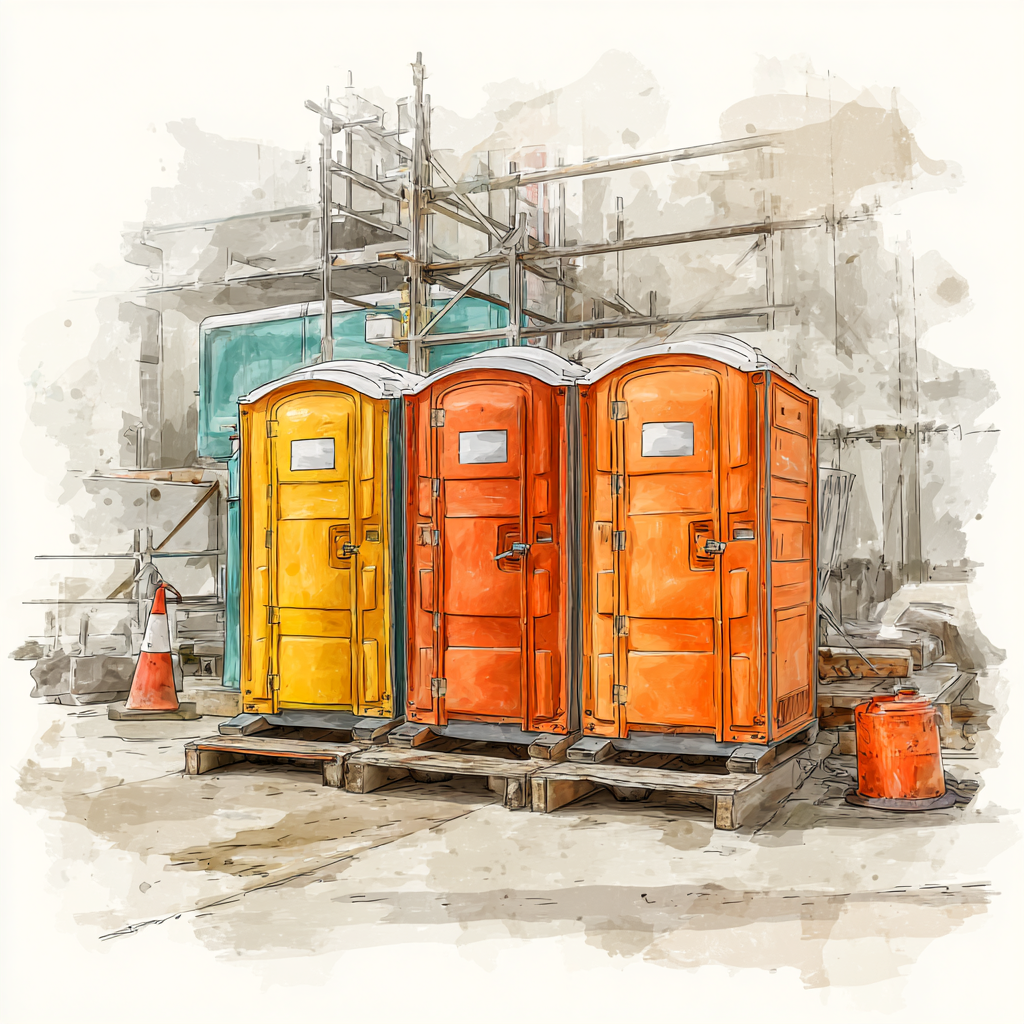
8 Tips for Saving Money When Renting Porta Potties in 2026
Portable restroom rentals can be a significant expense for construction projects, festivals, corporate events, and outdoor gatherings, but strategic planning can significantly reduce costs without compromising service quality or guest satisfaction. Project managers and event planners who understand pricing factors, booking strategies, and equipment optimization techniques consistently outperform those who accept first quotes or wait until the last minute to secure facilities.
Saving money when renting porta potties in 2026 requires knowledge of seasonal patterns, smart negotiation tactics, and accurate requirement calculations that prevent both overordering and inadequate capacity. At Prime Dumpster, we’ve compiled eight proven strategies that help construction managers, event coordinators, and facility planners maximize their sanitation budgets while maintaining the reliability and cleanliness their projects demand.

1. Book Six to Eight Weeks Ahead to Lock in the Best Rates
Early reservation secures equipment availability while avoiding rush fees and premium pricing that kicks in as popular dates approach. Waiting until the last minute leaves you competing for limited inventory during peak seasons when providers charge more for expedited delivery and setup.
“Most rental companies start allocating their summer inventory by late March or early April, with Memorial Day, Fourth of July, and Labor Day weekends booking solid months in advance. Construction managers planning spring and summer projects should reserve units in January or February to guarantee equipment access and lock in winter rates before seasonal price increases take effect.”
Planning ahead gives you leverage to negotiate terms, select preferred unit types, and coordinate delivery schedules that align with your project timeline, rather than accepting whatever is available. Event planners booking festivals, concerts, or outdoor weddings during peak months need even longer lead times, with luxury trailers and specialty units requiring 10 to 12 weeks’ advance notice to ensure availability.
2. Consider Long-Term Contracts for Construction Projects
Monthly rental agreements are typically standard for construction projects spanning multiple months or construction phases. Providers prefer guaranteed revenue streams over equipment cycling between short-term rentals, giving you negotiating power to potentially secure discounts on extended commitments.
Multi-phase projects especially benefit from contracts that adjust unit quantities as crew sizes fluctuate throughout different construction stages. Building these flexibility clauses into initial agreements prevents penalty fees when you need to add or remove units as work progresses from foundation through finishing.
Bundling services like regular cleaning, emergency response, and seasonal equipment swaps into comprehensive contracts strengthens your negotiating position. Companies managing multiple job sites simultaneously find it easier to consolidate all locations under master service agreements that guarantee volume-based pricing advantages.
3. Schedule Events During Off-Peak Seasons for Better Pricing
Fall and early spring offer substantial cost savings compared to peak summer months when wedding season and festival circuits drive intense competition for portable restroom inventory. September through November rates typically run lower than June through August pricing, with better equipment selection and more flexible delivery scheduling.
Weekday events avoid weekend premium charges that many providers add during high-demand periods when multiple gatherings compete for the same service crews. Corporate events, company picnics, and team-building activities scheduled Tuesday through Thursday often qualify for midweek discounts that reduce total rental costs.
Winter events require specialized winterized equipment but benefit from rock-bottom seasonal pricing as providers seek to keep fleets working during traditionally slow months. Holiday parties, New Year’s celebrations, and winter festivals can negotiate favorable rates despite requiring freeze-protected units that cost slightly more than standard summer models.
4. Mix Standard and Premium Units Based on Guest Zones
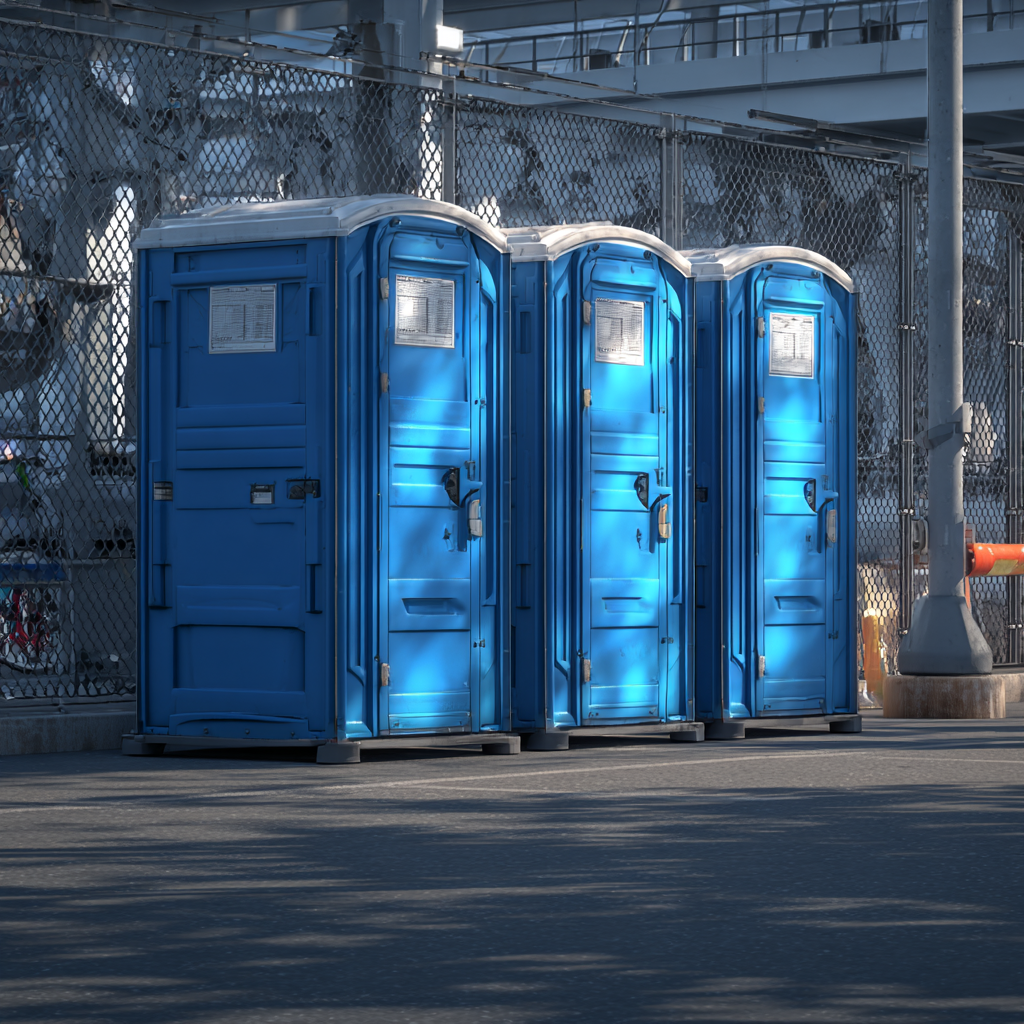
Strategic equipment placement maximizes guest comfort while controlling costs by positioning luxury options only where they deliver the greatest impact. High-traffic areas near parking lots and general admission sections work perfectly with standard units, while VIP zones and areas adjacent to food service benefit from premium flushable models or restroom trailers.
The 70-30 rule helps event planners balance budgets effectively: allocate 70 percent standard units for general use and 30 percent premium options for high-visibility locations. This approach maintains positive guest experiences without the expense of outfitting entire venues with luxury trailers that cost more than basic portable toilets.
Construction sites achieve similar savings by placing standard units near active work zones while positioning one or two deluxe models with hand-washing stations near site offices and visitor entrances. This tiered approach meets worker needs, impresses clients during site visits, and keeps sanitation budgets reasonable throughout the project timeline.
5. Optimize Service Frequency Based on Actual Usage
Standard weekly service works for moderate conditions, but matching cleaning schedules to actual usage patterns prevents overpaying for unnecessary visits while ensuring sanitation standards remain high. Crew size, weather conditions, and project phases all influence how quickly portable toilets require servicing, making flexible scheduling more cost-effective than rigid weekly contracts.
- Small construction crews under 15 workers often operate comfortably with biweekly service during mild weather, cutting service costs nearly in half compared to automatic weekly cleaning.
- Summer heat above 85 degrees accelerates waste decomposition and requires twice-weekly service to maintain acceptable conditions, but spring and fall temperatures allow extended intervals between cleanings
- Multi-day festivals and concerts benefit from mid-event service visits during off-peak hours rather than waiting until after crowds leave, preventing overflow situations that create guest complaints
Smart site managers track usage patterns over initial weeks to establish baseline service needs rather than accepting provider recommendations that may include more frequent cleaning than necessary. Communication with your rental company about actual conditions, crew schedules, and weather forecasts helps optimize service timing that balances sanitation requirements with budget constraints throughout your rental period.
6. Confirm Exact Requirements to Avoid Overordering Equipment
Accurately calculating your actual needs prevents paying for excess units that sit unused throughout your rental period while ensuring adequate capacity for workers or guests. Overestimating requirements by even two or three units can add hundreds of dollars to your final invoice without delivering any operational benefit.
- Construction sites need enough units to satisfy OSHA requirements and keep teams comfortable, but be careful to avoid excessive over-ordering.
- Weekend festivals serving alcohol should calculate one unit per 35 to 40 guests rather than defaulting to conservative one-per-50 ratios that leave expensive equipment underutilized
- Multi-site operations benefit from centralized planning that reallocates units between locations as project phases shift instead of maintaining separate inventories at each site
Discussing your specific situation with experienced providers helps determine the right equipment mix without padding orders beyond what regulations and practical usage actually require. Starting with accurate baseline calculations and adjusting only when actual conditions demonstrate genuine need keeps budgets lean while maintaining adequate sanitation throughout your rental period.

7. Leverage Volume Discounts for Multi-Site Operations
Companies managing multiple construction sites, recurring events, or ongoing facility operations gain substantial pricing advantages through volume-based agreements that reward consistent business. Committing to minimum annual rental volumes can unlock discounts on standard rates while guaranteeing priority access to equipment during peak demand periods.
Master service agreements consolidate all your locations under unified pricing structures, simplifying billing and reducing administrative overhead across your entire operation. Regional contractors working on simultaneous projects in multiple cities benefit from centralized coordination that eliminates the complexity of managing separate vendor relationships at each job site.
Seasonal event producers hosting multiple festivals, concerts, or sporting events throughout the year should negotiate package deals that cover entire event calendars rather than booking each gathering individually. These comprehensive agreements lock in predictable costs, protect against mid-season price increases, and ensure consistent service quality across all your events, regardless of location or timing.
8. Calculate Requirements Based on Actual Event Details
Understanding your specific attendance numbers, event duration, and guest demographics allows accurate equipment calculations that prevent both overordering and capacity shortages. Concert promoters expecting 2,000 guests need vastly different setups than wedding planners hosting 150 people, yet both save money by providing exact details rather than vague estimates that lead providers to pad orders for safety.
“Event planners who share concrete details like exact headcount, whether they’re serving alcohol, event start and end times, and guest age ranges help us recommend the right number and types of units instead of defaulting to conservative overestimates. A four-hour corporate picnic with 300 attendees and no alcohol needs fewer units than a six-hour music festival with 300 guests and multiple bars, so specific details directly impact how much equipment you actually need and what you’ll pay.”
Duration matters significantly beyond just guest count, with all-day festivals requiring 40 to 50 percent more capacity than brief two-to-three-hour ceremonies even with identical attendance numbers. Demographics influence planning too, as family-friendly events with young children need different ratios than adult-only gatherings, and outdoor sporting events see different usage patterns than seated dinner receptions where guests remain largely stationary throughout the evening.
Implementing Your Cost-Saving Strategy
Saving money when renting porta potties in 2026 comes down to early planning, accurate calculations, strategic equipment selection, and understanding how timing, volume, and service frequency affect total costs.
Ready to optimize your portable restroom budget for upcoming projects and events? Reach out to us to discuss your specific requirements, explore volume pricing options, and develop customized rental strategies that deliver the equipment you need, at rates that protect your bottom line, throughout 2026.
If you are looking for Porta Potty Regulatory Updates for 2026, Click Here
Recent Posts


Follow Us
Have any questions?
+1 844 853 3867
Give us a call today so we can help you find the right waste & sanitation solution for
your project!
Contact Us