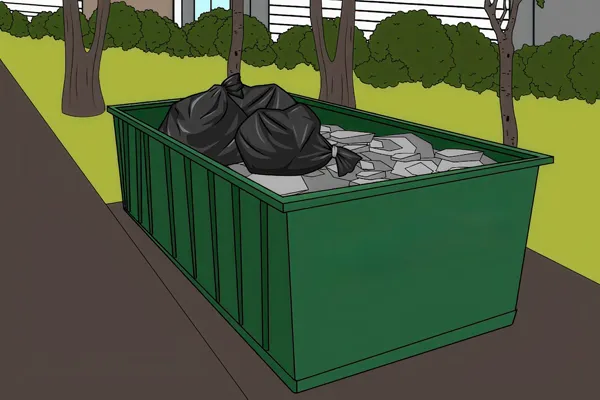
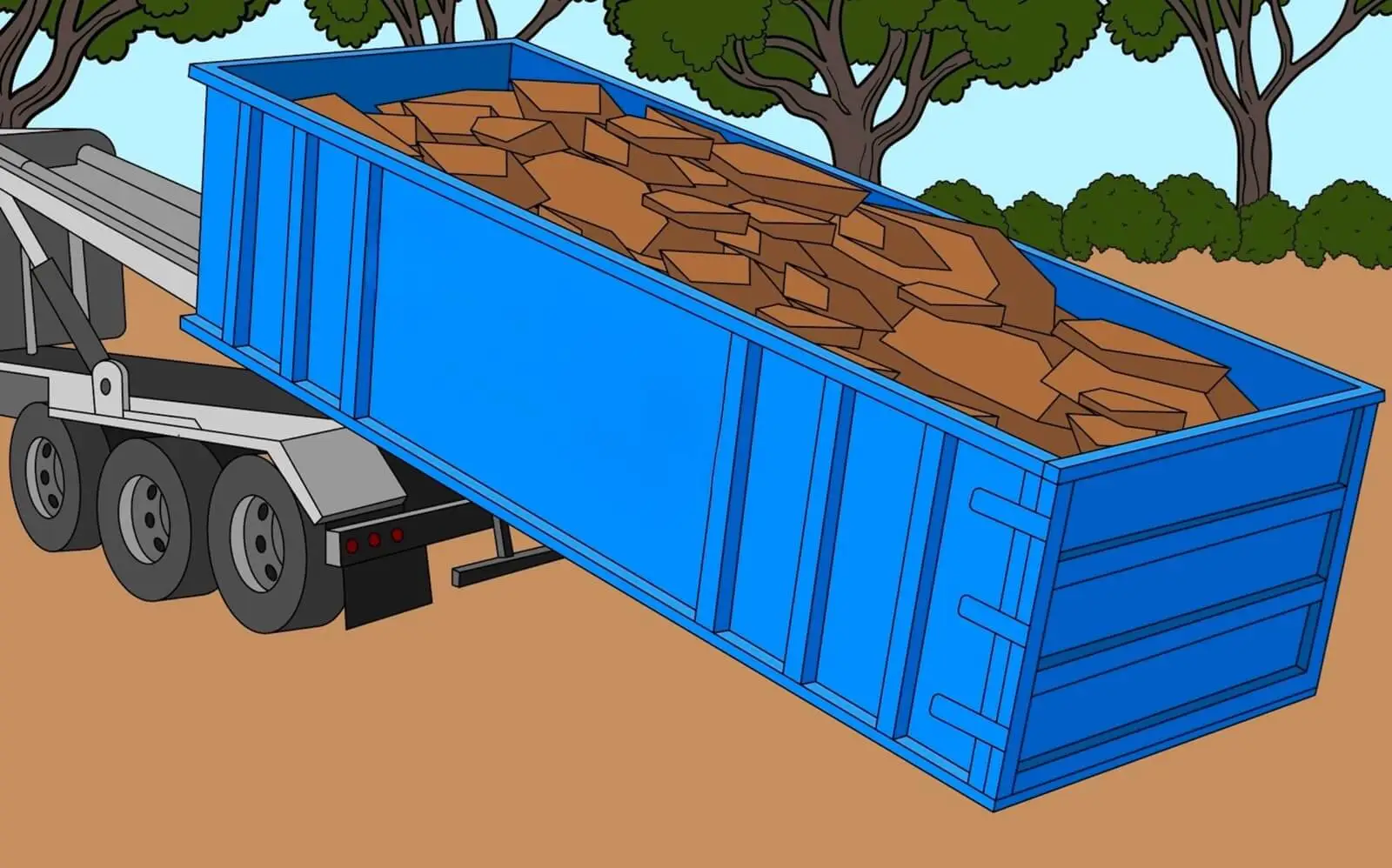
Lumber, drywall, insulation, roofing, siding, flooring, carpet and padding, masonry, cabinets, fixtures, and general cleanout debris are all fine, and all of those are on King County's own list of construction and demolition materials.
Household hazardous material is out as a matter of course. Paint and coating products, solvents, pesticides, motor oil and oil filters, fuel, antifreeze, fluorescent lamps and ballasts, mercury-containing items, propane and other compressed gas tanks, and rechargeable and button batteries all need a hazardous waste route instead. Liquids, burning or smoldering material, explosives, ammunition, flares, and fire extinguishers are refused outright. Televisions, computers, monitors, laptops, cell phones, and tablets go to electronics recycling rather than into a container.
Two County restrictions catch SeaTac contractors specifically. Treated wood means wood that has been painted, stained, or preserved with creosote or arsenic. It is not accepted from businesses at all. Residential customers may bring it in lengths of eight feet or less, but a commercial job needs its own route for it. Asbestos, friable or not, including vermiculite insulation, is not accepted without advance approval. That matters on the 1950s and 1960s housing stock around Angle Lake and Riverton.
One more thing is worth knowing before a self-haul plan is made. The County will not take construction debris from a vehicle with a hydraulic dump bed or a dump trailer unless that debris is under a fifth of the load. Mention anything unusual to your account manager when you book and the separate route for it gets arranged alongside the container.