
Mon - Sat 7:00 am to 7:00 pm

I Accidentally Threw Something Away in a Dumpster: How to Get It Back
It happens fast. A wallet slides into a trash bag, or a set of keys rides along with a load of debris. A minute later, you realize it’s gone.
If you accidentally threw something away in a dumpster, the best move is to call whoever controls the container before it’s picked up. Never climb inside to search. Most recoveries come down to timing and getting the right people involved quickly.
At Prime Dumpster, we arrange roll-off dumpster rentals for homes, jobsites and events nationwide. This guide covers who to call, how to search safely from outside the container, and what to do if the item you lost holds personal or financial information.
Act Before the Dumpster Is Picked Up
Your best chance at recovery is before the hauler takes the dumpster away. Once a roll-off is picked up, the load goes to a transfer station or landfill. There, it mixes with tons of other waste and becomes very hard to find.
Start by writing down three details. Note what you lost, roughly when you threw it away and which container it went into. These facts help everyone you contact narrow the search.
“Call before the truck shows up,” says the Prime Dumpster Pro. “Once the container is hauled, your item gets mixed in with everything else at the disposal site.”
Who to Call First
The right contact depends on where the dumpster is. Whoever manages the container can tell you when it’s scheduled for pickup and whether it can be searched safely.
| Where It Happened | Who to Contact First |
| Home project or cleanout | The dumpster rental company |
| Construction or jobsite | Your site supervisor, then the hauler |
| Concert, wedding or festival | Event staff, security or the lost and found |
| Business or apartment complex | The property manager |
When you call, share your details right away. The rental company may be able to note your account or hold a scheduled pickup, though availability varies by location. Ask directly, since a short delay can make all the difference.
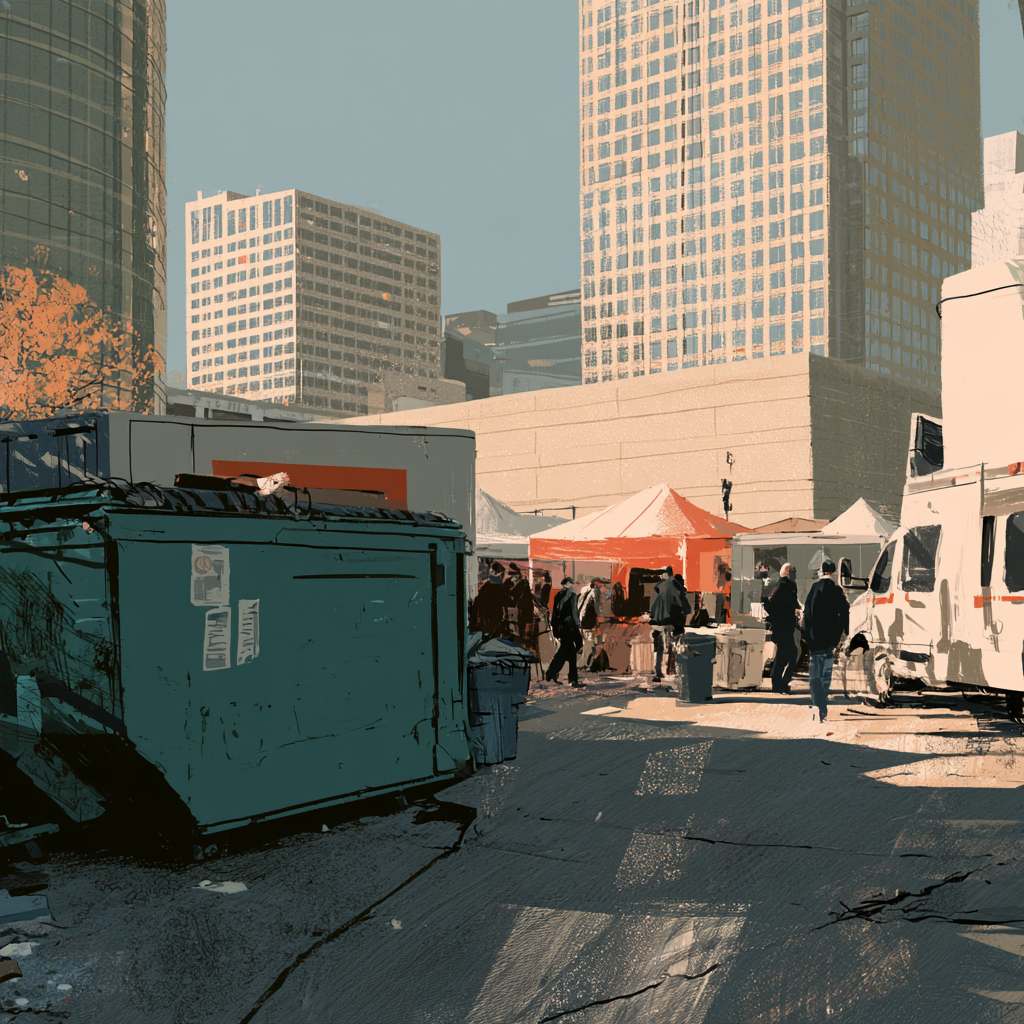
Never Climb Into a Dumpster
No lost item is worth climbing into a dumpster. Containers hold broken glass, nails, sharp metal and shifting debris that can give way under your weight. Many also contain spoiled food and bacteria that can infect a small cut.
Getting in and out is a hazard on its own. Dumpster walls are tall, and slick or uneven debris makes falls common. For more on staying safe around containers at home or work, see these dumpster safety tips for home and commercial use.
How to Get Something Out of a Dumpster Safely
The safest way to get something out of a dumpster is to search from outside the container with the right tools. Get permission from the owner, site manager or rental company first.
These basics make an outside search safer and more effective:
- An extendable grabber or reaching tool for lifting items off the top layer
- A flashlight for scanning corners and gaps in the debris
- A second person to spot you and watch for hazards
- Heavy-duty gloves, eye protection and closed-toe boots
Wearing the same protective gear waste workers rely on cuts your risk of cuts and splashes. If the item is buried deep or the load looks unstable, stop and ask the hauler for help.
Good habits around the container matter too. Our guide to dumpster safety and security covers placement, access and keeping unwanted visitors out.
How Dumpster Size Affects Recovery
Container size changes how easy it is to find a lost item. A small dumpster with a shallow load is often easy to scan from outside. A large container packed with heavy debris usually needs the hauler’s equipment and experience.
| Dumpster Size | Approximate Dimensions | Approximate Weight Capacity | Common Uses |
| 10-Yard Dumpster | 12′ × 8′ × 4.5′ | Up to 2 tons | Concrete disposal, small remodels, residential cleanouts |
| 15-Yard Dumpster | 16′ × 8′ × 4.5′ | Up to 3 tons | Kitchen and bath remodels, garage cleanouts, landscaping |
| 20-Yard Dumpster | 22′ × 8′ × 4.5′ | Up to 3 tons | Multi-room renovations, roofing, estate cleanouts |
| 30-Yard Dumpster | 22′ × 8′ × 6′ | Up to 4 tons | Full home renovations, commercial construction, large events |
| 40-Yard Dumpster | 22′ × 8′ × 7-8′ | Up to 5 tons | Commercial demolition, industrial projects, major build-outs |
Taller walls on 30-yard and 40-yard dumpsters make outside searches harder. Concrete, brick, masonry and asphalt can only go in a 10-yard dumpster, so heavy debris loads tend to sit in smaller containers.
Accidentally Threw Something Away in a Work Dumpster
If you threw something away in a work dumpster, tell your supervisor before you do anything else. Most jobsites have rules about who can access waste containers and when. Your supervisor can also contact the hauler about the pickup schedule.
Don’t stop work to search alone. A short, planned search with a coworker and the right tools is safer and faster than a rushed one. New crew members should learn these rules early, and dumpster training for new employees is a good place to start.
“Jobsite containers fill fast, especially on demo days,” says the Prime Dumpster Pro. “Speak up right away so your supervisor can flag the container before more debris goes on top.”
Lost Something in an Event Dumpster
If you lost something at a concert, wedding or festival, find event staff before you go near a dumpster. Event containers are often behind fences or in staff-only areas, and crews may haul or swap them during the event.
| Event Type | Who to Find | What to Tell Them |
| Concert | Security or guest services | Item, time and seat or section |
| Wedding | The venue coordinator or catering lead | Item, time and table or area |
| Festival | The lost and found or info booth | Item, time and nearest stage or vendor |
Staff know where trash from each area ends up and when it’s scheduled to move. Ask for a contact name so you can follow up after the event. For a look at how containers are set up at live shows, see our guide to dumpsters for concerts.
If You Threw Away a Wallet, Phone or ID
If you threw away a wallet, phone or ID, protect your accounts while you search. Waiting can leave your information exposed if someone else finds the item first.
Take these steps as soon as you realize what’s missing:
- Use your phone’s tracking app to locate or lock the device.
- Call your bank and card issuers to report your cards lost.
- Contact your state’s motor vehicle office about a replacement license.
- Watch your accounts for charges you don’t recognize.
Reporting cards quickly matters, since federal law limits what you owe once you report a lost card. You can always reactivate accounts if the item turns up.
Is It Legal to Take Things Out of a Dumpster?
Whether it’s legal to take things out of a dumpster depends on your city and who owns the container. Private, fenced or locked dumpsters are often off-limits, and some cities restrict removing items from trash containers. The safest route is to get permission from the property owner, site manager or rental company before you search.

Frequently Asked Questions
We asked our Prime Dumpsters Pros for their help answering these common questions about retrieving items lost in a dumpster.
Can You Get Things Back From the Dump?
Getting things back from the dump is rarely possible. Once a load reaches a landfill or transfer station, it’s mixed and compacted with other waste. Most facilities don’t allow public searches, but it’s still worth calling right away to ask.
How Long Do You Have to Get Something Out of a Dumpster?
You have until the dumpster is picked up or emptied. That could be days away for a home rental or hours away at a busy jobsite or event. Call the rental company or site manager right away to confirm the schedule.
Will the Dumpster Rental Company Search for My Item?
The dumpster rental company usually won’t search the load for you. It can confirm pickup timing and may be able to adjust the schedule, depending on location. That window gives you a chance to search safely from outside the container.
What Should I Do If I Lost Something in a Dumpster at Work?
If you lost something in a dumpster at work, tell your supervisor immediately. They can follow site rules, contact the hauler and arrange a safe search. Never enter the container on your own.
Get Help Before the Pickup
Losing something in a dumpster is stressful, but quick action improves your odds. Call whoever controls the container, search only from outside and protect your accounts if personal items are missing.
At Prime Dumpster, we arrange roll-off dumpster rentals for homes, jobsites and events across the country, and availability varies by location. Have questions about pickup timing or choosing the right container? Contact our team.
If you are looking for Dumpsters for Easter Events, Click Here
Recent Posts


Follow Us
Have any questions?
+1 844 853 3867
Give us a call today so we can help you find the right waste & sanitation solution for
your project!
Contact Us