
Mon - Sat 7:00 am to 7:00 pm

Guide to Dumpster Fencing Enclosures
Dumpster fencing is essential for maintaining a clean, secure, and organized property. Whether you’re dealing with residential waste or managing a busy commercial site, well-designed dumpster fencing enclosures offer both functionality and curb appeal.
At Prime Dumpster, we’ve created this guide to provide practical advice on choosing, installing, and maintaining dumpster fencing enclosures. From selecting the right materials to meeting local regulations, our expert tips will help you maximize the benefits of your dumpster fencing and ensure long-term success.
Fast Facts: Guide to Dumpster Fencing Enclosures
“Dumpster fencing isn’t just about hiding ugly bins—it’s about preventing illegal dumping that adds hundreds to your waste bills, keeping animals from scattering trash across your property, and meeting local zoning regulations that can fine you for non-compliant enclosures,” says the Prime Dumpster Pro.
“The biggest mistake property owners make is skipping the planning phase and building enclosures that don’t accommodate truck access or meet required dimensions, then discovering they need to tear everything down and start over at twice the cost.”
- Standard enclosure dimensions require 8-foot height, 14-foot length, and 19-foot depth with gates opening at least 15 feet wide to accommodate waste collection trucks.
- Concrete pads must be minimum 6 inches thick with 4-inch footers for fence posts, providing stable foundations that support dumpster weight and prevent settling or cracking.
- Local zoning regulations dictate material types, placement locations, and height restrictions, so verify compliance requirements before purchasing materials or beginning construction.
- Chain link offers economical security while wood and vinyl provide aesthetic appeal, with material selection depending on budget, maintenance preferences, and property appearance priorities.
- Regular maintenance including gate hinge inspections, surface cleaning, paint touch-ups, and foundation crack checks extends enclosure lifespan and prevents costly emergency repairs.
Properly designed and maintained dumpster fencing enclosures balance functionality, regulatory compliance, and property aesthetics while preventing unauthorized access and animal intrusion throughout years of waste management operations.
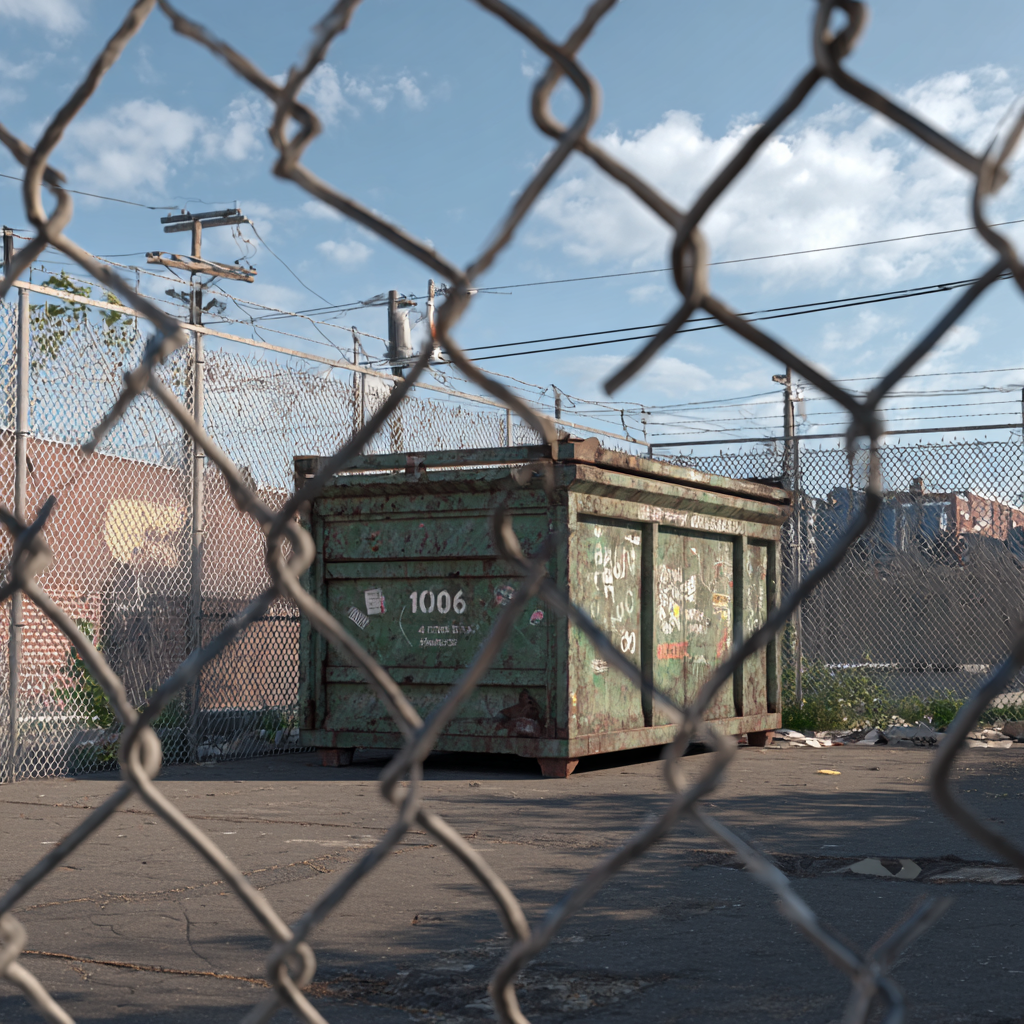
Dumpster Fencing and Its Importance
Dumpster fencing is key for a clean, organized, and secure waste area. It makes your property look better and has many benefits. Let’s explore why dumpster enclosures are important for homes and businesses.
Benefits of Proper Dumpster Enclosures
Dumpster fencing stops illegal dumping and keeps animals out. This means no mess from bears, deer, or raccoons. It also makes your area look cleaner and more professional.
Enhanced Property Value
A well-maintained dumpster enclosure does more than keep waste out of sight, it can genuinely boost property value. Prospective buyers and tenants often view an organized, well-screened waste area as a sign of overall property upkeep, and a compliant, attractive enclosure can make a stronger first impression than an exposed dumpster ever could.
For commercial properties especially, a professional-looking enclosure that fits the building’s architecture signals attention to detail to clients, customers, and neighboring businesses alike. That kind of visual consistency is a small investment that pays off in how the property is perceived, both by potential buyers down the line and by the people using the space every day.
Commercial vs Residential Applications
The cost of dumpster fencing changes based on if it’s for a business or home. Businesses need bigger fences for more waste. Homes need smaller ones. Knowing the dumpster fencing regulations and requirements in your area is crucial.
Local Regulations and Compliance Requirements
Local rules dictate what dumpster fencing enclosures can be made of, how big they can be, and where they go. These dumpster fencing requirements help keep communities safe and clean. Knowing these rules helps you choose the right fence.
Code Compliance by Enclosure Type
Local zoning regulations don’t apply the same way to every property, and requirements often scale with the type and size of the operation. The table below breaks down how permit and clearance requirements typically vary by enclosure type.
| Enclosure Type | Permit Required | Minimum Clearance |
|---|---|---|
| Standard (residential) | Yes, for roof or footprint changes | 2 feet on all sides |
| Commercial | Yes, in most localities | 30-inch access aisles |
| Multi-family (5+ units) | Yes, includes recycling needs | 6-inch buffer per container |
These requirements vary by municipality, so it’s worth checking with your local building department before finalizing plans, particularly for commercial or multi-family properties where recycling infrastructure and access aisle requirements add another layer of compliance beyond the enclosure itself.
Essential Planning and Site Preparation
Proper planning and site preparation are very important for dumpster fencing installation. The right spot and setup make your dumpster fencing work well. Here are important things to think about:
- Choose a site near the pickup area for easy access. This makes managing the dumpster smoother.
- Make sure there’s good drainage and enough space for trucks. Aim for at least 60 feet for the dumpster and truck.
- Check for overhead clearance of at least 20 feet. Avoid wires, eaves, or trees that could block your fencing.
- Plan for a concrete pad big enough for the dumpster. This ensures a stable and level base for your fencing.
- Consider the size and type of your rented dumpsters, as that will influence the space required for placement.
By picking the right site and preparing it well, you’re ready for a successful dumpster fencing installation. These steps help your fencing meet your needs and local rules. They make your dumpster fencing enclosure more useful.
Construction Site Accessibility Considerations
Construction sites bring their own accessibility demands on top of standard placement guidelines. The enclosure itself should be sized at least 10% larger than the dumpster’s footprint to ensure clearance for gates and access points, and active job sites should leave at least 50 feet of unobstructed space in front of the enclosure so collection trucks can maneuver safely around equipment, materials, and foot traffic.
Sites using larger containers, such as a 30-yard dumpster or 40-yard dumpster for major commercial builds, should plan enclosure dimensions around the specific container size in use rather than defaulting to standard measurements, since a larger dumpster demands a proportionally larger footprint and swing radius for the gate.
Additional Tips for Construction Site Enclosures
A few extra precautions help keep an enclosure functional and safe once it’s in daily use on an active job site:
- Use high-visibility materials or markings to help prevent accidents involving heavy machinery operating nearby
- Choose reinforced gate systems built to withstand frequent, heavy-duty use rather than standard residential-grade hardware
- Design the enclosure with relocation in mind, since site layouts often shift as a project progresses through different phases
Planning for these factors upfront helps the enclosure hold up to the pace and demands of active construction work, rather than needing rework partway through the project.

Dumpster Fencing Materials and Their Characteristics
Choosing the right materials for dumpster fencing is key. It affects how well it works, looks, and lasts. We’ll look at options like chain link dumpster fencing, wooden dumpster fencing, vinyl dumpster fencing, and metal dumpster fencing.
Here are the top dumpster fencing ideas:
Chain Link and Metal Options
Chain link dumpster fencing is cheap and easy to put up. It’s a good choice for keeping your dumpster area safe. But, it might not look as nice as other options.
Metal dumpster fencing is very secure and lasts a long time. It also needs little care. This makes it great for businesses and factories.
Wood and Vinyl Solutions
Wooden dumpster fencing is easy to work with and can match your property’s look. But, it needs more care than some materials. Vinyl dumpster fencing looks good and is easy to keep up. Yet, it can cost more and be hard to fix if it gets damaged.
Concrete and Masonry Choices
Concrete dumpster fencing or masonry dumpster fencing are strong and look professional. They can stand up to the weather and look great. But, they cost more and take more work to set up.
Think about local rules, your budget, and what you want it to look like. This will help you pick the right dumpster fencing for your property.
Proper Dimensions and Space Requirements
When setting up dumpster fencing and enclosures, size and space are key. Good planning makes sure your setup follows local rules. It also makes sure it works well for handling waste.
The usual size for a dumpster enclosure is 8 feet tall, 14 feet long, and 19 feet wide or deep. The gate should open at least 15 feet wide, swinging more than 90 degrees. You need 3 feet of space around the concrete pad for easy access.
The concrete pad should be at least 6 inches thick. The footers for the posts should be 4 inches thick. These strong bases help your fencing handle the dumpster’s weight and the trucks that bring it. Make sure to adjust the size based on your dumpster’s size and local rules.
- Typical Minimum Enclosure Dimensions:
- Height: 8 feet
- Length: 14 feet
- Width/Depth: 19 feet
- Gate Opening: 15 feet
- Gate Swing: More than 90 degrees
- Concrete Pad Requirements:
- Minimum Thickness: 6 inches
- Footers: 4 inches thick
- Clearance:
- 3-foot clearance around all sides of the pad
Following these dimensions and space needs ensures your enclosure meets local rules. It also makes sure it works well for your waste management needs.

Installation Methods and Construction Guidelines
Setting up a dumpster fencing enclosure needs the right steps. This ensures it’s safe and follows the rules. Let’s look at the main steps to follow.
Foundation and Post Installation
First, drill holes in the concrete for the fence posts. Make sure to clean out any dirt. Dig the holes at least 24 inches deep for a strong base.
Add gravel at the bottom of the holes for better drainage. Then, use quick-set concrete to set the metal fence posts in place. After the posts are set, attach the metal fencing panels to the frame.
Gate System Requirements
The gate system is key. Use metal stabilizers to keep the gate straight and working right. You’ll need 3-4 heavy-duty hinges on each side for the gate’s weight.
Finally, add a good latch or lock to keep the gate closed.
Safety Considerations During Construction
Safety is very important when building. Before digging, call 811 to find underground lines. Wear the right PPE and follow OSHA safety rules.
Install temporary fencing around the area to keep it safe. This prevents accidents and keeps things organized.
By following these steps, you can make a dumpster fencing enclosure that works well. It will also be safe and meet local rules. Paying attention to details and keeping safety first will make your project a success.
Maintenance and Long-term Care for Dumpster Enclosures
Keeping your dumpster fencing in good shape is key. Regular checks and care can save you money and keep your place looking great. We’ll look at the important steps for keeping your dumpster enclosure in top condition.
First, check your dumpster enclosure often. Look for damage like warped boards, loose hinges, or rust. Fixing these problems early can stop bigger issues and keep your area safe.
- Clean the enclosure regularly to keep it looking nice. Use power washing for metal or vinyl, and gentle scrubbing for wood.
- Touch up any fading or chipped paint or stain to keep your dumpster fencing looking good.
- Make sure the gate hinges and latch work right. Fix them if needed.
- Check the concrete pad or foundation for cracks or settling. Fix any problems to keep the enclosure strong.
By taking care of your dumpster fencing, you can make it last longer. Regular maintenance keeps your property looking great. It also helps you follow local rules and avoid safety risks.
Dumpster Fences Provide Security and Safety
Investing in high-quality dumpster fencing is a smart way to improve property security, organization, and aesthetics. By understanding local regulations, choosing durable materials, and following proper installation practices, you can create a dumpster enclosure that truly works for your needs.
At Prime Dumpster, we’re here to support your waste management goals with expert advice and solutions. Explore our tips on dumpster fencing enclosures to transform your outdoor spaces into safer, more efficient areas. Contact us today to learn how we can help with all your fencing and waste management needs.
If you are looking for Dumpster Fire Safety and Prevention, Click Here
Recent Posts


Follow Us
Have any questions?
+1 844 853 3867
Give us a call today so we can help you find the right waste & sanitation solution for
your project!
Contact Us