
Mon - Sat 7:00 am to 7:00 pm
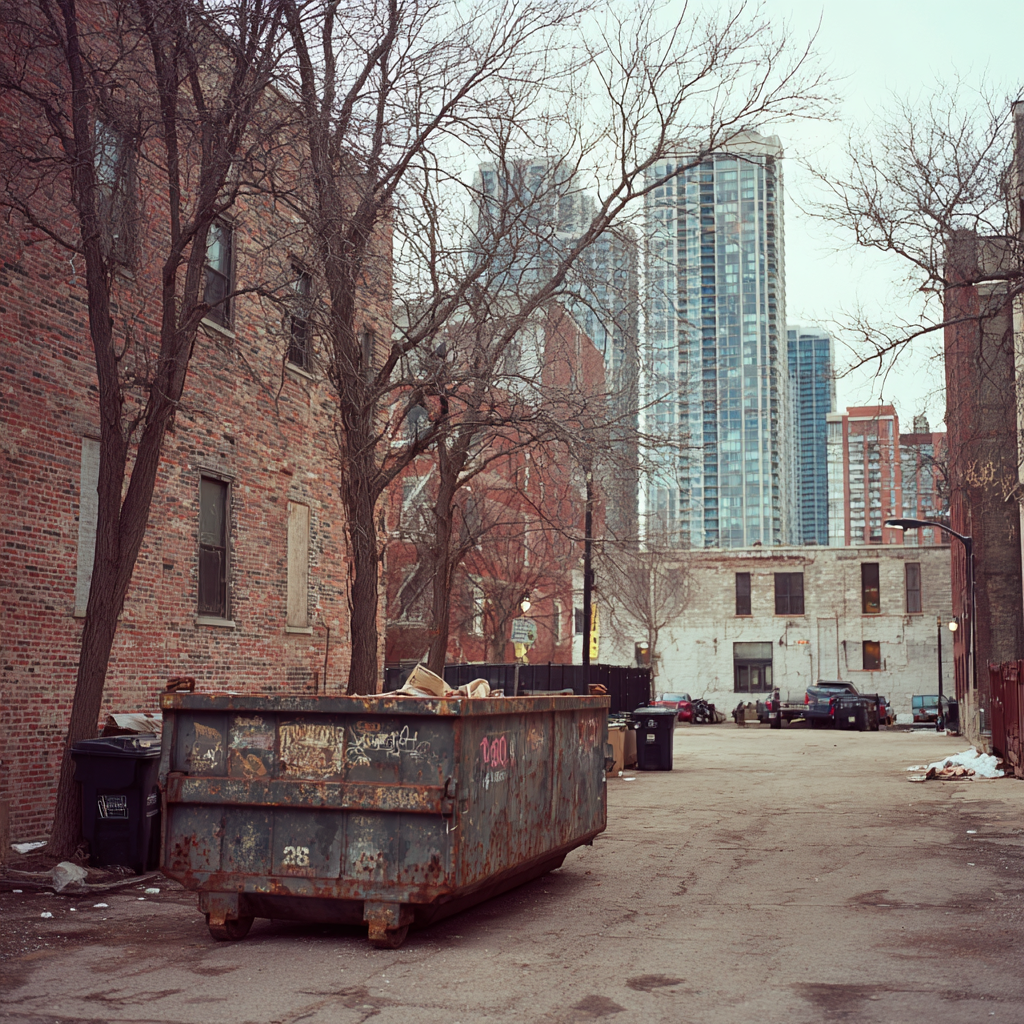
Guide to Rented Dumpster Placement in Chicago for Events, Construction Sites, Homes & More
Welcome to your practical guide for positioning a dumpster rental in the Windy City. We know you understand the basics. Now let’s tackle Chicago’s unique urban challenges.
Our Prime Dumpster guide is for construction pros, event planners, and venue managers. We cover construction zones, large festivals, and residential projects across the city. You’ll learn placement tips, permit information, and other tips.
Fast Facts: Rented Dumpster Placement in Chicago
Our Prime Dumpster Pros answer common questions about container placement when renting rolloff dumpsters in Chicago.
Do I need a permit for rented dumpster placement in Chicago?
“Private property placement including driveways and construction sites doesn’t require city permits, making residential and commercial projects straightforward when you have adequate on-site space. Public space placement on streets, sidewalks, or parking areas requires permits through the Chicago Department of Transportation before delivery can proceed.”
What fees apply to Chicago dumpster placement permits?
“Permit fees vary based on placement duration and location within the city, with costs remaining separate from your container rental pricing. The Chicago Department of Transportation sets fee structures that don’t typically change based on container size, so a 10-yard dumpster costs the same to permit as a 40-yard container in the same location for the same time period.”
Where can rented dumpsters be placed in Chicago neighborhoods?
“Containers work best on private driveways, parking lots, and construction sites when space allows, keeping placement simple without city approval processes. Street placement along curbs serves projects in dense areas like River North and Wicker Park where private space is limited, but requires advance permit applications and careful coordination with neighbors and traffic flow.”
Can I place a dumpster on private property without restrictions?
“Private property placement avoids permit requirements but still demands attention to surface protection, overhead clearance from power lines and trees, and stable level ground preventing container damage or safety hazards. Protect asphalt and concrete with plywood sheets, verify adequate space for delivery truck maneuvering, and maintain clear access routes throughout the rental period.”
What are the rules for placing dumpsters on public property in Chicago?
“Public right-of-way placement requires active permits obtained before container delivery with documentation kept on-site throughout the rental period. The Chicago Department of Transportation reviews applications for street and sidewalk placements, verifying that containers won’t create traffic hazards, block pedestrian access, or violate spacing requirements in busy downtown corridors versus residential neighborhoods.”
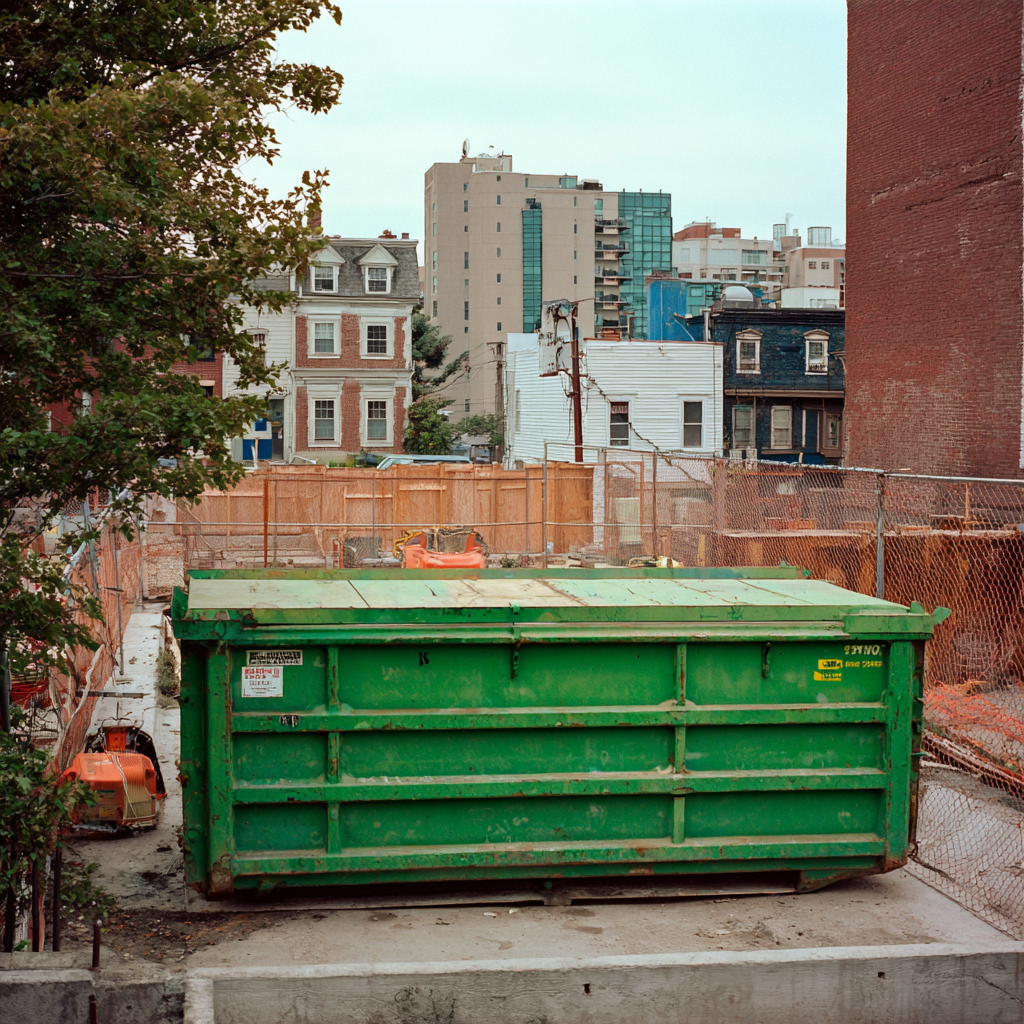
Chicago Dumpster Placement Challenges
Finding the perfect spot for your container in the Windy City feels like solving a puzzle. Our dense urban landscape means every square foot matters more than in suburban areas.
Site Considerations in the Windy City
Skyscrapers in the Loop and bungalows in residential zones create different obstacles. Narrow streets can cause traffic jams when containers block lanes.
Alleyways often barely fit garbage trucks. Adding a roll-off container might completely block access.
Lake Michigan winds and heavy snow affect container stability. Delivery trucks need clear routes during tough weather.
Local Neighborhoods and Industrial Areas
Each Chicago community has its own character. River North’s busy streets differ from Beverly’s calm residential roads.
Industrial zones like the Southwest Side handle larger containers and heavier materials. Space remains tight even in these areas.
Your property type determines the best approach. A construction site near the Stockyards needs different planning than a Wicker Park home renovation.
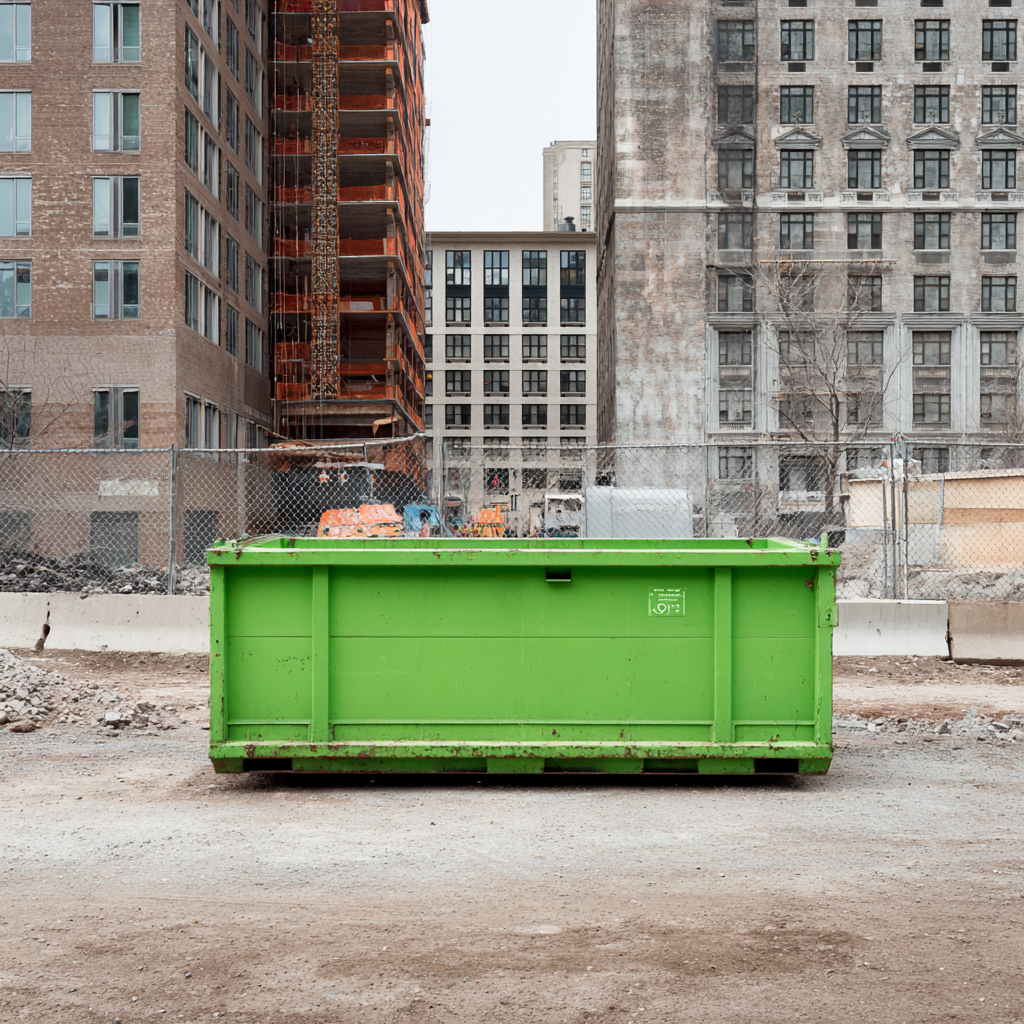
Rented Dumpster Placement in Chicago: Best Practices
Mastering the art of waste container positioning requires strategic thinking in urban environments. Let’s dive into practical tips for dumpster placement at Chicago events.
Space Optimization on Tight Urban Sites
Measure your area twice before your container arrives. Repositioning wastes time and money in crowded city spaces.
A typical roll-off dumpster needs about 17 feet in length and 7 feet in width for placement space. Don’t forget extra room for the delivery truck to maneuver.
Place your container close to the work area while maintaining safe access. This reduces debris carrying distance and boosts efficiency.
Always choose level, stable ground. Avoid sloped driveways or soft terrain that can cause sinking.
Protect surfaces with plywood sheets. This prevents damage to driveways during residential projects.
Check overhead clearance too. Power lines and tree branches can block delivery or pickup.
Ensuring Ease of Access for Delivery and Pickup
Delivery trucks need adequate width to navigate narrow streets. They also require space for hydraulic lifts during positioning.
Keep the area around your container clear throughout the rental period. This ensures pickup crews can retrieve it without delays.
Coordinate with neighbors in residential areas. Your container placement might affect their parking temporarily.
Here’s a look at the most common types of dumpsters available for rent.
| Container Size | Length | Width | Height | Best For |
| 10-yard dumpster | 14 feet | 7 feet | 3.5 feet | Small renovations |
| 20-yard dumpster | 17 feet | 7 feet | 4.5 feet | Medium projects |
| 30-yard dumpster | 20 feet | 7 feet | 5 feet | Large construction |
| 40-yard dumpster | 22 feet | 7 feet | 6 feet | Major demolition |
Navigating Chicago Regulations and Permits
Let’s talk rules! You need to know when you’re dealing with Chicago dumpster permit regulations.
Getting it right saves you headaches and keeps your project moving smoothly.
Permit Requirements for Public vs. Private Properties
Here’s the big difference. Containers on private property typically need no permit.
That means your driveway or construction site is good to go.
But if you’re using public space like a street or sidewalk, you absolutely need that permit.
The Chicago Department of Transportation handles these requirements.
Strategies to Comply with Local Ordinances
Start the process early. Permits must be active before your container arrives.
Keep your documentation on-site. Make sure the placement matches the permitted location exactly.
Violations can lead to fines that cost more than the permit fees.
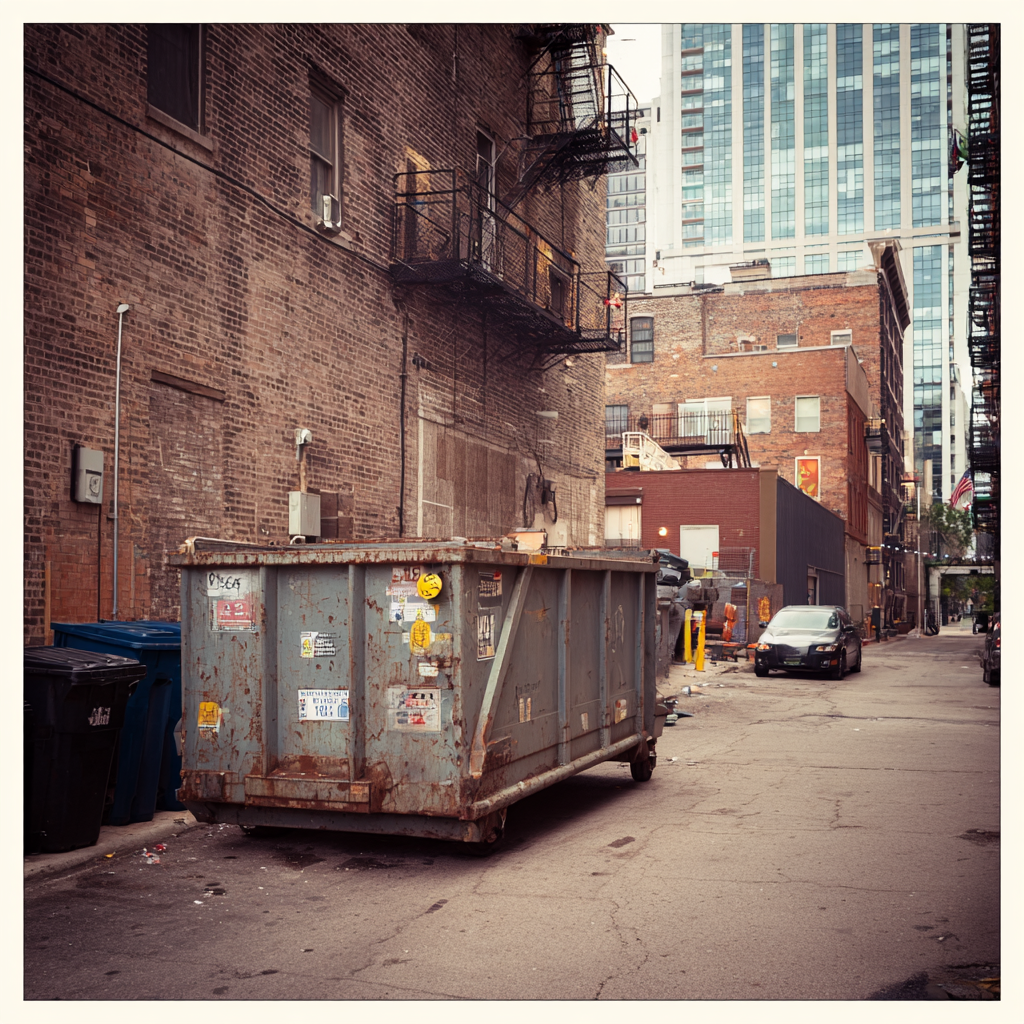
Site-Specific Tips for Diverse Projects
Every job has its own unique waste challenges. Let’s explore how to handle different scenarios across our city.
Construction Sites and Renovation Projects
Construction zones need careful planning. High-rise projects downtown require compact container placement.
Residential renovations in neighborhoods like Bucktown often use driveways. Protect surfaces with plywood underneath.
Different materials need proper disposal. Drywall and fixtures require appropriate handling methods.
Festivals, Events and Residential Settings
Events generate high-volume waste quickly. Place containers where they won’t block foot traffic.
Home cleanouts need convenient access. Consider neighbor relations when choosing your spot.
Manufacturing facilities have ongoing disposal needs. They often require larger containers for heavy materials.
Match your container size to the project type. A small home remodel needs less space than a major festival.
Time your delivery with work schedules. Events need containers before crowds arrive.
Proper planning makes waste management smooth. Your project will thank you!
Maximizing Efficiency in Dumpster Delivery and Setup
Getting your waste container delivered smoothly makes your whole project run better. Smart coordination saves time and money.
Let’s break down the steps for a perfect delivery experience when renting dumpsters in Chicago.
Coordinating Delivery Schedules
Start by talking clearly with your rental company. Share your project timeline and site access details.
- Someone should be on-site to guide the driver. This prevents placement errors.
- Clear the delivery route of any obstacles. Trucks need space to maneuver.
- Schedule the delivery to match your work start date. Don’t pay for idle container time.
- Know your weight limits before you rent. Heavy materials like concrete cost more to dispose.
- Communicate your specific needs to the rental services. Include waste type and volume estimates.
- Good planning reduces total costs. You avoid fees for weight overages or extra rental days.
- Build relationships with reliable companies if you manage multiple projects. They learn your standards.
Always have a backup plan for urban surprises. Weather or parking issues can delay delivery.
Your Chicago Dumpster Placement Partner
Successfully managing rented dumpster placement at Chicago events requires understanding permit requirements for public versus private property, coordinating delivery around tight urban access constraints, and protecting surfaces during placement across the city’s diverse neighborhoods. Prime Dumpster coordinates waste removal for construction sites, events, and residential projects throughout the Chicago area from the Loop to suburban communities. Contact us to discuss your project requirements and arrange container placement that keeps your timeline on track while meeting city regulations.
If you are looking for Dumpster Permits for Events in Chicago, IL, Click Here
Recent Posts


Follow Us
Have any questions?
+1 844 853 3867
Give us a call today so we can help you find the right waste & sanitation solution for
your project!
Contact Us