
Mon - Sat 7:00 am to 7:00 pm
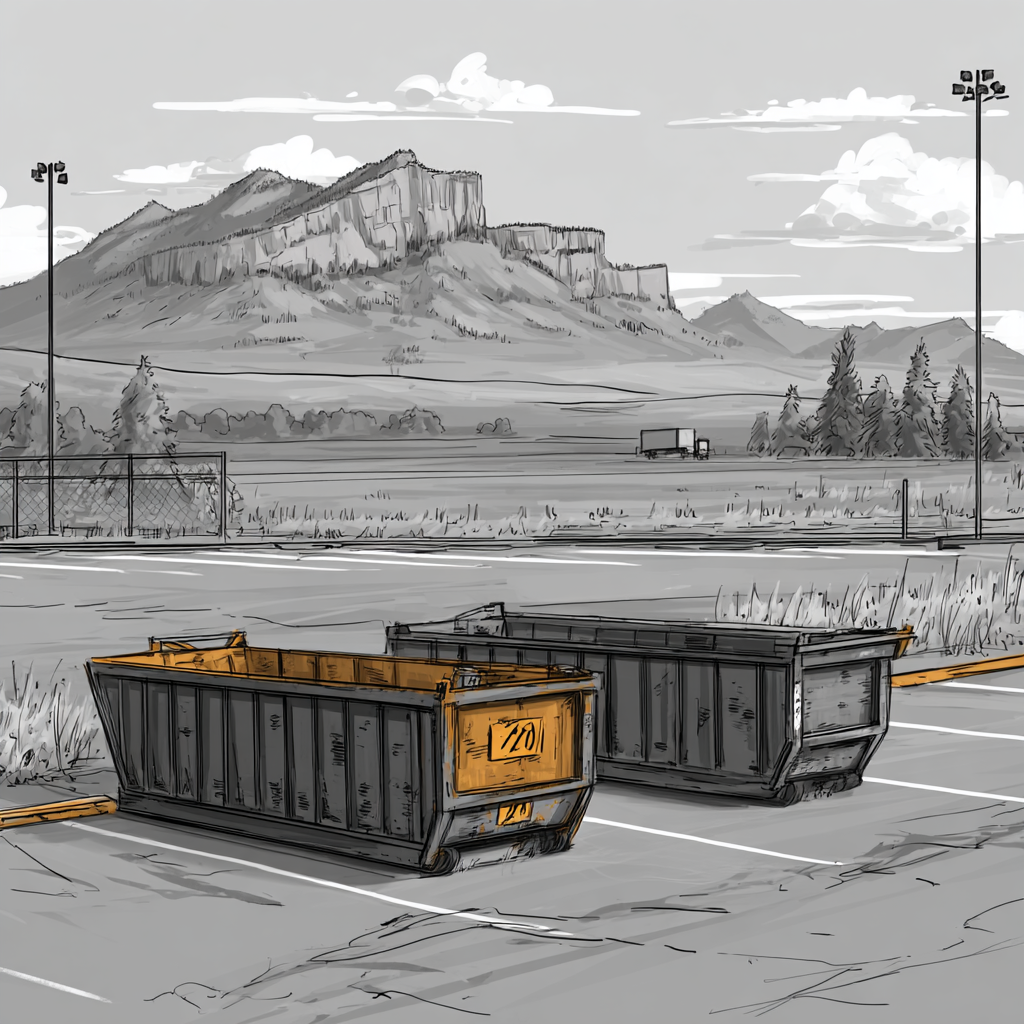
Where to Place a Dumpster in Helena, MT?
Montana’s capital city presents unique container placement challenges from historic downtown properties to industrial facilities near the railroad corridor. Dumpster placement in Helena, MT requires understanding municipal codes, protecting surfaces during extreme temperature swings, and coordinating delivery logistics across elevation changes.
Prime Dumpster coordinates waste removal throughout Lewis and Clark County, helping contractors and property managers navigate placement options for residential renovations, commercial projects, and industrial operations across Helena, East Helena, and Montana City.
Our guide addresses site preparation requirements, permit processes, seasonal considerations, and placement strategies specific to Helena’s mountain valley environment.
Fast Facts: Helena Dumpster Placement
Our Prime Dumpster Pros answer common questions about dumpster rentals in Helena, MT, including tips for container placement in driveways, jobsites, and other locations.
Where should contractors place containers on residential properties?
“Driveways work best for most Helena homes since they provide stable surfaces and convenient loading access. Protect asphalt from temperature extremes by placing plywood boards underneath during summer heat above 90 degrees or winter cold below freezing. Hillside properties may require alternative placement on lower sections where delivery trucks can safely maneuver without grade concerns.”
What placement considerations apply to industrial facilities?
“Manufacturing sites near the railroad district typically have designated loading zones that accommodate 30-yard dumpsters or 40-yard containers without disrupting production schedules. Position units where forklifts can access them during shift changes while maintaining clear paths for material deliveries and employee parking. Verify whether your facility requires special permits even for private property placement in industrial zones.”
How do Helena’s elevation changes affect delivery logistics?
“Valley floor properties below 4,000 feet rarely face access issues, but developments in the South Hills and Scratchgravel Hills require steep grade navigation that affects truck maneuverability. Communicate elevation changes and driveway slopes to providers during booking so they can send appropriate equipment and plan safe positioning strategies.”
What permit requirements apply to downtown Helena projects?
“Historic district regulations in Last Chance Gulch and Reeder’s Alley areas often require permits even for private property placement to protect architectural character. Street placement always needs city approval with applications processed through Helena’s Community Development Department. Submit requests three weeks ahead during summer construction season when administrative workload peaks.”
Where can event organizers position containers at outdoor venues?
“Carroll College athletic events and community festivals at Memorial Park are some examples of local outdoor places where dumpster placement must be carefully considered. Protect grass surfaces with boards during spring and fall when ground moisture makes turf vulnerable to rutting. Schedule delivery after setup completion and pickup immediately following breakdown to minimize rental duration costs.”
| Container Size | Common Helena Uses | Placement Strategy |
| 10-yard dumpster | Small home updates, concrete removal, garage cleanouts | Fits narrow driveways in older neighborhoods like Cathedral district |
| 15-yard dumpster | Kitchen remodels, bathroom renovations, small commercial projects | Standard residential driveway placement with surface protection |
| 20-yard dumpster | Roof replacements, multi-room renovations, retail cleanouts | Requires full driveway or commercial parking area access |
| 30-yard dumpster | Whole-home remodels, industrial waste, major construction | Needs large commercial lots or industrial loading zones |
| 40-yard dumpster | Complete demolitions, manufacturing operations, large builds | Industrial facilities only, substantial access space required |
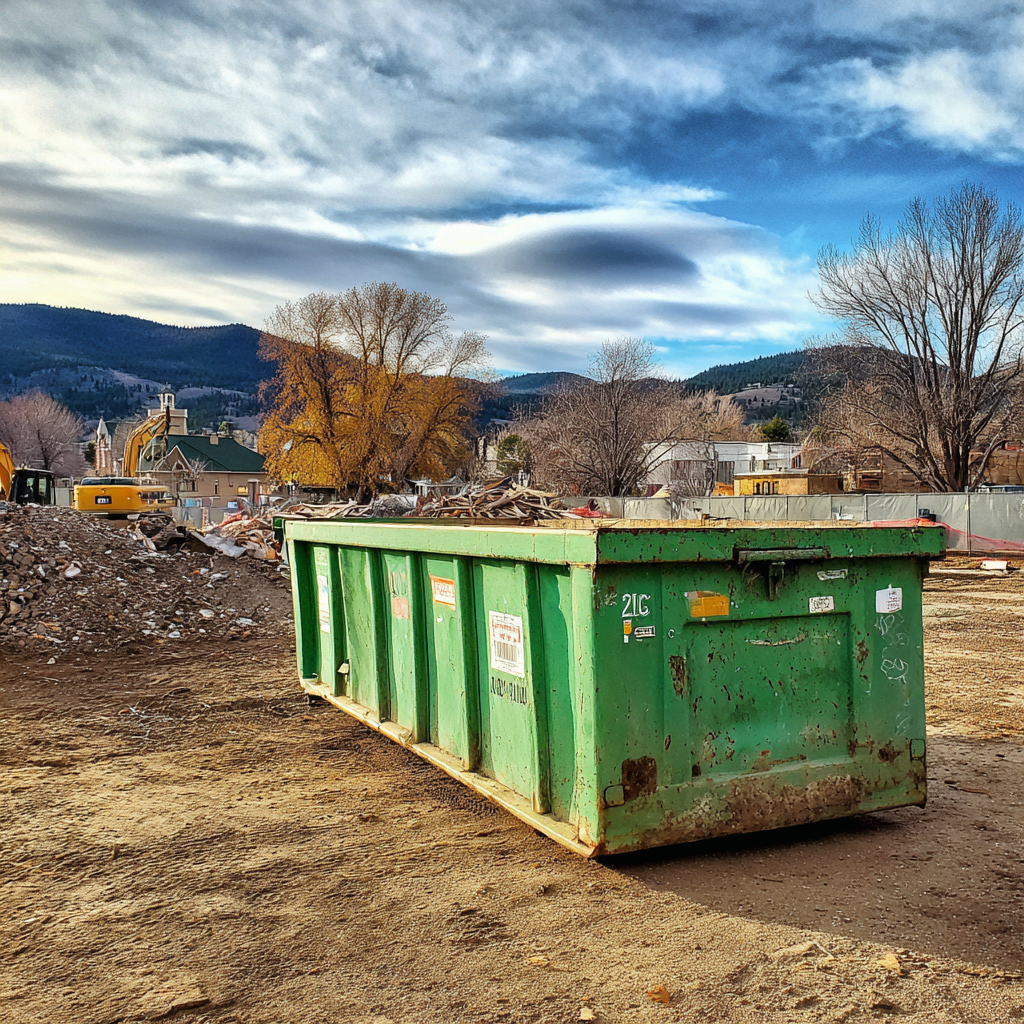
Helena’s Placement Options
Container positioning depends on property type, project scope, and local regulations that vary across residential and commercial zones.
Private Property Considerations
Residential driveways, commercial parking lots, and industrial yards typically allow container placement without city permits when you control the property. Confirm adequate space for delivery trucks requiring 12-14 feet width and 16 feet overhead clearance accounting for power lines. Property owners should verify HOA restrictions in planned communities like Green Meadows or Valley View Estates before scheduling delivery.
Public Right-of-Way Requirements
Street placement, sidewalk use, or positioning within city-maintained areas requires permits from Helena’s Public Works Department. Downtown locations face stricter review processes protecting historic district character and ensuring pedestrian access remains unobstructed. Application fees and approval timelines vary based on duration and specific location within city limits.
Elevation and Terrain Challenges
Helena’s 3,875-foot base elevation rising to over 5,000 feet in hillside neighborhoods creates grade challenges for delivery trucks. Properties on slopes require careful assessment of driveway angles and turning radius for safe container positioning. Winter ice accumulation on steep driveways may necessitate alternative placement locations accessible from flatter terrain.
Industrial and Manufacturing Placement Strategies
Helena’s industrial corridor along Montana Avenue and near the railroad district houses manufacturing operations requiring specialized waste management approaches. Production facilities generating continuous waste streams need permanent or semi-permanent placement zones that don’t interfere with shipping and receiving operations.
Metal fabrication shops, wood product manufacturers, and food processing facilities each generate distinct waste requiring different container sizes and placement approaches. Heavy industrial debris like metal scrap and equipment parts needs ground-level placement where forklifts operate safely without crossing pedestrian paths.
Seasonal production cycles affect container needs at facilities tied to agricultural processing or construction material manufacturing. Verify local fire codes don’t restrict placement near buildings or require specific setbacks from structures containing flammable materials.
Residential Project Placement Approaches
Home renovation projects throughout Helena’s diverse neighborhoods each present unique access and protection challenges.
Historic District Properties
Downtown areas near the Original Governor’s Mansion and Cathedral of St. Helena feature narrow streets, mature trees, and underground utilities requiring careful delivery planning. Ten-yard dumpsters fit tighter spaces common in these older neighborhoods while providing adequate capacity for interior renovation debris. Coordinate with neighbors when shared driveways or alley access affects multiple properties.
Hillside Development Challenges
South Hills and Scratchgravel developments built on slopes need placement on the flattest available sections of properties. Steep driveways may prevent safe container positioning requiring street placement with appropriate permits and traffic control measures. Winter conditions make hillside access particularly challenging when ice creates hazardous delivery conditions.
Suburban Subdivision Solutions
Newer developments in Helena Valley areas typically feature wider driveways and fewer overhead obstacles simplifying placement logistics. Standard residential properties accommodate 15 to 20-yard containers without special considerations beyond surface protection. Establish clear sight lines for delivery trucks navigating curved subdivision streets and cul-de-sacs.
Commercial Property Placement Requirements
Business districts throughout Helena present distinct challenges balancing operational needs with waste management logistics.
Downtown retail and restaurant locations along Last Chance Gulch face limited space requiring creative placement solutions. Early morning or evening delivery times minimize impact on customer traffic and parking availability. Alley access behind buildings often provides better options than street frontage placement that affects business visibility and pedestrian flow.
Office buildings coordinating tenant improvements must maintain professional appearances while managing construction debris. Covered containers or strategic positioning away from main entrances reduces visual impact during renovation projects. Schedule deliveries during weekend hours when building occupancy remains low and parking demand decreases.
Medical facilities, professional offices, and service businesses require placement that doesn’t interfere with patient or client access. Designate specific loading zones that maintain clear pathways to building entrances and comply with ADA accessibility requirements throughout container rental periods.
Helena Permit and Regulatory Framework
City codes governing container placement protect public safety, maintain historic character, and ensure emergency access throughout Lewis and Clark County.
Municipal Permit Processes
City of Helena requires permits for containers on public streets, sidewalks, or right-of-way areas regardless of duration. Private property placement within your own lot boundaries typically avoids permit requirements but verify current regulations with city offices before delivery. Historic preservation zones may impose additional restrictions beyond standard municipal codes.
Submit applications through Helena’s Community Development Department allowing two to three weeks processing time during peak construction season from May through September. Winter applications generally receive faster approval as administrative workload decreases and fewer projects compete for permit slots.
Street Placement Regulations
Containers occupying public streets must maintain traffic flow, emergency vehicle access, and pedestrian routes at all times. Position units avoiding:
- Fire hydrants and emergency access lanes
- Bus stops and designated parking zones
- Mailbox delivery areas and newspaper boxes
- Crosswalks and curb ramps for accessibility
- Sight lines at intersections and driveways
Permits specify maximum placement duration, required safety markings, and insurance documentation protecting city liability. Reflective tape, warning signs, and barrier placement may be mandatory depending on street type and traffic volumes.
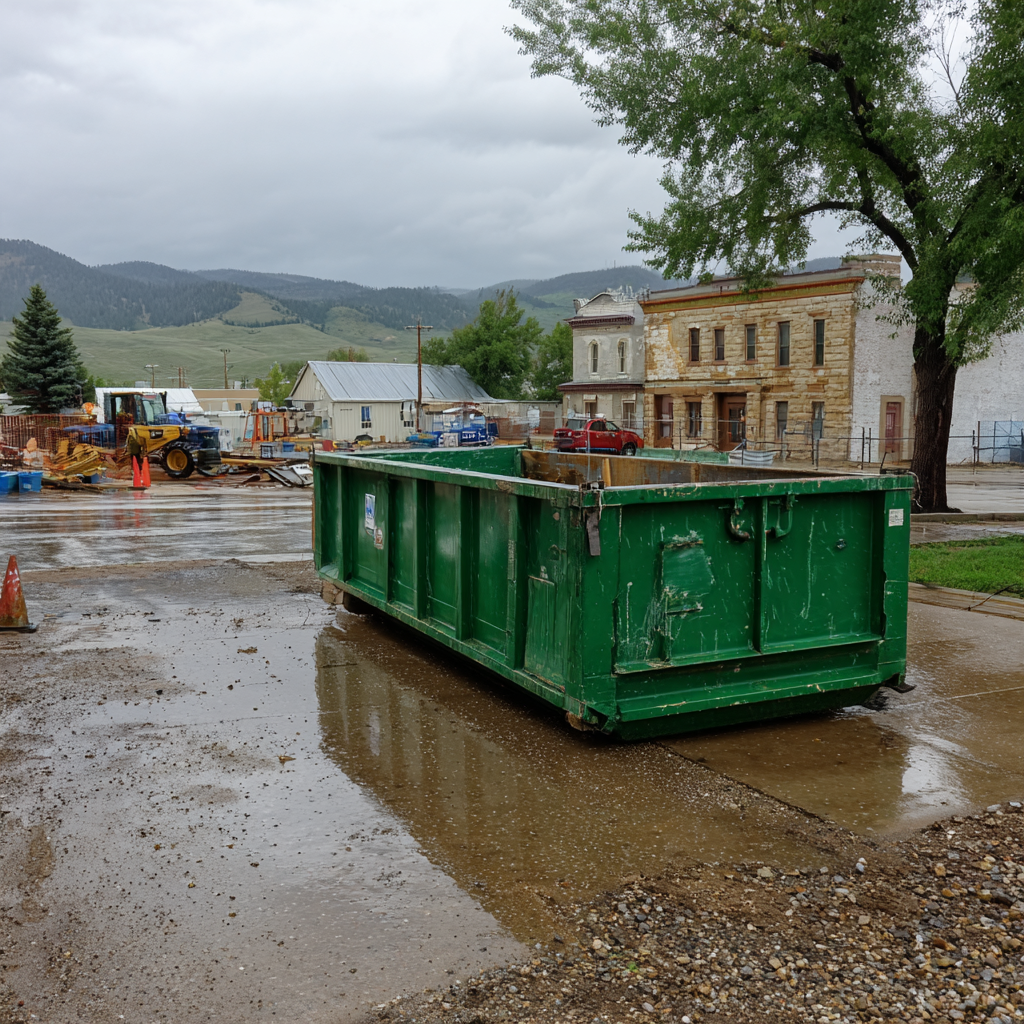
Montana Weather Impact on Container Placement
Helena’s continental climate with temperature extremes, seasonal precipitation, and elevation effects creates year-round placement considerations.
Winter Placement Challenges
November through March brings temperatures frequently dropping below zero with snow accumulation averaging 38 inches annually. Frozen ground provides stable support for container weight but snow removal around units becomes essential for safe loading access. Ice buildup on driveways creates hazardous conditions for delivery trucks, requiring sand or gravel treatment before positioning containers.
Cover open containers with tarps, preventing snow accumulation that adds disposal weight and creates loading difficulties. Secure lightweight debris against wind gusts that intensify through mountain passes and valley corridors during winter storm systems.
Summer Heat Considerations
June through August sees temperatures regularly exceeding 90 degrees with low humidity typical of high-elevation mountain valleys. Asphalt driveways soften during peak afternoon heat making them vulnerable to impressions from loaded container weight. Schedule deliveries during cooler morning hours or use substantial plywood protection, distributing weight across larger surface areas.
Dry conditions create dust concerns when loading demolition debris requiring occasional water application controlling particulate spread to neighboring properties. Forest fire smoke during late summer may affect outdoor work schedules and debris loading activities.
Spring and Fall Transition Periods
April-May and September-October feature unpredictable weather combining late winter storms with early heat waves or autumn freezes. Ground conditions vary dramatically week to week as seasonal transitions occur. Assess soil firmness immediately before delivery rather than relying on conditions from earlier site visits weeks prior.
Rapid temperature fluctuations affect asphalt and concrete surfaces making them vulnerable to damage from concentrated loads during daily freeze-thaw cycles. Monitor forecasts and communicate weather concerns to providers adjusting delivery timing around predicted extreme conditions.
Site Preparation for Helena Deliveries
Proper preparation ensures safe container delivery and protects property throughout rental periods in Helena’s challenging environment.
- Clear the placement area of vehicles, equipment, and obstacles at least 48 hours before scheduled delivery allowing time for snow removal or ground stabilization if needed
- Mark underground utilities including sprinkler systems, septic components, and utility lines preventing damage during container positioning
- Communicate site-specific challenges like steep grades, narrow access routes, or overhead clearance limitations during booking conversations so providers can plan appropriate delivery approaches
- Verify ground stability supports loaded container weight especially during spring thaw when saturated soil loses bearing capacity
- Provide photographs of placement areas helping providers select appropriate equipment and identify potential access issues before arrival
Hillside properties should identify alternative flat areas accessible if primary placement locations prove unsafe for truck maneuvering.
Cost Factors Affecting Helena Container Rentals
Multiple variables beyond base container pricing affect total project costs throughout the Helena area.
Standard dumpster rental services include five-day periods for most projects with extended terms available for longer renovations. Base rates vary by container size with 10-yard units typically starting around $399 while 40-yard containers have higher pricing reflecting increased capacity and disposal costs.
Weight allowances ranging from one to three tons come included with base rentals. Exceeding these limits triggers per-ton overage charges adding substantially to final costs. Dense materials like concrete, brick, and roofing shingles frequently cause overages even in partially filled containers requiring careful loading monitoring.
Distance from Helena city center affects delivery charges with rural Lewis and Clark County locations potentially incurring mileage surcharges. Mountain valley properties requiring specialized delivery approaches or multiple positioning attempts may face additional service fees.
Permit fees for street placement add to overall project expenses with costs varying based on duration and specific location within city limits. Historic district projects may require additional review fees beyond standard permit charges. Factor these municipal costs into budget planning during initial project estimation.
Your Helena Placement Partner
Successfully placing a dumpster in Helena MT requires understanding municipal permit requirements, preparing sites for elevation and weather challenges, and coordinating delivery logistics across diverse property types.
Prime Dumpster provides experienced guidance for container placement throughout Lewis and Clark County. Our team understands Helena’s unique terrain challenges, seasonal weather patterns, and regulatory requirements affecting projects across residential, commercial, and industrial properties. Contact us to discuss your placement needs and develop strategies that keep your project on schedule while maintaining compliance with local standards.
If you are looking for Dumpster Rentals for Home Renovations in South Haven MI, Click Here
Recent Posts


Follow Us
Have any questions?
+1 844 853 3867
Give us a call today so we can help you find the right waste & sanitation solution for
your project!
Contact Us