
Mon - Sat 7:00 am to 7:00 pm
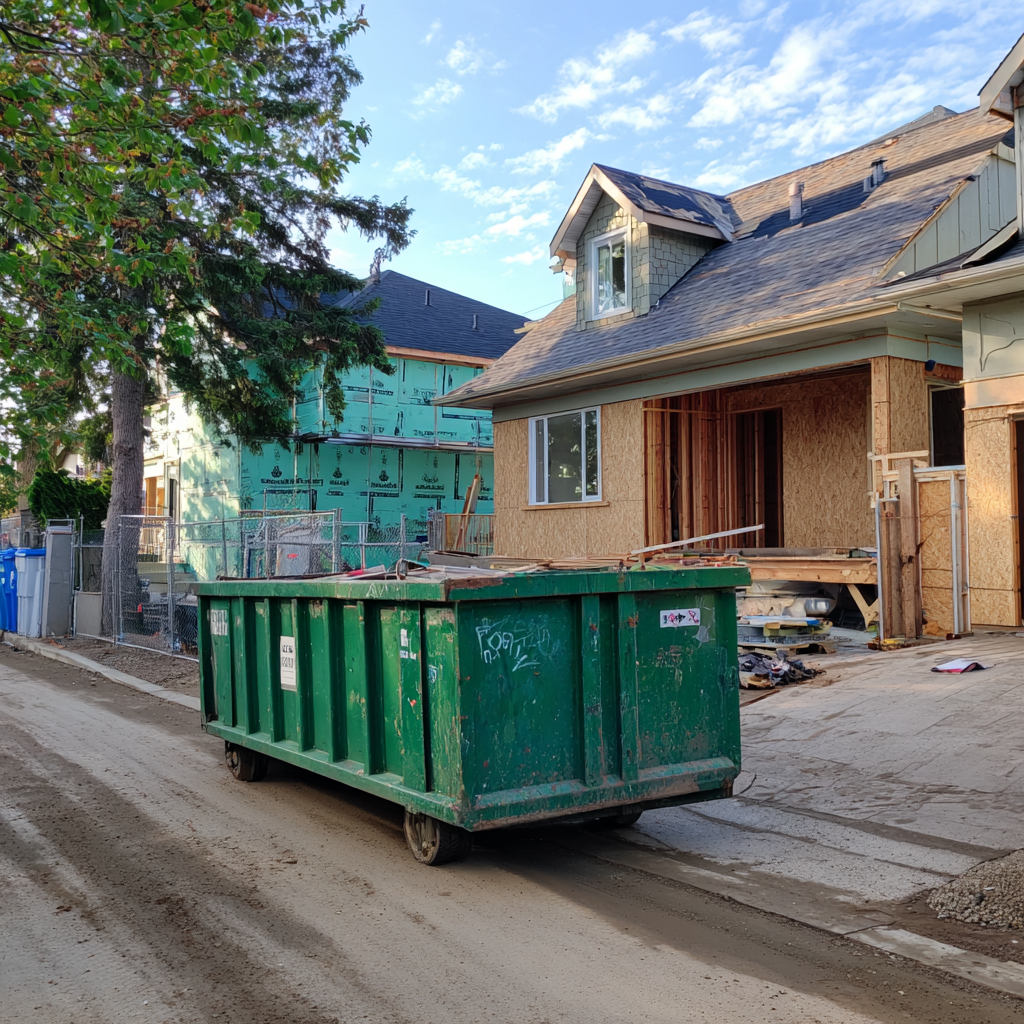
Where Can You Place a Dumpster In Richland, WA?
Managing construction sites, home renovations, or events in the Tri-Cities area requires strategic planning for where your waste container will sit and how delivery trucks will access it. Dumpster placement in Richland, WA, involves understanding space requirements for safe delivery, navigating permit regulations for public versus private property, and avoiding common mistakes that block access routes or damage property.
3 placement considerations:
- Delivery trucks need approximately 60 feet of straight-line approach space and 23 feet of vertical clearance
- Private property placement typically requires no permits while public street placement needs city approval
- Ground protection, overhead obstacles, and access lane planning prevent property damage and pickup delays
At Prime Dumpster, we’ve created this comprehensive guide based on our experience serving contractors, homeowners, and event coordinators throughout Benton County. You’ll learn how to prepare sites for safe delivery, understand when permits are required, discover placement strategies for different project types from construction sites to emergency cleanup, and find practical solutions that keep your work moving efficiently.
Start With the Basics: Space, Access, and Safe Setups for Roll-Off Dumpsters
Good projects begin with practical checks: distance for truck approach, firm ground, and a clear pickup path. You want safe access and minimal disruption. When renting a dumpster in Richland, here’s what to know:
Site measurements that affect delivery and pickup
Measure a straight-line approach of about 60 feet and confirm roughly 23 feet of vertical clearance for delivery. Check turning radius against nearby gates and fences. Match the spot to the container size you ordered so the truck can line up on the first try.
Ground conditions to prevent damage and shifting
Look for soft shoulders, frost heave risk, or slopes that let the roll unit creep when loaded. Protect asphalt and concrete with plywood at contact points. On gravel, set blocks or cribbing to limit rocking.
Keeping the container accessible for scheduled pickup
Keep the approach lane clear of cars, pallets, and materials. If site access is tight, plan an empty-and-return swap. When you request a quote, include any access limits so the rental vendor can plan timing and the right size.
- Quick site check: measure pad, note low branches and power lines, mark driver line-up.
- Protect surfaces: plywood, blocks, or mats at contact points.
- Plan pickups: reserve the approach lane and confirm swap timing.
| Container Sizes | Typical Space Needs | Notes for Delivery |
| 10-yard dumpster | Small pad, short approach | Good for tight driveways; confirm turning room |
| 20-yard dumpster | Moderate space, longer approach | Common for remodels; check overhead clearance |
| 30-yard dumpster | Large pad, full truck access | Best for heavy demo; reserve clear pickup lane |
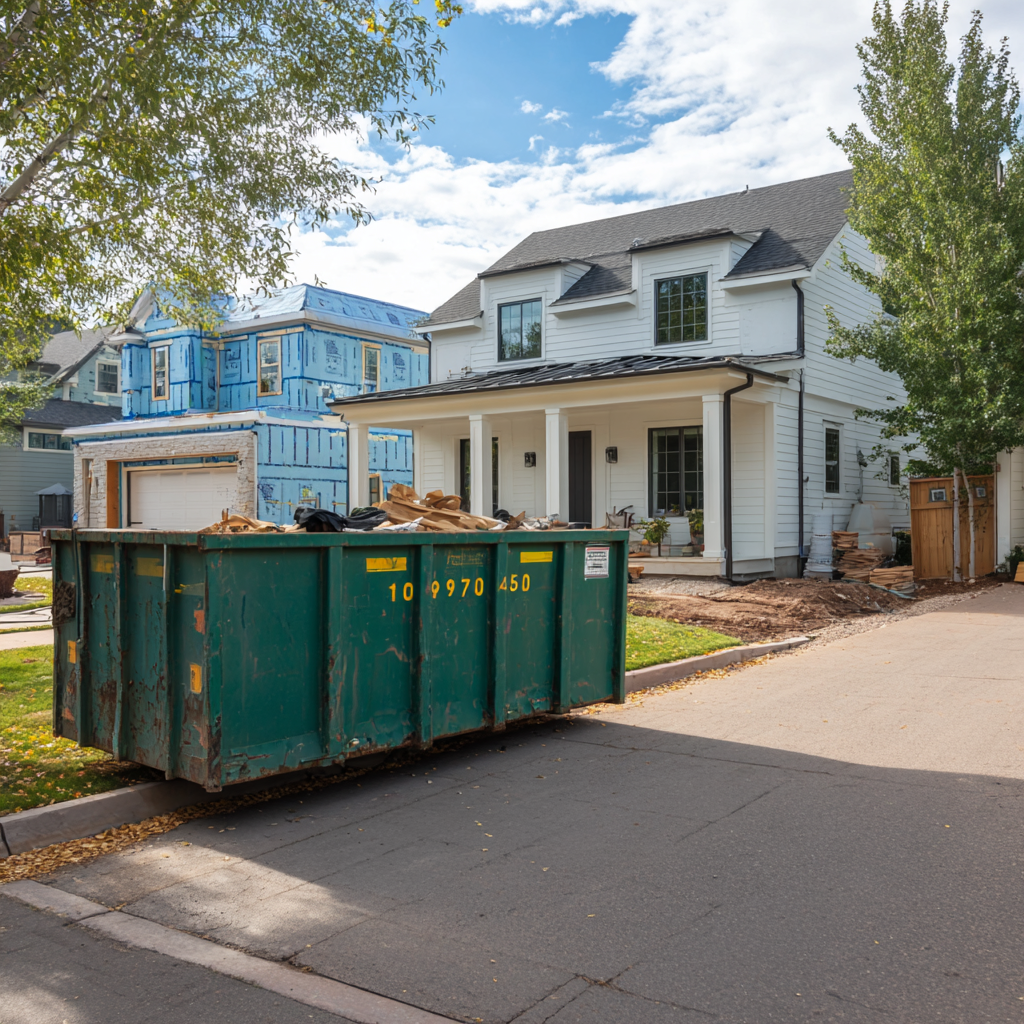
Permits and Right-of-Way: When Placement Moves Beyond Private Property
When containers move off private lots and onto public lanes, a few city rules can change the whole plan. Know where you stand before delivery day and save time and money.
Private property—driveways, fenced job sites, and paved pads—usually needs only the owner’s okay. Public areas like street lanes, shoulders, sidewalks, and city-controlled parking often trigger permit needs and added fees.
What to have ready when you call for permit info
Bring the address, a simple sketch of the location, start and end dates, container size, and a note on how you will keep traffic and pedestrians safe. Ask the city’s permitting desk any specific questions and record the contact name.
Why planning ahead matters
Last-minute permit requests can delay delivery, shorten your rental period, or force a relocation if an inspector or neighbor objects. If the truck shows up and can’t drop or pick up safely, you may face a trip fee and lost time.
- Bright line: private property vs. right-of-way rules.
- Check with the City of Richland before scheduling public-area work.
- Keep permit notes, contact names, and dates in your project folder.
| Situation | Permit Need | Typical Concerns |
| Driveway or paved pad | Usually none | Surface protection, access for trades |
| Street lane or sidewalk | Often required | Traffic control, signage, time limits |
| Alleys and loading zones | Case-by-case | Shared access, delivery stacking, neighbor notices |
Dumpster Placement in Richland for Construction and Demolition Sites
Crowded sites, tight schedules and heavy loads mean you must think like a driver and a foreman. On new builds near Horn Rapids and along industrial corridors, stage containers where trucks can pull up without weaving through staged materials or crossing pedestrian paths.
New builds near Horn Rapids and industrial corridors: staging for trucks and trades
Pick a spot that keeps the approach lane clear for delivery and pickup. Avoid backing across walkways or through trade staging. Set a short, marked driver line so trades know where to load.
Commercial remodels in central Richland: loading zones, alleys, and shared access
Alley access and shared aisles demand a plan. If you block a loading zone, coordinate tenant deliveries and notify neighbors. Keep daily load windows tight to reduce conflict.
Heavy debris considerations for concrete, roofing, and demolition materials
Concrete and roofing add weight fast. Put containers on firm ground or protect pavement to prevent rutting. Spread heavy loads evenly to avoid tipping or extra disposal charges.
- Keep materials below the top edge and spread weight.
- Schedule a swap-out or empty-and-return when space is tight.
- Time pickup before stacks, pumps, or deliveries make the area unusable.
| Site Type | Staging Tip | Why it matters |
| New build (Horn Rapids) | Reserve straight-line access | Saves time on delivery and pickup |
| Central remodel | Coordinate alley hours | Avoid tenant and vendor conflicts |
| Heavy demo | Protect pavement, spread loads | Prevents damage and extra charges |
Home Renovations and Cleanouts Across Richland Neighborhoods
A smooth remodel starts with a simple plan for where bulky items and yard waste will sit during work. Pick a spot that keeps crews efficient and neighbors less annoyed.
Driveway-first strategy for South Richland and Badger Mountain streets
When you can, keep the container on your own property. Driveway-first placement usually avoids city permits and keeps the truck on firm ground.
HOA, shared-drive, and cul-de-sac rules
HOAs often require written approval or notice. Shared drives need written consent from co-owners. Cul-de-sacs need enough turning room and clear access for school runs and commutes.
Short jobs vs. multi-phase remodels
For weekend cleanouts pick a short rental period so you do not block parking for weeks. Multi-phase work may need a longer rental period and staged swaps.
- Sort materials and bulky items before pickup to avoid surprises and extra fees.
- Keep the unit off soft landscaping so it will not sink or damage irrigation lines.
- Get a quote after you confirm driveway width, parked cars, and tight corners.
| Situation | Advice | Why it matters |
| Driveway on private property | Use driveway-first; note gate width | Often no permit; easier access for rental trucks |
| Cul-de-sac or narrow street | Reserve turning room; notify neighbors | Prevents blocked access and missed pickups |
| HOA or shared drive | Get written approval and post notice | Avoid fines and disputes with associations |
One major way to save during home remodeling is ensuring you don’t rent a dumpster larger than what you need. Our guide to dumpster sizing during Richland Home Renovations has the advice you need.
Festivals, Sporting Events, and Concerts: Placement for Crowd Flow and Clean Grounds
Events need waste plans that work around people, not machines. Start by mapping high-traffic walkways, entry lines, vendor rows, and family zones. Then assign service lanes and back-of-house areas for pickups and delivery.
Keep ADA routes and emergency access clear. Reserve sidewalks, ramps, and fire lanes.
- Plan vendor service near load-in zones, not where guests queue for food.
- Set separate streams for trash, packaging, and bulky items to limit overflow.
- Place units where crowds exit or pause, but avoid sight-line and pinch points.
If a crew must move a container, schedule work before gates open or after peak times so you do not interrupt attendees or block exits.
Event-Timing and Waste Streams
Coordinate pickup times around the schedule. Early-morning delivery or late-night pickup cuts conflicts. Label each unit and train staff on which stream goes where to speed service and keep the area tidy.
| Area | Suggested Service Spot | Why it works |
| Vendor row | Back-of-house lane | Quick swap-outs with minimal guest contact |
| Main entry / exit | Nearby but offset | Convenient for foot traffic without blocking lines |
| Family / picnic area | Peripheral cluster | Reduces overflow and protects sight lines |
Emergency Recovery and Storm Cleanup: Quick Placement Without Creating New Hazards
After a wind event, quick choices matter. You want fast cleanup and no new risks. Pick a spot that stays reachable even if the driveway is cluttered with limbs and scattered debris.
Debris staging after wind events and property damage
Stage bulky items near the home’s best access point. Keep a clear lane for the truck to approach, do not block hydrants, and leave room for a safe pickup. Load large branches first, then add smaller material to avoid a jumbled pile.
Keeping containers clear of utilities, downed lines, and unstable structures
Stay well clear of downed power lines, meters, and vaults. Avoid putting any unit under leaning trees, damaged roofs, or unstable fences. If a line looks live, call the utility company before you move forward.
- Assign one person on-site to call placement and direct the team.
- Plan delivery and pickup times to avoid restaging the pile.
- Work calmly: fast action plus simple rules protects people and property.
| Scenario | Best Action | Why it matters |
| Blocked driveway | Stage at nearest clear pad | Keeps truck access without moving debris twice |
| Downed utilities | Call utility, mark hazard, keep 50 ft clear | Prevents electrocution and fines |
| Lean or unstable structures | Place unit away, near crew safe zone | Reduces collapse risk during loading |
What Can Go In the Dumpster, What Can’t, and Why It Matters for Placement
Before you place any type of rented dumpster on your site, you need to know what can go inside and what will cost you extra. We’ll keep it simple so you can sort fast and avoid surprise charges or delays.
Common accepted debris for construction and property projects
You can usually toss dry, inert materials. That includes wood scraps, drywall, shingles, tile, carpeting, and general cleanout items. Small amounts of metal and non-hazardous fixtures are fine too.
- Construction materials: lumber, plasterboard, roofing shingles.
- Renovation items: cabinets, tile, flooring, household junk.
- Event and yard waste: broken chairs, trim, bundled branches (check local rules).
Restricted items that can trigger added fees and special handling
Some stuff needs special handling. Leave out flammables, solvents, propane tanks, batteries, paints with liquid, and medical waste. Tires and certain electronics often carry extra fees or can be refused.
- Frequently restricted: tires, batteries, aerosol cans, oil, gasoline.
- Problem materials may require a separate waste stream or special containers.
- Ask your provider early if you expect unusual finds during demo work.
Rain, tarps, and weight limits that affect where you stage the container
Wet debris adds weight quickly. A tarp keeps water out and helps you avoid overage charges. Pick a flat spot where water drains away so the roll truck can approach safely.
| Issue | Action | Why it matters |
| Wet debris | Cover with tarp | Reduces added weight and fees |
| Hazardous items | Separate to special container | Avoids rejection and handling fines |
| Heavy loads | Stage on firm ground | Prevents surface damage and tipping |
Have questions early and tell your rental rep about unusual materials. Good planning keeps the site cleaner, cuts handling risk, and keeps your schedule on track.
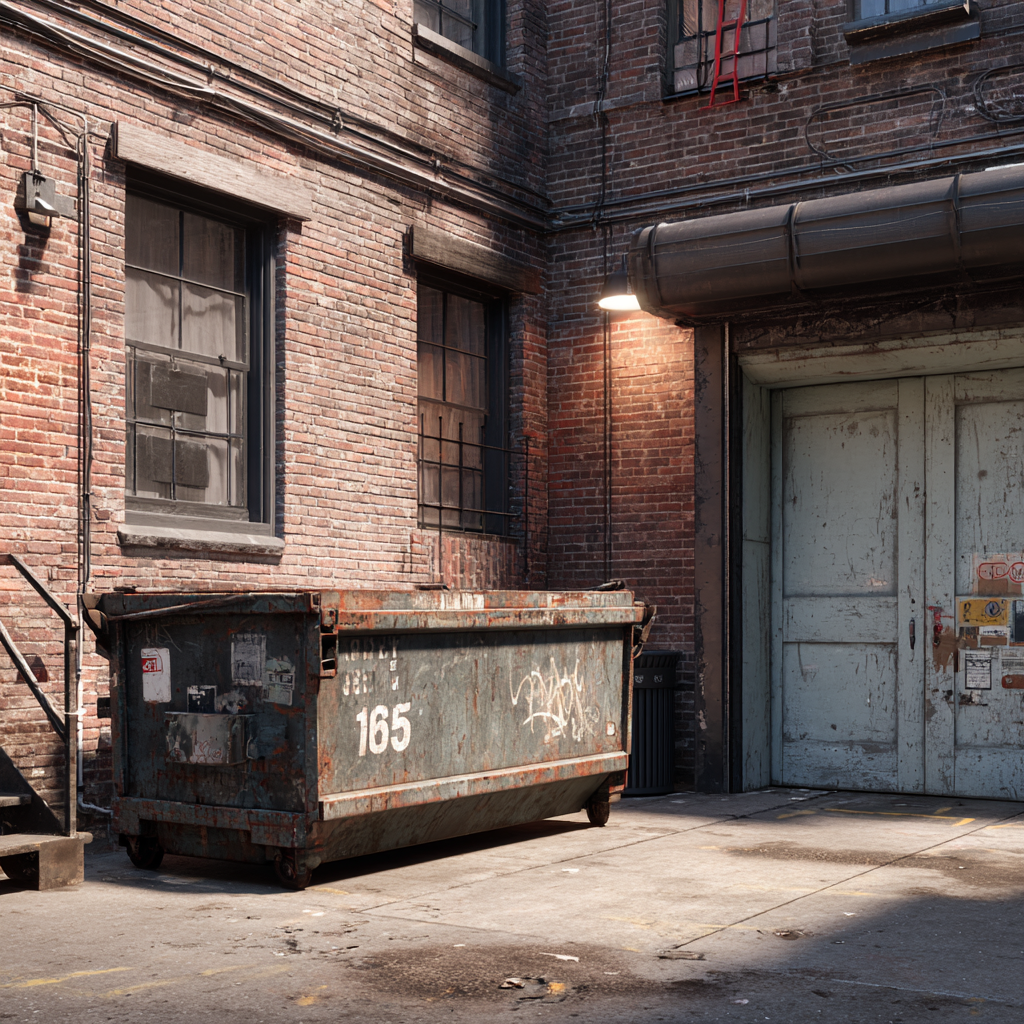
Pulling It Together: Choose the Right Location, Avoid Conflicts, and Keep the Project Moving
Successfully managing dumpster placement in Richland, WA requires measuring your site for proper truck access, understanding local permit requirements for public versus private property, and selecting locations that maintain safety while supporting efficient workflow. Contact our Prime Dumpster team to discover how our Tri-Cities expertise can help you navigate placement logistics, coordinate with local regulations, and maintain accessible, compliant waste management throughout your project.
If you are looking for Dumpster Rental Costs in Richland, Washington: 2026 Pricing Guide + Savings Tips, Click Here
Recent Posts


Follow Us
Have any questions?
+1 844 853 3867
Give us a call today so we can help you find the right waste & sanitation solution for
your project!
Contact Us