
Mon - Sat 7:00 am to 7:00 pm
Q&A with the Prime Dumpster Pros: Dumpster Rental in Greenville, Mississippi
“Greenville sits at the intersection of several industries that each come with their own waste removal demands, from Delta agriculture and river-corridor logistics to manufacturing and government infrastructure,” says the Prime Dumpster Pro. “Getting the right container to the right place on the right schedule looks different depending on which of those sectors you’re working in.”
At Prime Dumpster, we’ve put together this dumpster rental FAQ for Greenville, MS. Join the Prime Dumpster Pros as they answer the questions facility managers, contractors, agricultural operators, and government officials ask most often.
Manufacturing, Shipping, and Logistics Dumpster Rental in Greenville
Greenville’s position along the Mississippi River supports an active base of manufacturing, shipping, and logistics operations that generate substantial and ongoing waste volumes. We asked the Prime Dumpster Pros to explain how roll-off dumpster rental in Greenville MS, works across these interconnected industries.
What container size works best for manufacturing and production facilities in Greenville?
“Most manufacturing operations generate enough consistent waste to justify a 30-yard dumpster or 40-yard dumpster on a rotation schedule rather than a one-time rental. The right size depends on what the facility is producing and how much waste each production cycle generates. Facilities running dense materials like metal scrap or machining byproducts may also need a dedicated 10-yard dumpster for heavy loads, regardless of their overall output volume.”
How do shipping and logistics operations along the Mississippi River corridor manage ongoing waste removal?
“Shipping and logistics facilities generate high volumes of packaging waste that accumulate quickly in receiving and shipping areas. Cardboard, plastic wrap, banding materials, and foam can create safety hazards and operational bottlenecks if removal doesn’t keep pace with freight volume. Greenville, MS, dumpster rental for these operations works best on a scheduled rotation tied to actual freight output rather than a fixed rental period.”
How does container rotation work for high-output industrial facilities?
“For facilities producing waste continuously, we coordinate scheduled container swaps rather than standard rental periods. That means delivery, pickup, and rotation happen on a timeline tied to the facility’s operational cycle. The goal is keeping waste removal running in the background so it never requires active management from the operations team.”
What materials restrictions apply to manufacturing and logistics dumpster rentals?
“Standard roll-off containers handle non-hazardous solid waste, which covers most production scrap, packaging debris, and general facility waste. Hazardous materials, regulated chemicals, and liquids require separate handling and cannot go into a standard container. Knowing the types of dumpsters available to rent and what each one accepts before you book helps avoid compliance issues and unexpected charges after pickup.”
Agricultural Dumpster Rental in Greenville, Mississippi
The Mississippi Delta region surrounding Greenville supports large-scale agricultural operations that generate substantial waste year-round. We asked the Prime Dumpster Pros to explain how roll-off container rental works for farming and land management projects in the area.
What types of agricultural waste go into a standard roll-off dumpster?
“Most non-hazardous solid waste from farming operations fits in a standard container. That includes old fencing, irrigation equipment, damaged structures, plastic sheeting, and general farm debris from seasonal cleanouts. The main categories to watch are chemicals, pesticide containers, and other regulated agricultural materials, which require separate disposal outside of a standard rental.”
What container size works best for farm cleanouts and land clearing projects?
“For general farm debris and mixed agricultural waste, a 20-yard dumpster handles most mid-size cleanout projects without excess capacity. Land clearing projects generating heavy materials like stumps, dirt, and rock need a 10-yard dumpster to stay within weight limits regardless of overall volume. Larger property overhauls involving multiple debris types often benefit from running both container sizes simultaneously.”
How do agricultural operators schedule dumpster rental around seasonal work cycles?
“Farming operations in the Delta tend to generate the most waste during planting preparation and post-harvest cleanup periods. Booking containers in advance of those peak windows gives operators more flexibility on delivery timing and size availability. Dumpster rental in Greenville, MS, for agricultural use works best when the rental period is aligned with the actual work schedule rather than a standard five to seven day window.”
Are there materials from farming operations that can’t go into a standard container?
“Pesticide containers, fertilizer bags with chemical residue, fuel drums, and any materials classified as hazardous under state or federal guidelines can’t go into a standard roll-off container. Tires and certain types of plastic sheeting may also be restricted depending on the provider and disposal facility. Confirming those restrictions before loading prevents additional charges and keeps the rental compliant with applicable regulations.”
Dumpster Rental for Government and Municipal Projects in Greenville
Government facilities and municipal operations in Greenville generate waste removal needs that range from routine facility maintenance to large infrastructure projects. We asked the Prime Dumpster Pros what government and municipal clients need to know about roll-off container rental.
How does dumpster rental work for government facility cleanouts and renovations?
“Government facility projects follow the same basic process as any commercial rental, but often have additional scheduling and access requirements that need to be worked out during the booking process. Renovation debris, office cleanout materials, and general facility waste all go into standard containers sized to the scope of the project. A 15-yard dumpster handles most single-facility cleanouts, while larger renovation projects typically call for a 20 or 30-yard unit.”
What container sizes are most common for municipal infrastructure projects?
“Infrastructure projects like road maintenance, utility work, and public facility upgrades generate mixed debris loads that usually call for larger containers. A 30-yard dumpster is a common choice for mid-size infrastructure projects, while major construction or demolition work tied to public facilities typically requires a 40-yard dumpster. Container size ultimately depends on the volume and type of debris the specific project generates.”
How do government projects coordinate container placement and scheduling?
“Government and municipal job sites often have specific access requirements, permitted work windows, and site conditions that affect where a container can go and when delivery vehicles can operate. Working through those details during the booking process rather than on delivery day keeps the project on schedule. Greenville, Mississippi roll-off dumpster rental for public projects works best when placement logistics and scheduling constraints are communicated upfront.”
Does Prime Dumpster work with government entities on ongoing waste removal contracts?
“Prime Dumpster holds GSA approval, SBA certification, SAM.gov registration, and USFCR verification, which positions us to work with federal, state, and local government entities on both one-time projects and ongoing waste removal arrangements. Government clients with recurring needs benefit from scheduled container rotation agreements that keep waste removal predictable and consistently managed. Facility managers and procurement officers can reach out directly to discuss contract options tailored to their specific operational requirements.”
Learn more about Prime Dumpster’s certifications and approvals.
Construction Dumpster Rental in Greenville, Mississippi
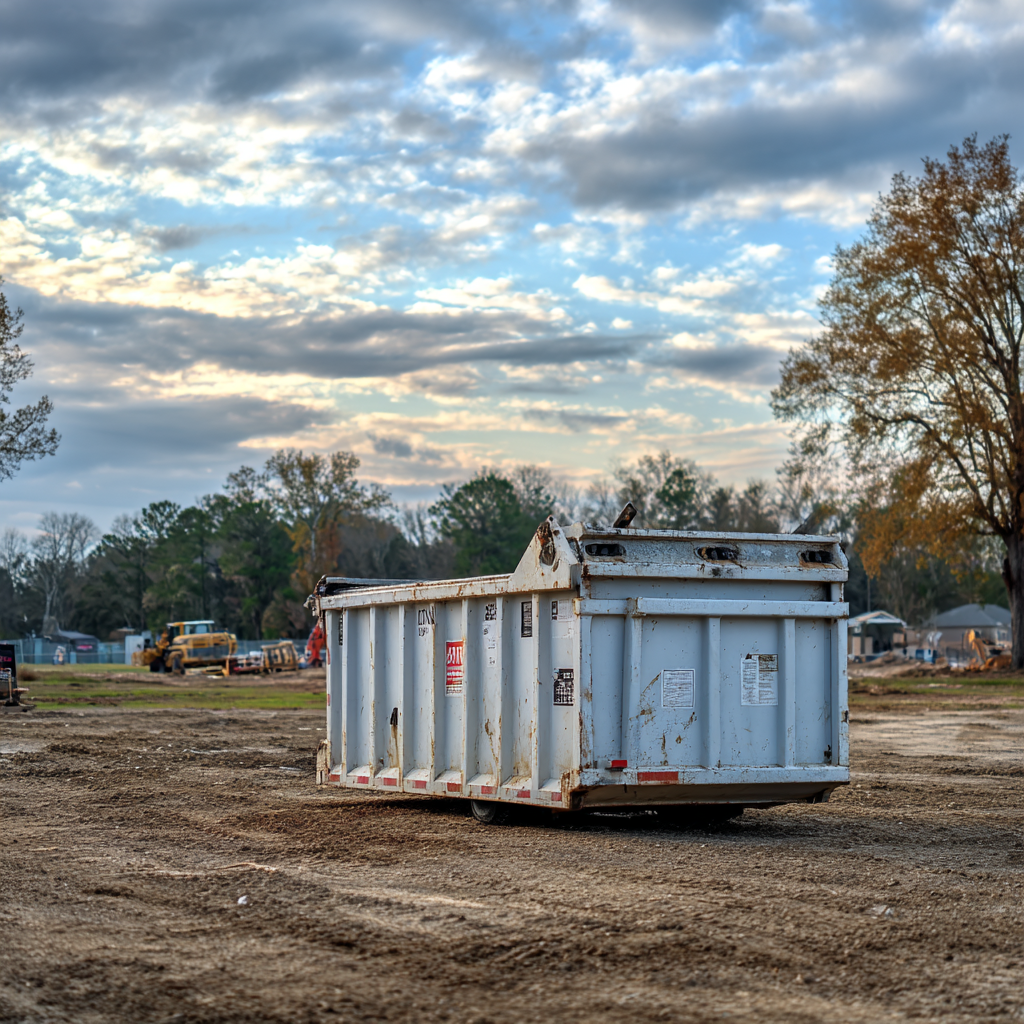
Residential and commercial construction activity across Greenville generates consistent demand for roll-off containers sized to handle the debris loads that come with building, renovation, and demolition work. We asked the Prime Dumpster Pros to walk through the most common construction dumpster rental questions in the area.
What size dumpster works best for residential construction and renovation projects in Greenville?
“For most home renovation projects, a 20-yard dumpster covers the scope without leaving you paying for unused capacity. New home construction generates enough debris across framing, roofing, and finish phases to justify a 40-yard unit from the start. The exception is always heavy materials like concrete or brick, which need a dedicated 10-yard container regardless of what else is on the job.”
How do commercial construction crews manage waste on large job sites?
“Commercial builds generate mixed debris loads across multiple phases simultaneously, which makes a single container approach impractical for anything beyond a small project. Most crews coordinate scheduled container swaps so waste removal keeps pace with demolition, framing, and finish work without creating bottlenecks on the site. Planning that rotation before the project starts is what keeps a busy job site running cleanly throughout the build.”
What construction materials can and can’t go into a roll-off dumpster?
“Wood, drywall, roofing shingles, flooring, fixtures, metal framing, and general construction debris are all acceptable in a standard container. Hazardous materials, including asbestos-containing materials, paint, solvents, and certain adhesives, require separate disposal and cannot go into a standard roll-off. If there’s any question about a specific material, confirming before it goes in the container is always the right call.”
How far in advance should contractors book a dumpster rental in Greenville?
“Three to five days is enough lead time for most standard construction rentals. During busier construction periods in spring and summer, booking a week or more out gives contractors better availability and more flexibility on delivery timing. Dumpster rental in Greenville, MS, for large commercial or multi-phase projects benefits from even more advance planning to ensure container availability aligns with each phase of the build schedule.”
If you’re renting dumpsters for your construction site, you likely need porta potties, too. Our Guide to Porta Potty Rentals in Greenville, MS is an excellent resource.
Dumpster Rental in Greenville, Mississippi, for Every Industry and Project Type
Our dumpster rental FAQ for Greenville, Mississippi, covers a wide range of needs across the region, but it’s not your only resource, because we’re also here to help! Contact our team to discuss your project and get a quote tailored to your specific situation. At Prime Dumpster, we coordinate container rentals for operations and projects of every size. Plus, we provide complete, upfront quotes so you know exactly what you’re paying before anything is scheduled.
If you are looking for Your Guide to Dumpster Rental in Morristown, Tennessee, for Manufacturing and Construction, Click Here
Recent Posts


Follow Us
Have any questions?
+1 844 853 3867
Give us a call today so we can help you find the right waste & sanitation solution for
your project!
Contact Us