
Mon - Sat 7:00 am to 7:00 pm
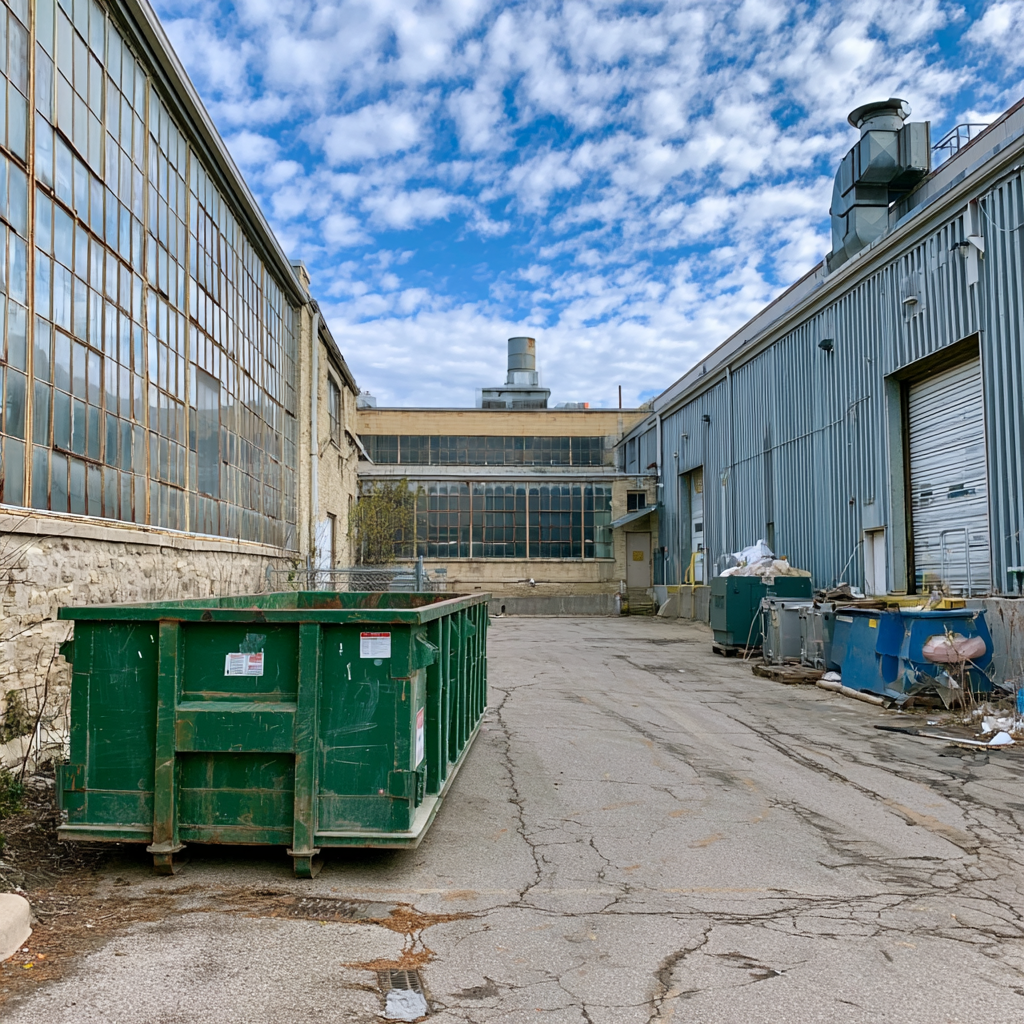
Dumpster Rental for Industrial Use in Milwaukee, WI
Milwaukee is one of the most industrially diverse cities in the Midwest, with sectors including mechanical manufacturing, energy and power, food and beverage production, water technology, and medical technology. Each generates waste management demands that standard trash service isn’t built to handle.
Prime Dumpster coordinates dumpster rentals for industrial operations across Milwaukee and the surrounding area. This guide covers container selection, debris management, and practical rental tips across Milwaukee’s most active industrial sectors.
Fast Facts: Industrial Dumpster Rental in Milwaukee, WI
“Industrial rentals in Milwaukee require more attention to debris type and weight than most other project categories, and the facilities that plan those details before the container arrives have a much smoother experience than those that figure it out on delivery day,” says the Prime Dumpster Pro. “Sorting, surface preparation, and booking lead time are the three variables that matter most in an industrial environment.”
The table below outlines standard container sizes available when you rent a dumpster in Milwaukee, with approximate dimensions and common industrial uses for each.
| Size | Approximate Dimensions | Common Industrial Uses |
| 10-Yard Dumpster | 12′ × 8′ × 3.5′ | Dense metal scrap, concrete and masonry, targeted heavy material removal |
| 15-Yard Dumpster | 16′ × 7.5′ × 4.5′ | Mixed industrial debris, equipment packaging, mid-sized facility cleanouts |
| 20-Yard Dumpster | 22′ × 7.5′ × 4.5′ | Production waste, facility renovation debris, equipment removal |
| 30-Yard Dumpster | 22′ × 8′ × 6′ | Large facility cleanouts, structural renovation, high-volume mixed industrial debris |
| 40-Yard Dumpster | 22–24′ × 8′ × 8′ | Major industrial demolition, full facility cleanouts, large-scale equipment removal |
Dumpster types, dimensions and availability vary by location and project conditions. Contact Prime Dumpster to confirm sizing and availability for your Milwaukee industrial project.
Looking for help with dumpster rentals for construction, events, and other situations? Our Q&A with Prime Dumpster Pros: Dumpster Rental FAQ for Milwaukee, WI
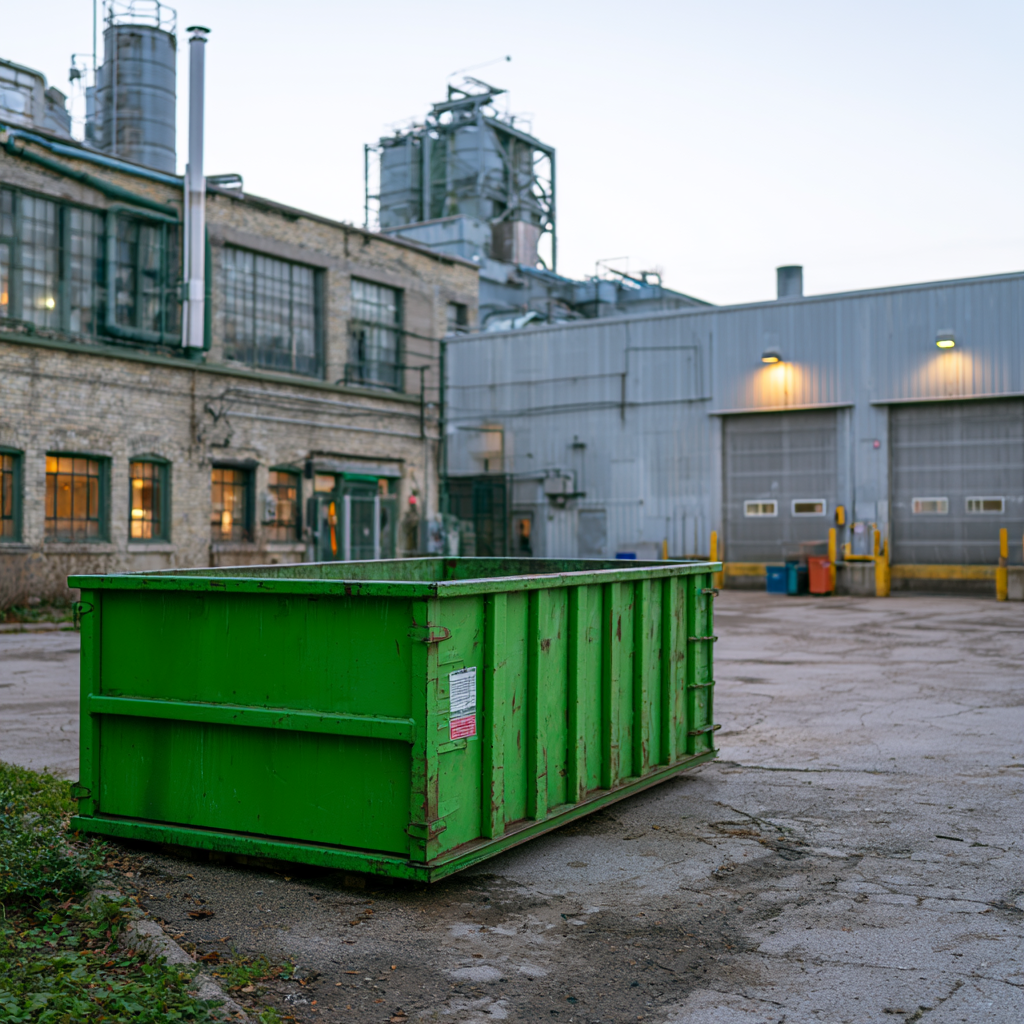
General Tips for Industrial Dumpster Rental in Milwaukee
“Industrial rentals in Milwaukee require more planning than most other project types, and the facilities that get it right treat the container as part of the operation rather than an afterthought,” says the Prime Dumpster Pro. “Debris sorting, surface preparation, and booking lead time are the three decisions that separate a smooth industrial rental from one that creates problems on the floor.”
A few core principles apply to every industrial dumpster rental in Milwaukee regardless of sector or project scope.
- Sort debris streams before loading begins. Dense industrial materials like metal scrap and concrete hit weight limits long before they fill a larger container. Keeping those separate from lighter packaging and general facility waste prevents overage charges on every haul.
- Size for weight, not volume. Industrial debris is consistently heavier per cubic foot than construction or residential waste. Selecting a container sized to the weight profile of the debris rather than the visual volume is the most reliable way to avoid per-ton overage charges.
- Confirm surface conditions before delivery. A loaded roll-off container requires a hard, stable, level surface that won’t shift under weight during the rental period. Communicating any surface limitations or access restrictions to the provider before booking prevents placement complications after the container is already on the ground.
- Identify regulated materials before loading. Anything contaminated with petroleum products, chemicals, or regulated substances requires separate disposal and must never enter a standard roll-off container. Flagging those materials before the container arrives keeps the project compliant and the final invoice predictable.
- Book ahead and account for permit requirements. Industrial projects operate on tight schedules, and last-minute container requests add pressure to an already demanding timeline. Street or right-of-way placement near Milwaukee industrial facilities requires a permit before delivery, and factoring that lead time into the project schedule prevents delays.
Getting these details right before the container arrives is what keeps an industrial rental from becoming a disruption to an active Milwaukee facility.
Mechanical Manufacturing
Milwaukee’s mechanical manufacturing sector is the city’s largest industrial category, anchored by heavy machinery, tools, and equipment production. The debris profile here is among the heaviest of any sector in the Milwaukee market.
Metal scrap, machined components, and structural steel hit weight limits long before they fill a larger container. Keeping those materials in a dedicated 10-yard container separate from lighter packaging and general facility waste prevents overage charges on every haul.
Facility upgrades and equipment removal on manufacturing floors generate debris across multiple phases. Planning container swaps around active work phases keeps the site clear and the crew working without interruption.
Food and Beverage Production
Milwaukee’s food and beverage sector includes more than 3,700 companies employing over 141,000 people, making it one of the most concentrated food production markets in the Midwest. Facility maintenance and production line upgrades generate a mix of packaging waste, structural debris, and commercial equipment.
Key debris considerations for food and beverage facility rentals include:
- Organic waste from active production operations should stay out of a general roll-off container to avoid processing complications and additional fees
- Commercial refrigeration units and processing equipment add significant weight that affects container selection
- Stainless steel fixtures and food-grade components require sorting before loading to prevent prohibited material complications
Identifying these debris types before booking produces a more accurate container selection and keeps the final invoice predictable.
Water Technology and Environmental Operations
Milwaukee is home to the highest concentration of water-related companies in North America. The facilities supporting this sector generate specialized waste streams that require more careful sorting than standard industrial debris.
Any materials that have come into contact with regulated substances or environmental contaminants require separate licensed disposal. Standard renovation debris from facility upgrade projects can go into a general roll-off container, but the sorting decision must happen before loading begins.
Communicating the nature of the facility and its operations to the provider before booking gives the provider the context needed to advise on container selection and compliance considerations.
Energy, Power, and Controls
Milwaukee’s energy and power manufacturing sector generates heavy equipment debris, structural materials, and electrical components during facility maintenance and infrastructure upgrades.
“Energy and power facilities in Milwaukee produce some of the densest debris we see in any industrial rental,” says the Prime Dumpster Pro. “Transformer components, industrial cabling, and structural steel all add weight that pushes loads past their allowance before the container looks full, and that’s before you factor in any regulated materials that need separate handling.”
Capacitors, ballasts, and certain types of insulation may fall under regulated disposal requirements depending on their age and composition. Planning container swaps around active work phases keeps the facility clear without the delays that come from a full container sitting on an active industrial floor.
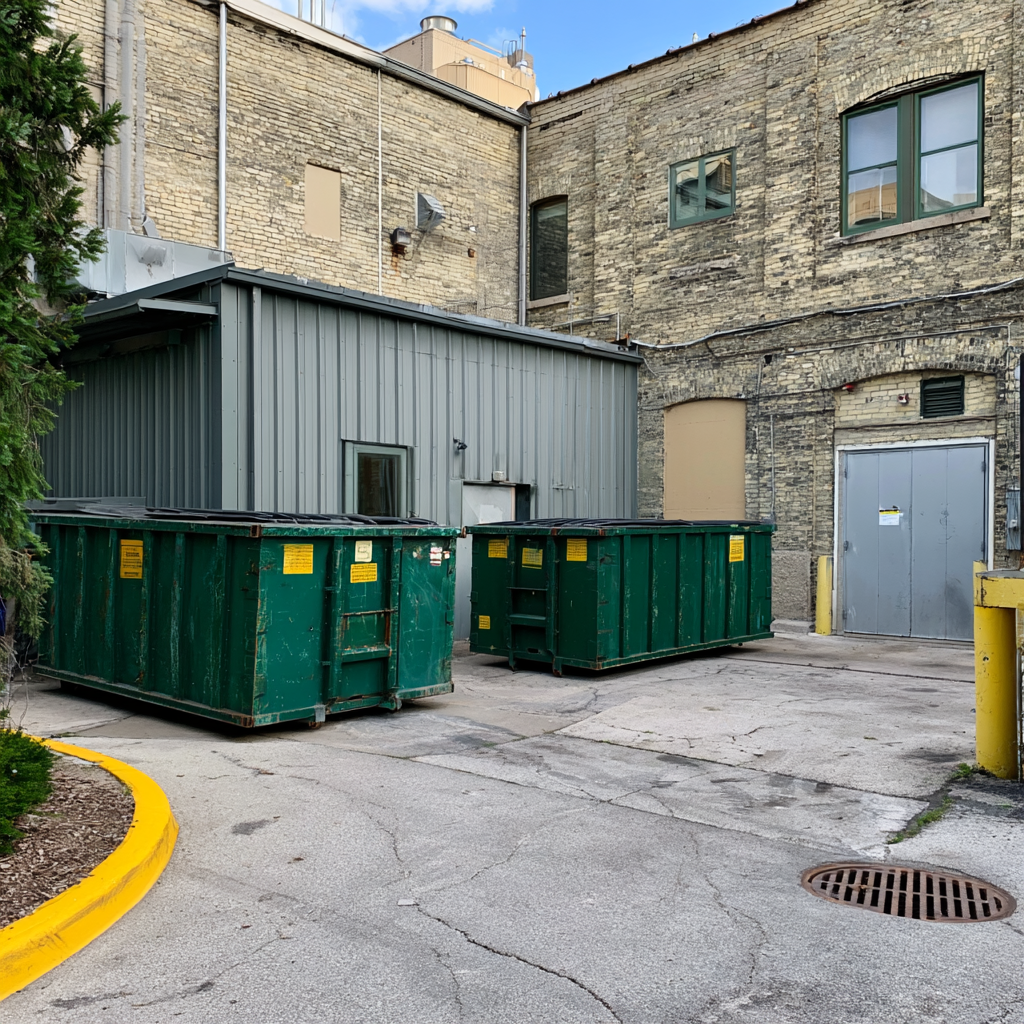
Medical Technology and Biomedical
Milwaukee’s growing biomedical sector generates renovation debris, laboratory materials, and facility cleanout waste across medical device manufacturing, pharmaceutical production, and healthcare technology development. Standard renovation debris can go into a general roll-off container.
Regulated medical or laboratory materials must never enter a standard dumpster regardless of container size. Identifying those materials before the cleanout begins and routing them to the appropriate disposal channel is a non-negotiable step.
Scheduling delivery and pickup around active research or production operations requires closer coordination with facility management than a standard commercial rental. Building that coordination into the booking process from the start keeps the container from disrupting the environment it’s supporting.
Plan Your Milwaukee Industrial Dumpster Rental Before the Work Begins
Industrial dumpster rental in Milwaukee works best when debris sorting, container sizing, surface preparation, and permit requirements are addressed before the first delivery is scheduled. Whether the project is a manufacturing cleanout, a food production facility upgrade, or a biomedical renovation, the right container and a little advance planning keep operations running without interruption. Contact our team for a flat-rate quote tailored to your Milwaukee industrial project scope and debris profile.
If you are looking for Prime Dumpster Quick Guide: Dumpster Rental for Durham, NC Construction, Click Here
Recent Posts


Follow Us
Have any questions?
+1 844 853 3867
Give us a call today so we can help you find the right waste & sanitation solution for
your project!
Contact Us